Most bad curly haircuts are really straight-hair cuts that wandered onto the wrong head. Curls spring up as they dry, they shrink unevenly from one side to the other, and any shape drawn on wet, stretched hair redraws itself by morning.
A good curly cut respects all of that before the scissors come out. It is shaped dry or barely damp, curl by curl, so every piece lands where it lives.
Your pattern does most of the deciding. A cut that flatters loose 2c waves will swallow tight 3c curls, and the shape that sets 4a coils free can leave fine curls looking wispy.
Nine cuts follow, matched to the patterns and densities they suit best. Then a guide to choosing by curl type and face shape, plus the questions clients ask me most.
Table of Contents

The Tapered Short Crop
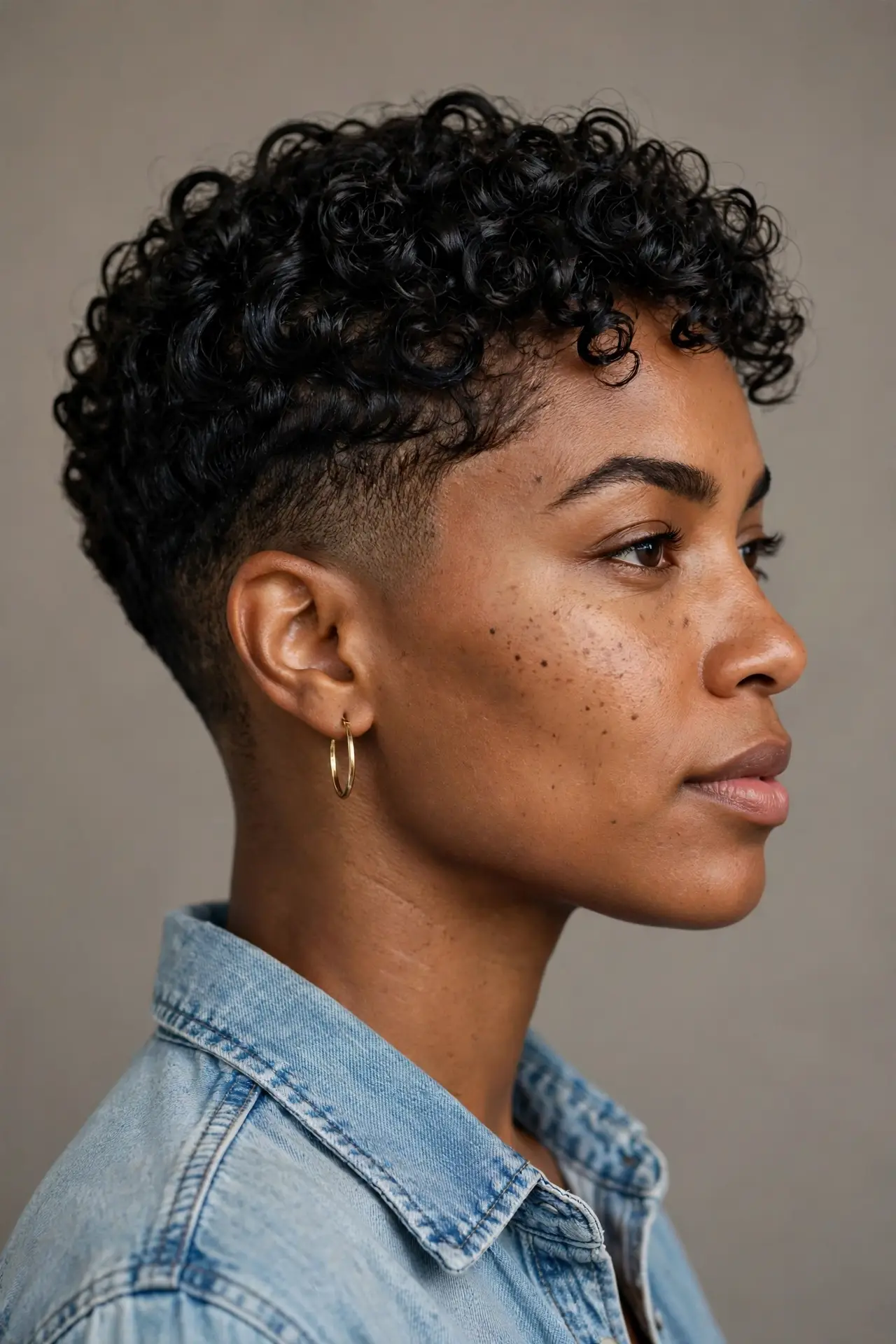
Take the sides and the back down close, keep the length on top, and let the curls stack where they are strongest. On tight 3c and 4a patterns, the taper keeps the silhouette clean while the top does all the expressing.
Of all the short curly haircuts, this one forgives the most. A wash day shrinks to minutes, and the shape holds its line for weeks.
Ask for the edges to be scissored, not clippered to skin, unless you want a hard fade. A soft taper grows out kindly; a sharp one announces itself by week two.
The Curly Bob
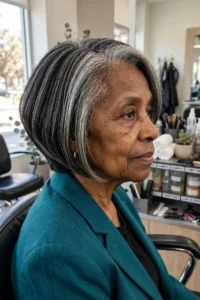
A bob on curls is not one length; it is a dozen lengths pretending. Cut dry, spring by spring, the perimeter lands at the jaw or just under it, and the curls settle into a rounded shape that moves as one.
I reach for it when a client wants polish without a styling routine. The weight sits low, the ends stay full, and the whole thing reads deliberate even on a rushed morning.
One caution: a blunt, single-length bob on thick curls builds a triangle, wide at the bottom and flat at the crown. A few quiet layers underneath stop that before it starts.

The Layered Curly Lob
The lob keeps the bob’s clean outline and adds collarbone length, then long layers lift the weight off the ends. Loose 3a curls and strong 2c waves get movement here without giving up length.
Layers are what stop mid-length curls from hanging in a heavy curtain. Cut in long, blended steps, they let each curl find its own level instead of dragging its neighbours down.
If your curls are looser at the front, say so before the cut starts. The face-framing pieces need to be left a touch longer, because they stretch more through the day.

Long Layers That Keep the Length
Long curly hair does not need many layers; it needs the right few. Two or three long steps through the mid-lengths remove the drag that pulls curls flat at the root and stretches them stringy at the ends.
The rule in my chair: the shortest layer should still clear the shoulder when dry. Curls spring up around a third of their wet length, and a layer that looks safe wet can land at the cheekbone once dry.
Styling stays simple at this length. A leave-in, a scrunch, and patience while it dries; long curly haircuts punish fussing and reward being left alone.

The Curly Pixie
A curly pixie keeps the back and sides short and leaves enough length on top for the curl to complete one full turn. That last detail matters: cut a curl before it finishes its spiral and it sticks out at odd angles for weeks.
It is a confident cut, and an honest one. There is nowhere for damage or uneven growth to hide, so what you see in the chair is what you get.
Short curly haircuts like this one live or die on the trim schedule. Book every four to five weeks, or the top outgrows the taper and the balance goes.
Curls With a Fringe
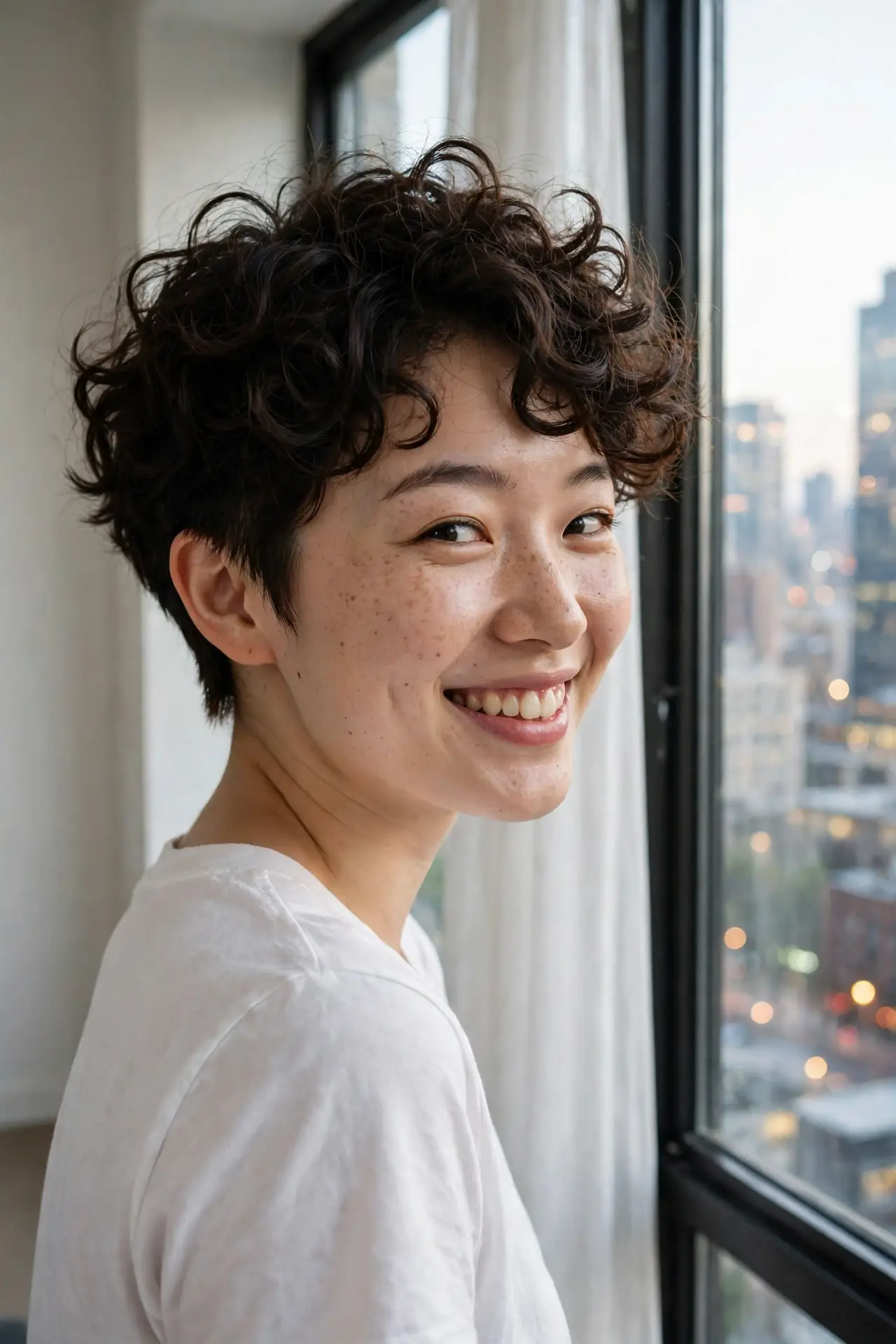
A curly fringe is cut longer than it looks in every photo you will bring in, because it springs up the moment it dries. Cut it at the brows while wet and it will live at your hairline by Friday.
Worn right, it softens the whole cut. The fringe blurs the line between hair and forehead, the sides melt into it, and cuts you already know look new. Curly hair with bangs goes deeper on fringe shapes, from full and blunt to wispy and split in the middle.
Commit to a fringe trim between appointments, because curly fringes grow into your eyes on their own schedule, not yours.

The Curly Shag
The shag stacks shorter layers around the crown and lets the lengths stay loose and piecey below. On curls, that means volume up top, movement at the ends, and nothing sitting in a solid block.
It is the most forgiving of the mid-length curly haircuts as it grows out, because the layers were uneven on day one. The curly shag haircut gets its own full breakdown, and the wilder curly wolf cut pushes the same idea further, with a stronger contrast between the top and the lengths.
Ask for the layers to be cut dry and connected loosely. Disconnected, shelf-like steps are the one version of this cut that dates fast.

For Fine and Thinning Curls
Fine curls lose an argument with heavy layering. Every layer removes hair the next layer needed for cover, and the ends end up see-through.
The cuts that work keep the outline strong and the layering minimal: a bob or a soft crop, with the ends left blunt enough to read as full. Length is the other lever; fine curls look thicker above the shoulders than below them.
Care matters as much as the cut here. The American Academy of Dermatology advises handling fragile hair gently and keeping heat low, and curly hair care covers the washing rhythm that keeps fine curls from going flat by day two.

For Thick, Dense Curls
Thick curls rarely need more hair removed than people fear; they need weight removed from the inside. Interior layers and gentle debulking through the mid-lengths let the outer shape stay full while the whole head feels lighter.
The shape to ask for is rounded, not stacked. A rounded outline keeps width at the cheekbones and crown instead of the jaw, which is where dense curls build the triangle nobody asked for.
Of the longer curly haircuts, this is where a few extra inches help rather than hurt. Length weighs the sides down in a good way, and fall curly hairstyles shows how that weight plays once the air turns dry.
Choosing by Curl Pattern and Face Shape
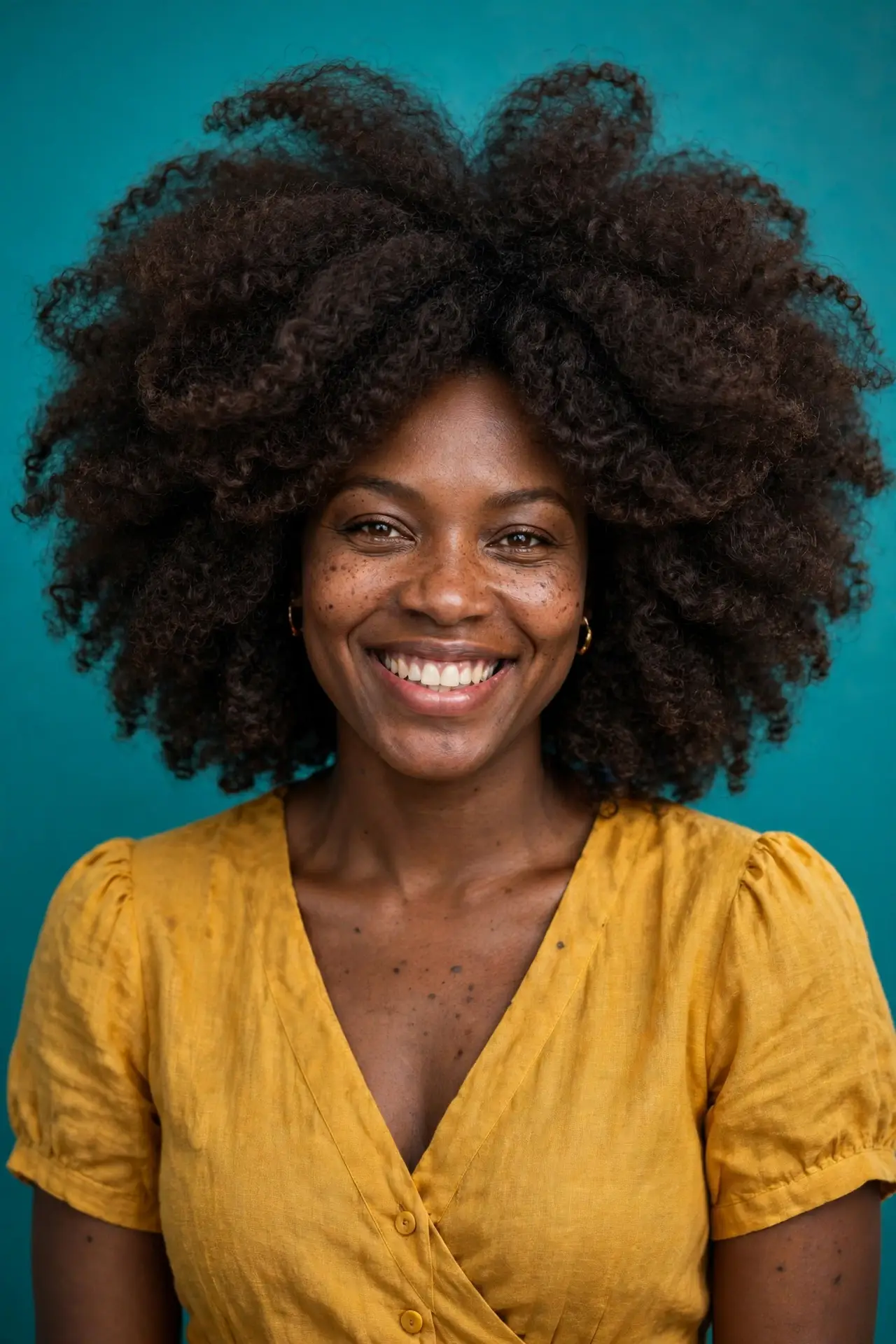
Start with the pattern, because it decides which curly haircuts can work at all. Loose 2c and 3a curls stretch under their weight, so they hold longer shapes and need layers for lift. Tight 3c and 4a patterns spring and shrink, so they reward shorter shapes, rounded outlines, and room to expand.
If the chart language confuses you, Bouclème’s curl type guide sorts hair into loose, medium, and tight families with care notes for each, which is enough detail to choose a cut.
Then let your face make the final call. Round faces take height at the crown and length below the chin. Square jaws soften with layers that start at the cheekbones. Long faces can carry the width of a bob or a fringe, and oval faces can carry nearly anything.
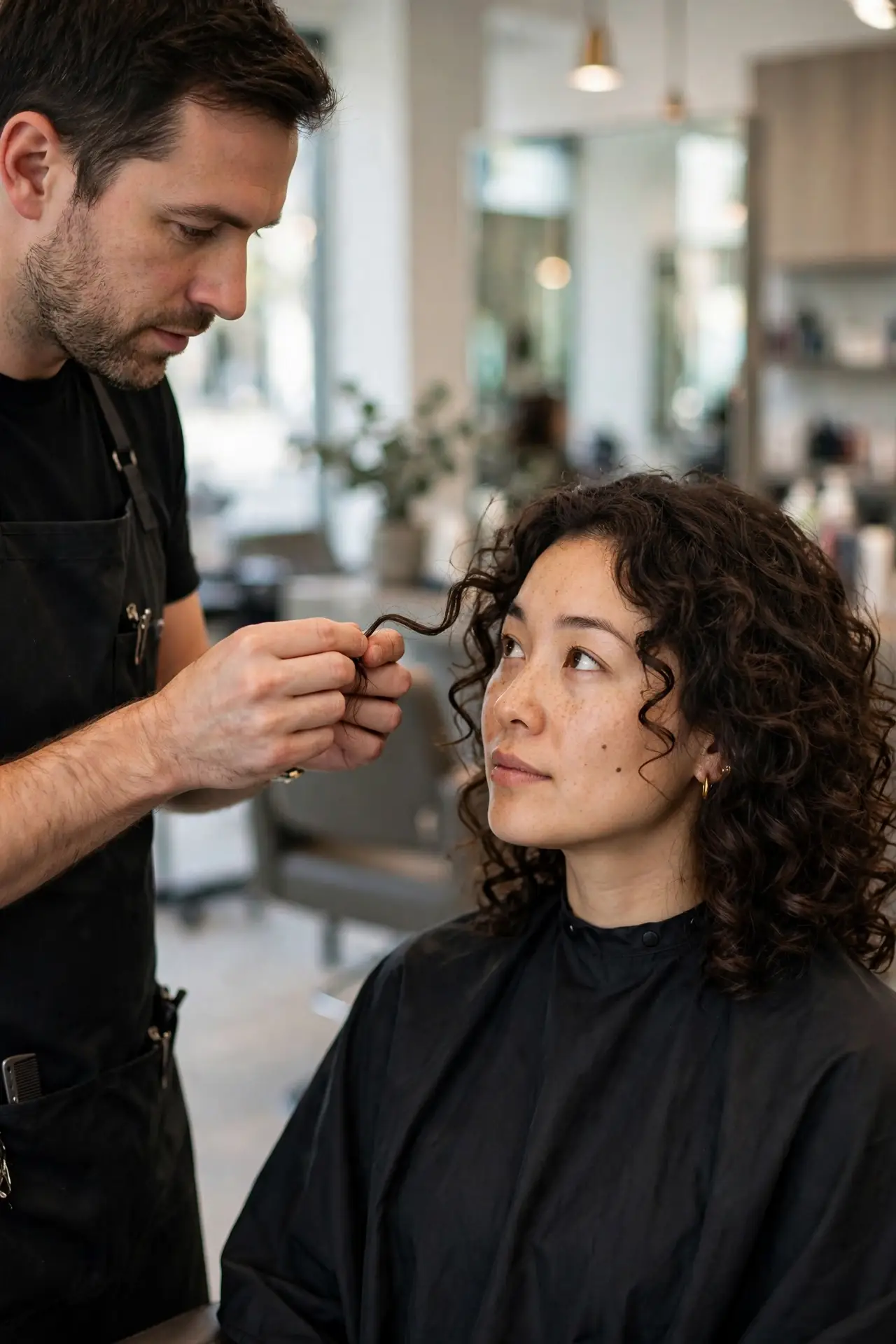
Bring photos whose curl pattern matches yours, not just hair you admire. And say the words dry cut out loud when you book; a stylist who cuts curls wet and stretched is solving a different problem.
Quick Answers
Should curly hair be cut wet or dry?
Dry, or barely damp, for most patterns. Curls shrink and spring as they dry, so a dry cut shows the stylist the true length and shape in time to adjust it.
How often do curly haircuts need a trim?
Every eight to twelve weeks for longer cuts keeps the ends clean and the shape honest. Short crops and pixies need the chair every four to six weeks.
Which curly cut is easiest to maintain?
The curly bob and the layered lob ask the least day to day: wash, scrunch, air-dry. Short cuts style fast but need trims more often, so the effort moves rather than disappears.
Do layers work on every curl pattern?
Nearly, but the dose changes. Thick and long curls need long, blended layers; fine curls need very few, kept long, so the ends stay full.
Can I get a fringe with curly hair?
Yes, with two conditions: it is cut dry and left longer than the photos suggest, and you accept a quick fringe trim between full appointments.
Pick from the curly haircuts that match your pattern first and your patience second. Get those two right, and your curls stop needing daily negotiation.