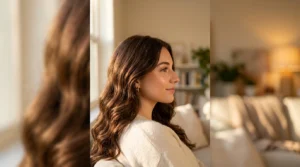
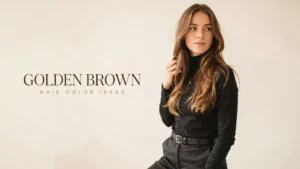
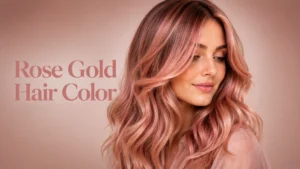
Balayage is a hand painted highlighting technique that creates soft, sun kissed color with a natural gradient from roots to ends. The best balayage hair color ideas are chosen based on your skin’s undertone warm, cool, or neutral, not just whatever’s trending that season. Warm undertones tend to glow with caramel, honey, and copper balayage. Cool undertones usually look best with ash blonde, cool brunette, or smoky rose tones. Neutral undertones can pull off almost anything.
Below, we’re breaking down balayage hair color ideas by skin tone, hair texture, and maintenance level, so you can walk into your next appointment with a clear picture ,and the right questions to ask
What Balayage Actually Is
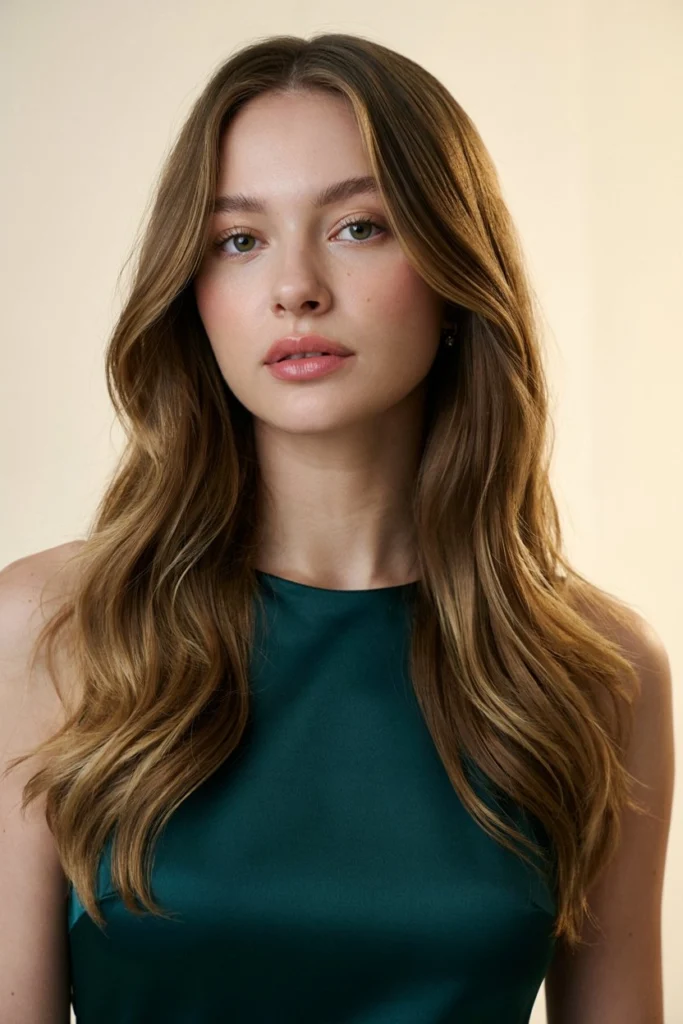
Balayage comes from the French word for “sweeping,” which describes exactly how it’s applied. Instead of using foils to isolate strands like traditional highlights, a colorist hand paints lightener directly onto the surface of the hair, concentrating it where the sun would naturally hit.
That’s the whole appeal. It mimics what happens to hair after a summer outdoors, lighter ends, deeper roots, and a soft transition in between. There’s no hard line to chase down every six weeks, which is a big part of why so many women switch to balayage after years of traditional foil highlights.
Balayage Hair Color Ideas for Warm Skin Tones
If your skin has golden, peachy, or yellow undertones, warm balayage shades tend to make your complexion look brighter rather than washed out.
Caramel and Honey Balayage
Caramel balayage on medium brown bases is one of the most requested looks for warm skin tones, and it’s easy to see why. The color reads as rich but not heavy, and it photographs beautifully in natural light. Honey balayage leans a shade lighter and works particularly well on those with lighter brown or dark blonde starting points.
Copper and Rose Gold Balayage
For someone who wants more drama without going full redhead, copper balayage strikes a nice middle ground. It’s warm enough to flatter golden undertones and bold enough to stand out at a distance, which matters if you’re someone who wants your color to read in photos, not just up close.
Balayage Hair Color Ideas for Cool Skin Tones
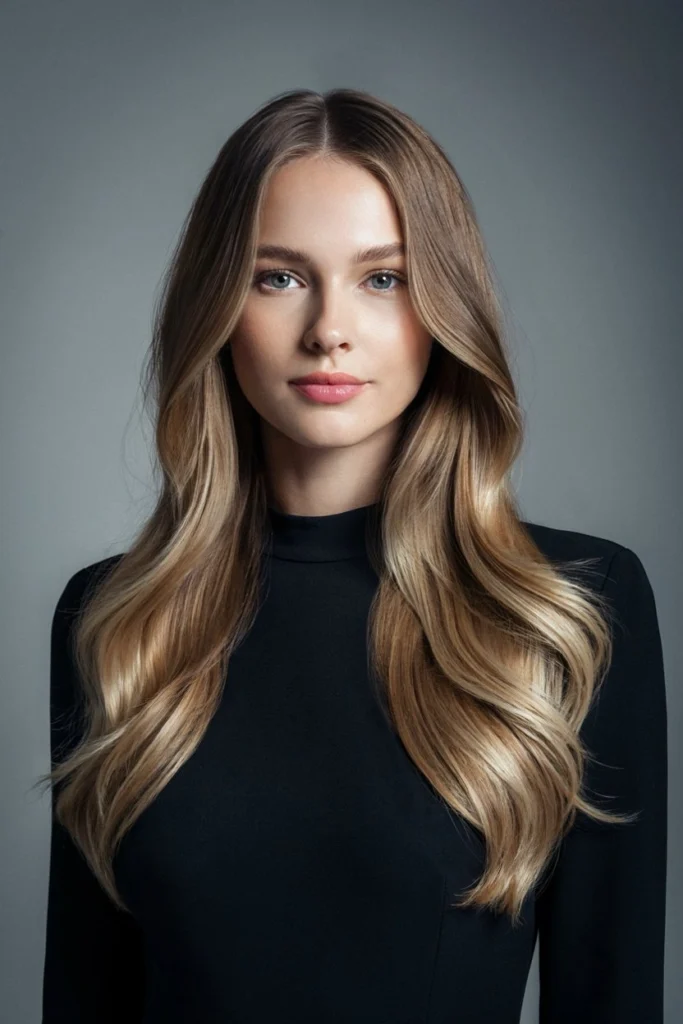
Cool undertones pink, red, or bluish undercurrents in the skin generally look best avoiding overly golden or orange tones, which can clash and make the complexion look sallow.
Ash Blonde and Beige Balayage
Ash blonde balayage neutralizes warmth in a way that flatters fair, pink toned skin. It requires a toner with blue or violet pigment to keep brassiness at bay, something your colorist should mention before you leave the chair. Beige balayage is a slightly softer cousin, blending ash tones with a touch of warmth so it doesn’t look flat.
Cool Brunette Balayage
Not every cool toned client wants to go blonde. Cool brunette balayage, think chocolate with subtle mocha or espresso ribbons, keeps things rich without introducing the orange undertones that warm your face unevenly.
Balayage Hair Color Ideas for Neutral and Olive Skin Tones
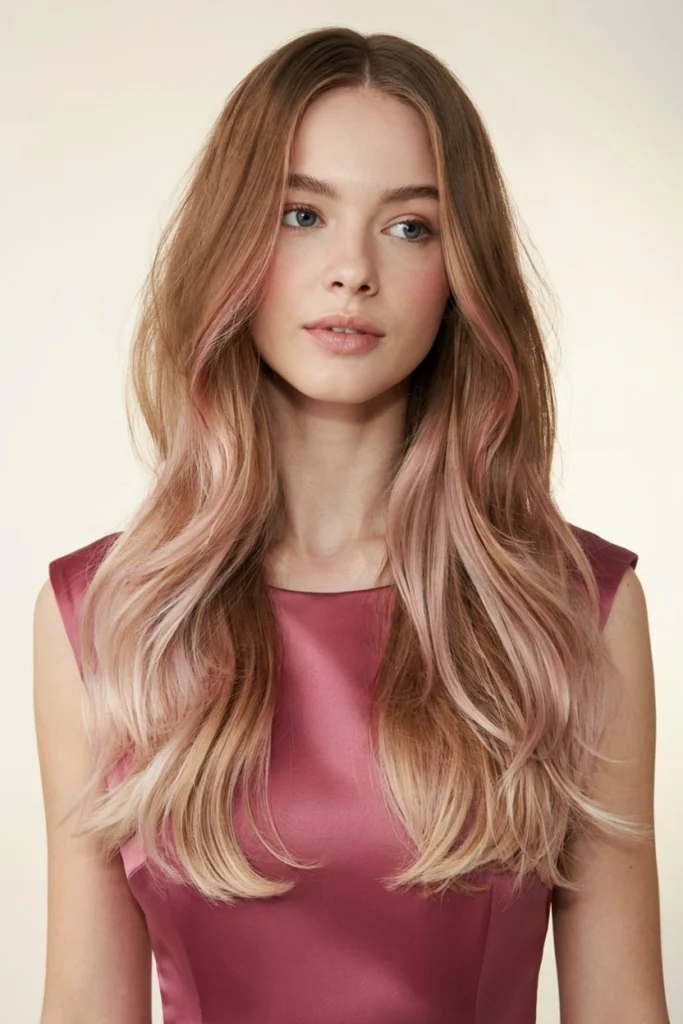
Neutral and olive undertones have the most flexibility here. Olive skin in particular tends to pull warmth from the environment, so both warm caramel tones and cooler ash tones can work depending on the rest of the color palette.
Sandy and Bronde Balayage
“Bronde”brown plus blonde, balayage sits right in the middle of the spectrum, which makes it a safe and flattering choice for neutral undertones. It’s also one of the lowest maintenance blonde options because it doesn’t rely on a stark contrast to look intentional.
Chestnut with Subtle Highlights
For olive skin tones, a chestnut base with soft, low contrast balayage pieces adds dimension without competing with warmer complexions. This is a popular choice for anyone easing into color for the first time.
Balayage on Different Hair Textures
Here’s something that doesn’t get talked about enough: your hair’s texture changes how balayage actually looks once it’s dry and styled, not just how it photographs fresh out of the salon chair.
On straight hair, balayage tends to show a more visible gradient since light travels down the hair shaft in a clean line. Curly and wavy hair diffuses that gradient because the curl pattern breaks up where the light and dark sections fall, which is actually a good thing. It softens any harsh transitions and gives curls a multidimensional look even when they’re pulled up or air-dried.
Fine hair usually looks best with finer, more subtle balayage pieces. Heavier, chunkier painting can look patchy once fine strands settle, especially by day two or three when natural oils flatten things out.
Maintenance Realities Nobody Tells You About
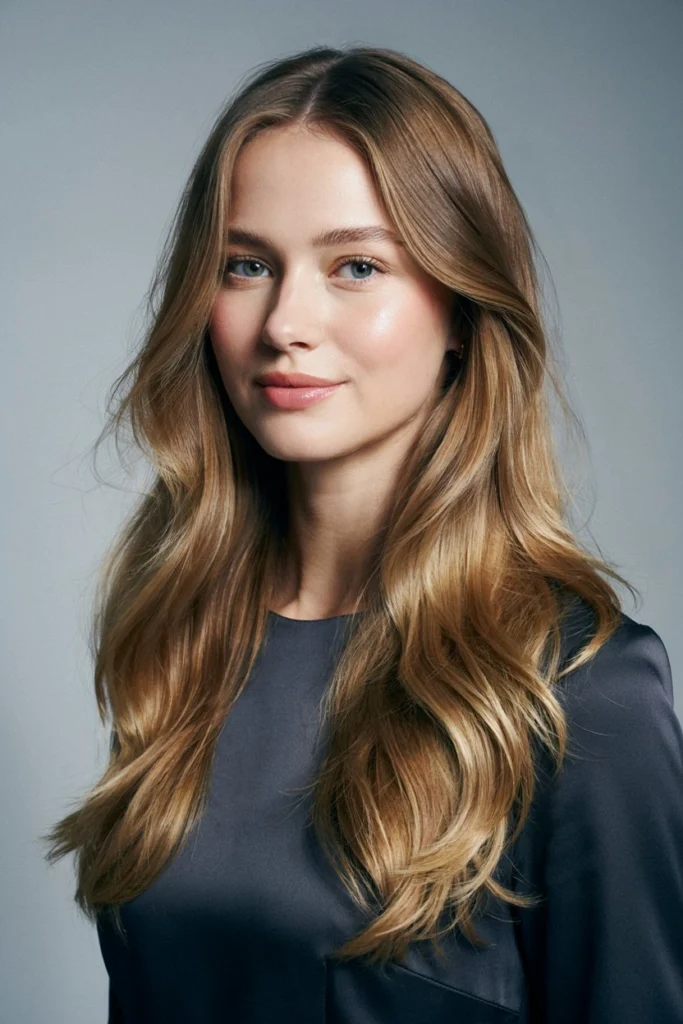
Balayage is often sold as “low maintenance,” and compared to full foil highlights, it is. But it’s not zero maintenance, and going in with the wrong expectations is where a lot of the disappointment comes from.
Purple or blue toning shampoo becomes part of the routine for blonde and ash balayage, usually once a week, sometimes more in hard water areas where minerals speed up brassiness. Warmer tones like caramel and copper fade differently. They tend to lose vibrancy rather than turn brassy, so a color depositing conditioner every couple of washes helps hold onto that richness longer.
Humidity plays a bigger role than most people expect, too. In muggy climates, lightened balayage pieces can feel drier and more prone to frizz by midsummer, which is a good reason to build in a lightweight leave in oil during those months rather than waiting until ends start looking rough.
Common Mistakes to Avoid
One myth worth pushing back on: the idea that balayage never needs a salon visit. People repeat this constantly, and it’s simply not true. While you can go longer between appointments than with foils, most colorists still recommend a toning or gloss visit every 8 to 12 weeks to keep the color from drifting toward brass or dullness, even if you’re not adding new lightener.
Another common mistake is going in without reference photos that actually match your hair’s current condition. A photo of balayage on previously virgin, healthy hair won’t translate the same way onto hair that’s been colored multiple times, and a good colorist needs to know your starting point to set realistic expectations.
Skipping a bond building treatment during the lightening process is another one. It won’t change how the color looks on day one, but it makes a real difference in how the hair feels and holds up three months down the line.
FAQs
Is balayage or highlights better for low maintenance? Balayage generally requires less frequent salon visits than traditional foil highlights because the grow out is softer and less noticeable near the root.
Can balayage work on dark hair without bleach? Yes, though the level of lift will be more subtle. Colorists can use lower volume lighteners or gloss only techniques for a softer, more subtle result on dark bases.
How do I know what balayage shade suits my skin tone? Warm undertones typically pair well with caramel, honey, and copper. Cool undertones lean toward ash blonde or cool brunette. Neutral and olive undertones have more flexibility and can often wear both.
Does balayage damage hair? Any lightening process has the potential to cause some dryness or damage, though balayage tends to be gentler than full head foils since less hair is lightened overall. A bond building treatment during the process helps minimize this.