Color that nobody can quite place is often the best color of all. It catches the light in a photo, adds depth in person, and never announces itself as a dye job.
Subtle colored hair works this way on purpose. The shade sits close to the natural base, the dimension builds slowly, and the grow-out stays soft instead of drawing a line.
Eight quiet ideas follow, from soft balayage to a gentle copper wash. Each one keeps the change small and the result believable.
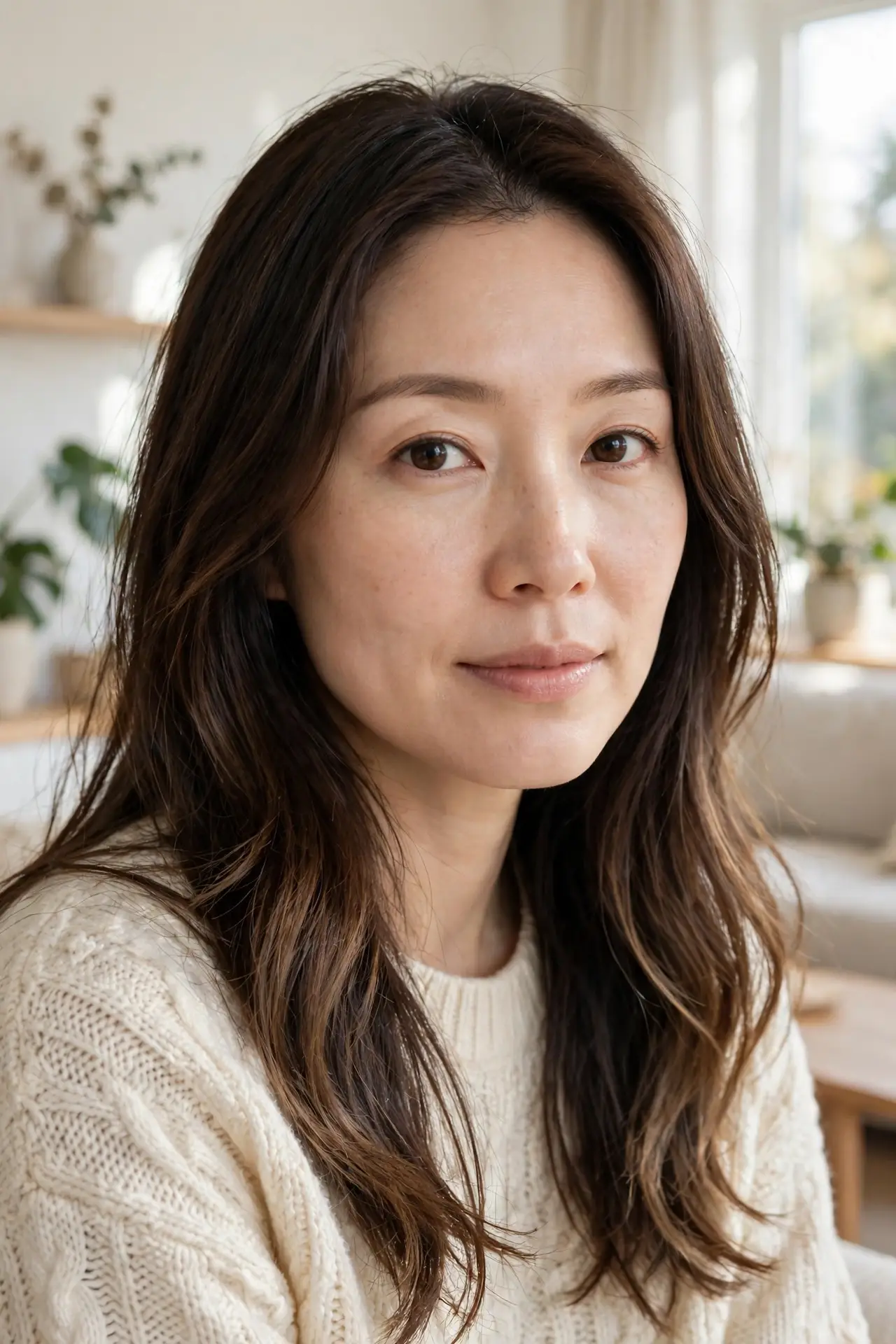
Table of Contents
1. Soft Balayage
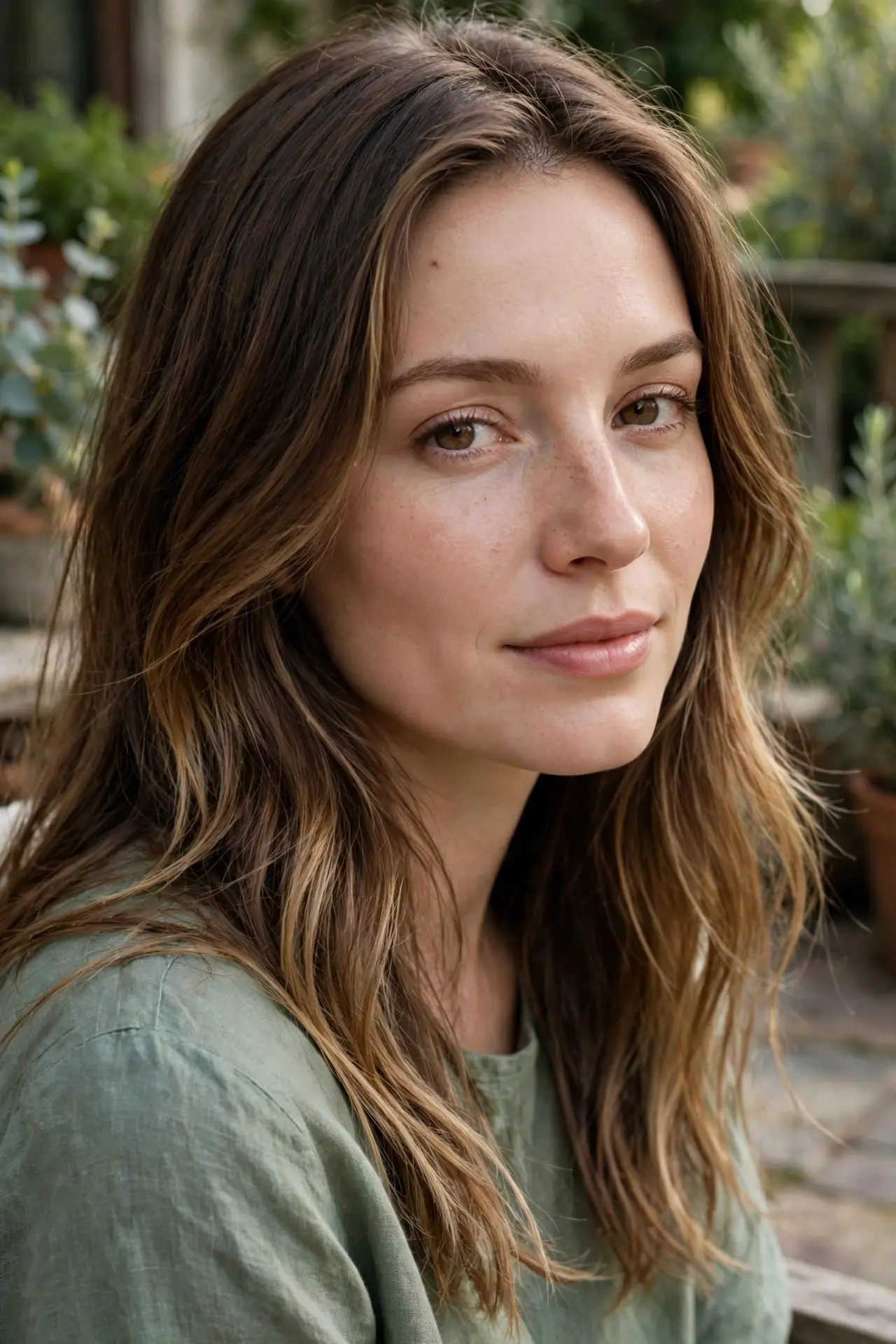
Balayage earns its soft reputation from the way color is painted on. The stylist sweeps lightener over the surface in loose strokes, leaving the roots untouched and the ends a shade or two lighter.
That hand-painted placement is what keeps the result natural. No foil lines, no hard edge, and no obvious place where the color starts.
Ask for two levels of lift at most. A bigger jump reads as a highlight job, while a small lift reads as hair that spent a summer outdoors.
Soft balayage suits long and mid-length hair best. The length gives the painted pieces room to blend, and the movement does the rest.
2. Fine Babylights
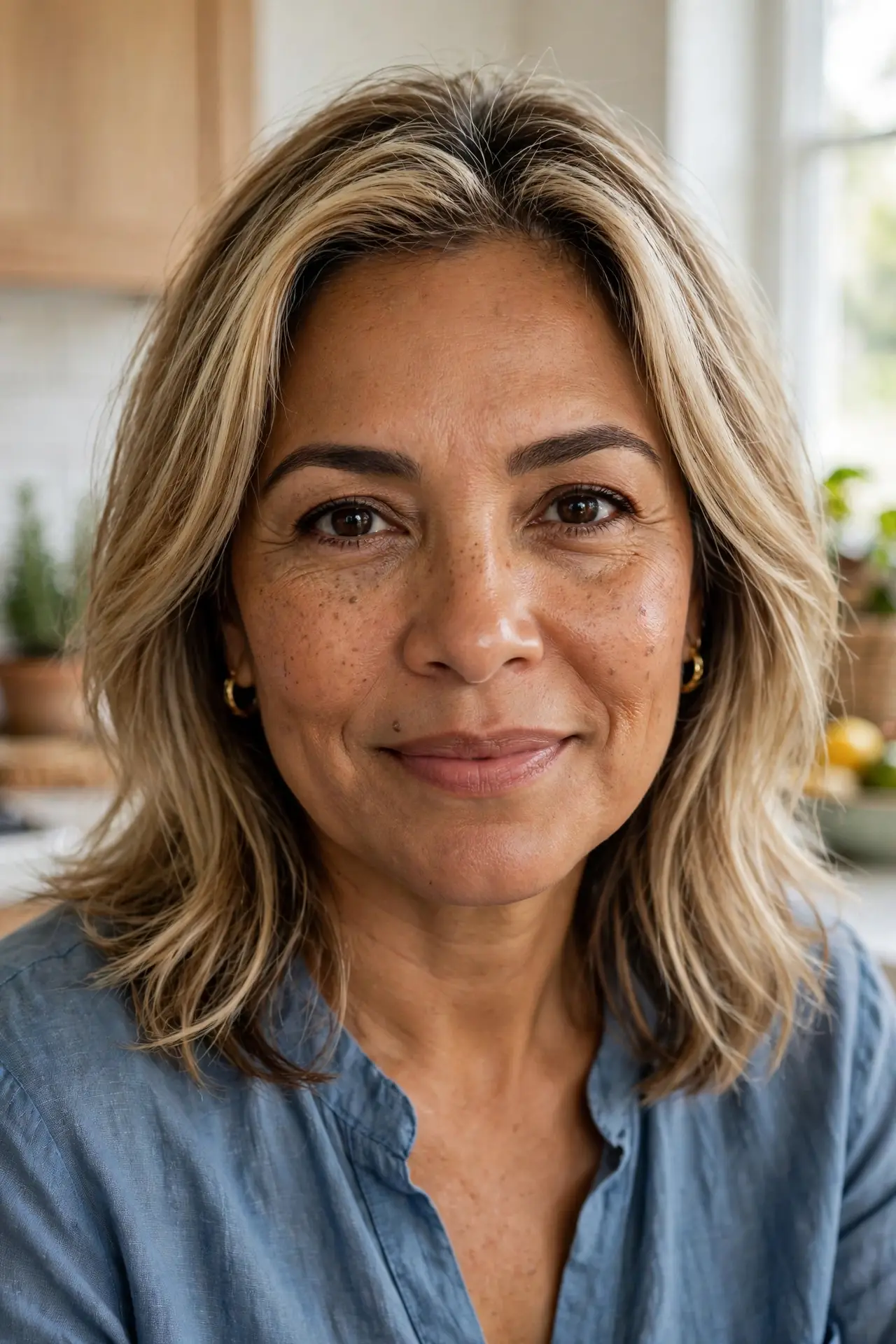
Babylights are the smallest highlights a stylist can paint. Each one is finer than a thread, scattered through the top layers where the sun would naturally lighten the hair.
The effect is quiet rather than stripey. The hair looks a touch lighter overall, with no single highlight a viewer can point to.
Keep babylights within one level of the base. A bigger gap turns them into visible streaks, which defeats the point.
This technique suits fine hair well. The tiny pieces add dimension without the weight of a full highlight service.
3. Lowlights for Depth
Lowlights work in the opposite direction, adding darker pieces instead of lighter ones. A few deeper strands woven through the mid-lengths give flat color somewhere to rest.
Depth is what makes hair look thick in photos. Without a darker tone in the mix, even healthy hair can read as one flat sheet.
Ask the stylist to place lowlights under the top layer. Hidden depth shows in movement, not in stripes, and the surface stays smooth.
Subtle colored hair gains most of its believability from this quiet contrast. Light pieces alone look painted, while light plus dark looks grown.
4. Tonal Gloss
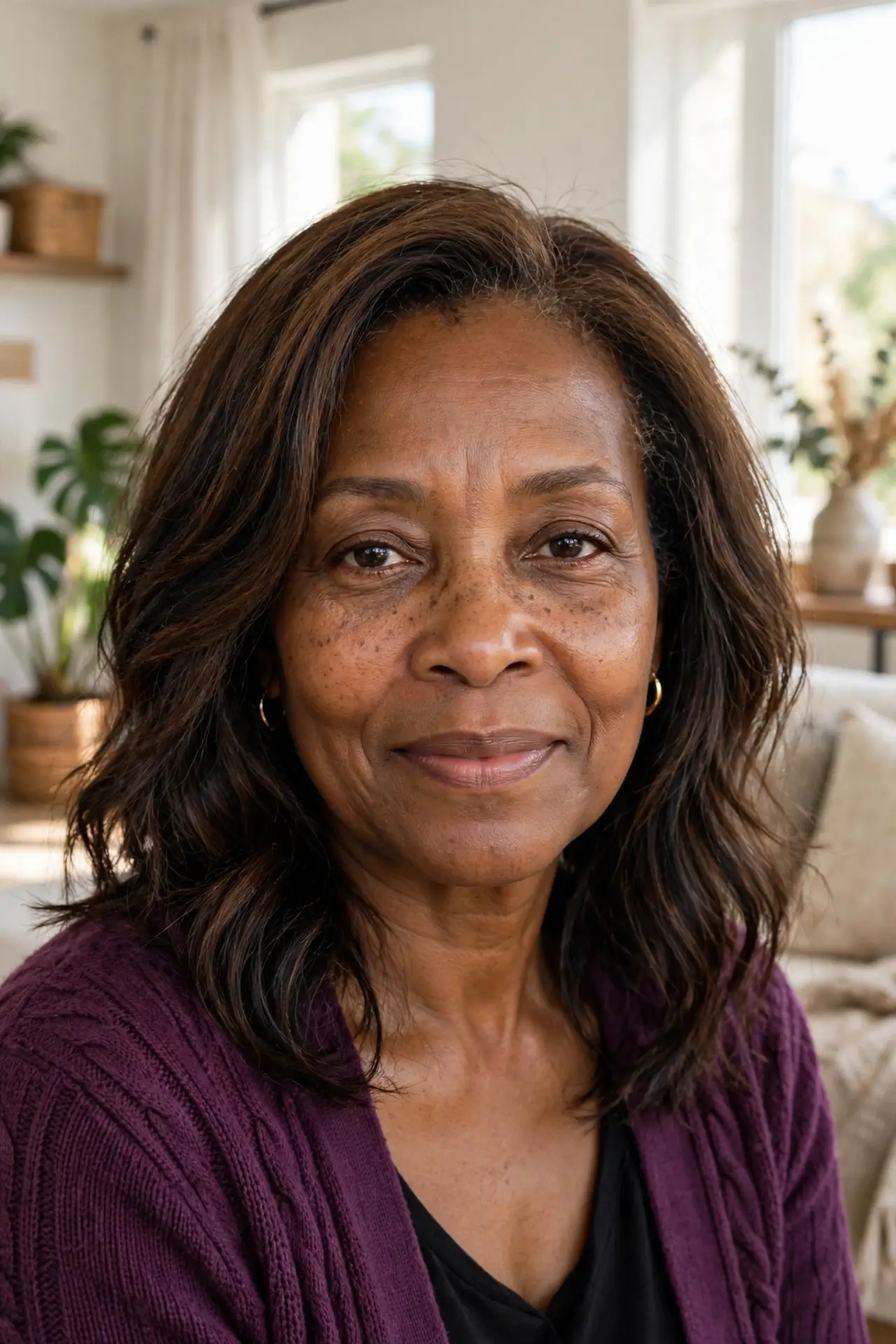
A gloss is color without commitment. The stylist brushes a sheer, demi-permanent tint over the hair, and it fades away over a few weeks.
The payoff is shine and tone, not a new shade. A gloss can cool down brass, warm up ash, or add a soft chocolate cast to brown hair.
Gloss suits anyone who wants to test a direction before committing. If the tone feels wrong, it washes out on its own.
Book a gloss between bigger color services. It refreshes faded ends and keeps the tone even while the base grows out.
5. Muted Brown
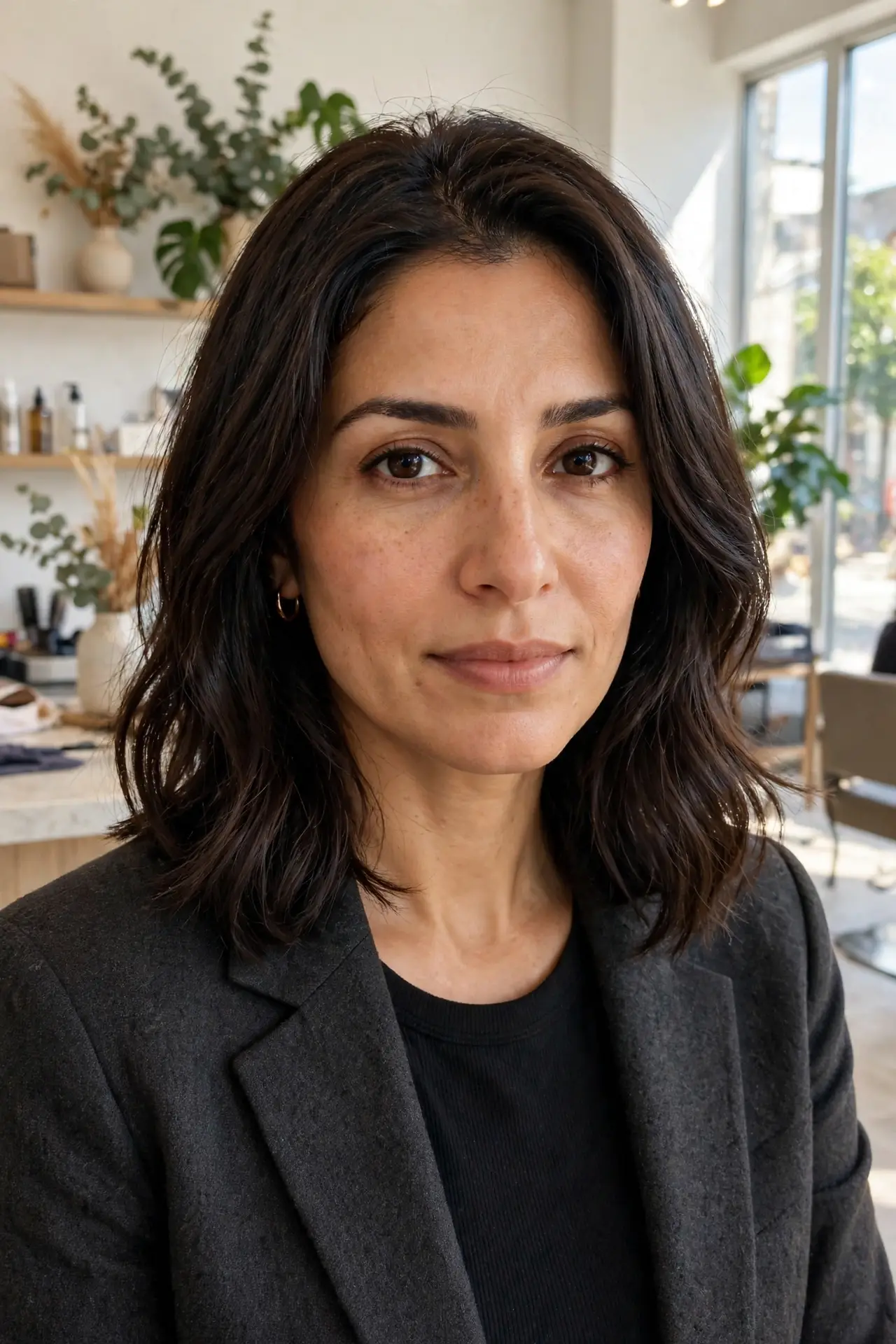
Muted brown is brown without the red glare. The tone leans cool and soft, closer to taupe than to chestnut, and it flatters skin that flushes easily.
The shade reads as natural because most undyed brown hair carries this same quiet tone. Nothing about it looks salon-made.
Subtle colored hair in a muted brown holds its tone well. Cool pigments fade slowly, so the color stays even for weeks.
Ask for a level close to the natural base. One level darker adds richness, while two levels darker starts to look like a dye job.
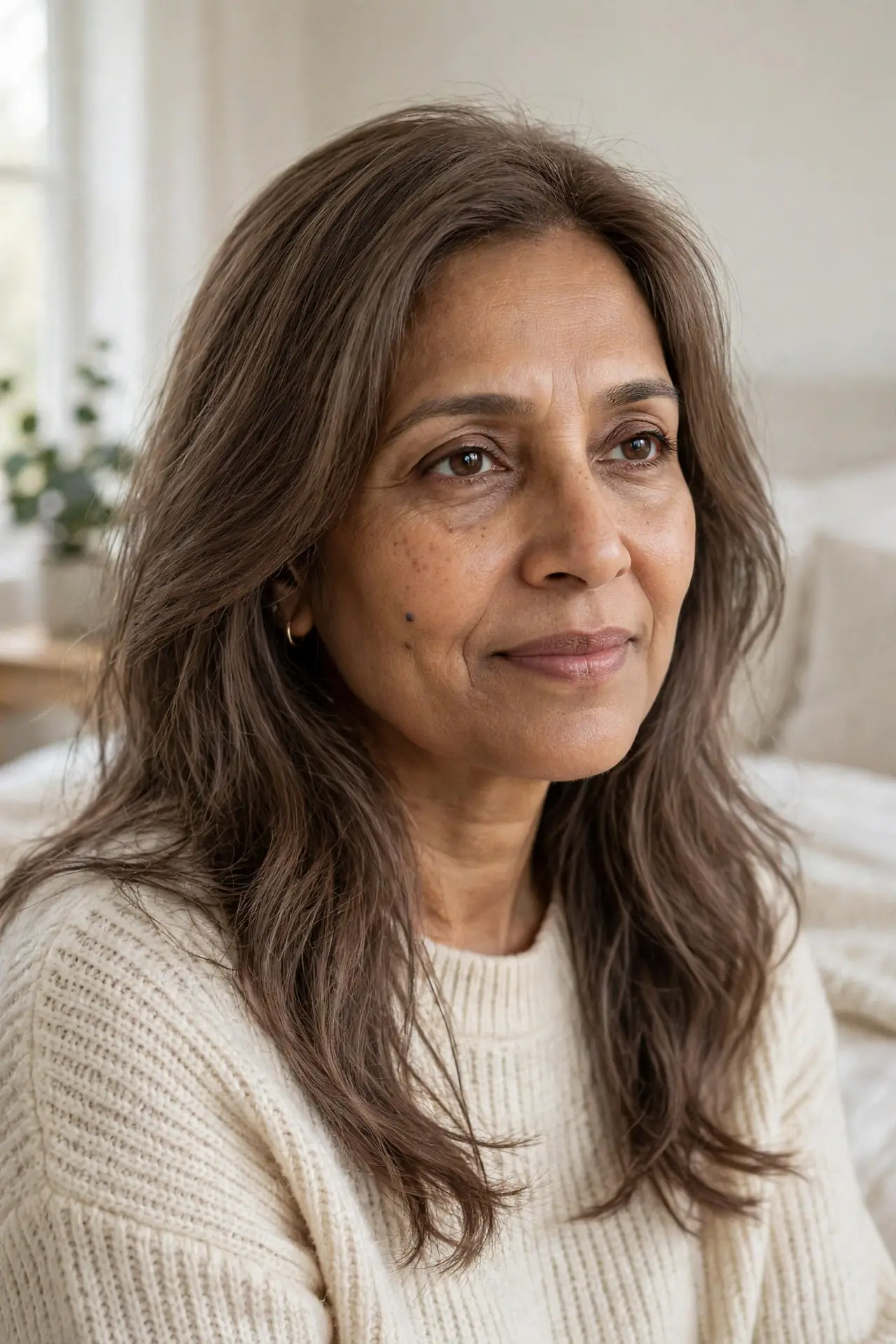
6. Soft Caramel
Caramel does not have to mean golden stripes. Painted as a soft wash through the mid-lengths, it warms brown hair the way late sun warms a room.
Placement matters more than shade here. A few caramel pieces around the face brighten the features, while caramel through the ends adds movement.
Keep the caramel one to two levels above the base. A wider gap turns the pieces into highlights, and the quiet effect is lost.
This idea suits dark brown hair best. The contrast stays gentle, and the grow-out blends without a line.
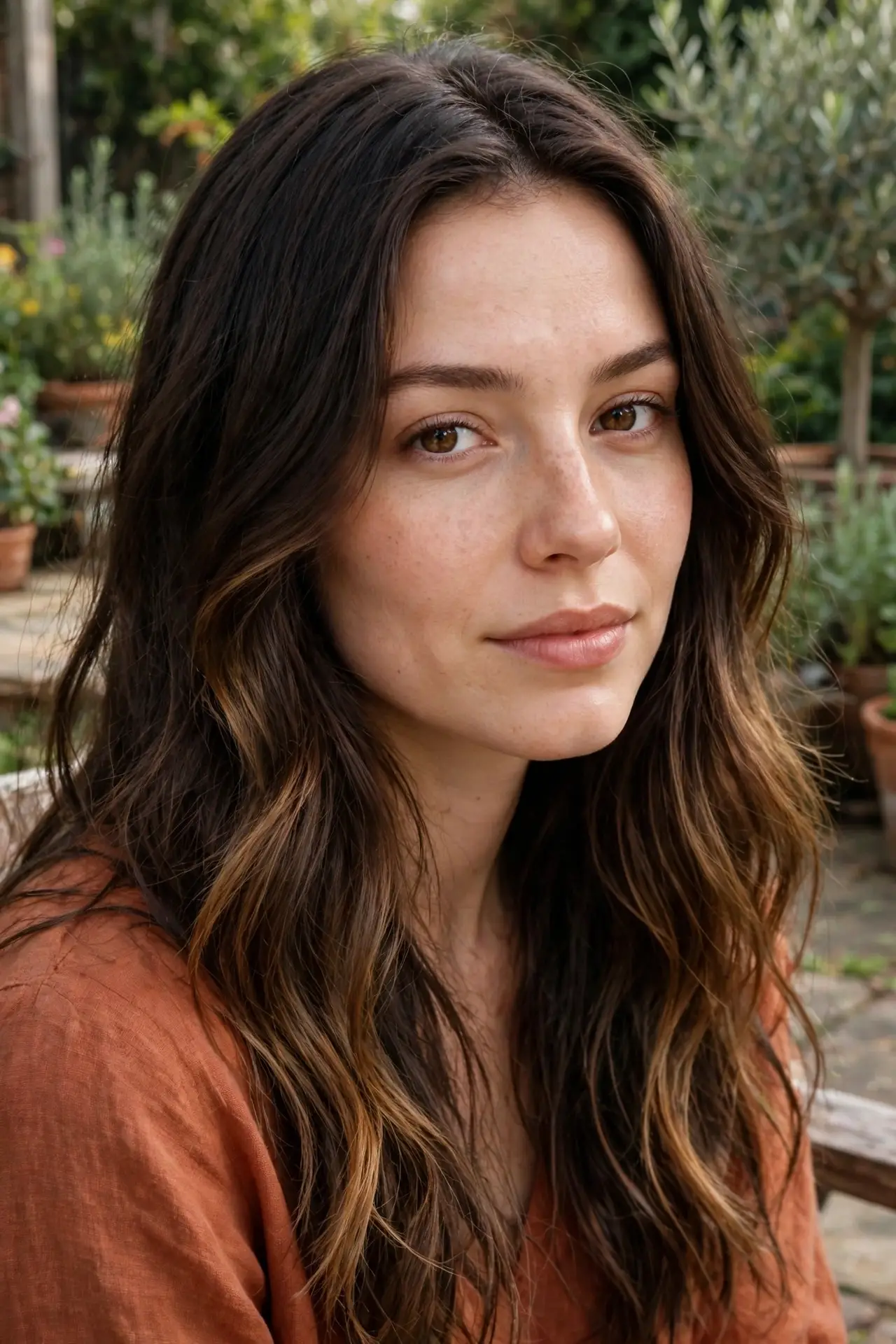
7. Dusty Blonde
Dusty blonde is blonde with the brightness turned down. The tone leans beige and soft, with none of the icy or golden glare that makes blonde look done.
The shade suits women who want lighter hair without the upkeep of a bright blonde. Roots blend in, and the grow-out stays polite.
Subtle colored hair in a dusty blonde needs a purple shampoo once a week. The shampoo keeps yellow tones from creeping in between salon visits.
Ask the stylist to keep the roots a touch deeper than the ends. A deeper root anchors the color and stretches the time between appointments.
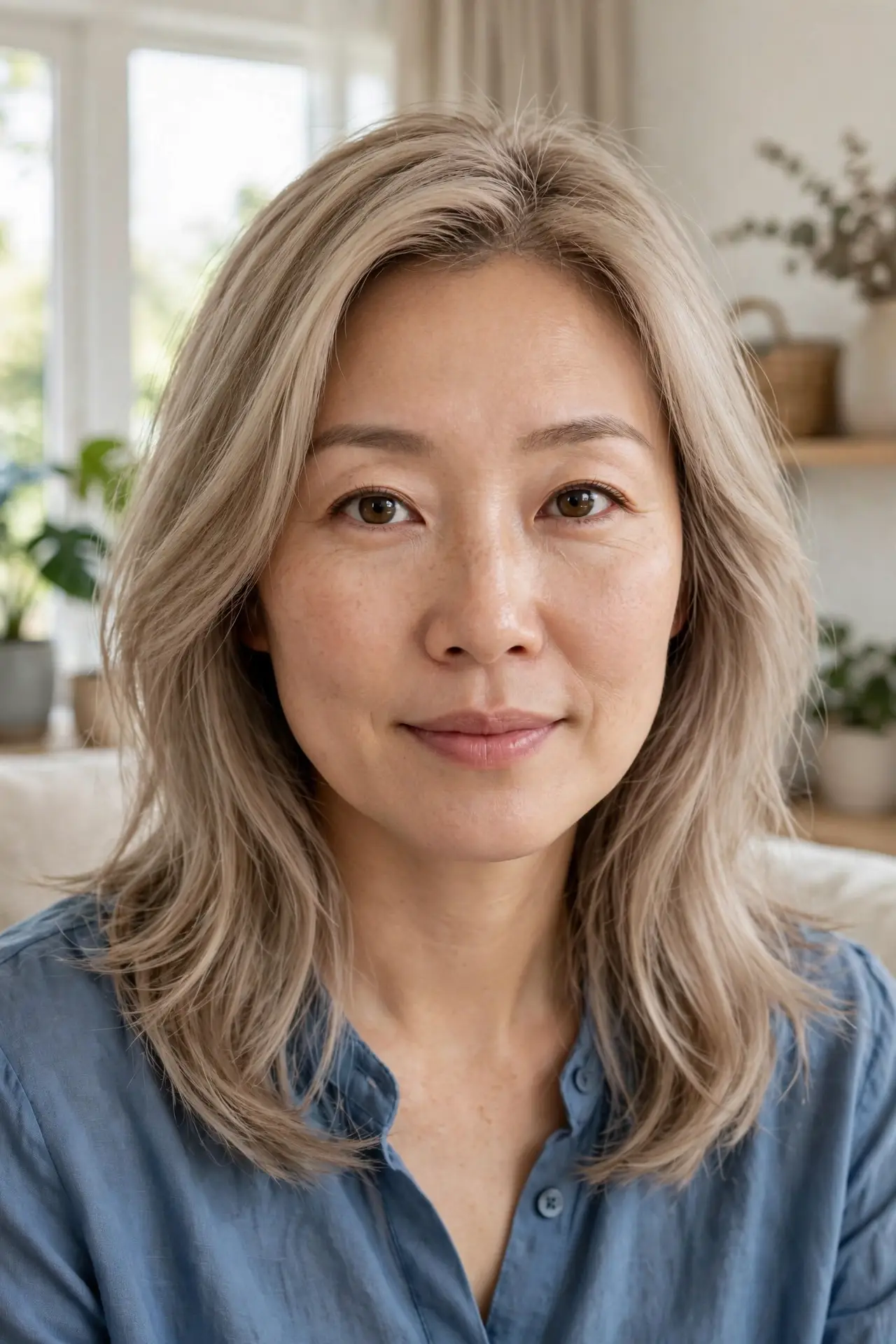
8. Subtle Copper Wash
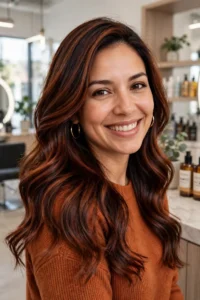
Copper sounds bold, but a wash of it reads as warmth rather than color. The stylist blends a small amount of copper tone into a brown or dark blonde base, and the result glows in sunlight.
Restraint is the whole idea. Too much copper turns the hair orange, while a light wash keeps it in the realm of natural warmth.
Warm skin tones carry this shade best. The copper picks up the warmth in the skin and makes the whole face look rested.
Ask for a demi-permanent copper gloss first. If the warmth suits, the stylist can build it up at the next visit.
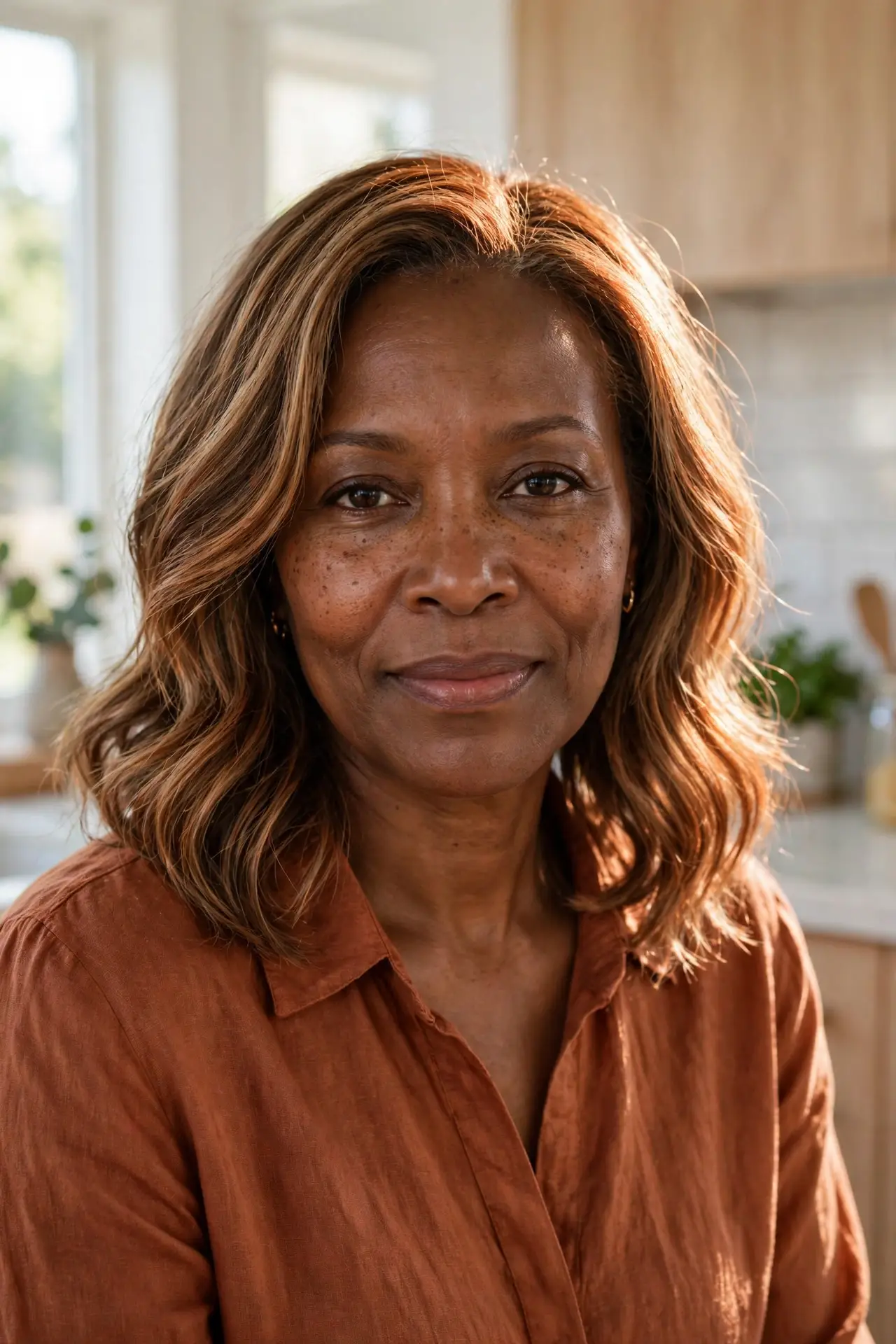
The Salon Visit for Subtle Color
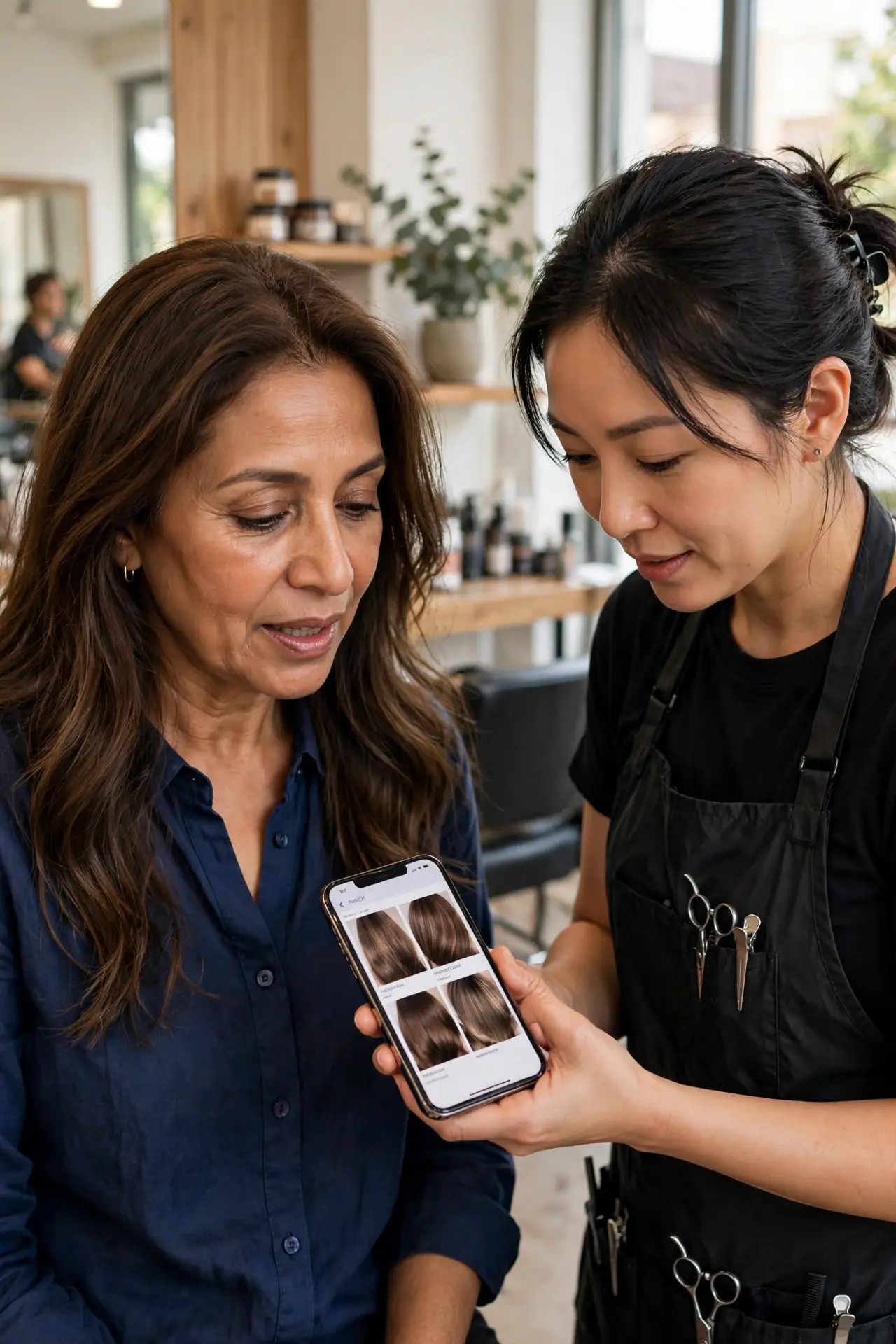
Subtle color needs a careful consultation. Bring two or three photos of hair that looks almost undyed, and tell the stylist which parts of each photo appeal to you.
A good stylist will ask about the natural base, the last color service, and how often the hair gets washed. Those answers shape the formula more than any photo can.
Expect the appointment to take less time than a full highlight service. Fewer pieces, softer lift, and a single process keep the visit short.
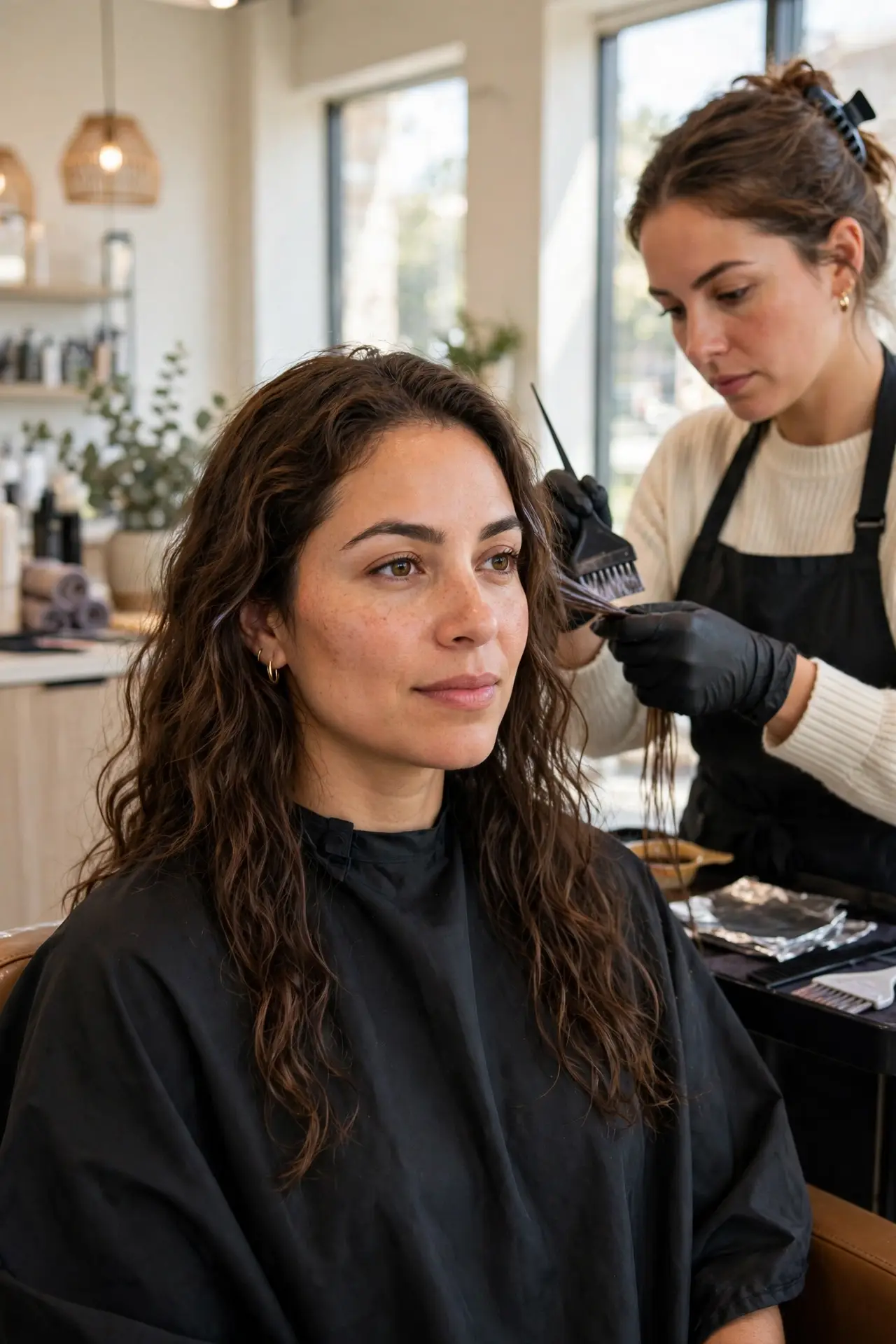
Keeping Subtle Color Fresh
Subtle color fades quietly, which is both its gift and its risk. The fade never looks harsh, so it is easy to miss the moment the tone goes flat.
A color-safe shampoo and cool water slow the fade. Hot water opens the cuticle and lets pigment slip out with every wash.
Subtle colored hair stays freshest with a gloss every six to eight weeks. The gloss restores tone and shine without restarting the whole color process.
Heat tools need a protectant spray. Flat irons and curling wands strip tone faster than anything else in the routine.
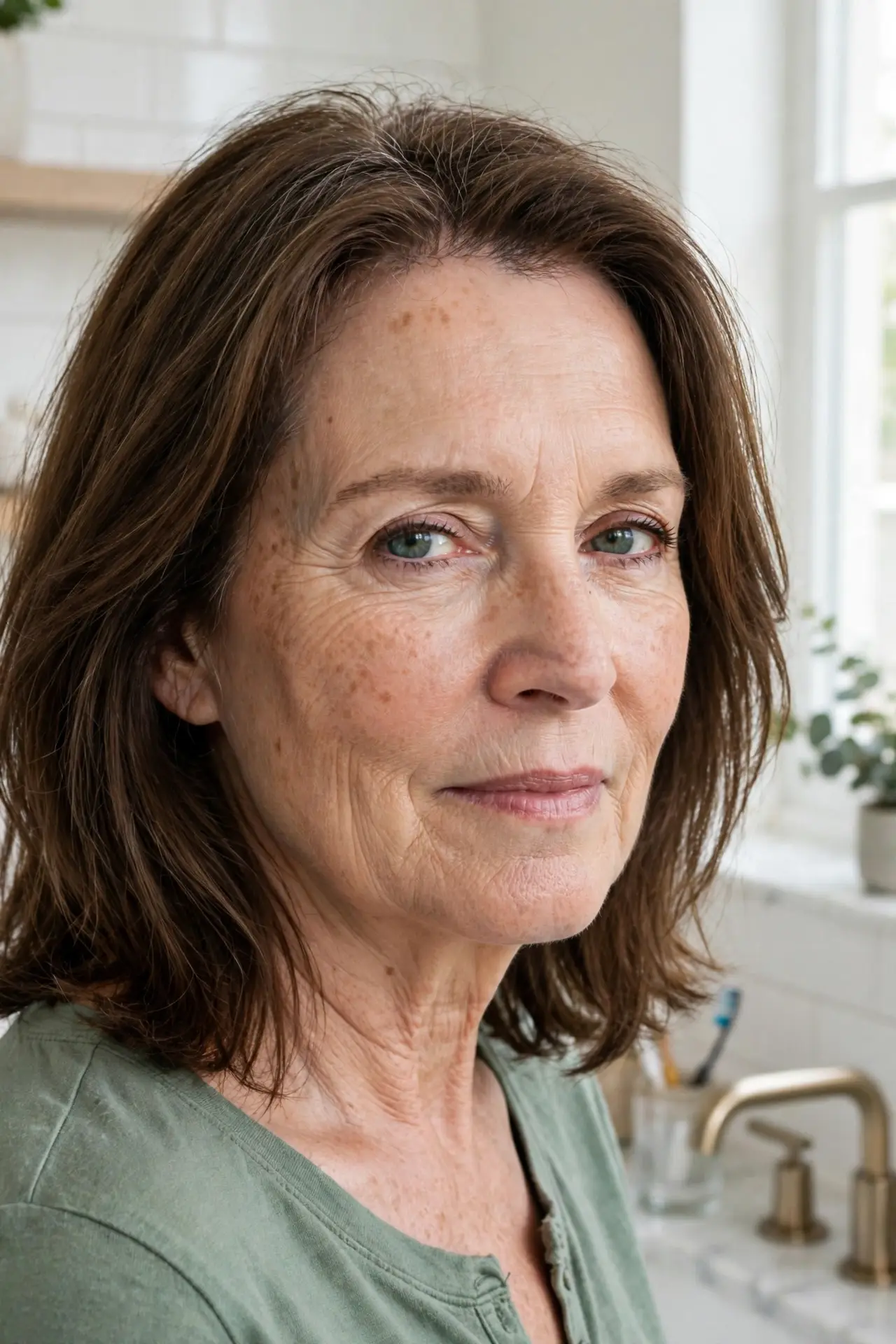
What to Ask Your Stylist
Start with the base, not the target. Ask the stylist how far the natural hair can move in one visit without damage.
Ask how the grow-out will look. A subtle service should grow out without a line, and the stylist should be able to describe the fade.
Ask about upkeep honestly. If the maintenance sounds like more than the routine allows, a gloss or lowlights may fit better than balayage.
If shedding or breakage is a worry, the American Academy of Dermatology hair loss page explains the common causes and when to seek advice. For gentle washing and everyday care, the American Academy of Dermatology healthy hair tips offer sound guidance.
For a bolder version of painted color, our balayage hair brunette guide covers the fuller technique. For a lived-in finish that grows out softly, our lived-in brunette hair guide covers the relaxed approach. For cool, muted brown tones, our mushroom brown hair guide covers the ashy end of the range.
Quick Answers
What is subtle colored hair?
Color that sits close to the natural base, with soft dimension and a grow-out that shows no line. It looks like hair that could have grown that way.
How long does subtle color last?
Most subtle services hold tone for six to eight weeks, with a gloss refresh in between. The fade stays soft, so there is never a harsh root line.
Will subtle color suit dark hair?
Yes. Lowlights, a soft caramel wash, and a tonal gloss all add dimension to dark hair without lifting it several levels.
How much upkeep does subtle color need?
Less than bold color. A gloss every six to eight weeks, color-safe shampoo, and cool water keep the tone even.
Pick one quiet idea, show your stylist two photos, and subtle colored hair becomes a simple decision. The best color is the one nobody can quite place, and that is exactly the point.