Age-Appropriate Hairstyles: The Flattering, Confidence-Boosting Guide for Every Decade
From your 30s to your 60s and beyond — the cuts, colors, and styling tricks that work with your hair, not against it.
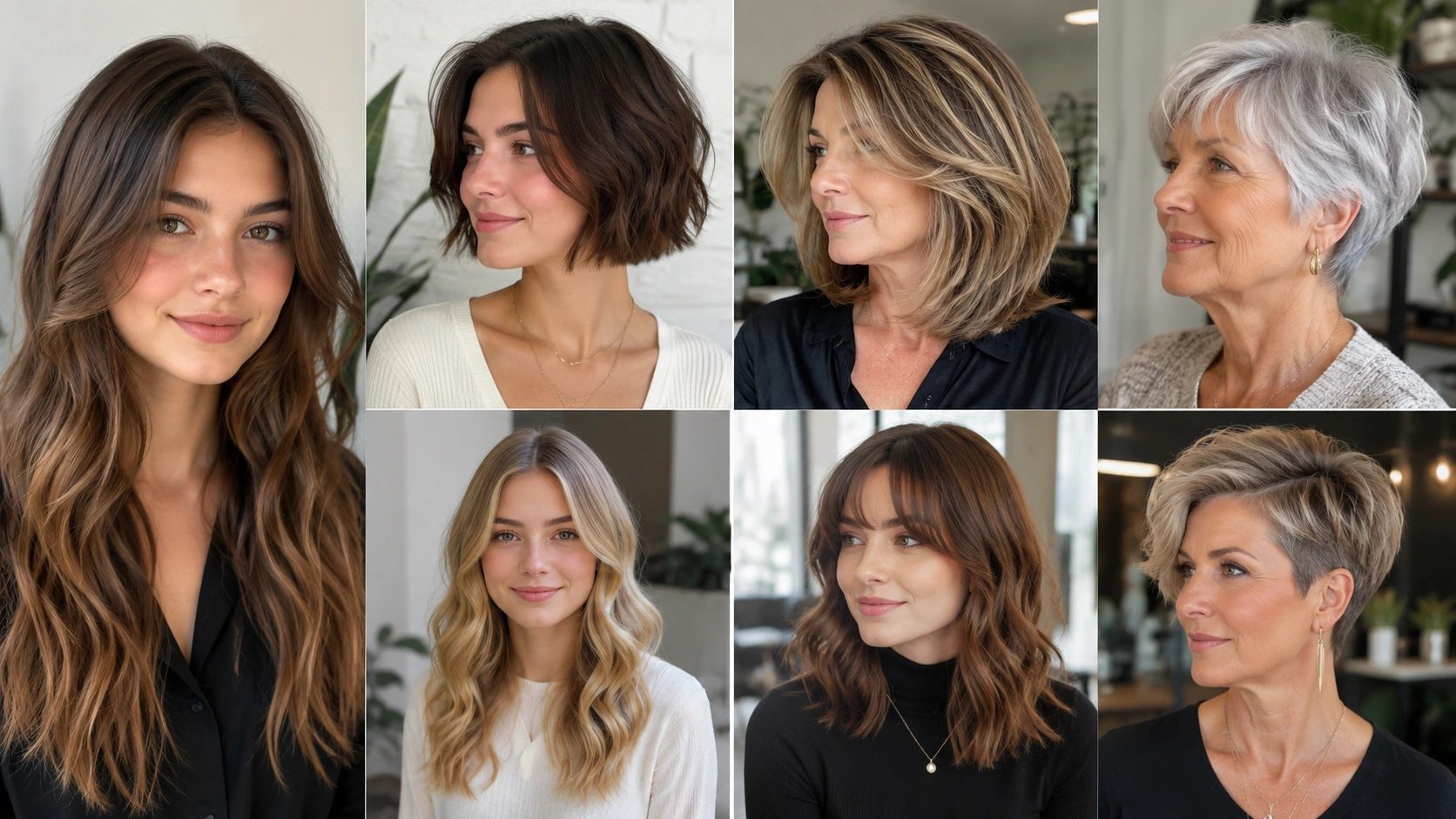
If you’ve ever stood in front of the mirror wondering whether your hair is aging you — you’re not alone. Age-appropriate doesn’t mean playing it safe.
It means choosing cuts, colors, and styles that work with your changing hair texture, face shape, and lifestyle, so you look like the best, most current version of yourself at every stage. This guide breaks down the most flattering age-appropriate hairstyles by decade, hair type, and maintenance level — so you can walk into your next salon appointment (or your next Pinterest board) with real confidence.
What Makes a Hairstyle “Age-Appropriate,” Really?
Let’s clear this up first: age-appropriate hair isn’t about avoiding certain lengths or colors because of a number. It’s about working with what your hair is actually doing now — texture changes, thinning, graying, dryness — instead of fighting it with a cut or color that suited you fifteen years ago.
- Movement beats flatness. Layers, texture, and soft shaping almost always read as more youthful than one blunt, heavy length.
- Face-framing pieces lift instantly. Soft layers around the face brighten your features without a full cut.
- The right color does more than the right cut. Warmth near the face — soft caramel or golden tones — can be more flattering than a drastic style change.
- Healthy shine reads as “current” more than length or color ever will.
Hairstyles for Your 30s: Refining Your Signature Look
Your 30s are often about refining, not reinventing. Hair may start showing the first signs of change — a little more dryness, maybe a few early greys — but this is usually the decade of elevated versions of what already works.
- A long layered lob for effortless, low-fuss movement
- Curtain bangs for a face-framing refresh without commitment
- Subtle balayage to add dimension without a full color overhaul
- A glossy, blunt bob if you want a bolder, more editorial statement
Avoid: overly severe, one-length styles that can read flat under office or event lighting.
Hairstyles for Your 40s: Adding Dimension and Ease
In your 40s, hair often starts to feel a little different — slightly less dense, maybe a touch more texture-resistant. This is the decade to lean into layers and lived-in color.
- Long layers with face-framing pieces — endlessly flattering and easy to style
- Shaggy or textured lobs for built-in volume
- Grey blending — soft lowlights that camouflage regrowth if you’re grey-adjacent but not ready to go fully grey
- Soft side-swept bangs to lift and open up the face
Ask your colorist for “money piece” highlights around the face — they brighten your complexion in every photo, not just in person.
Hairstyles for Your 50s: Volume, Texture & Confidence
This is often the decade women say they feel most like experimenting — and for good reason. Textured, shorter, and mid-length cuts tend to photograph beautifully and require less daily effort than long, heavy hair.
- A textured bob — the single most requested cut for women over 50: it adds fullness, frames the jaw, and looks polished with minimal styling
- A pixie cut for those ready to fully embrace low-maintenance, high-impact style
- A shaggy lob with soft, piece-y layers for movement without committing to short hair
- Lighter tones near the face — brightness here does more for a youthful glow than an all-over dye job
If your hair has thinned, shorter and layered cuts almost always outperform long hair for the illusion of fullness — length adds weight that pulls hair flatter against the scalp.
Hairstyles for Your 60s and Beyond: Effortless Elegance
Your 60s+ is often about a style that photographs well, feels you, and takes minutes — not an hour — to maintain. This doesn’t mean short hair is mandatory; it means choosing cuts that flatter without demanding constant upkeep.
- A classic textured crop for maximum ease and a fresh, current look
- A soft, chin-length bob with rounded ends for a polished, gentle finish
- Fully embracing grey or silver with a glossy, well-conditioned finish — it reads as intentional and elegant, not aging, when healthy and shiny
- Face-framing layers kept slightly longer at the front for softness
By Hair Concern: Finding Your Style Beyond Just Age
Age is one factor — but hair type and concern often matter more when choosing a flattering cut.
- Shorter to medium lengths with blunt-ish layers — too many wispy layers can look sparse
- Ask for a “root lift” blow-dry technique at your next appointment
- A gloss treatment every 6–8 weeks keeps grey looking silvery rather than dull or yellow
- Purple-toned shampoo, used sparingly, helps maintain brightness
- Balayage over foils — it grows out softly with no harsh line
- A one-length lob that air-dries into shape with minimal product
Common Hesitations, Answered
Not if it has movement and texture. It’s flat, one-length styling that ages hair — not length itself.
The goal isn’t to look younger — it’s to look like the most polished, current version of yourself. Healthy texture and the right color placement do that far better than chasing a trend.
Yes. In fact, most of the cuts recommended for 50+ (textured bobs, shaggy layers, pixies) are specifically chosen because they create the illusion of fullness.
Final Thoughts: Your Hair, Your Confidence, Every Decade
The best age-appropriate hairstyle isn’t the one that follows a rule about your birthday — it’s the one that makes getting ready each morning feel easy and makes you feel like you, just the most confident version. Whether that’s a glossy bob at 35, textured layers at 50, or a silver crop at 65, the goal is always the same: hair that works with your life, your texture, and your face — not against it.
Don’t Lose This Guide