Cornrows have this funny way of showing up everywhere red carpets, school pickup lines, festival crowds, gym locker rooms and somehow looking right every single time. That’s not an accident. Cornrow hairstyles work because they’re one of the few braid techniques that flex to fit almost any hair length, any face shape, and any occasion you throw at them.
Quick answer: Cornrow hairstyles are braids created by feeding hair into the scalp in tight, raised rows, and they suit nearly every hair length and texture from buzzed cuts to waist length hair with variations like feed in braids, cornrow updos, half up styles, and cornrows with beads or curly ends offering options for both everyday wear and special occasions.
If you’ve been scrolling for hours trying to figure out which cornrow hairstyle actually fits your hair and your life ,not just your Pinterest board, here’s what actually matters, section by section.
What Cornrow Hairstyles Actually Are
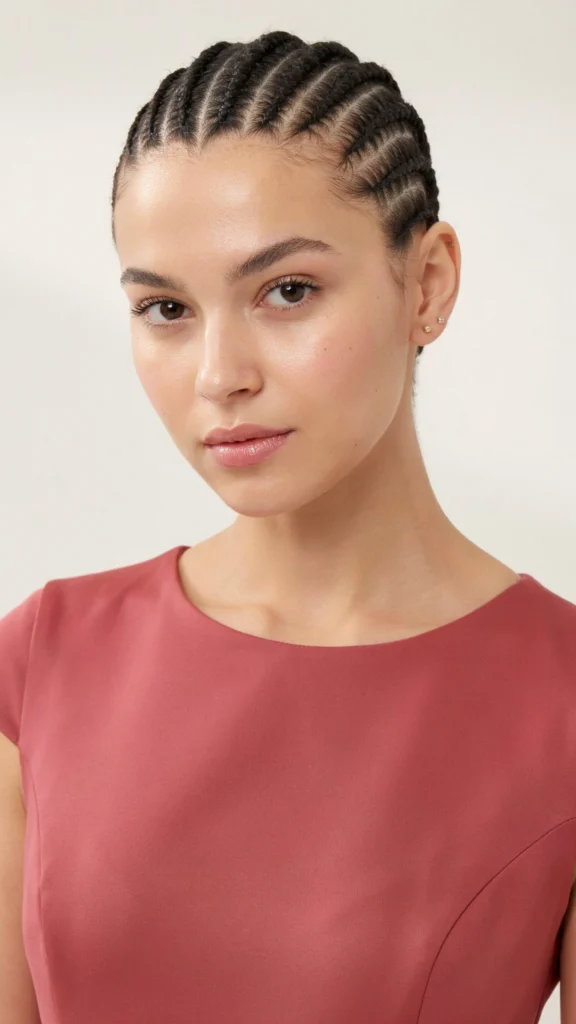
Cornrows are created by braiding hair close to the scalp, feeding in small sections as you go so the braid sits flat and raised instead of hanging loose. The name comes from the resemblance to rows planted in a field, and the technique itself is centuries old, passed down and reinvented across generations.
What makes cornrow hairstyles so versatile today isn’t just the braid itself it’s everything you can do with it. Straight back rows, curved designs, zigzags, geometric patterns, cornrows that feed into a bun, cornrows left loose at the ends. The base technique stays the same. The styling possibilities don’t.
Who Cornrows Suit Best
Cornrows genuinely work on most hair types, which is part of why they’ve stayed popular for so long. That said, a few things affect how a style will look and how long it’ll last.
Coarser, tightly coiled hair tends to hold cornrow patterns the longest with the least frizz. Finer or looser textured hair can absolutely be cornrowed too, but the rows may loosen faster, especially around the hairline. Extensions feed in braids solve a lot of this by adding length and thickness that natural hair alone might not provide.
Cornrows are also a solid protective style choice for anyone growing out their hair or recovering from heat or color damage, since the ends stay tucked away rather than exposed to daily manipulation.
Cornrow Hairstyles by Hair Length
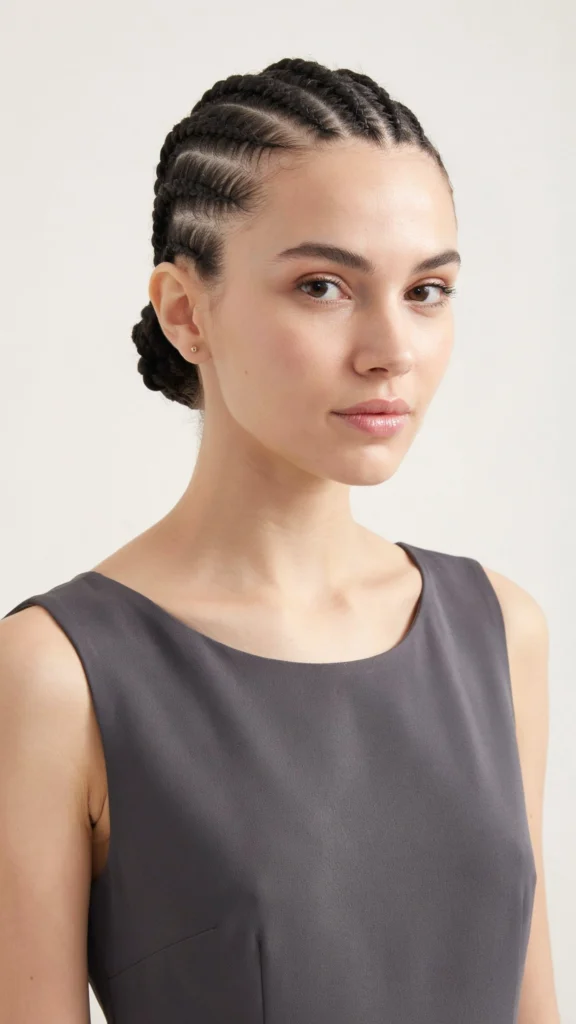
Short Hair Cornrows
Short hair think chin length or shorter, including buzzed or TWA ,teeny weeny afro, lengths can absolutely be cornrowed, though the options are more compact. Straight back cornrows or a few curved rows toward the nape tend to work best on shorter hair, since there’s less length to create dramatic patterns. Feed in extensions are especially popular here, since they let you add length and design flexibility that short natural hair can’t offer on its own.
Medium Length Cornrow Styles
This is where cornrows really open up. Medium hair shoulder length ish, has enough length for half up cornrow styles, cornrows that transition into a low bun, or a mix of cornrows on top with the rest left out or in twists. It’s a great length for trying pattern variety without committing to a full head of intricate designs.
Long Hair Cornrow Looks
Long hair gives you the most design real estate. Full-head geometric patterns, cornrows that curve into elaborate updos, waist length feed in braids with cornrowed roots this is the length where cornrows become genuinely artistic. It’s also where maintenance time goes up the most, so it’s worth being realistic about how long you’re willing to sit for a style.
Cornrow Ideas for Different Occasions
Everyday and work-appropriate: Simple straight-back cornrows, a low cornrow bun, or a half up style with the rest loose. Clean, low maintenance, easy to sleep on.
Special occasions and events: This is where beads, gold cuffs, curved patterns, and cornrows styled into an intricate updo come in. A style with cornrows leading into a sleek bun or a curly ponytail reads polished without looking overdone.
Festival and summer styles: Cornrows with colorful beads, cornrows paired with loose curly ends, or bold geometric patterns tend to photograph beautifully and hold up in heat and humidity far better than most other styles.
Active lifestyle: Tight, close to the scalp straight back rows are the most practical option for regular gym goers or swimmers, since they stay secure and dry faster than looser styles.
Face Shape Considerations
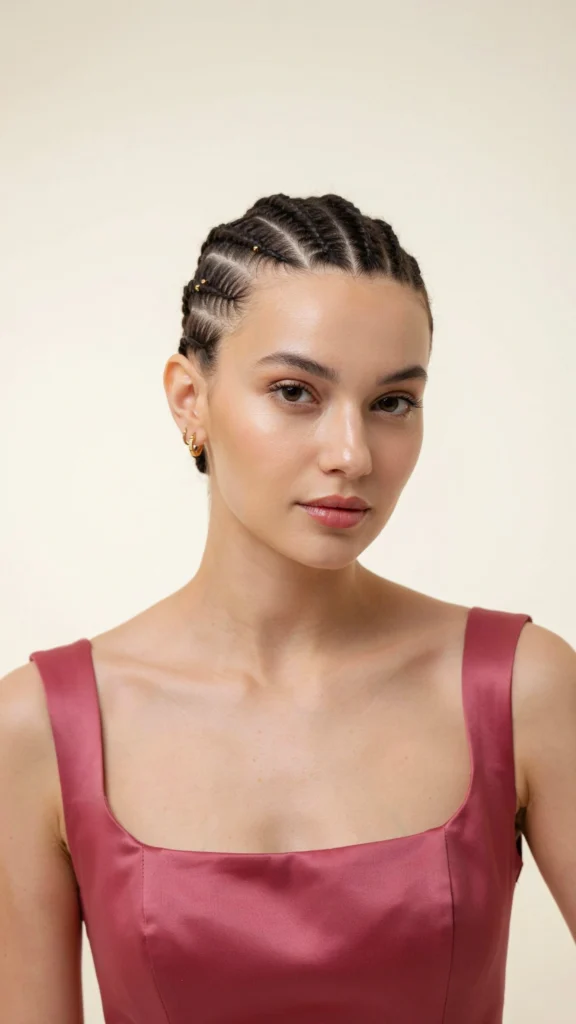
Cornrow patterns can genuinely change how a face reads, mostly through where the parts and curves sit.
- Round faces often benefit from cornrows with some height or volume at the crown, plus patterns that angle rather than sit perfectly straight back it elongates the face visually.
- Square or angular faces tend to look softer with curved or diagonal cornrow patterns rather than rigid straight lines.
- Oval and heart shaped faces have the most flexibility and can generally wear straight back, curved, or geometric cornrows equally well.
- Longer face shapes often look more balanced with cornrows that add width think patterns that fan outward toward the sides rather than pulling everything straight back and up.
None of this is a hard rule. It’s a starting point if you’re not sure where to begin.
Styling Tips That Make a Real Difference
A tighter braid at installation will always loosen slightly over the first few days that’s normal, not a sign of bad work. Many stylists recommend going in slightly tighter than what feels comfortable on day one, since it settles into a more natural tension within 24,48 hours.
Here’s a detail that doesn’t get mentioned enough: the direction you brush or comb hair before braiding actually affects how smooth the finished row looks. Sectioning against the natural growth pattern instead of with it tends to create small bumps along the part line that show up more in photos than in person.
For shine without buildup, a light oil applied to the scalp with fingertips not the length of the braid tends to work better than heavier products, which can attract dust and cause itching, especially in humid climates.
If you’re adding beads or accessories, lighter materials near the front hairline and heavier ones toward the back help the style sit more evenly and reduce strain on the edges.
Maintenance Realities Nobody Tells You
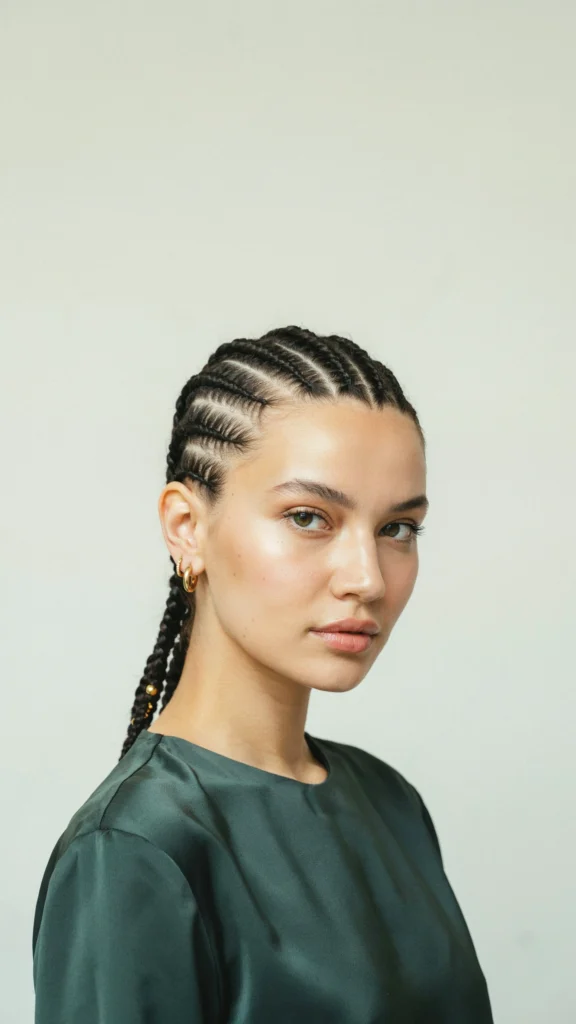
Cornrows are often marketed as “low maintenance,” and in some ways they are no daily styling required. But there’s upkeep most people don’t plan for.
Edges need attention. The hairline area is under the most tension and tends to show frizz or flyaways first, usually within the first week. A light edge brush and a small amount of gel or edge control can extend how polished the front looks without redoing the whole style.
Scalp care doesn’t stop just because hair is braided. In fact, it matters more. A dry, flaky, or itchy scalp under cornrows is common, especially two to three weeks in, and a lightweight, water-based scalp oil or spray can help without weighing the braids down.
Sleep matters more than people expect. A satin or silk bonnet or pillowcase reduces friction significantly compared to cotton, which can be the difference between a style lasting two weeks versus four.
Here’s the myth worth pushing back on: cornrows do not need to feel painfully tight to “last.” A well installed cornrow should feel snug, not like your scalp is being pulled. Persistent pain, tension headaches, or small bumps along the hairline are signs the style is too tight not signs it’s being done “correctly.” Tight isn’t the same as long lasting, and pulling too hard is one of the more preventable causes of hairline thinning over time.
Common Cornrow Mistakes to Avoid
- Skipping scalp prep. Going in with product buildup or a dry scalp makes parting harder and can lead to uneven rows.
- Ignoring the first few days of tension. Some tightness right after installation is normal, but sharp pain that doesn’t ease up within a day or two usually means the style needs to be adjusted.
- Overloading with heavy products. Thick creams or butters along the length of the braid tend to attract lint and cause frizz faster than they prevent it.
- Taking styles down too roughly. Rushing the takedown process, especially with extensions, causes far more breakage than the actual wear period does.
- Wearing one style too long without a break. Even protective styles need scalp rest between installs many stylists suggest giving natural hair a short breather between longer term cornrow styles.
FAQs
How long do cornrow hairstyles typically last?
Most cornrow styles last anywhere from one to six weeks depending on hair growth rate, style complexity, and how well the scalp and edges are maintained. Simpler, tighter styles on coarser hair tend to hold longer than looser styles on finer hair.
Do cornrows damage hair?
Cornrows themselves aren’t inherently damaging, but styles that are installed too tightly, left in too long, or taken down carelessly can contribute to hairline thinning and breakage over time. Proper tension and regular scalp breaks matter more than the style itself.
Can you wash your hair with cornrows in?
Yes many people use a diluted shampoo applied with an applicator bottle directly to the scalp, followed by a light rinse, to keep the scalp clean without unraveling the braids.
Are cornrows a protective style?
Generally, yes. Because the ends are tucked away and there’s less daily manipulation, cornrows are commonly used as a protective style for hair growth or recovery from damage.
What’s the difference between cornrows and feed-in braids?
Traditional cornrows use only natural hair, while feed in braids gradually add extensions into the row as you go, allowing for extra length and thickness without a bulky, obvious extension point at the root.