
Curls dry out faster than straight hair, frizz faster, and lose their shape faster, mostly because they get handled like straight hair. Curly hair care comes down to water: getting enough of it into the strand, keeping it there, and then leaving the curl alone while it dries.
Your pattern might be loose waves, springy ringlets, or something in between, and the details shift with each one. The weekly rhythm in our natural hair care routine still holds for curls. What changes is the technique at every step, and technique is where most routines quietly go wrong.

Table of Contents
Know What Your Curls Are Thirsty For
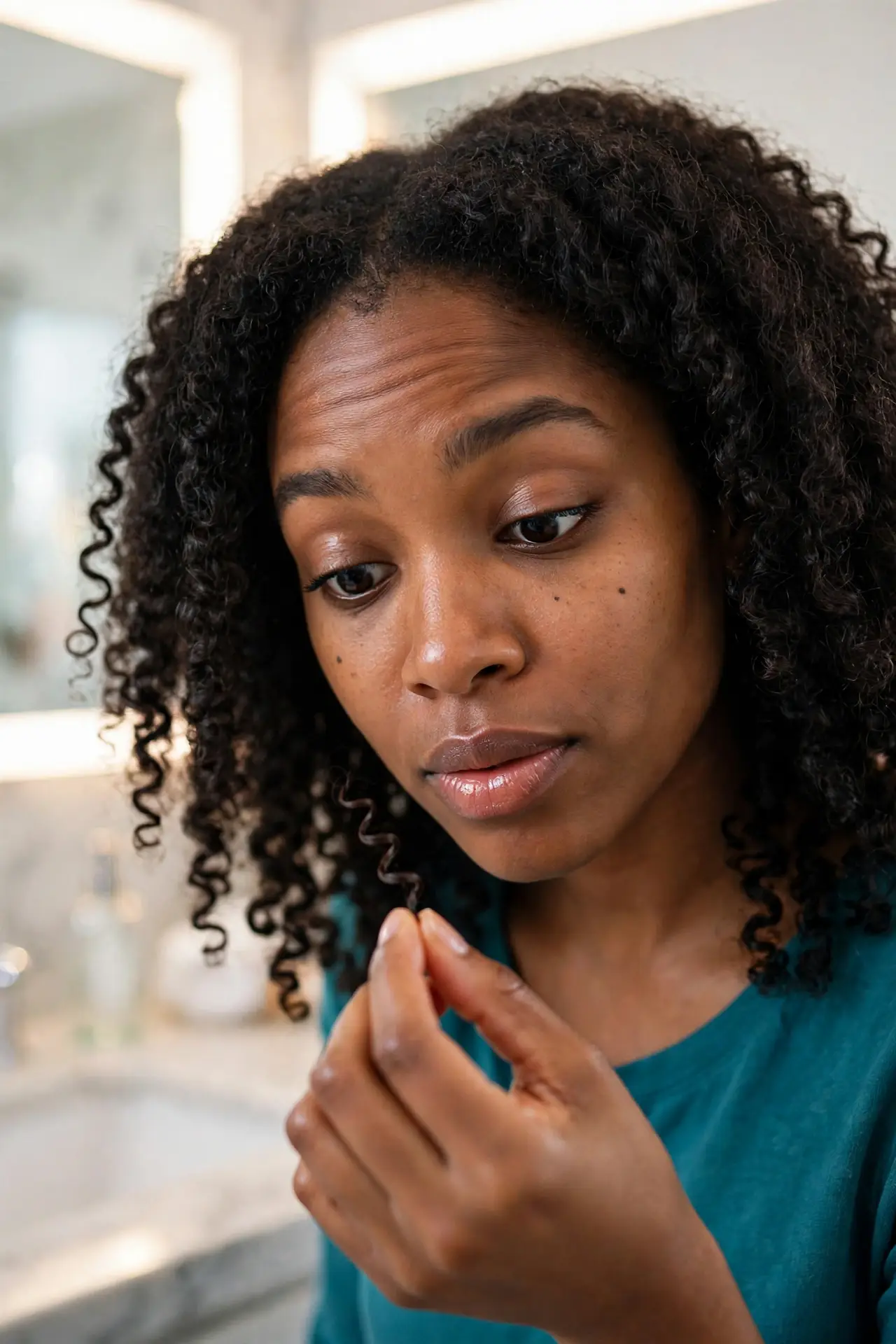
Oil from the scalp travels down a straight strand with no trouble. Along a spiral, it stalls at every turn, which is why curly ends so often feel dry while the roots feel fine. Moisture has to be added on purpose, and how much your hair can hold depends on porosity.
Spray a clean section with plain water and watch what happens. If the water beads up and sits on the surface, your hair resists absorbing moisture and needs warmth and time during conditioning. If it soaks in within seconds and dries just as fast, your hair takes water in easily and loses it the same way, so sealing matters more than soaking. That single test shapes most of curly hair care: what you buy, how long you condition, and how you lock it all in.
Wash Day, the Curly Way
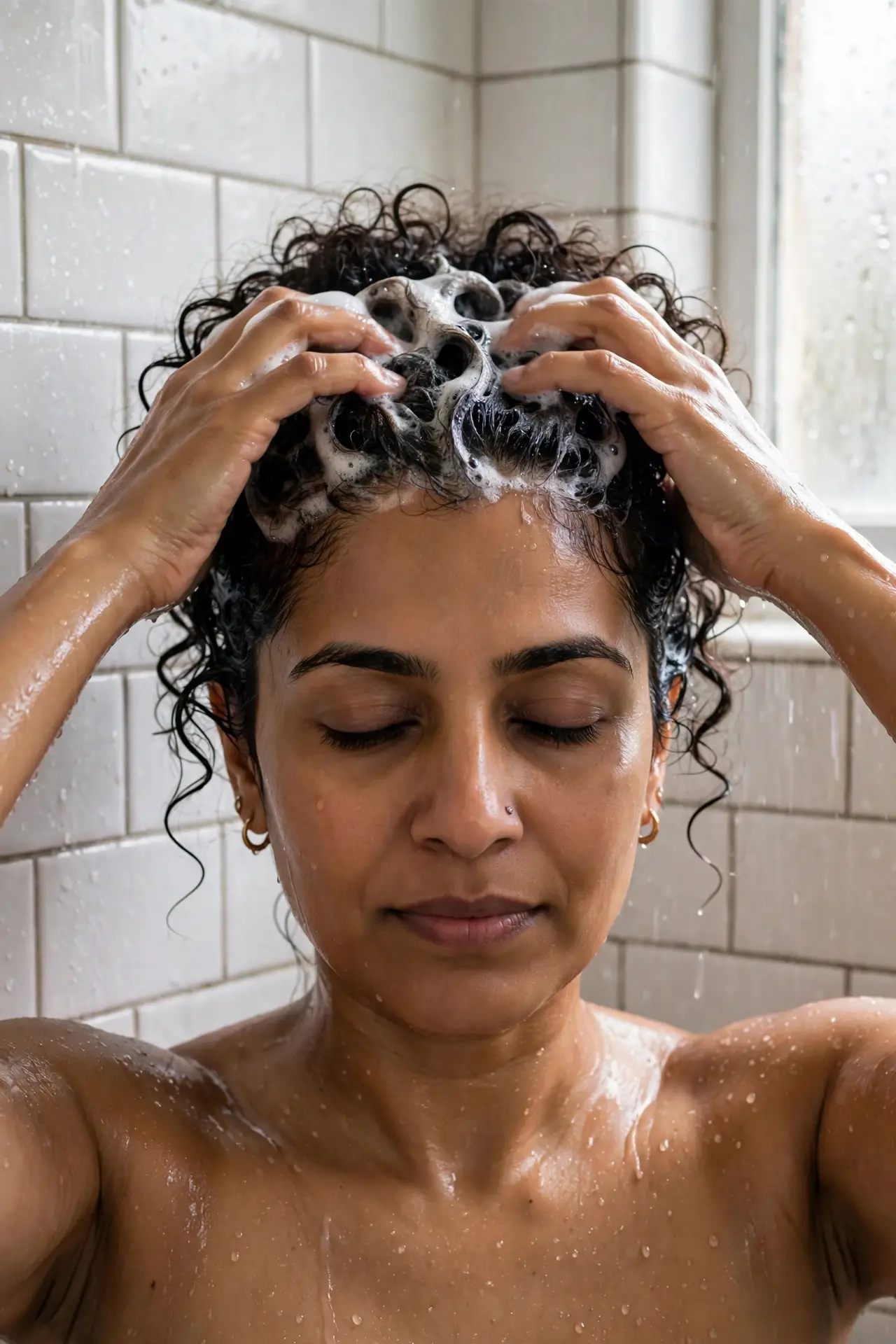
Shampoo belongs on the scalp, worked in with fingertips, not scrubbed through the lengths. The suds that rinse down are enough for the ends, and dragging cleanser through already dry curls only roughs them up further.
Many curly heads do well washing once a week, sometimes less. Between proper washes, rinsing and conditioning alone refreshes hair that is dry rather than dirty. When stylers and butters build up, hair turns dull and limp, and a clarifying wash resets it. Section thick hair into four loose parts for washing and tangles drop sharply, because curls behave better in smaller groups.
Conditioner Does the Heavy Lifting
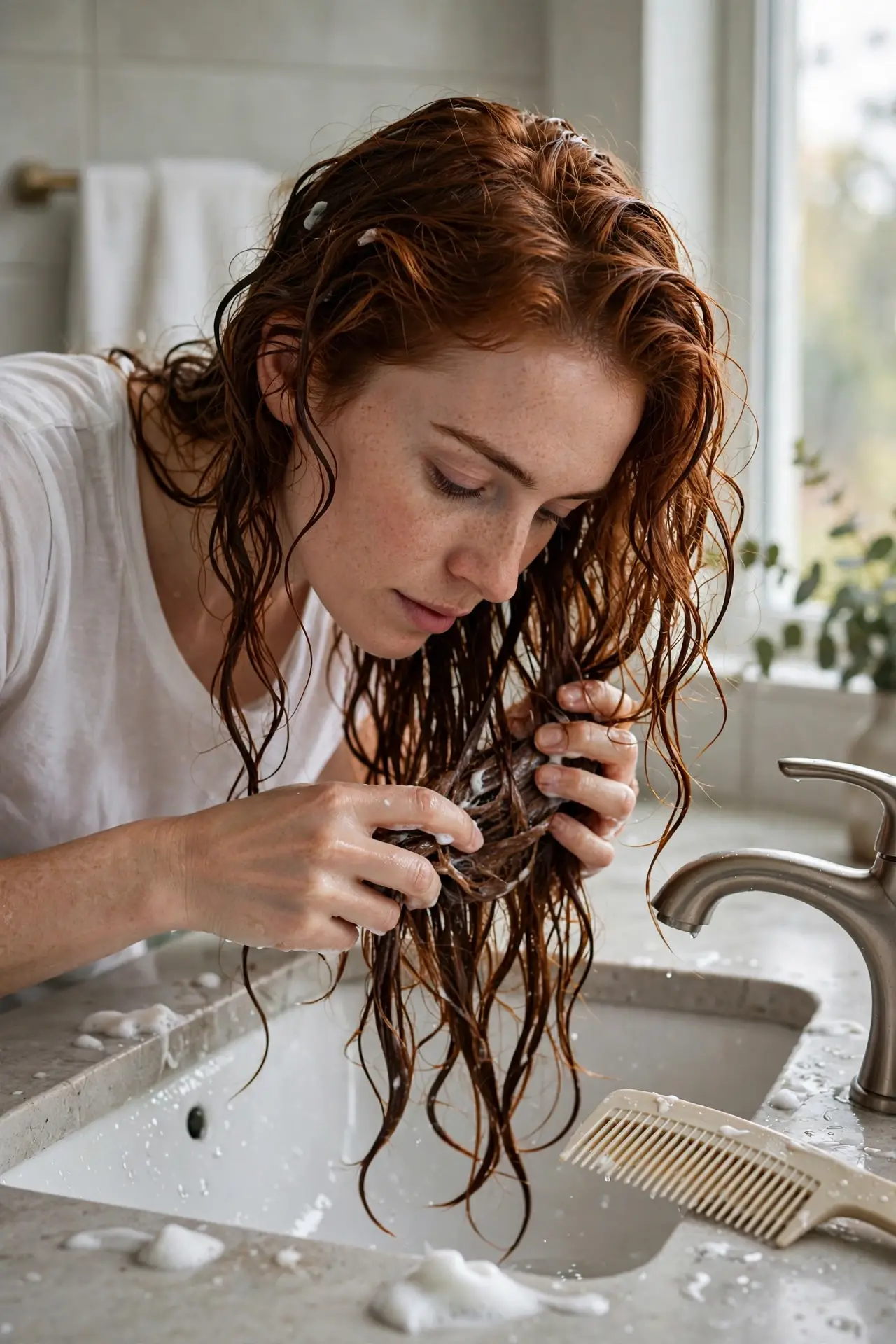
Detangling happens here, and only here: hair wet, loaded with conditioner, worked through gently with fingers first and a wide-tooth comb after. Start at the ends and move up in small passes. Dry detangling snaps curls and shatters the pattern before styling even starts.
Once a week, give conditioner more time. A deep conditioner left on for twenty minutes, ideally with a shower cap trapping a little warmth, reaches further than a two-minute rinse-out. Squish the mixture upward toward the scalp as you rinse, and leave a little in. Those squished-together clumps are tomorrow’s defined curls forming early.
Style It Wet, Not After
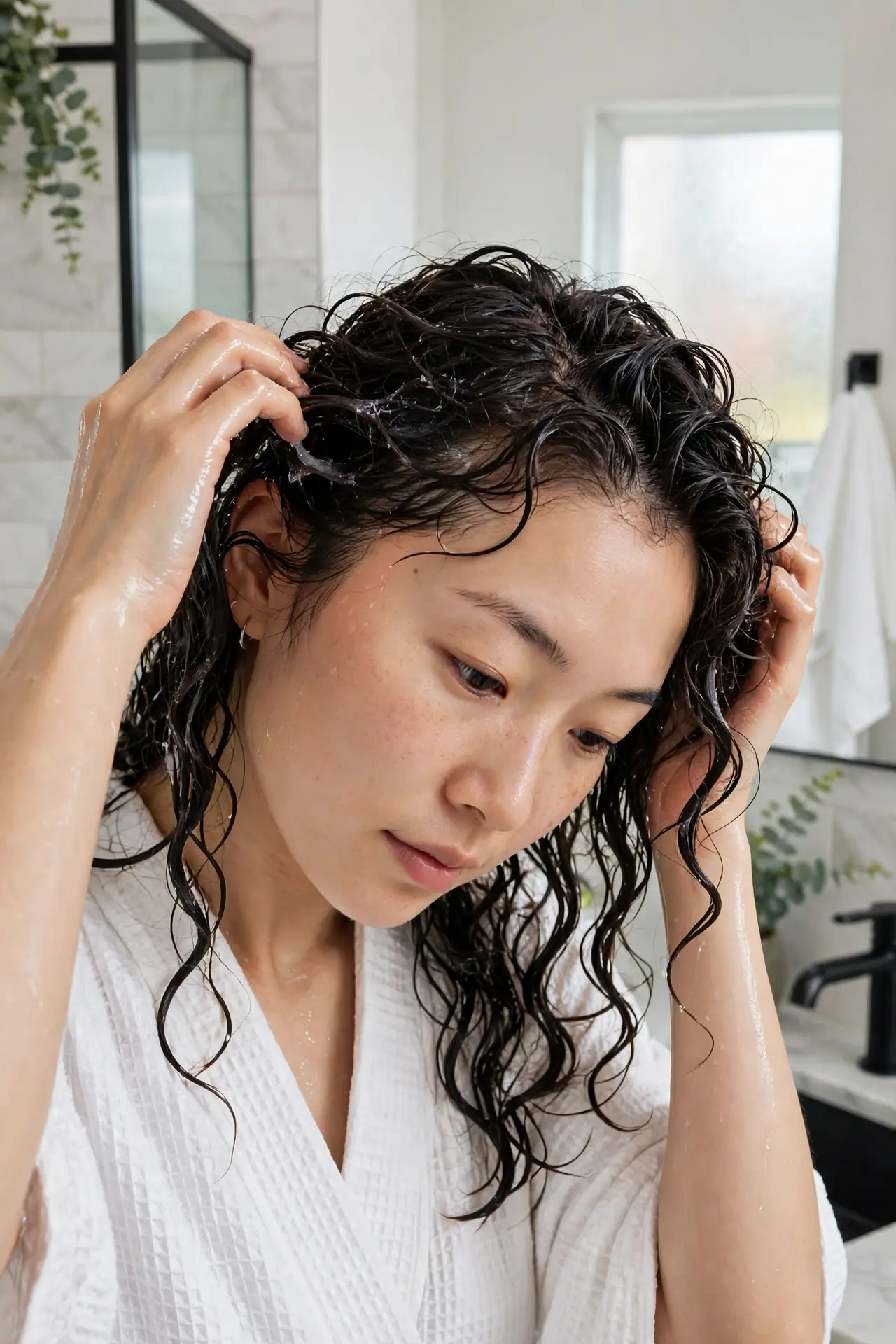
Curls clump best when they are soaking wet, so styling products go on in the shower or right at the sink, not ten minutes later on half-dry hair. Hair that has already started drying in separate strands will stay separate, and no amount of product persuades it back into ringlets.
Layer lightly: a leave-in for moisture, then a gel or mousse for hold. Fine waves usually want one product, not three, while denser curls can carry a cream under the gel. If a stiff cast forms as the hair dries, good. That cast is a mold. Once the hair is fully dry, scrunch it out with dry hands and the curls underneath stay soft.
Drying Without the Frizz Halo
Most frizz is decided during drying, not before it. Once your curls are styled, hands stay off until the hair is completely dry. Every touch mid-dry lifts the cuticle and breaks up clumps that were behaving.
Swap the terry towel for a smooth cotton t-shirt or a microfiber cloth, and scrunch water out instead of rubbing. Plopping the hair up into the t-shirt for fifteen minutes keeps curls stacked on top of the head while they set. A diffuser on low heat and low speed shortens the wait without blowing the pattern apart, and plain air works fine when the morning allows it.

Refreshing Day-Two and Day-Three Curls
A good wash day should buy you several mornings. Sleep with the hair piled loosely on top of your head, in what most curly girls call a pineapple, and the curls underneath escape being crushed flat. A satin pillowcase helps too, since cotton drinks moisture from hair and adds friction overnight.
In the morning, skip the full rewash. Steam from a hot shower revives more curls than expected. For the flattened spots, mist with water mixed with a drop of leave-in, smooth or scrunch that section back into shape, and let it dry untouched. Refresh curl by curl and the whole head reads as freshly styled.
Ingredients That Suit Curls
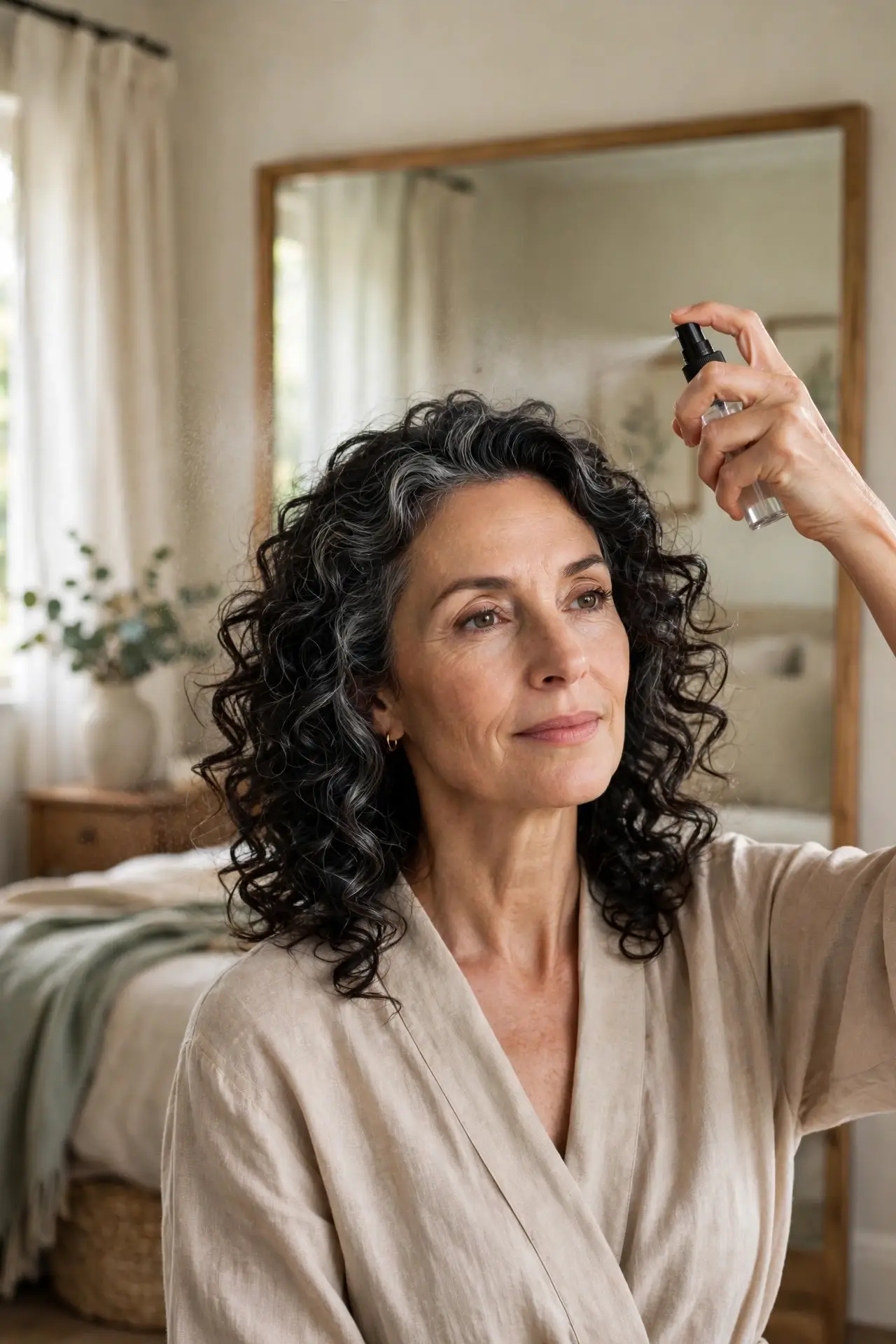
Humectants such as glycerin and aloe pull water toward the hair, which curls love in mild weather. In very dry air, though, the pull can reverse, so humectant-heavy stylers sometimes leave hair puffier in winter than in spring.
Heavy butters and oils seal well on dense, coarse curls and weigh loose waves straight down. Silicones are not villains, but the waterproof kinds build up unless your cleanser can remove them, and buildup disguises itself as dryness. The tightest coils can take the richest end of this shelf, and our 4c natural hair care guide goes deeper on caring for them.
Protein, Moisture and the Stretch Test
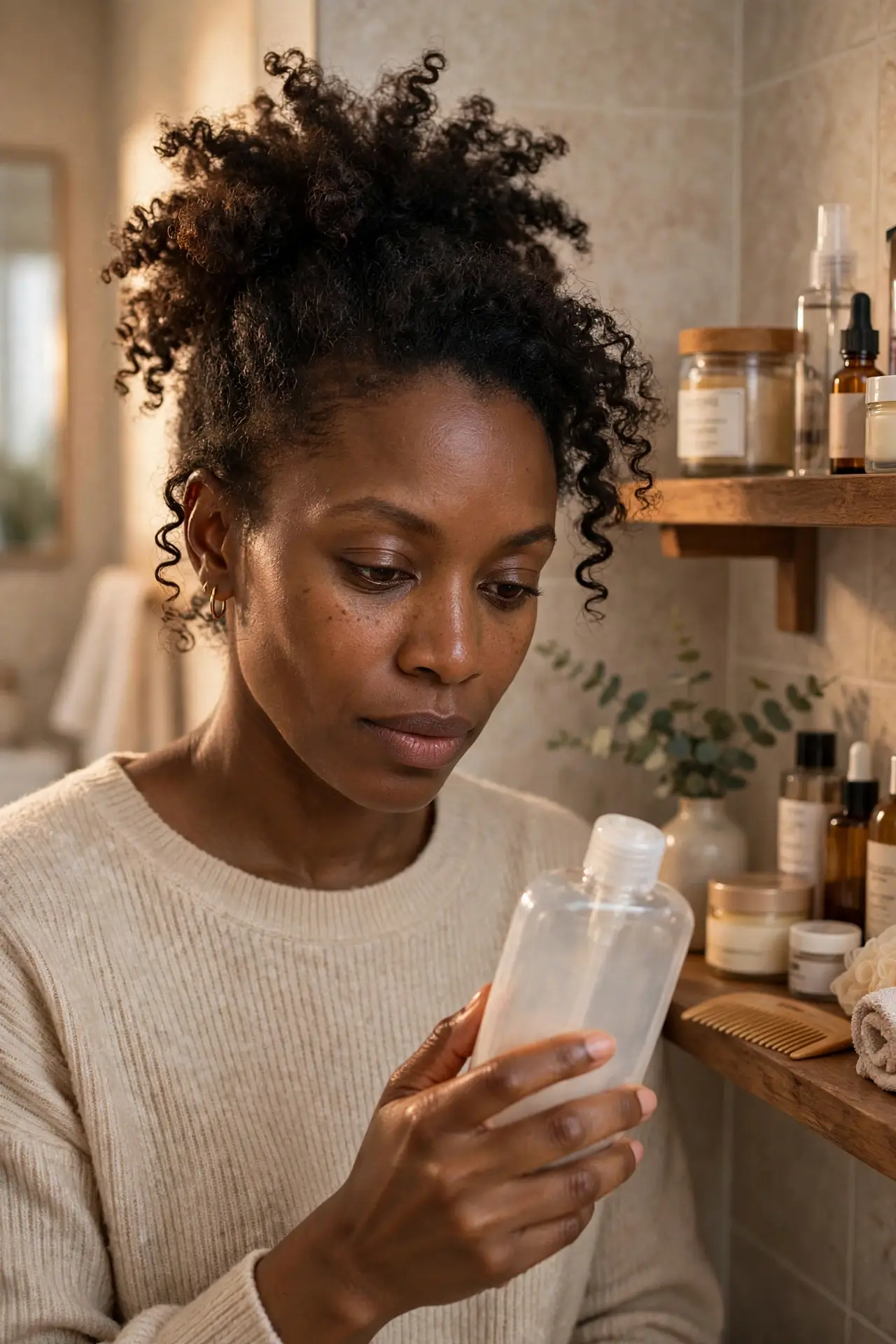
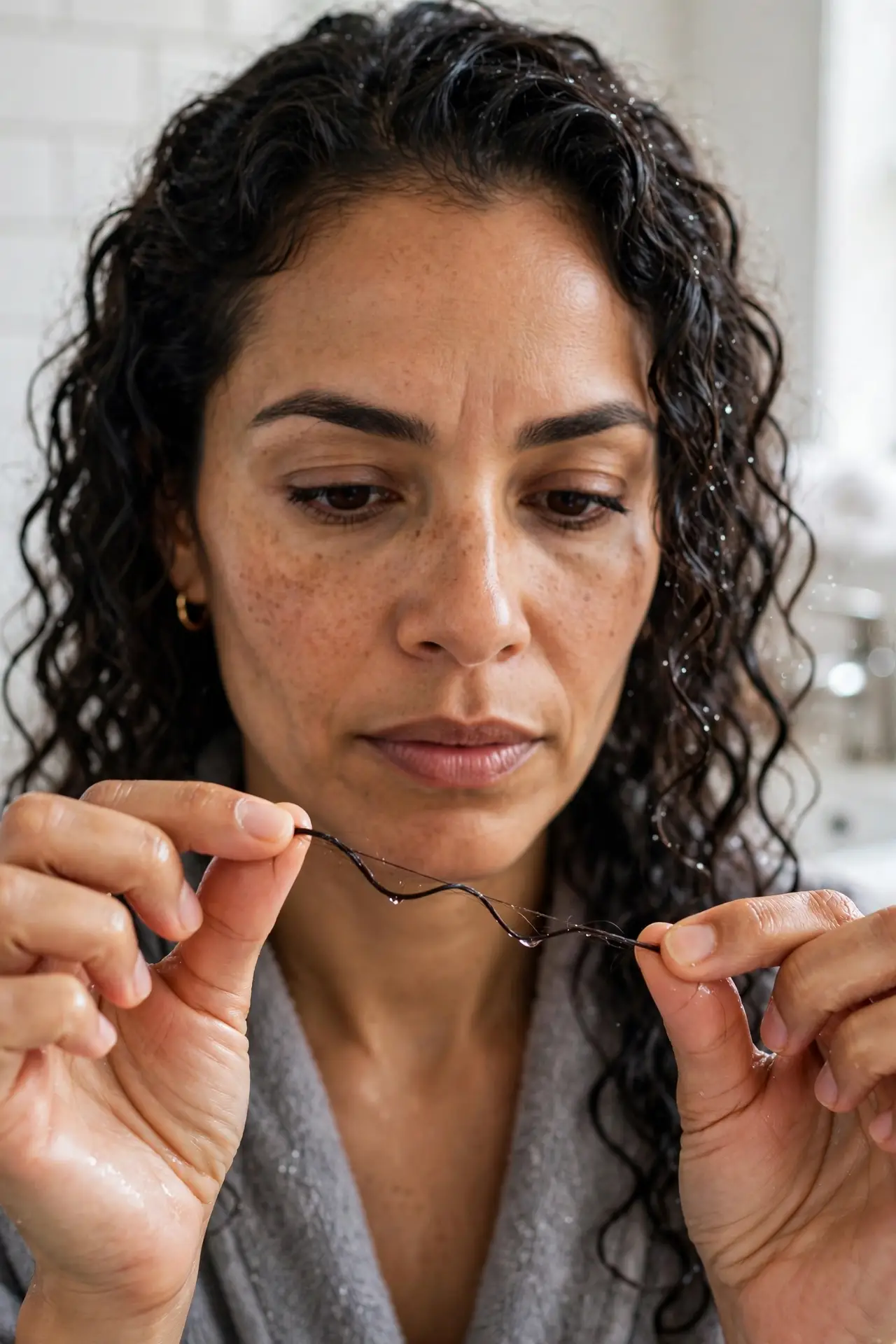
Curls need strength as well as softness, and the balance shows in a single strand. Take a shed wet hair and pull it gently. If it stretches a little and springs back, the balance is right. If it snaps almost at once, it is asking for moisture. If it stretches and stretches without springing back, it is asking for protein.
Hair that feels mushy, limp and overly soft is usually over-moisturized, and a protein treatment or a rice water rinse can restore some backbone. Follow protein with conditioner, because protein alone leaves curls stiff. Try one treatment, then watch the next two wash days before deciding anything else.
Knots, Splits and Trims
Single-strand knots are a fact of curly life: a curl wraps around itself and ties off. Ends that stay moisturized and detangling that stays patient keep them to a minimum, and a knot pulled tight in a hurry usually ends in scissors anyway.
Split ends hide inside curls, so check the last inch of a few clumps under good light every month or so and snip the splits you find. The American Academy of Dermatology’s healthy hair tips make a similar point: gentle handling and regular trims keep hair stronger for longer.

At the Salon, Ask for a Dry Cut
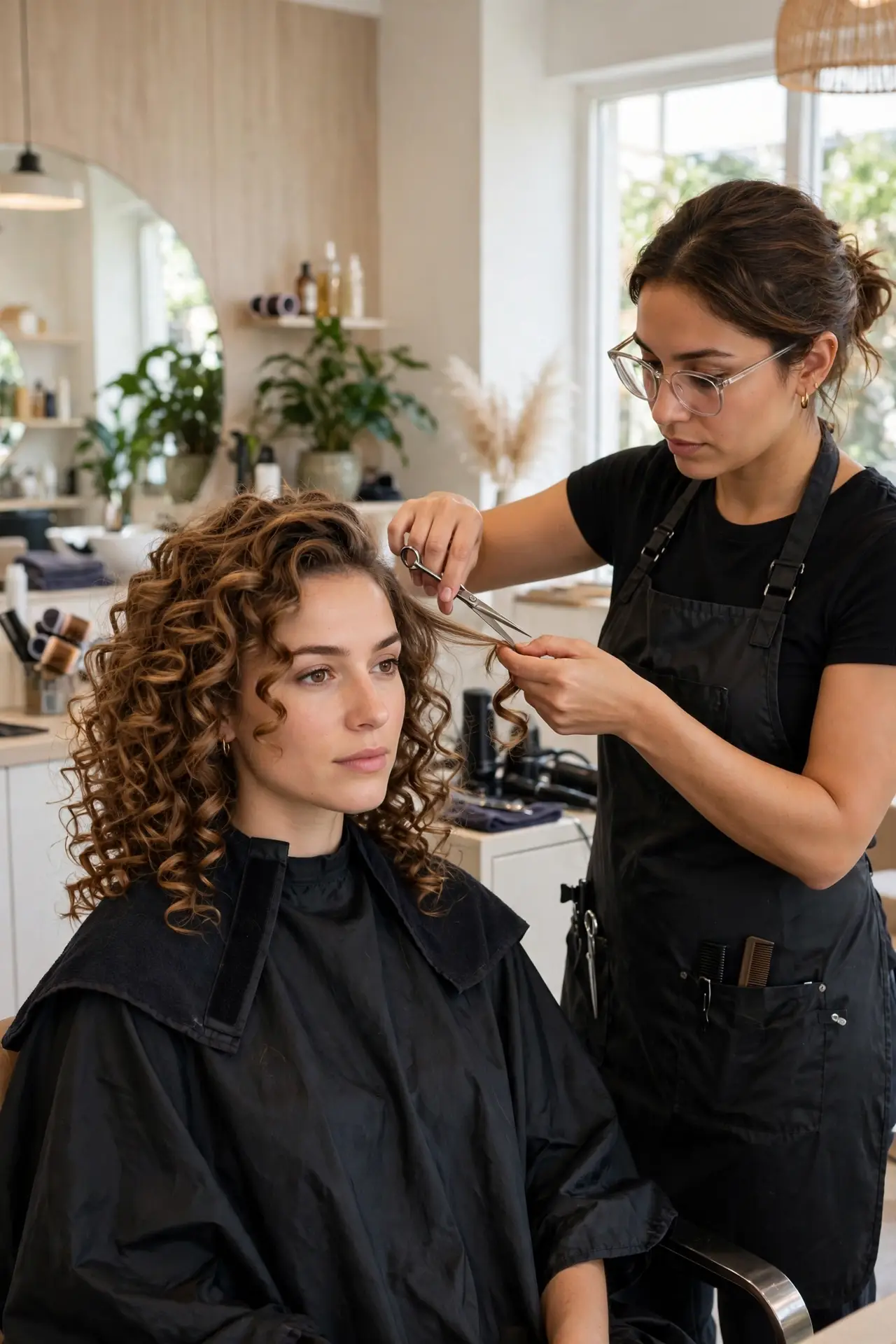
Curls spring up when they dry, so hair cut wet often dries shorter than anyone planned. A dry cut, done curl by curl with the hair in its natural pattern, shows the true length and shape while it is being created.
Bring photos of your own hair on a good day rather than a stranger’s screenshot, because your pattern will never match the screenshot exactly. Ask the stylist how they handle curly hair before booking, and walk away from anyone who wants to straighten it first just to make cutting easier.
Quick Answers
How often should I wash curly hair?
Once a week suits most patterns. Very dry, dense curls can stretch longer with a conditioner rinse in between, while fine waves that flatten easily may want a wash closer to twice a week.
Why do my curls frizz by lunchtime?
Usually the pattern was disturbed while drying, or the hair went into the day under-moisturized. Styling on soaking wet hair and then leaving it completely alone until dry fixes the majority of midday frizz.
Is co-washing enough on its own?
For stretches between shampoos, yes, especially on dry curls. Conditioner alone will not lift heavy buildup forever, though, so keep a real cleanse in the rotation and clarify now and then.
Can I brush my curls?
Not dry. Dry brushing separates clumps, and separated clumps are frizz. Save detangling for wash day, when the hair is wet and full of conditioner.
How do I get more definition without more products?
Add water before you add product. Curls styled dripping wet, then left alone while they dry, define better than curls layered with three stylers on damp hair.

Good curly hair care asks for less effort than most people expect, just better-placed effort: water at the right moments, patience while things dry, and products matched to your pattern. Get those three right and your curls stop feeling like a daily argument.



Pingback: Wavy Hair Care For Waves That Stay Soft, Not Flat
Pingback: Fall Curly Hairstyles: 8 Styles For Curls, From Braided Crowns To Hat-friendly Looks