
A bob earns its place after 60 by doing more with less hair. The right shape frames the face, lifts the neck, and still looks finished on a busy morning.
Bob haircuts for women over 60 suit this stage of life because hair changes. Strands thin, grey arrives in patches, and a cut that once fell into place may now need help.
Eight shapes below cover the real choices. Choose the shape that suits your hair.
Table of Contents
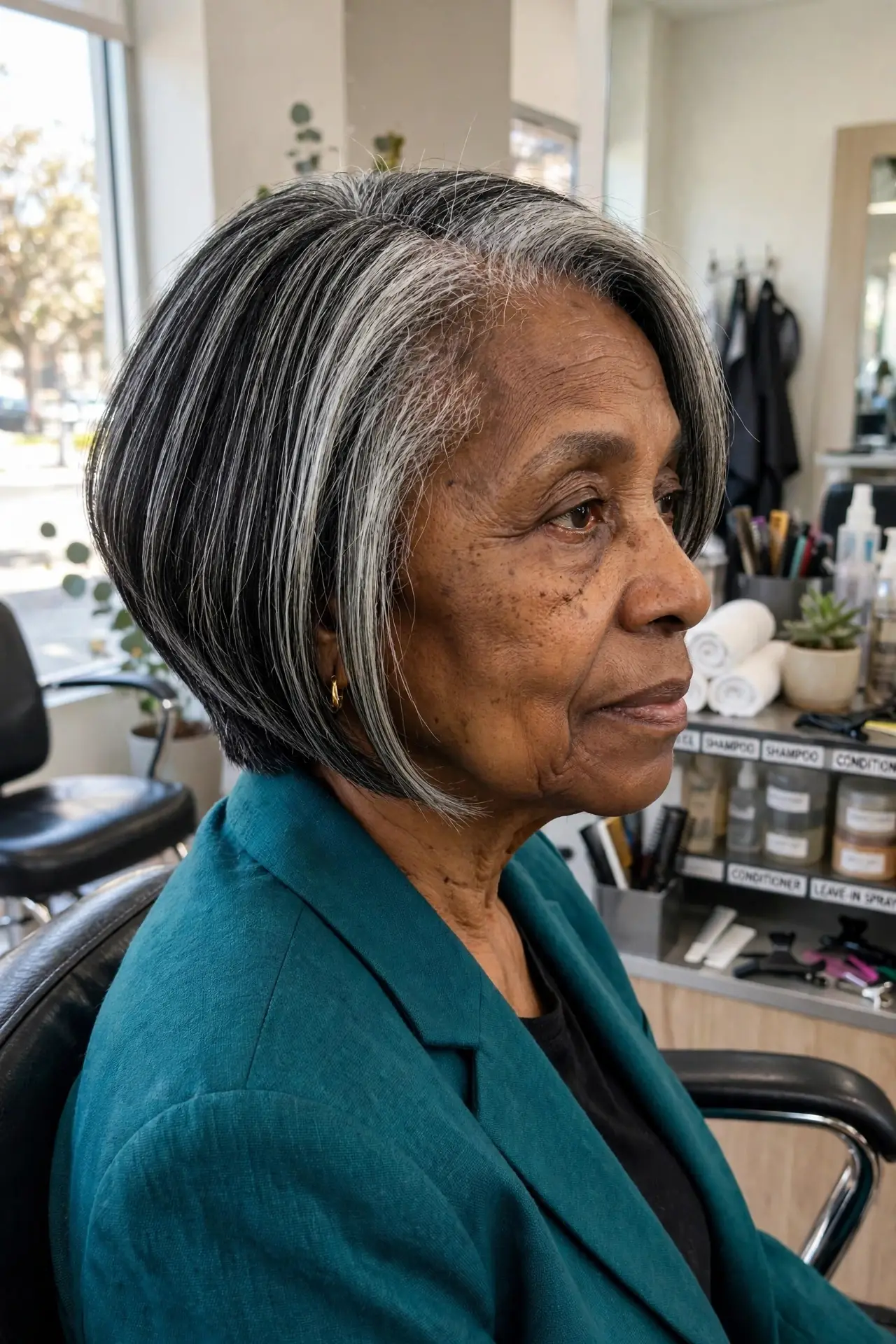
1. The Softly Layered Bob for Thinning Hair
Thinning hair needs a cut that keeps every strand working. Soft layers through the mid-lengths add movement without taking weight from the ends.
Ask for layers that stay long and few. Short, choppy layers thin the outline and make fine hair look wispy at the bottom.
The shape should sit close at the crown and open gently around the cheeks. That balance gives fullness where hair is thinnest and softness where the face needs it.
Dry with a round brush at the roots and skip heavy product, which flattens this bob.
If shedding feels sudden or heavy, the American Academy of Dermatology hair loss guide lists the common causes and when to book a visit.
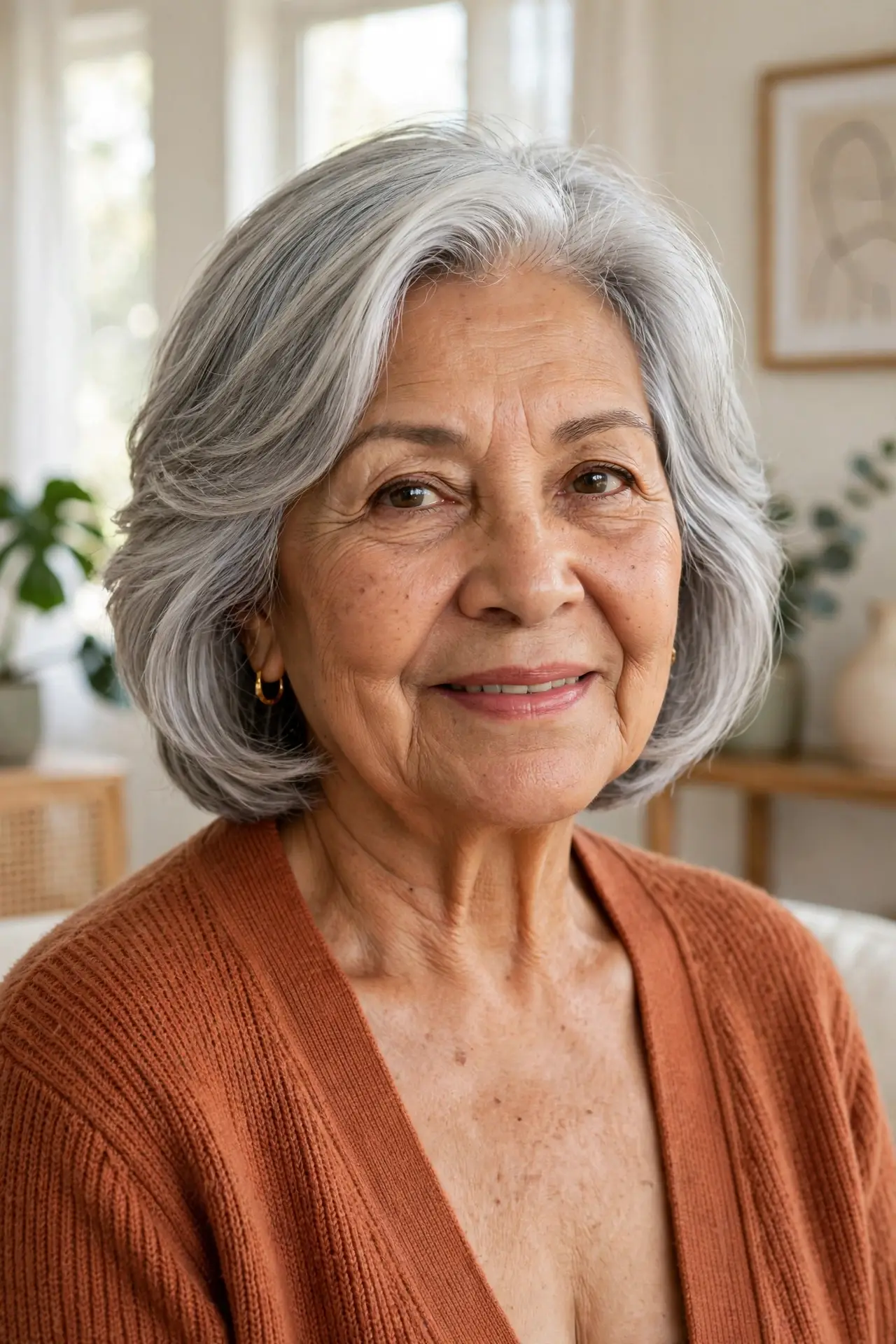
2. The Asymmetric Bob for a Longer Line
An asymmetric bob is one side longer than the other, and the difference does quiet work. The longer side draws the eye down, which lengthens the face and sharpens the jawline.
Keep the difference modest, about an inch or two, so the shape reads polished rather than fashion-forward.
This shape suits straight and slightly wavy hair best. Curls soften the line, so the asymmetry shows less on curly hair.
As it grows, the longer side keeps its shape while the short side catches up. A trim every six weeks keeps the angle honest.
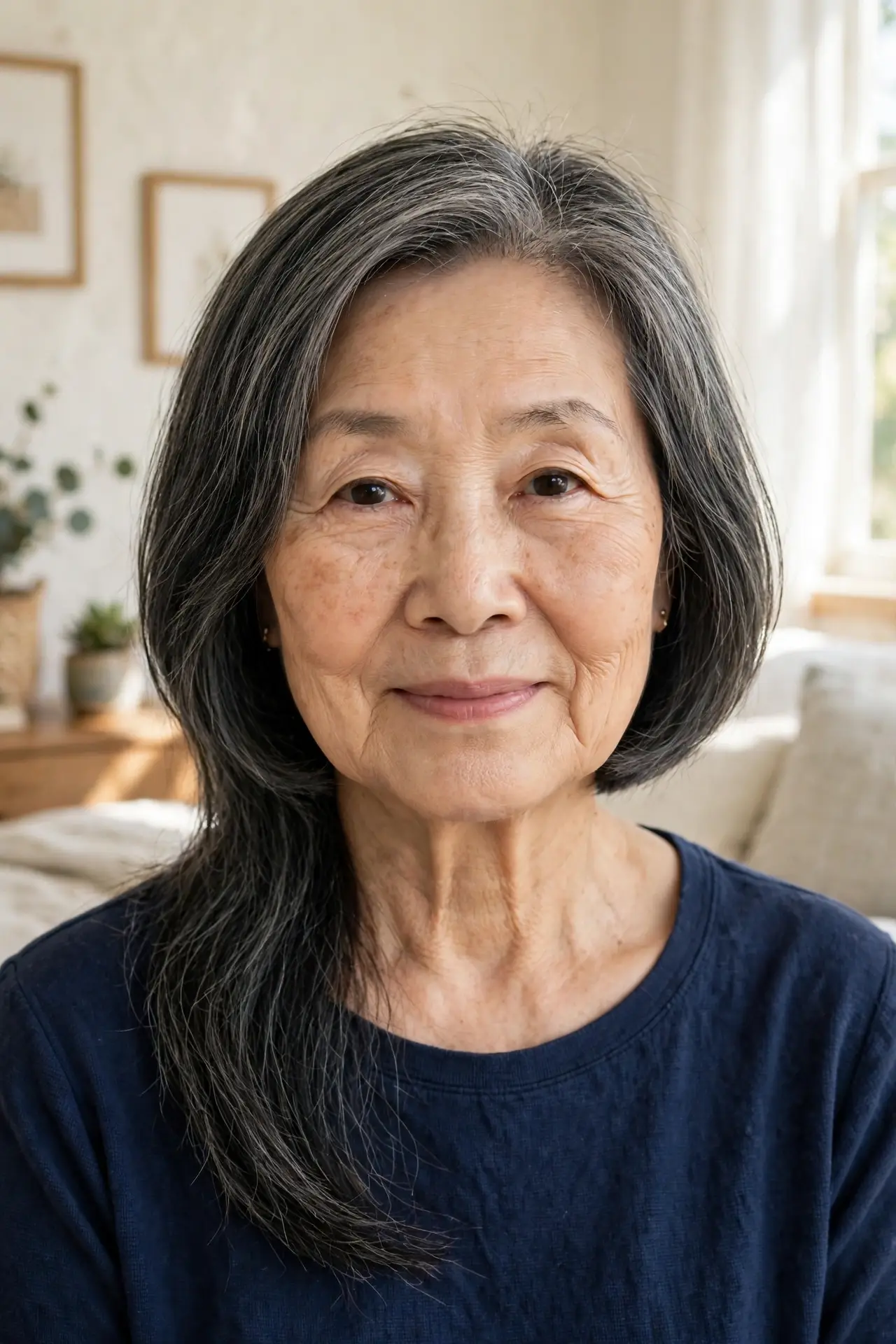
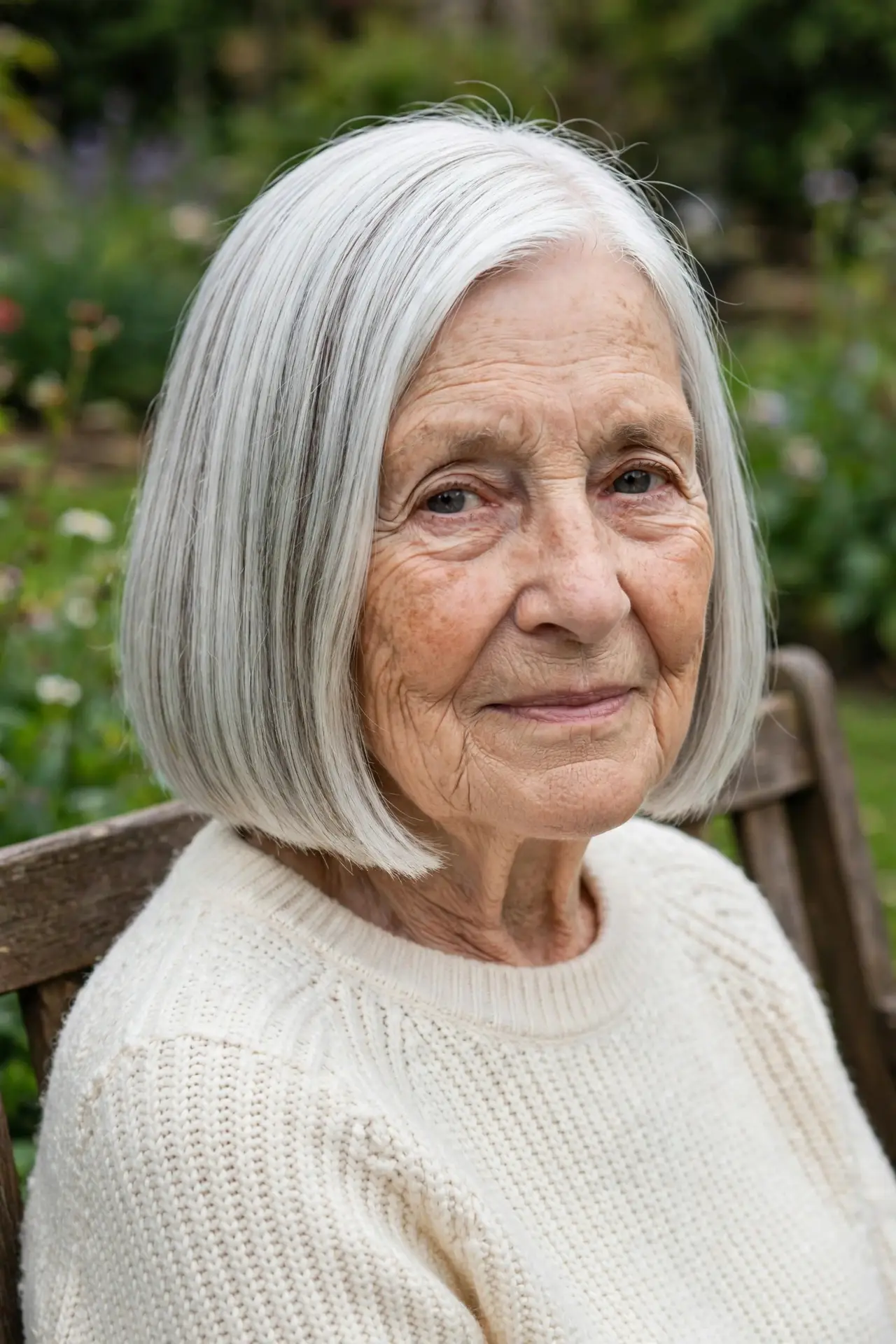
3. The Blunt Bob That Makes Silver Look Deliberate
A blunt bob ends in one clean line with no layers at all. That solid edge makes silver hair look deliberate, like a choice rather than a default.
Bob haircuts for women over 60 in blunt form suit straight hair best. The line shows clearly, and the cut holds its shape between trims.
Growth shows quickly on a blunt edge, so a trim every five weeks keeps the line crisp. Between visits, one pass of a flat iron keeps it sleek.
Other bobs for older women show how the same clean line adapts to different faces and hair types.
4. The Curly Bob, Cut Dry
Curly hair shrinks as it dries, so a bob cut on wet hair can end up far shorter than planned. The fix is a dry cut, shaped curl by curl.
Ask for a stylist who cuts curls dry. The shape is built on the hair as it actually sits, so there are no surprises at home.
Leave the top long enough for curls to coil into full rounds. Narrower sides keep the volume where it flatters, instead of widening at ear level.
Work curl cream through damp hair with scrunched fingers, then leave it to air dry.
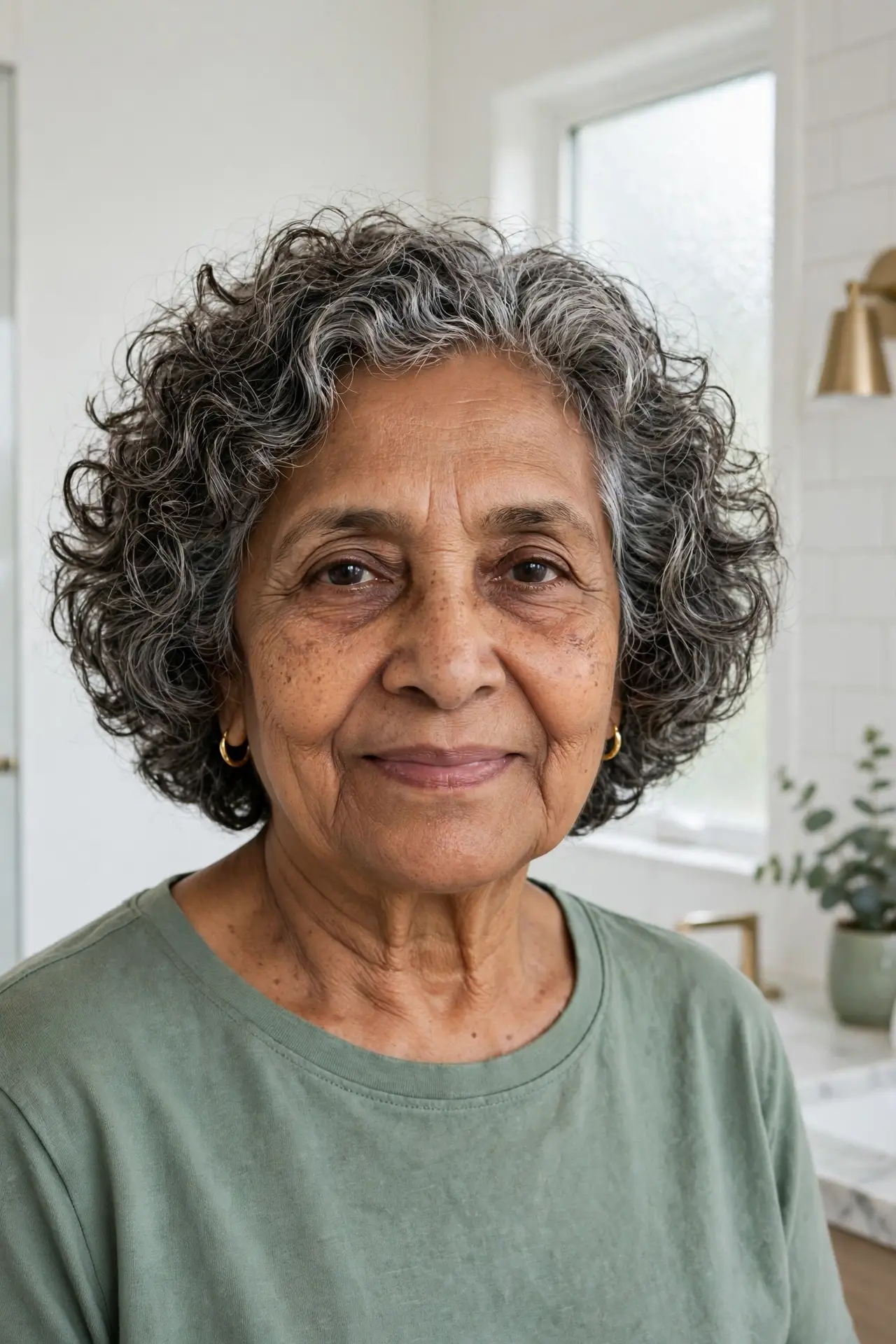
5. The Bob With a Wispy Fringe for Glasses
Glasses change where a fringe should sit, and a wispy fringe handles that well. Feathered pieces fall softly around the frames instead of bunching behind them.
Bob haircuts for women over 60 with a fringe need the fringe cut to clear the top of the frames. Bring your usual glasses to the appointment so the stylist can place the length.
Do the fringe before the rest, while the hair is still damp. A round brush plus one pass of warm air fixes the direction while the fringe is still damp.
Book a fringe tidy every three or four weeks. A fringe past the brows looks heavy and starts to fight with the frames.
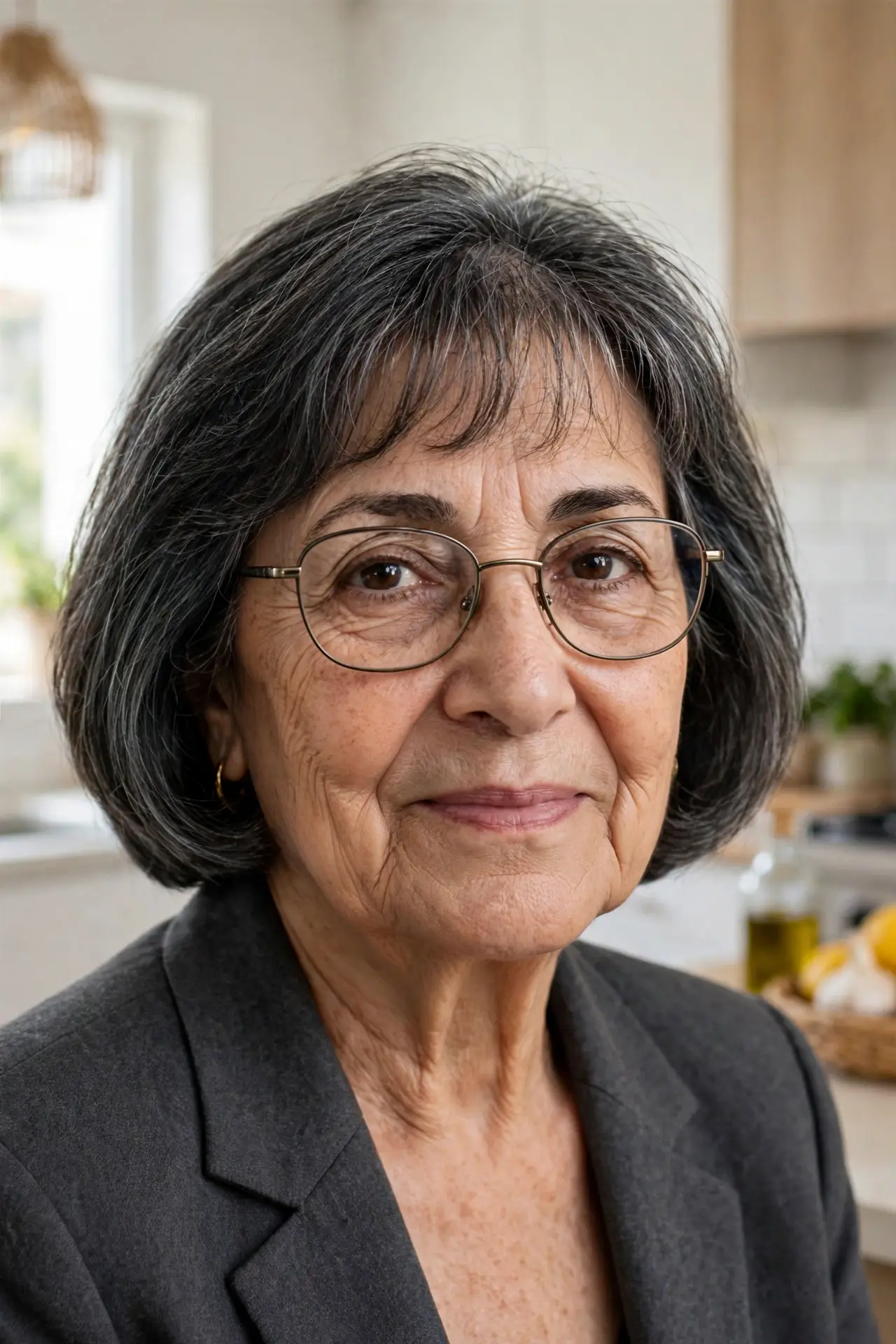
6. The Long Bob for Grow-Out Room
A long bob reaches just past the chin and gives the most room to grow. It is the best bob for a first cut, because it can be shortened later without a second appointment.
Bob haircuts for women over 60 in long form suit every hair type. Fine hair keeps its weight, thick hair has room for layers, and wavy hair gets space to bend.
The length also ties back on busy days, and the bob still looks tidy when it comes down.
Ask for a blunt perimeter with soft interior layers. The edge stays full while the inside stays light. The long bob also appears in our bob haircuts for women over 50 guide, where the same length suits a younger routine.
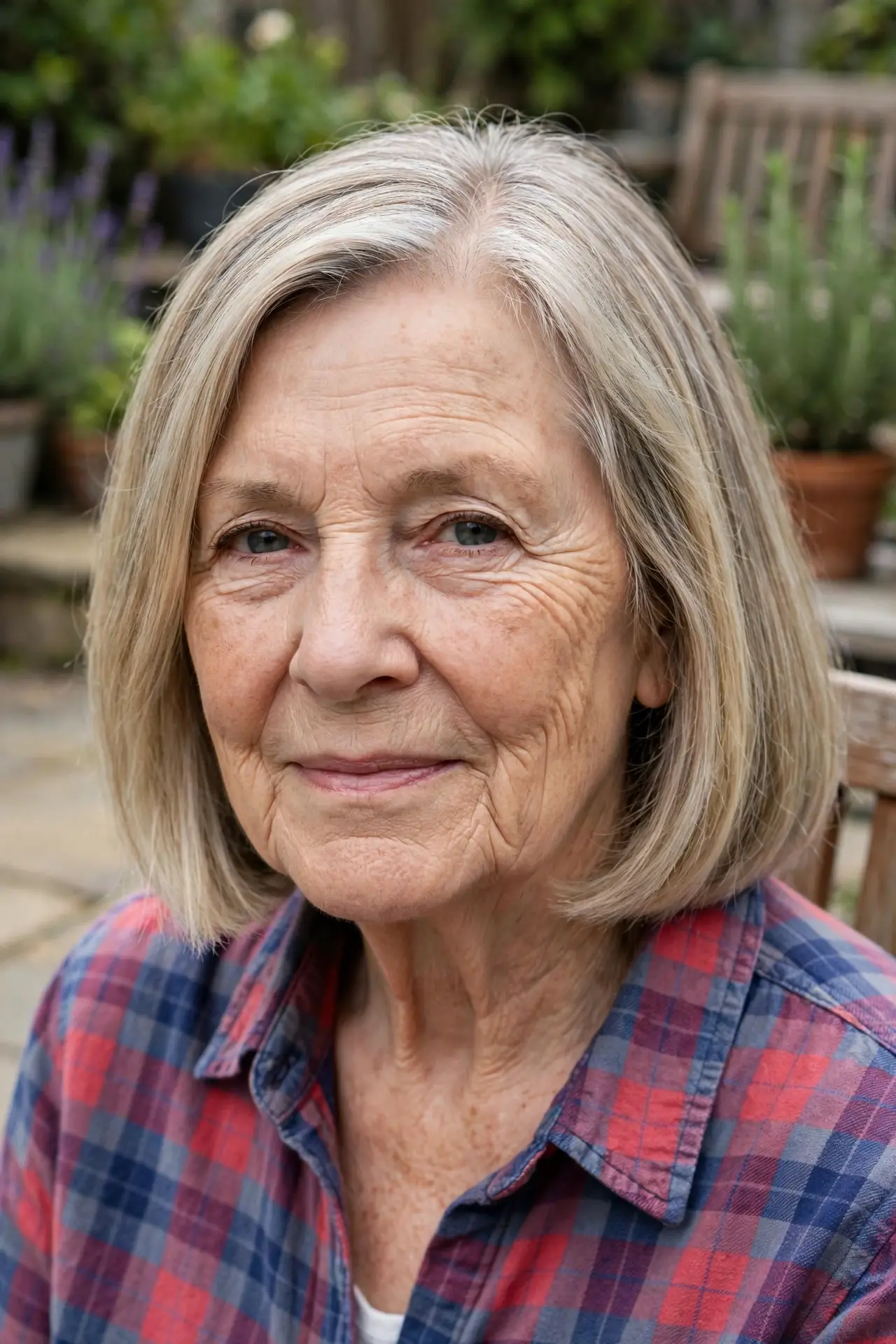
7. The Wash-and-Wear Bob for Easy Mornings
Some mornings need hair that cooperates with no tools at all. A wash-and-wear bob is cut so the shape falls into place as it dries.
It works because of the interior texture. Point-cut ends and soft layers let the hair settle on its own, instead of needing heat to behave.
Towel dry, scrunch in a little mousse, and leave it alone. The shape does the work, and the finish looks lived in rather than undone.
This bob grows out kindly too. Texture blurs regrowth lines, so appointments can stretch a week or two longer.
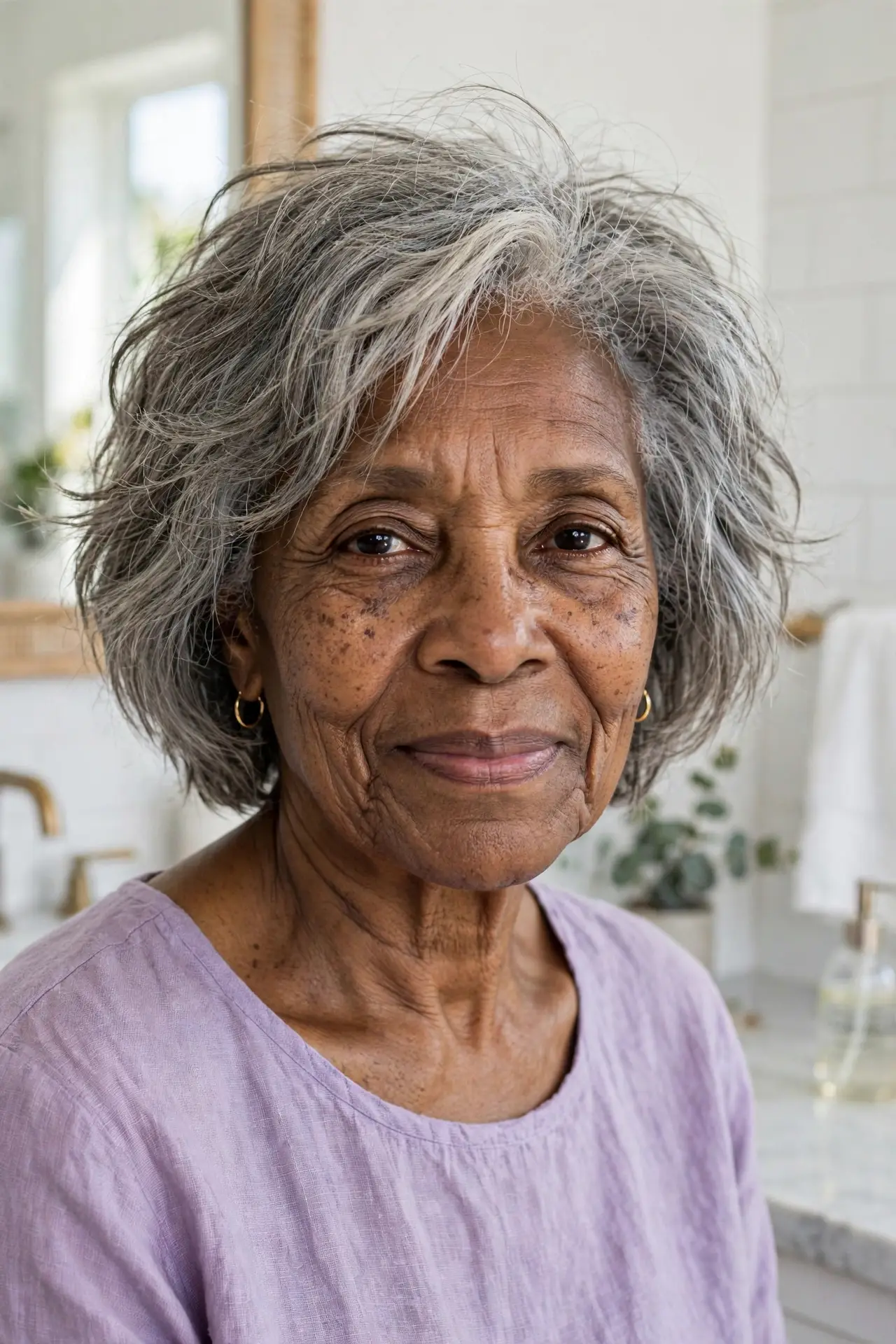
8. The Graduated Bob That Lifts the Neck
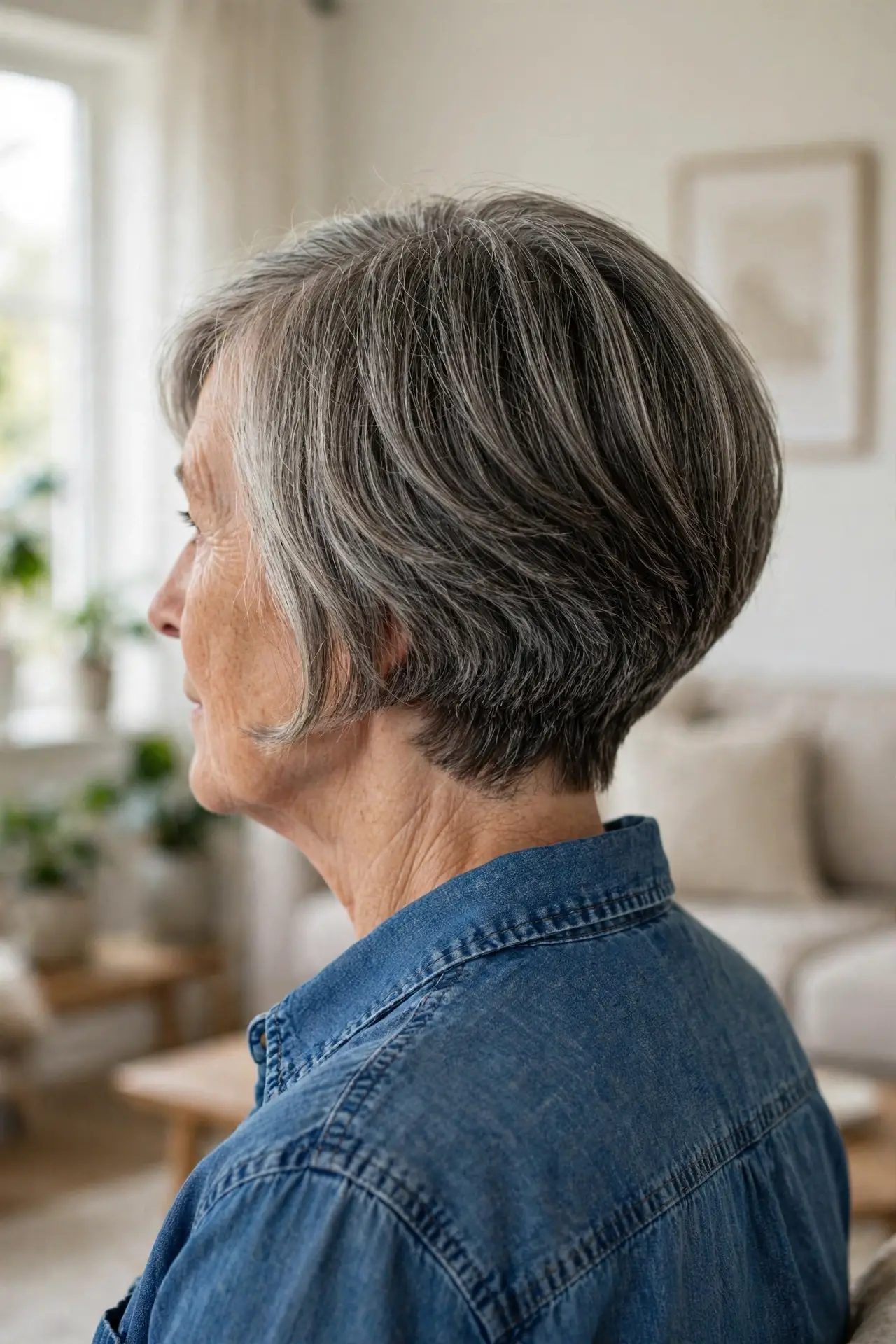
A graduated bob is cut shorter at the nape and longer toward the chin. The stacked back builds height at the crown and lifts the whole shape off the neck.
Bob haircuts for women over 60 in graduated form flatter the neck and jaw. The rising line at the back gives a tidy finish that a one-length bob cannot.
The angle must stay smooth, or the back can look choppy as it grows.
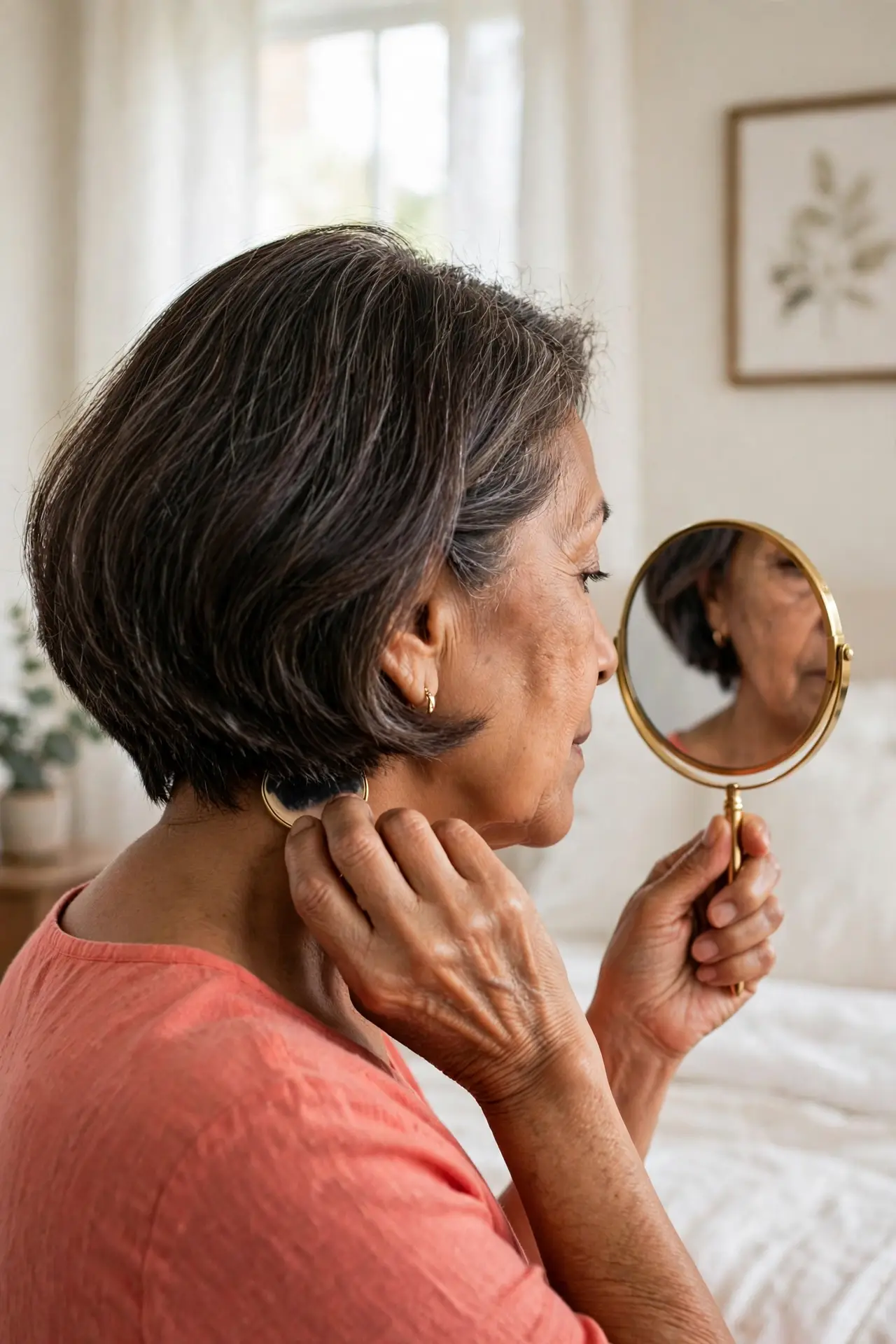
Before the cape comes off, ask for a mirror so you can view the back. Everyone behind you sees the back of a bob, so the graduated shape deserves a clean view.
Keeping the Shape Between Trims
Bobs show growth first at the nape and the sides. A little smoothing at the nape keeps the outline tidy between appointments.
A drop of serum over the crown keeps the outline tidy, and a textured finish disguises new growth far better than a smooth one.
A bob keeps its outline for five to seven weeks, and graduated shapes sit at the shorter end. Put the next appointment on the calendar before the shape softens.
If a shorter shape tempts you, our short haircuts for women over 60 guide lays out the options worth taking to your stylist.
The Salon Visit That Keeps a Bob Sharp
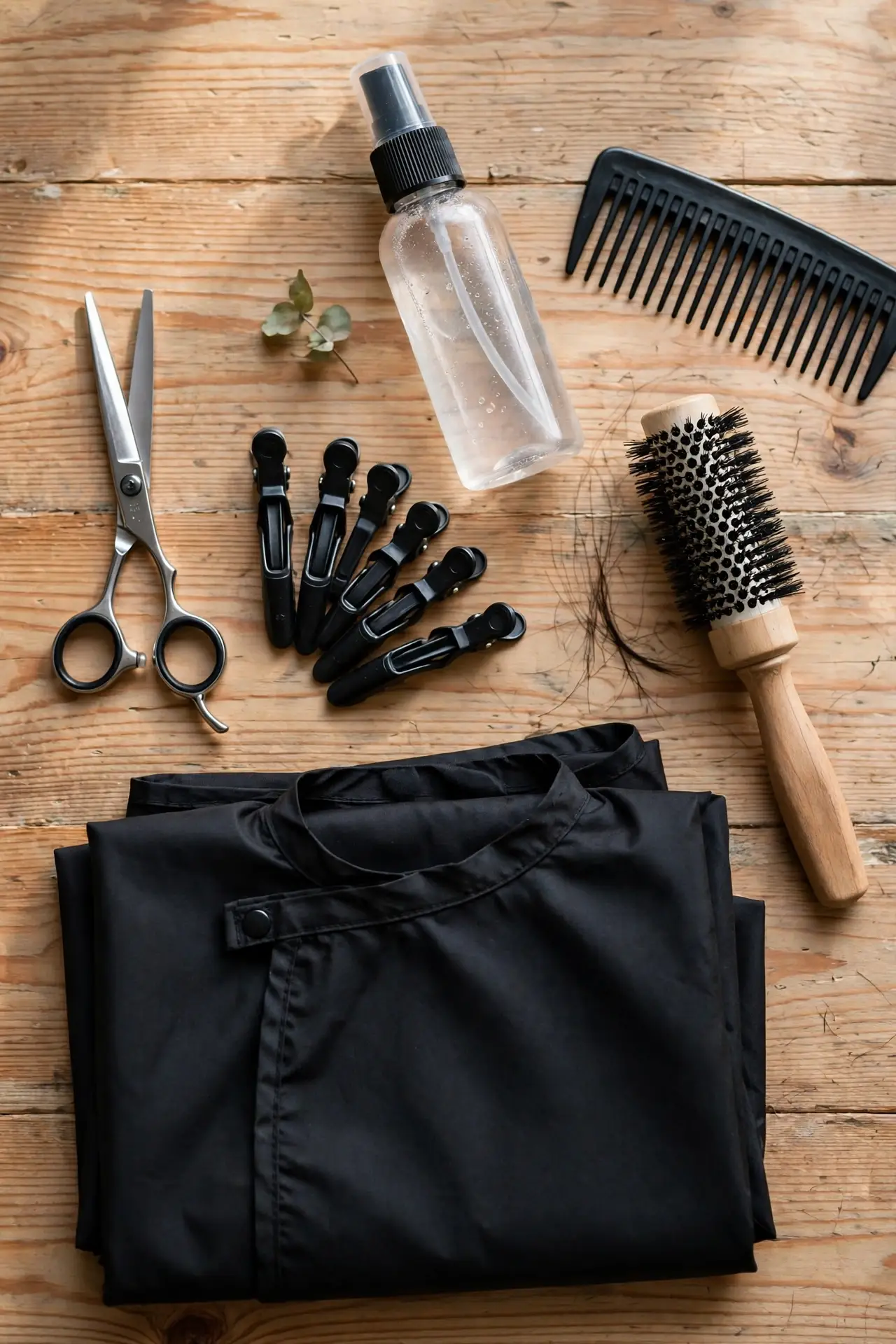
A good bob appointment follows a pattern. The stylist sections the hair, mists it lightly, and cuts the outline before refining the interior.
Clips hold each section steady while the shape takes form. The last step is the nape check, with the stylist confirming the line sits even.
Ask to see the back in a mirror before you stand up. A bob is one of the few cuts where the back matters as much as the front.
The American Academy of Dermatology offers healthy hair tips on gentle washing and care as hair ages.
Grey Blending Inside a Bob
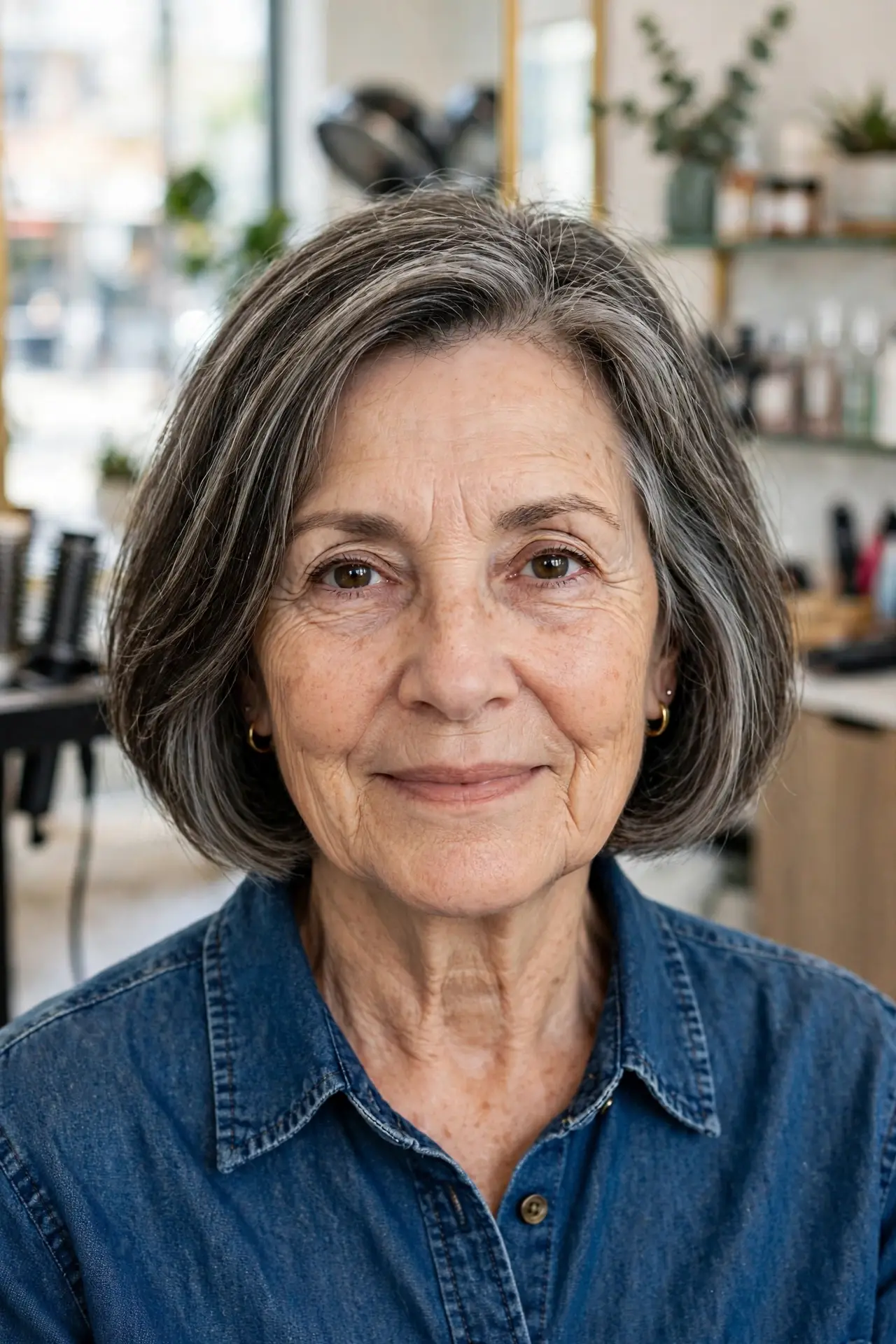
Grey arrives in patches, and a bob is the right length to blend it. Soft highlights and lowlights woven through the cut blur the line between coloured hair and incoming grey.
Ask for a soft, lived-in blend instead of a full foil, so the colour melts into the grey.
The bob length shows the dimension well, with enough hair to carry the colour but not so much that grow-out turns into a project.
For everyday styling at this age, our hairstyles for women over 60 collection rounds out the picture.
Quick Answers
Which bob haircuts for women over 60 need the least upkeep?
The wash-and-wear bob and the softly layered bob need the least work. Both air dry into shape, and their texture hides growth between trims.
How often does a bob need a trim after 60?
Five to seven weeks covers most bobs. Blunt and graduated shapes sit at the shorter end, while layered and textured shapes stretch longer.
Will a bob work with glasses?
Yes. A bob keeps the sides tidy and lets the frames lead, while a fringe cut above the frames keeps the two from competing.
Can I get a bob if my hair is curly?
Yes, with a dry cut. A stylist who shapes curls dry builds the shape on the hair as it sits, so the length lands where you expect.
Pick one shape, bring two photos to your stylist, and bob haircuts for women over 60 stop feeling like a gamble. The shape carries the look, and the routine stays simple.



Pingback: Haircuts For Women Over 70: 8 Cuts That Stay Easy