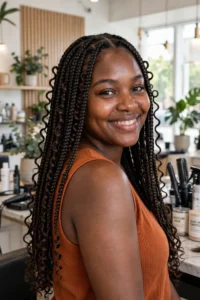
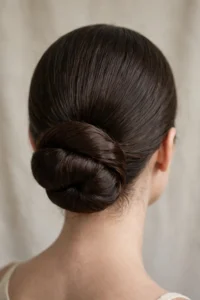
A good protective style does two jobs at once: it looks like the main event, and quietly, underneath, your real hair gets weeks away from heat, combs, and daily pulling.
That is exactly why the protective hairstyles black women rely on stay in rotation all year: they hold length, they spare your edges, and they hand your mornings back. The nine styles below cover the full range, from chair-all-day braids to an install you can finish before lunch.
One rule runs through all of them: a style only protects when the install is gentle and the hair underneath went in clean, conditioned, and moisturized.
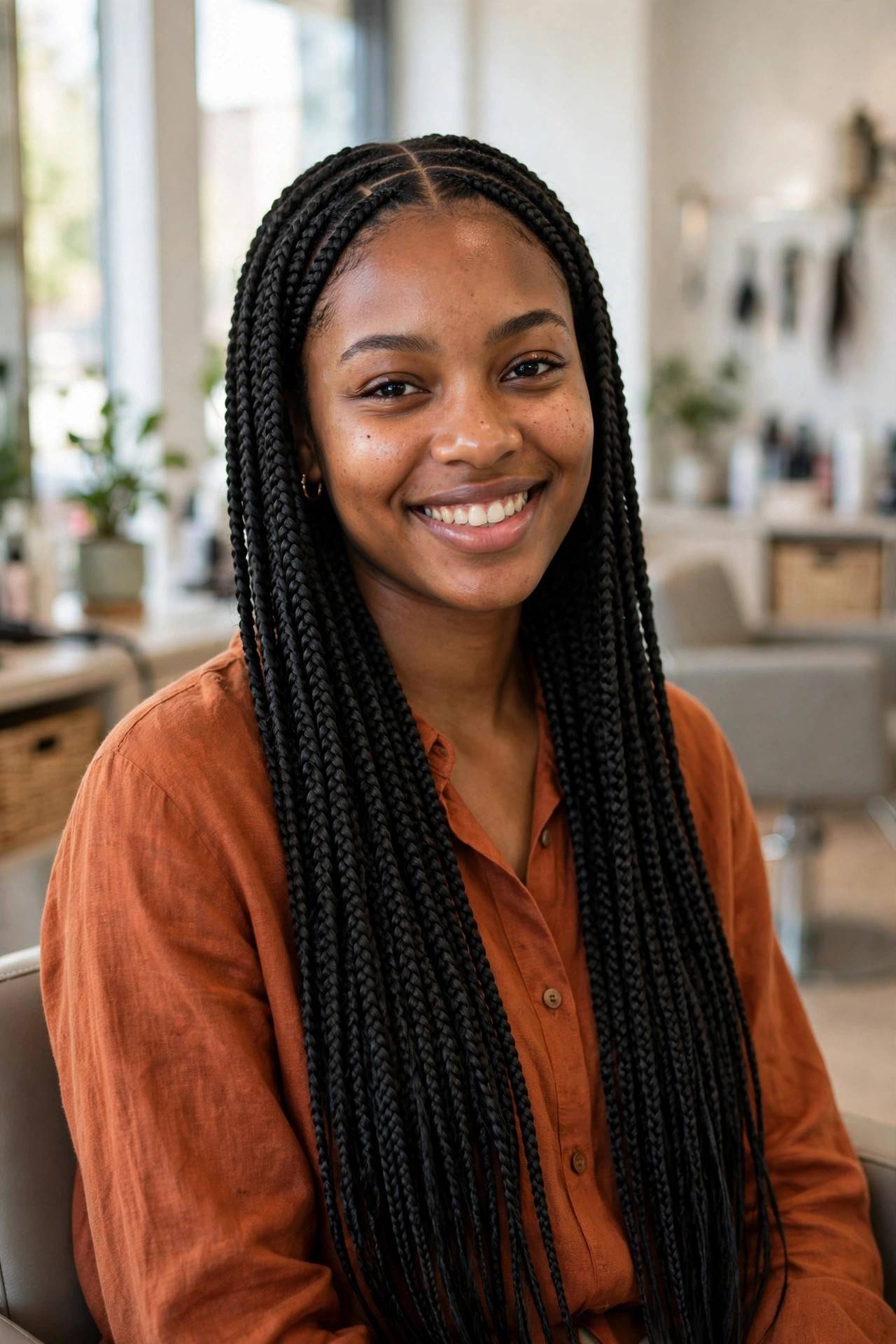
Table of Contents
Knotless Braids That Skip the Sore First Week
Traditional box braids start with a knot at the root, and your scalp knows it for days. Knotless braids feed the extension hair in gradually instead, so the braid lies flat from the first hour and moves like your own hair.
That gentler start is why they suit tender scalps and fragile edges. They part anywhere and go straight into a ponytail on day one. The knotless braids hairstyles for black women on this site break down the lengths and sizes in detail.
Book a size up if your hairline is delicate; bigger parts put less weight on each section.
Passion Twists With a Soft, Springy Finish
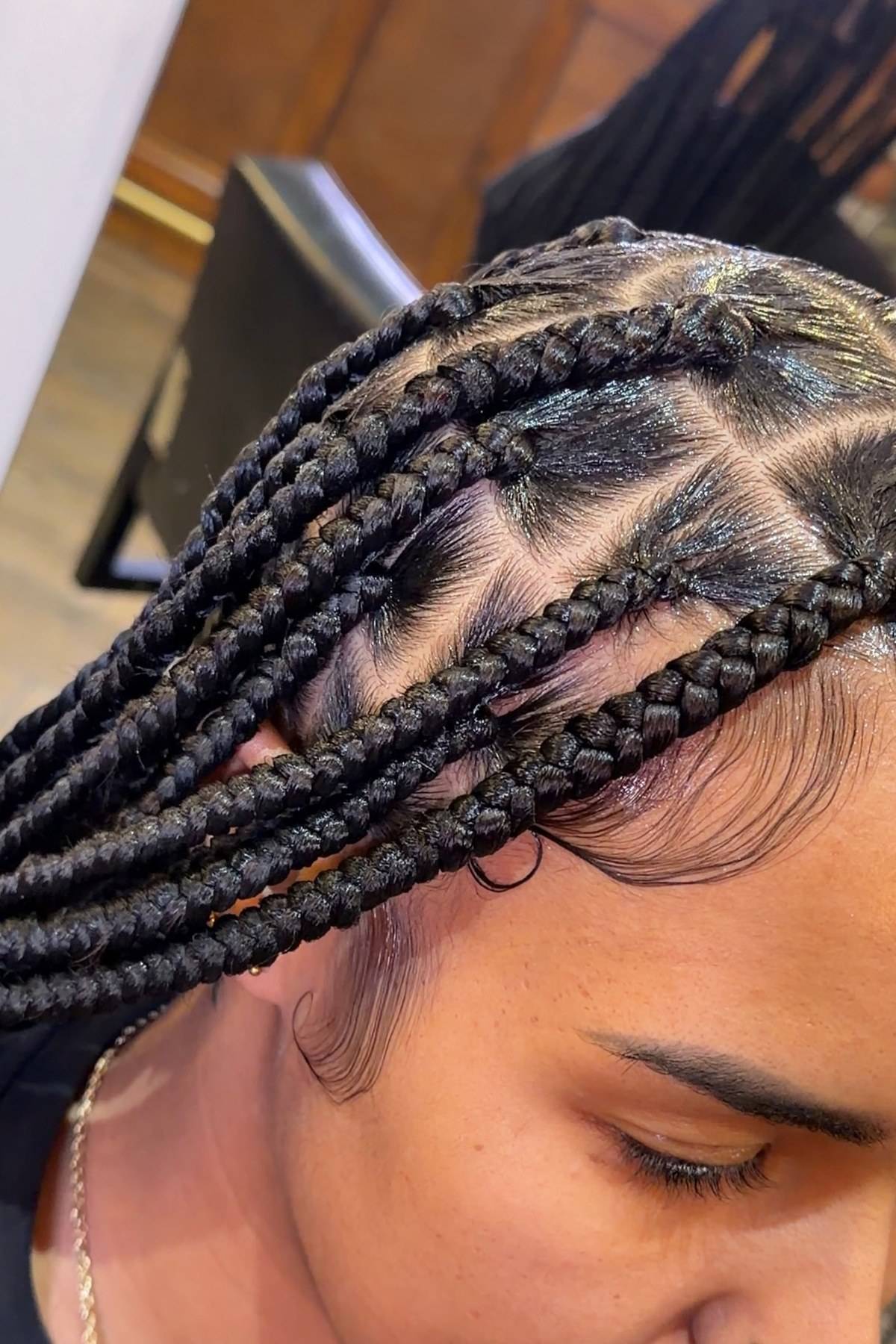
Passion twists use wavy extension hair twisted in loosely, so each one lands bouncy and a little undone instead of tight and rope-like. The boho finish forgives new growth gracefully.
They are also one of the lightest installs on this page. The hair weighs very little, the twists go in fast, and taking them down is quicker than almost any braid style.
Keep the frizz working for you: mousse scrunched through in the morning revives the wave, and oiled fingers keep the twists from marrying into one big twist.

Faux Locs Without the Years of Commitment
Faux locs give you the loc look for a season instead of a decade. Your own hair is braided or twisted first, then wrapped or crocheted over, so your strands sit protected inside while the locs do the showing off.
Soft locs and butterfly locs are the current favorites: lighter than the stiff wrapped versions, with a lived-in texture that looks better the longer you wear it.
Weight is the one thing to watch: heavy locs pull at the roots exactly like heavy braids, so pick a length your edges can carry for six weeks.
Crochet Styles for Fullness in Half the Time
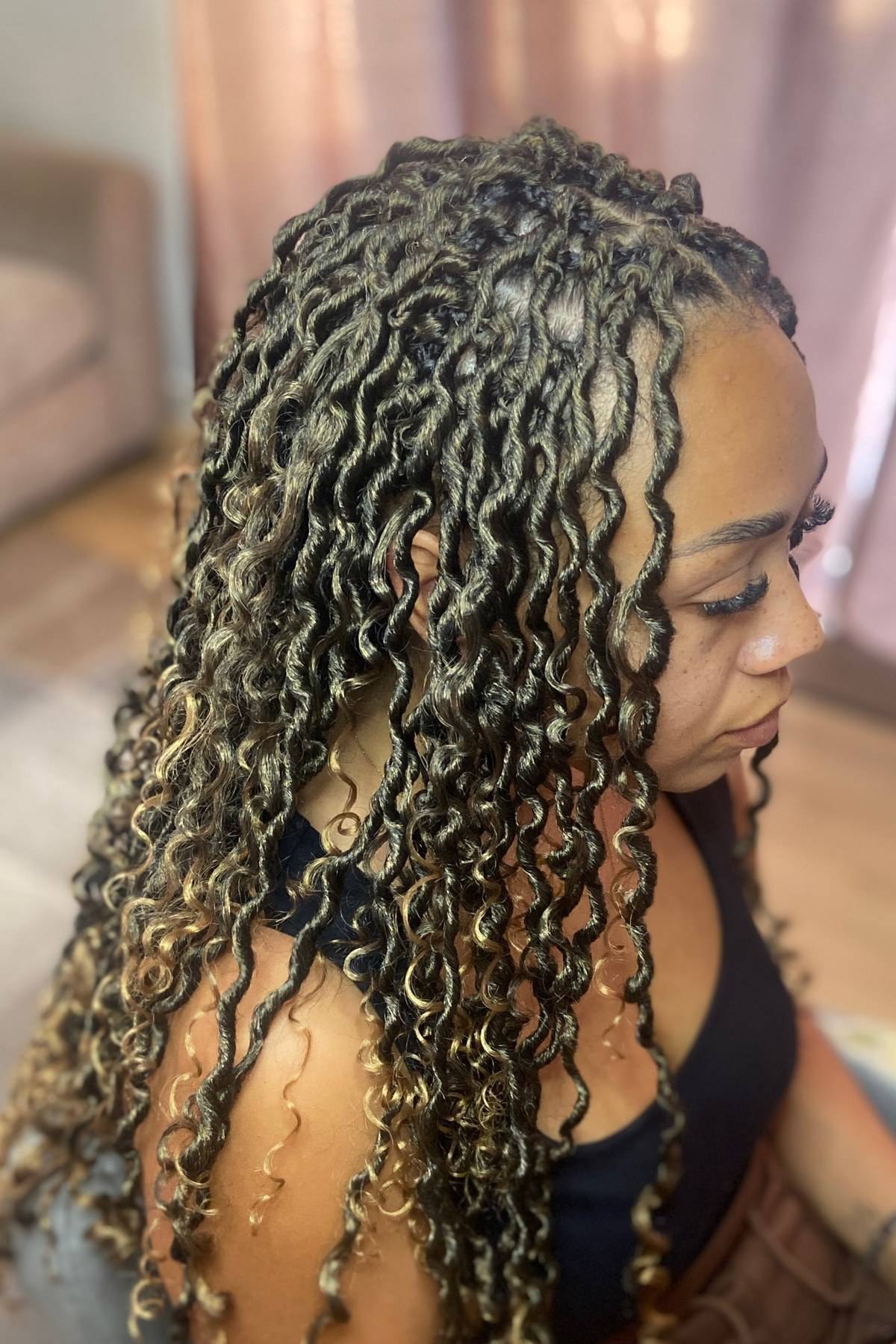
Crochet skips the strand-by-strand install. Your hair goes into cornrows first, then pre-looped braids, twists, locs, or loose curls are pulled through with a latch hook. A full head can be finished in two or three hours.
Because the cornrows carry the style, your own hair stays completely tucked away, a real break for hair that needs one.
The illusion lives at the part: an invisible knot or a few individually crocheted pieces along the hairline, and nobody clocks the method.
Stitch Cornrows, Sleek From Every Angle
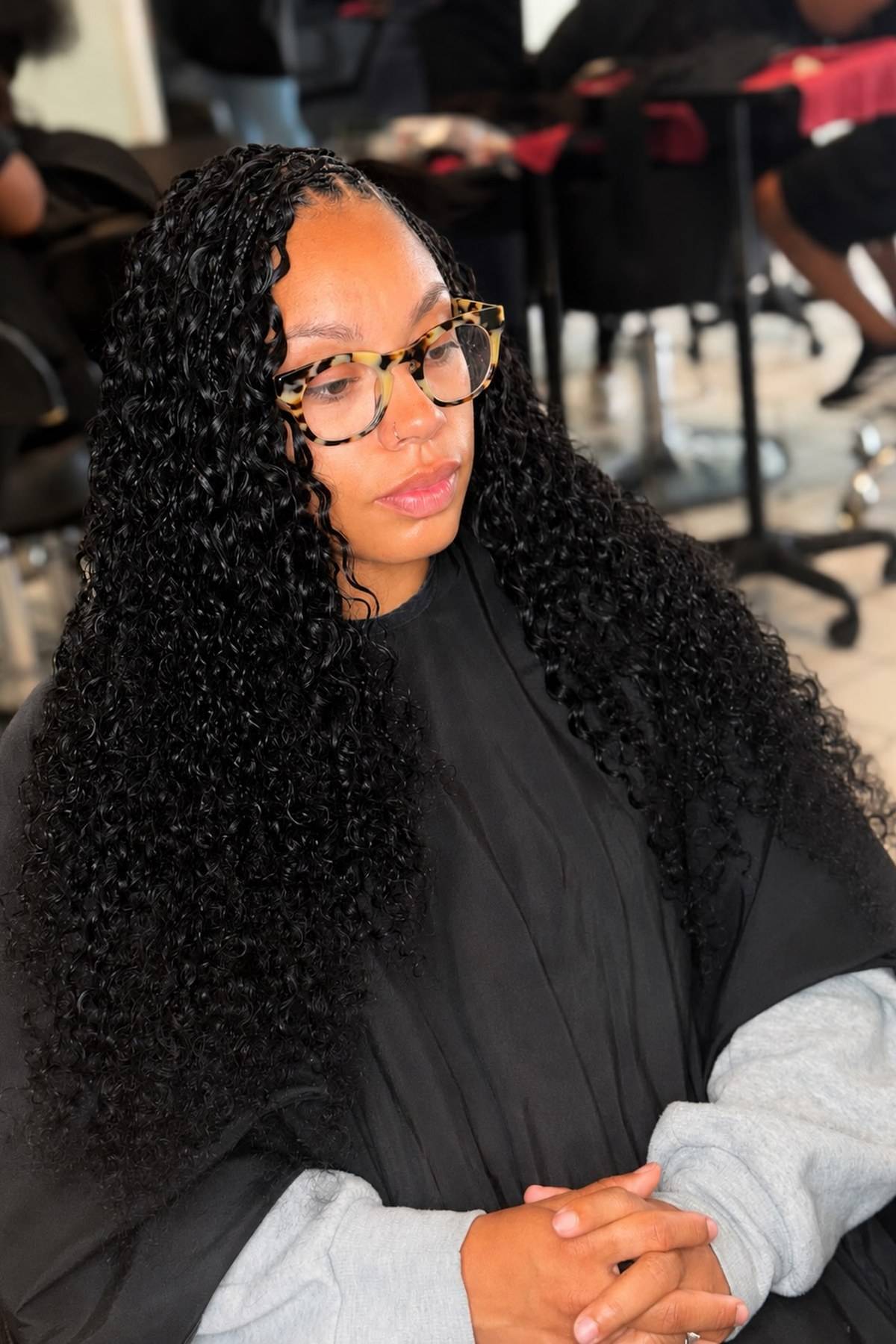
Stitch braids are cornrows with crisp horizontal lines fed in as the braid grows, so each row looks carved rather than plaited. Straight-backs are the classic; criss-cross patterns turn the same install into a design.
They sit close to the head, last for weeks, and need almost nothing in the morning. The stitch braids black women guide here shows the patterns clients book most, from jumbo rows to waist-length finishes.
One caution: if you leave the chair with a headache or bumped-up skin along the rows, they went in too tight.
Braided and Twisted Updos for Dressier Days
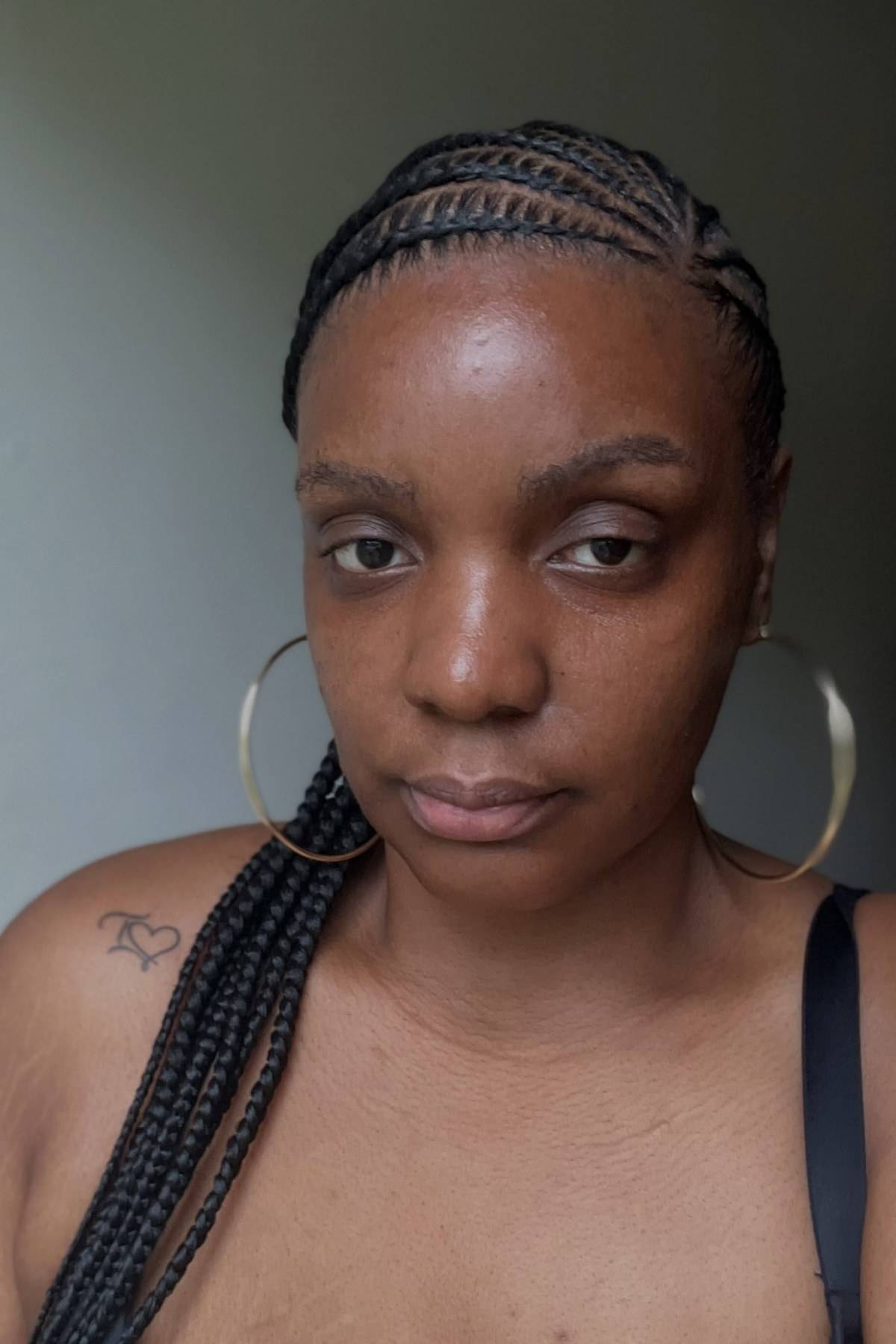
An updo built on braids or flat twists gives you an event style that is still fully protective: the hair is gathered, the ends tucked, and nothing rubs against collars or chair backs.
Braided buns, twisted crowns, and loc petals all work, most of them styled from braids you already have. Pin it up the morning of the event, and take it down that night if you like sleeping loose.
Keep pins and tension gentle at the nape, the finest hair on your head and the first to complain.

Goddess Braids With Loose Curls Woven Through
Goddess braids start as braids and finish as something softer: loose curly strands are left out along each braid and through the ends, so the style moves like loose hair while yours stays braided down.
The curls are the maintenance. They tangle faster than the braids do, so separate them nightly with your fingers and sleep with the style piled on top of your head.
Human hair curls cost more and behave better over a long wear; synthetic is fine for a three or four week run. Either way, expect strangers to ask about this one.

Senegalese Twists That Swing When You Walk
Senegalese twists are rope twists: two strands wound tight and smooth, so the finished twist has a sleek, almost polished surface. Done long, they swing with real weight and photograph beautifully.
They go in faster than braids of the same size, and the smooth surface resists frizz longer. Ask any stylist about the protective hairstyles black women rebook before a vacation, and these come up every time: they handle swimming, humidity, and headwraps without losing the plot.
Keep the roots moisturized; a smooth twist shows scalp dryness sooner than a textured style.
The Wig-Ready Braid-Down Underneath It All
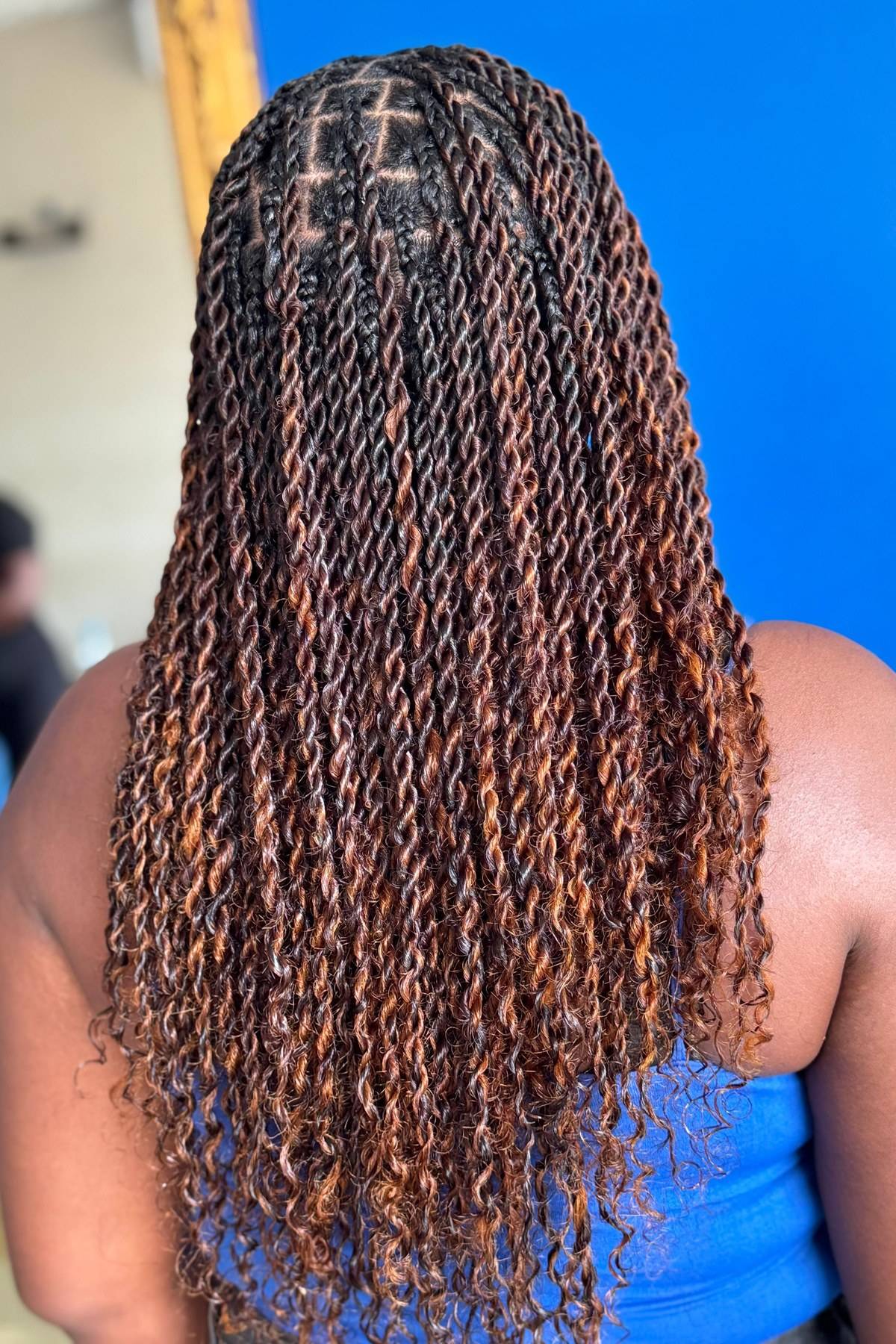
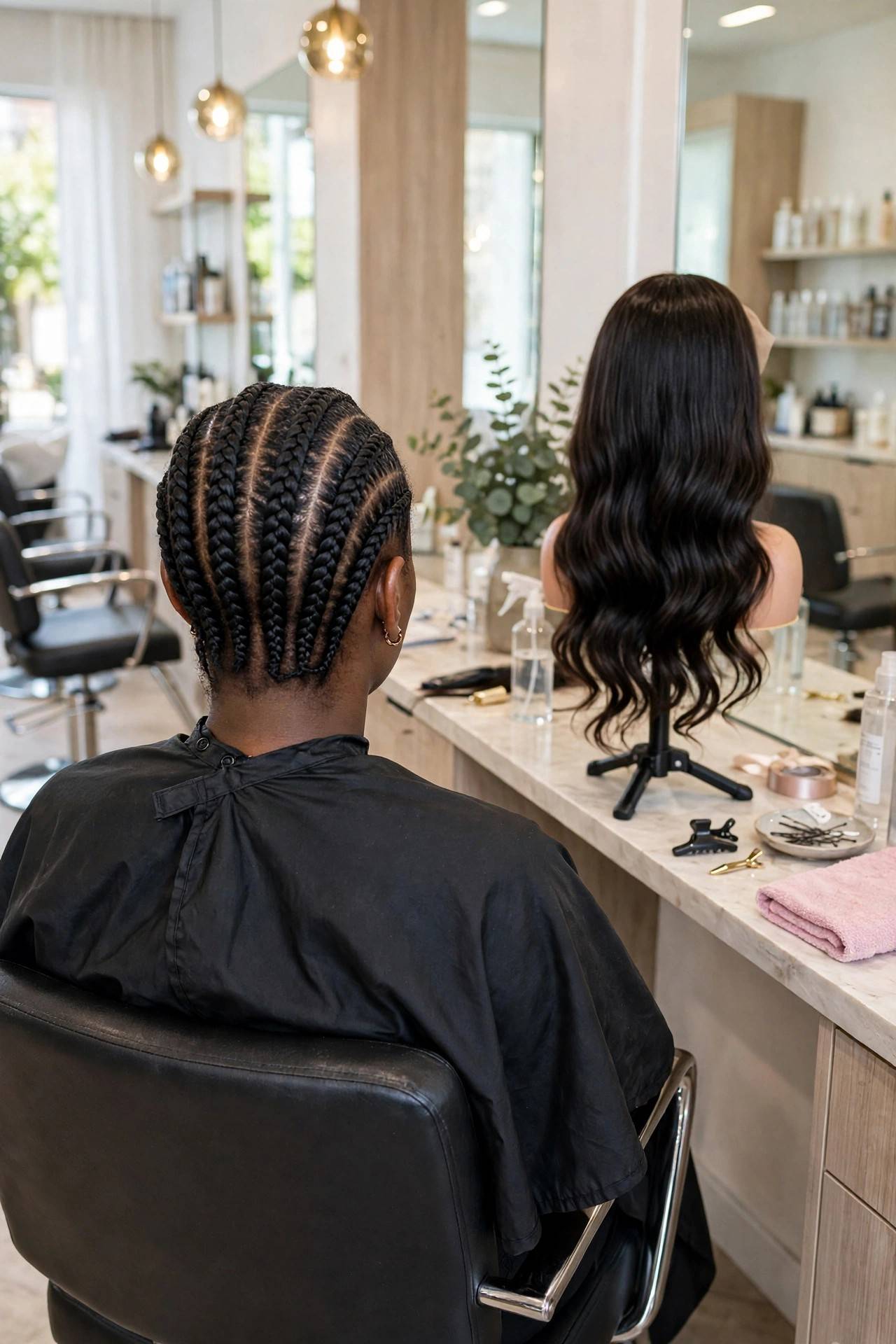
A wig only counts as protective if what sits under it is handled properly. The foundation is a braid-down: flat cornrows, straight back or in a low circular pattern, with your ends tucked away under a cap.
Done well, it keeps every strand away from friction and untouched while the cornrows stay neat. Rotate wigs freely; the hair underneath keeps growing.
Wash day still applies. Cleanse the cornrows with diluted shampoo, dry them fully, and never put a wig over damp braids. Trapped moisture is where the trouble starts.
Prep Before You Install, Care While You Wear It
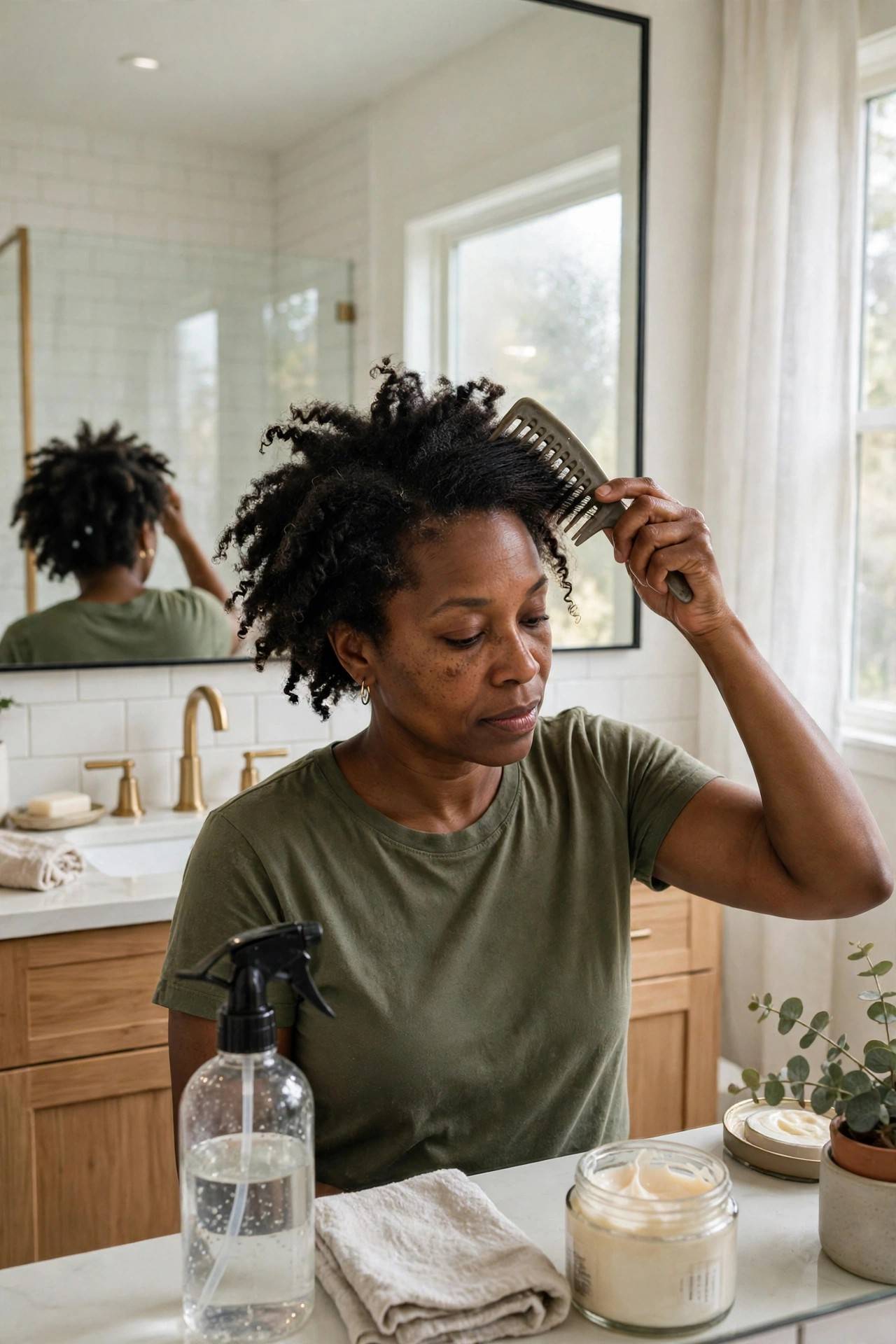
Every style on this page succeeds or fails before the first braid goes in. Wash with a clarifying shampoo, deep condition for thirty minutes, and detangle in sections until the comb passes without a fight.
Stretch the hair smooth but not bone straight, and trim ends that feel thin or rough; installing over damage just preserves it. On weeks when you skip extensions altogether, the simple protective hairstyles for natural hair here cover at-home twists and buns that give hair the same rest.
Protected is not the same as forgotten. Mist your roots with water or a light leave-in a few times a week, and run a drop of oil along the parts; yours still drinks.
Wash the style every one to two weeks with diluted shampoo worked onto the scalp with your fingertips, then dry the roots completely. The American Academy of Dermatology gives the same core advice for textured hair: gentle cleansing, regular conditioning, and handling that keeps manipulation low.
At night, a satin bonnet or pillowcase keeps the style smooth and your own edges unpulled. Most installs have a ceiling of six to eight weeks; past that, new growth starts matting at the roots and takedown turns into breakage.
Quick Answers

How long should a protective style stay in?
Six to eight weeks for braids, twists, and locs; cornrow-based styles often look tired sooner. Past that, new growth mats and takedown costs you the length you just kept.
Do protective styles actually grow your hair?
They do not speed up growth. They protect the ends you already grew, so length shows because less of it breaks off. That retention is the whole point.
Which style is easiest on edges?
Knotless braids and crochet, installed loose: both spread tension instead of concentrating it at the hairline. Any style can damage edges if it goes in tight, so speak up in the chair.
Can you wash braids and twists?
Yes, and you should. Diluted shampoo on the scalp every one to two weeks, rinse through the lengths, then dry the roots fully before bed or a bonnet.
What are the most low-maintenance protective hairstyles black women can book?
Jumbo knotless braids and stitch cornrows: fewer braids to fuss over, quicker installs, and a style that still looks neat at week five.
Pick the style that matches your next six weeks, not just your next photo. The protective hairstyles black women keep returning to are the ones that leave real hair longer and stronger at takedown than it was at install.