8 Simple Protective Hairstyles for Natural Hair That Are Easy to Keep Up
A good protective style should make your week lighter, not heavier. If it takes all day to install and an hour to fix each morning, it is not doing its job.
The eight styles below all share the same idea. Your ends stay tucked away, your hands stay off your hair, and your mornings stay short. Most of them you can do at home with a comb, a little product, and a mirror.
Table of Contents
1. Two-Strand Twists You Can Do at Home
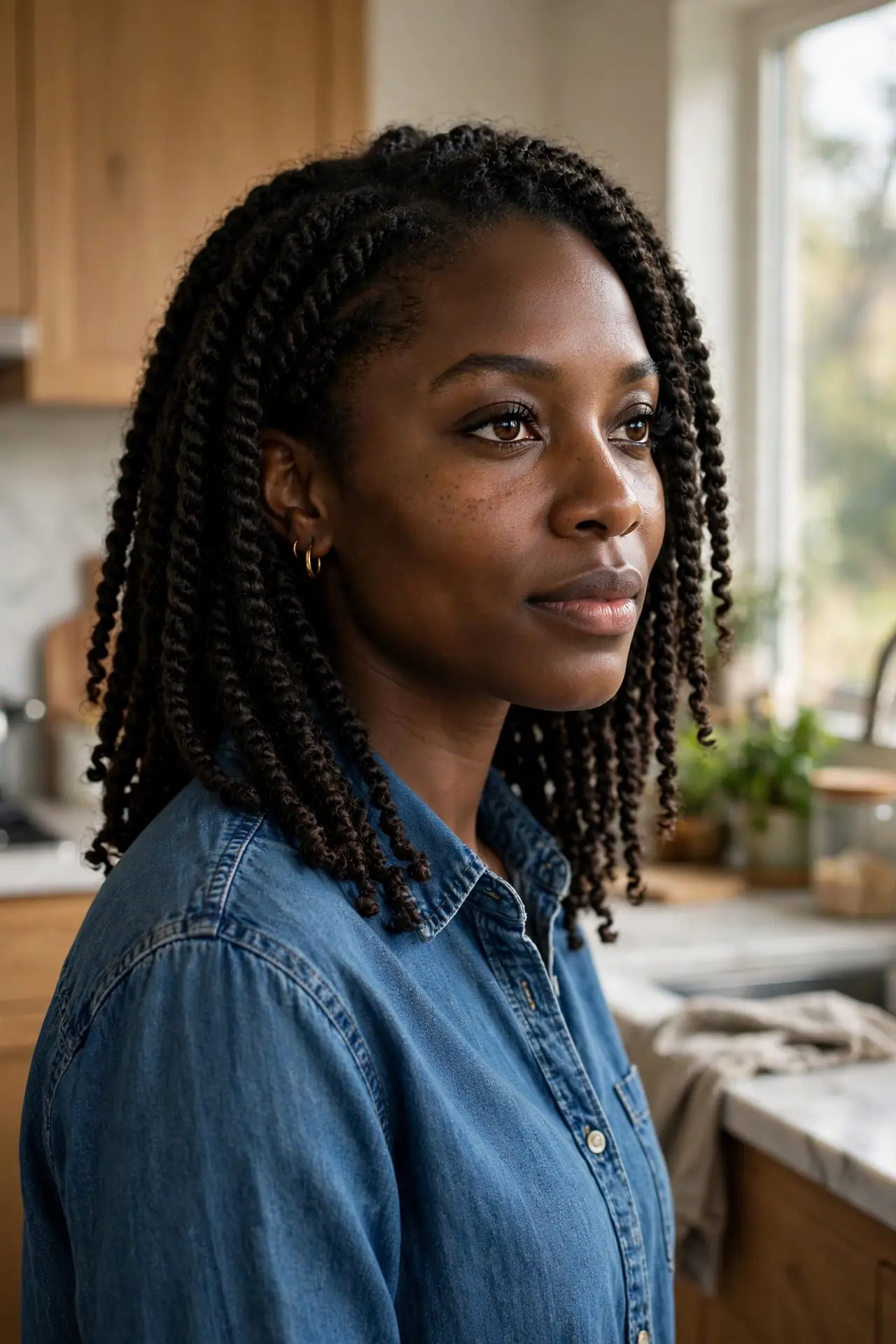
Two-strand twists are the starting point for a reason. You split a section in two, wrap the pieces around each other, and move on. No extension hair, no appointment, no special tools.
Work on damp hair with a little leave-in conditioner so the twists hold their shape. Medium sections give you a full look without an all-day install, and smaller sections last longer if you want more wear.
Twists like these usually last one to two weeks. When the roots start to look fuzzy, that is your cue to take them down, wash, and start fresh.
2. Jumbo Twists for Faster Installs
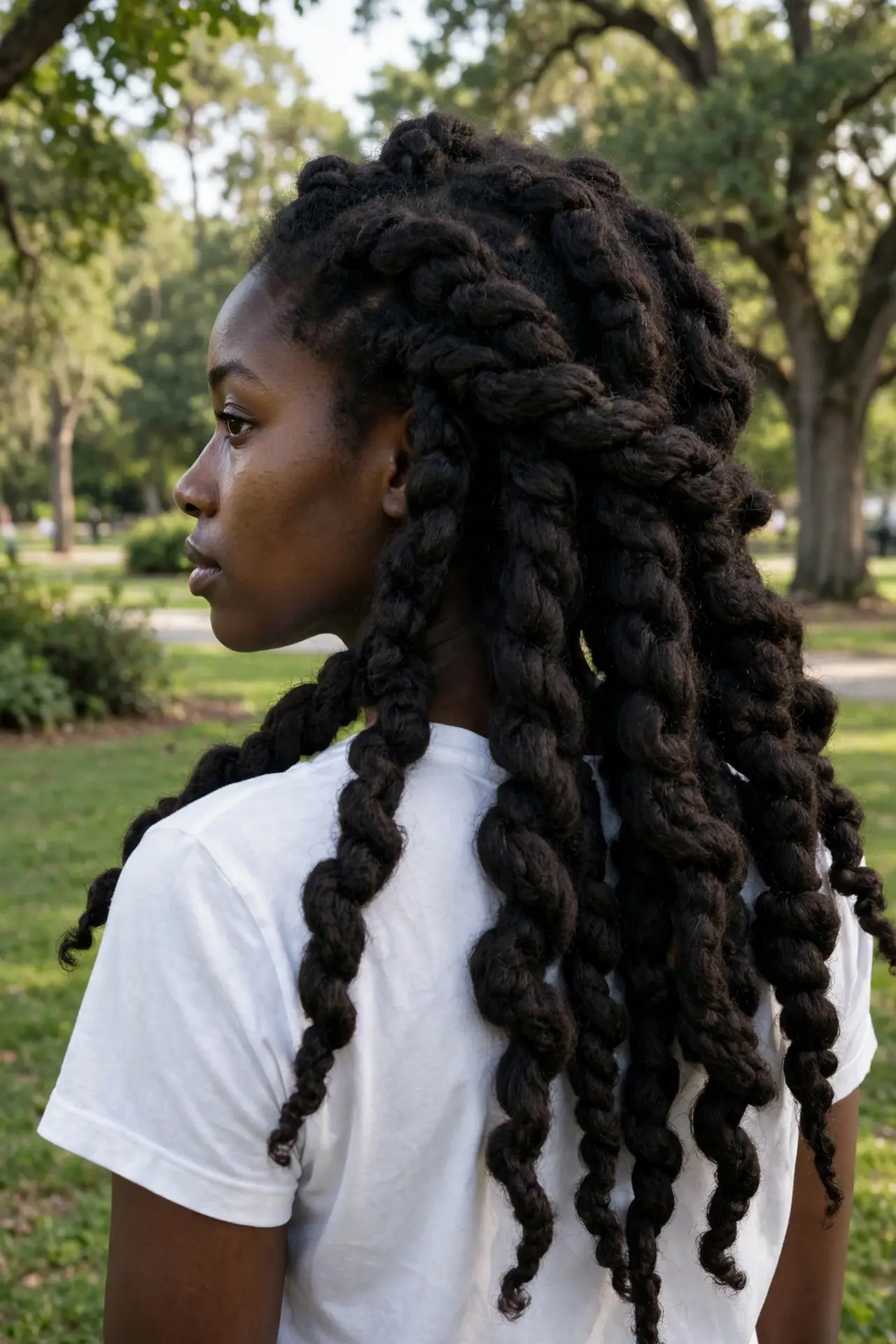
Short on time? Make the sections bigger. Jumbo twists use chunky parts, so a full head takes a fraction of the time that small twists take.
The chunky size changes the look too. Jumbo twists read bold and relaxed, and they are easy to pin up, pull back, or sweep to one side when you want a change.
Because each twist holds more hair, they can loosen faster than small ones. A satin bonnet at night slows that down, and a quick re-twist of the front pieces keeps the style sharp.
3. Flat Twist Crown
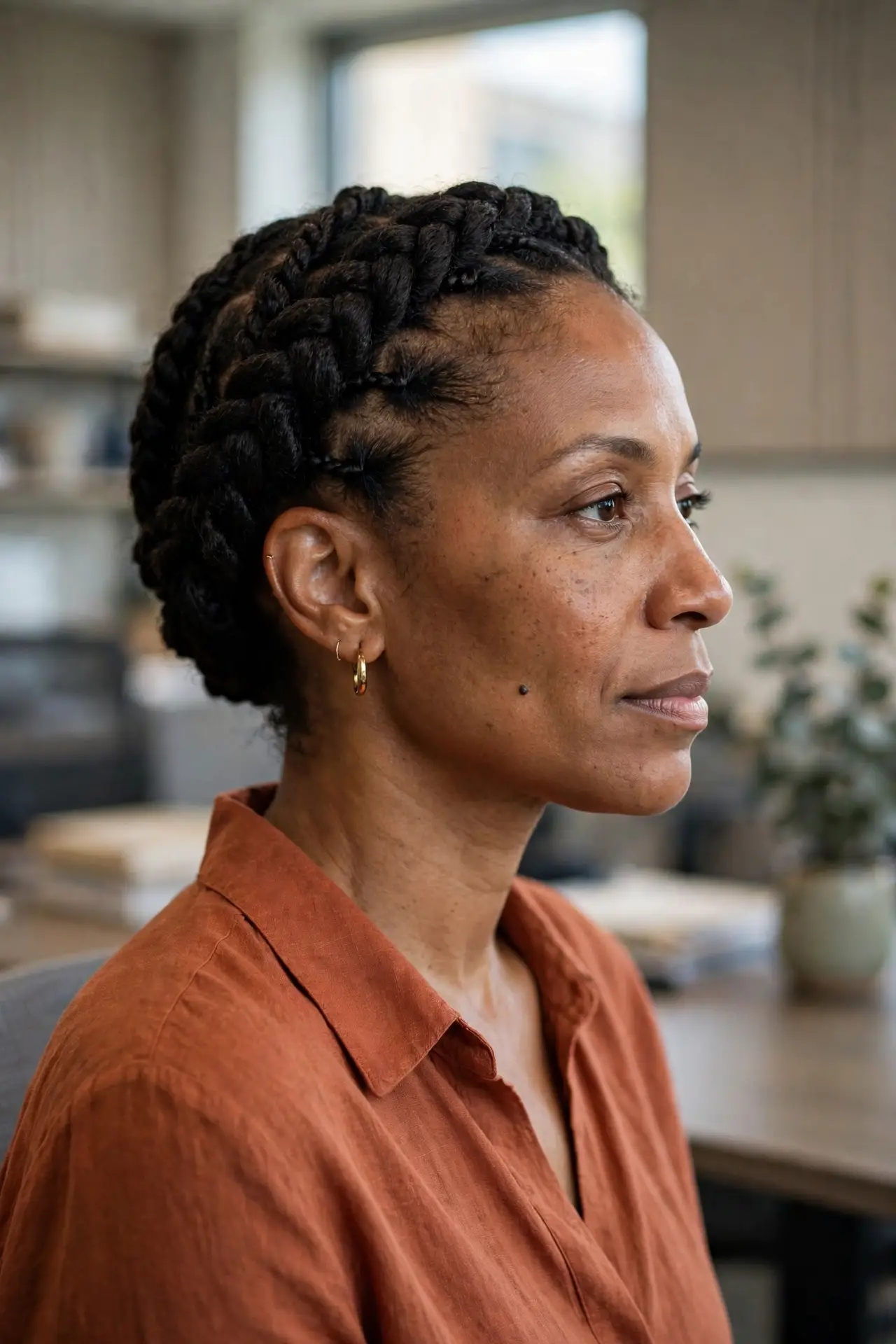
Flat twists sit against the scalp the way cornrows do, but you build them by twisting two strands and picking up hair as you go. A crown of flat twists keeps every strand off your neck and looks neat from every angle.
Start at one ear and work around the hairline, adding small amounts of hair as you twist. Pin the ends where they meet, and the crown holds itself together.
This one suits workdays and formal days alike. It stays flat under a headwrap or a hat, and it keeps your edges smooth without daily edge control.
4. Bantu Knots That Double as a Curl Set
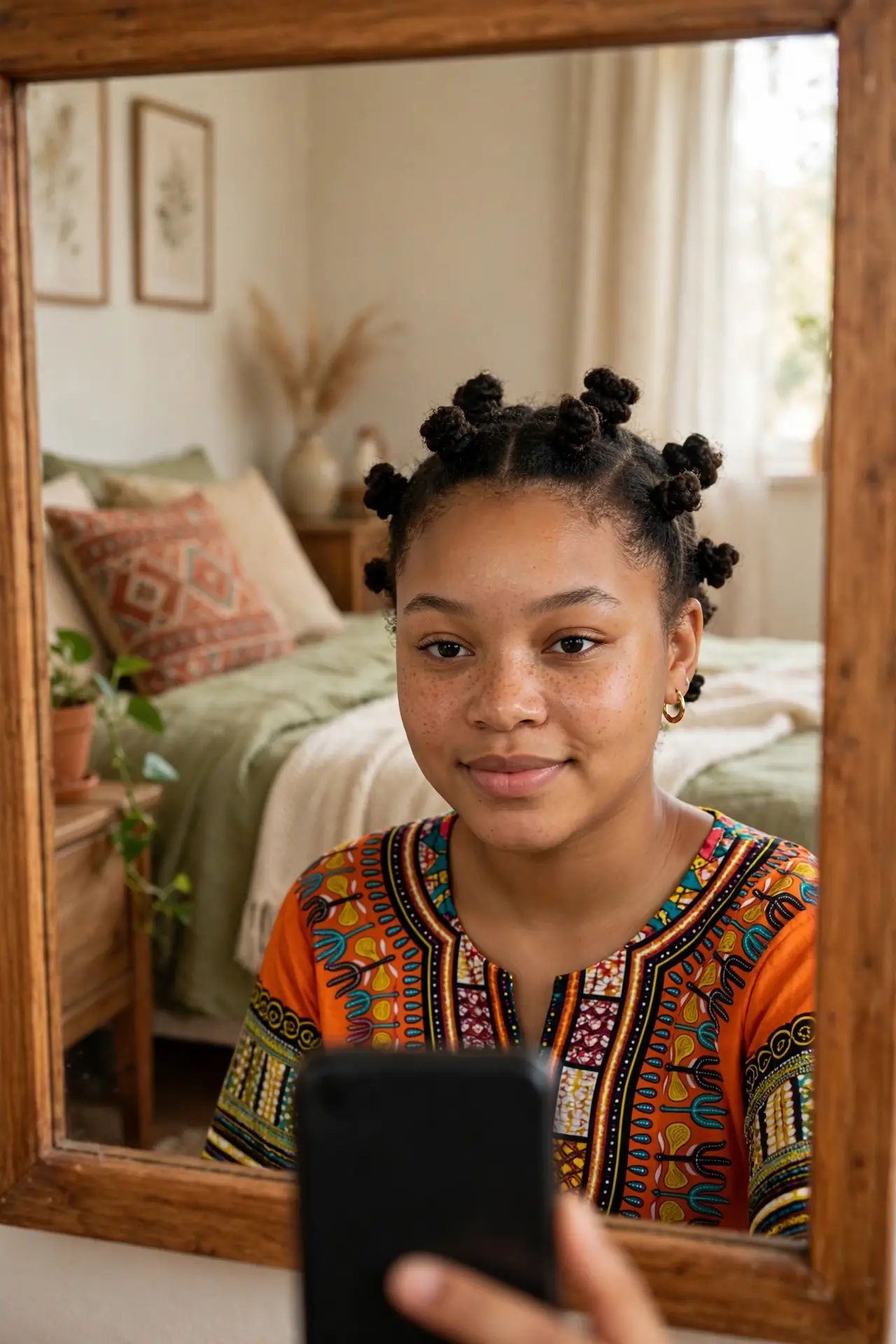
Bantu knots pull double duty. Wear them as knots for a day or two, then take them down for a head full of springy curls. Two styles, one install.
Section damp hair, twist each section, then coil it into a small knot and tuck the end under. The knots should feel snug, never tight. If your scalp pulls, loosen that knot and redo it.
When you take them down, separate the curls with oiled fingers instead of a comb. The curls stay defined longer, and you skip the frizz that a comb can bring.
5. The Twisted Low Bun

Some days you want your hair up and out of the way. Gather your twists low at the nape, coil them once, and pin through the coil. The whole style takes under a minute.
Pins through the coil carry the weight, so the bun stays put without a tight elastic pulling at your hairline. That matters on long days, when a tight style starts to ache by afternoon.
A low bun also stretches a twist install. When the front twists start to fuzz, the bun hides the wear and buys you a few more days.
6. Halo Twist for Dressier Days
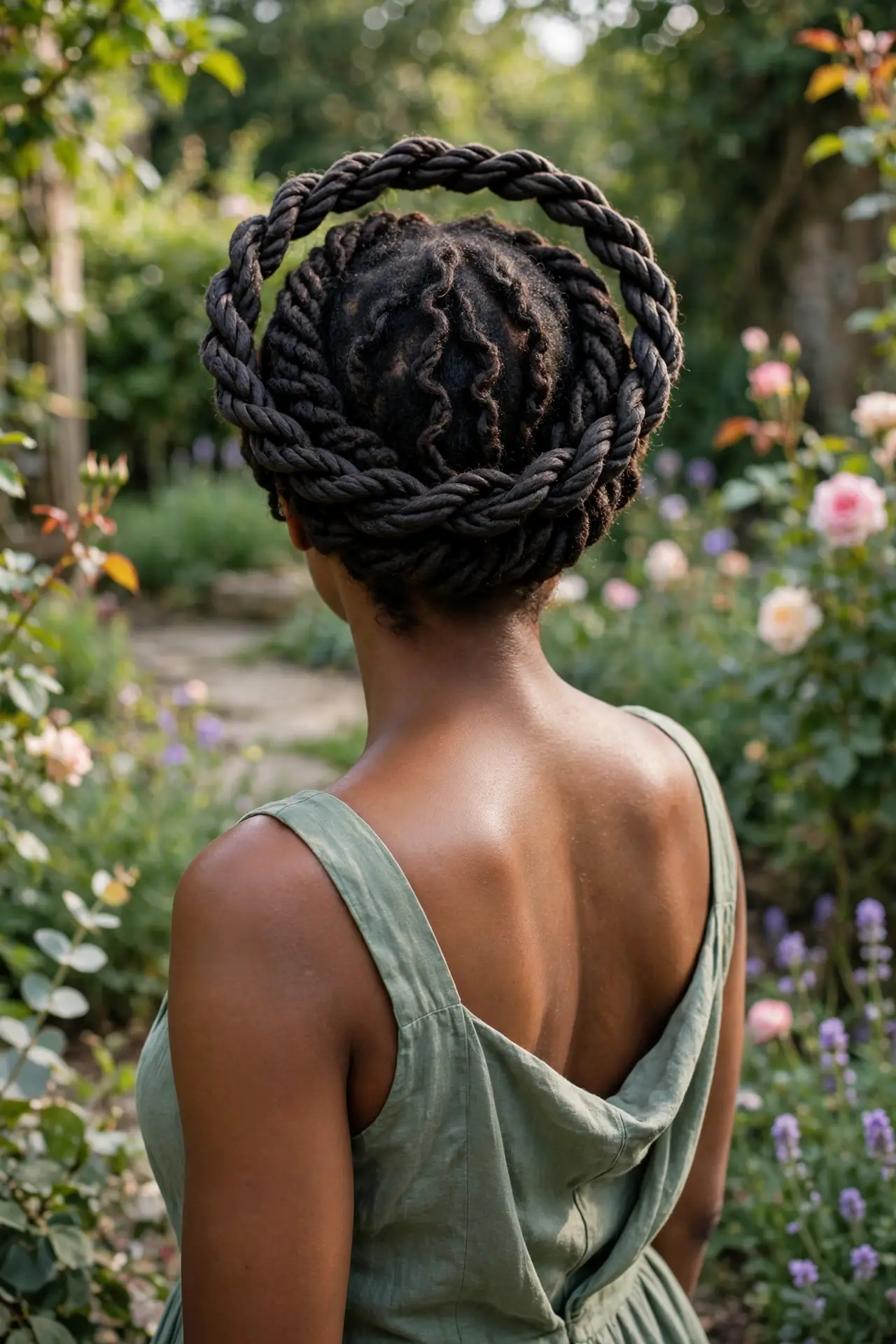
A halo twist looks far harder than it is. You make one long rope twist, wrap it around your head like a crown, and pin it in place. That is the whole style.
The rope twist itself is simple. Split a section in two, twist each piece in the same direction, then wrap the two pieces around each other in the other direction. The opposing twists lock together and hold.
This is the style to reach for when a plain bun feels too plain. It reads finished at weddings, dinners, and photos, and it keeps every end tucked away.
7. Half Wig, Zero Braiding
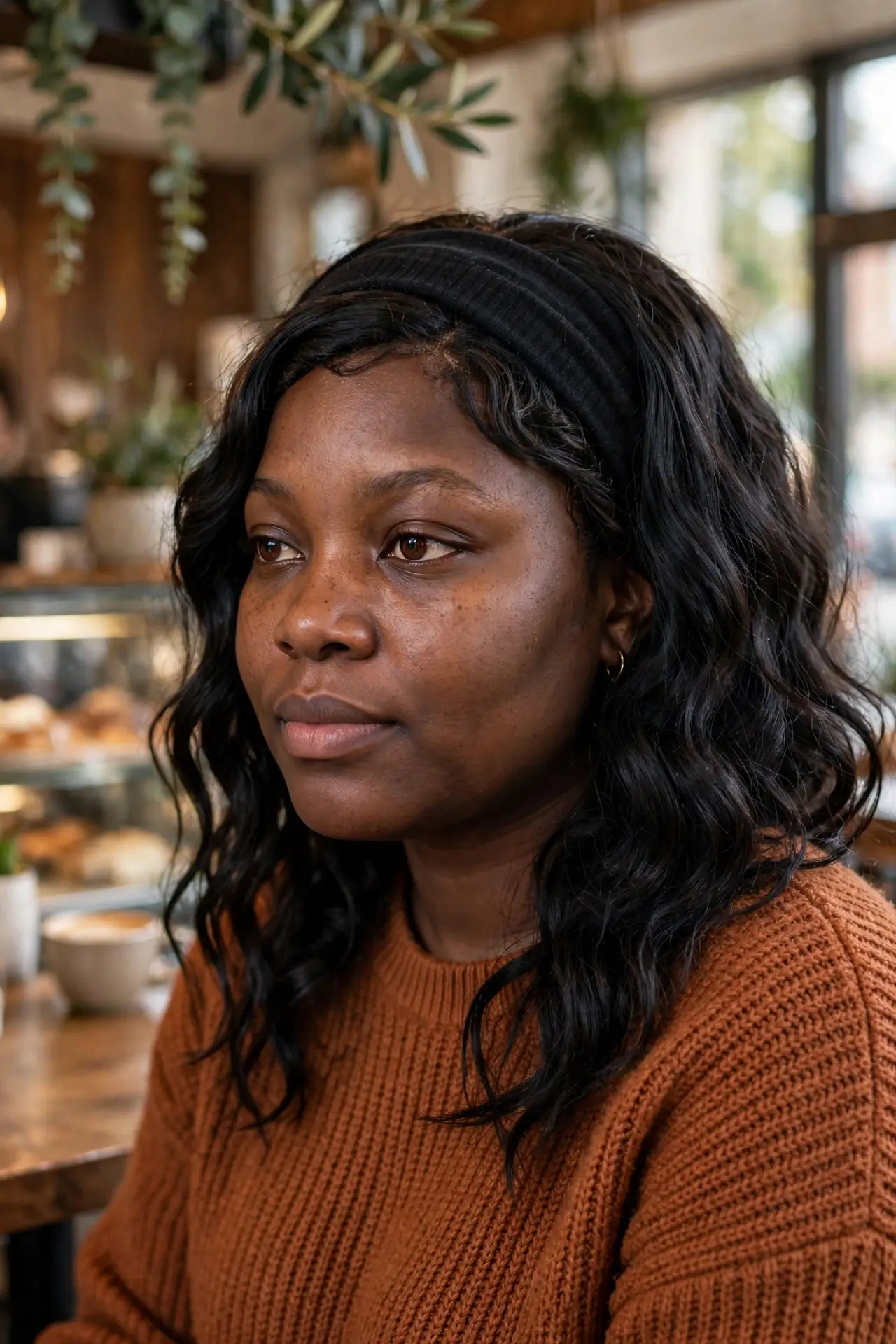
Not every protective style needs braiding. A half wig covers the back of your head while your own hair stays out at the front, blended with the wig hair. Your ends rest underneath, and your hairline gets no tension at all.
Blend the front by leaving a strip of your own hair out and matching the textures. A headband at the join hides the line and adds a finished touch.
A half wig is also the fastest reset in this list. On days when your twists look tired, the wig covers them and your week keeps moving.
8. The Headwrap Rest Day

Every protective routine needs a rest day. A headwrap gives your hair a full day off while you still look put together.
Wrap over twists, braids, or loose hair. Tuck your ends inside the wrap so they stay covered, and let the wrap take the weather, the wind, and the stares.
Keep a wrap in your bag for wash days and gym days. It turns a bad hair day into a style choice, and your ends get a break from handling.
What Makes a Style Protective
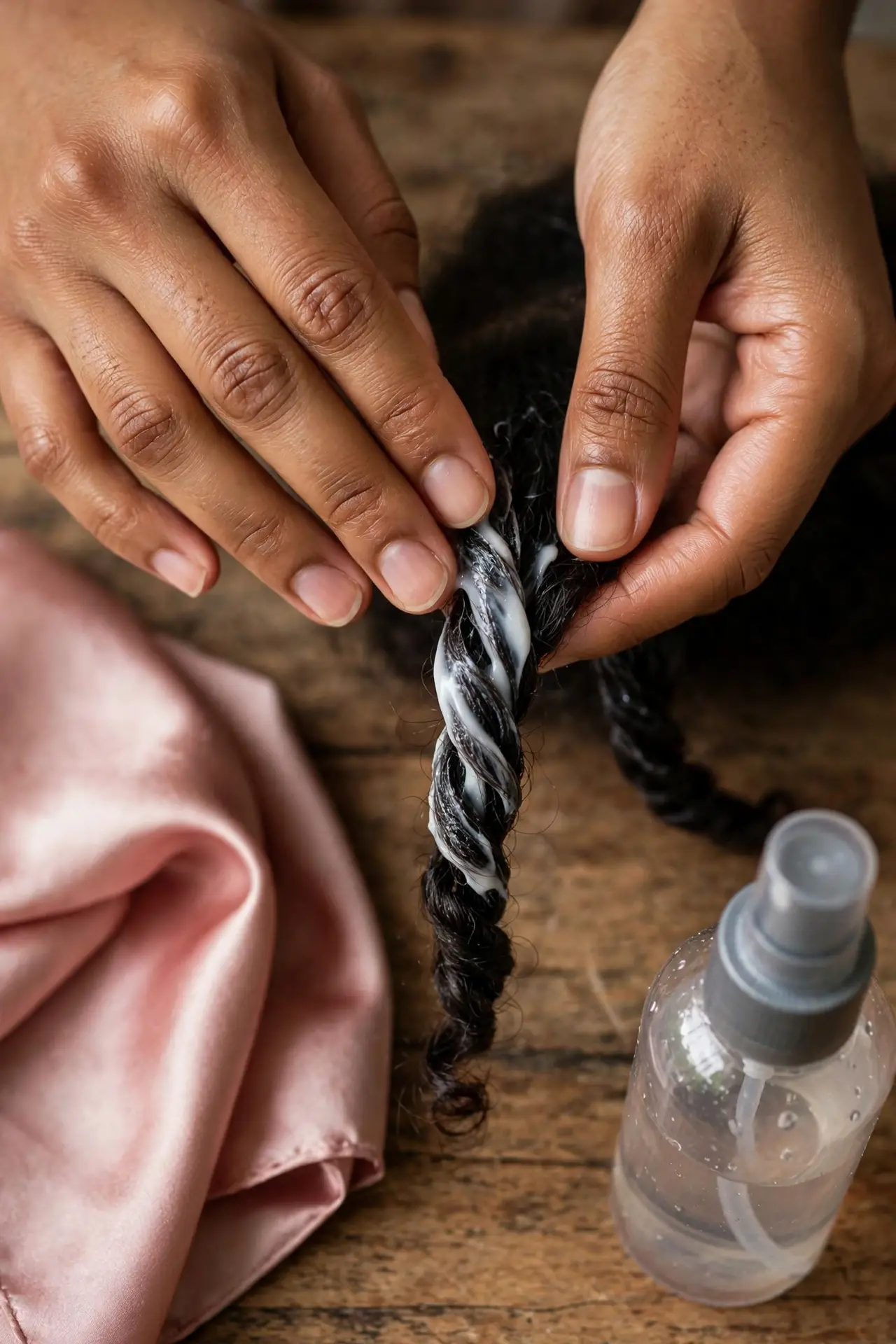
A style protects your hair when it does three things. It keeps your ends tucked away from rubbing and weather. It cuts down how often you comb, brush, and restyle. And it holds without pulling hard at your scalp or hairline.
Tension is the part to watch. A style that hurts on day one will not get better on day five. Soreness, bumps, or a headache mean something is too tight, and loosening it beats pushing through.
Length of wear matters too. Two to four weeks is plenty for most twists and knots. Longer than that, new growth starts to tangle at the roots, and takedown gets rough. Our braids for black women hairstyles guide covers longer braid installs if you want weeks of wear, and hair twist styles round out the twist family.
Night Care in Five Minutes
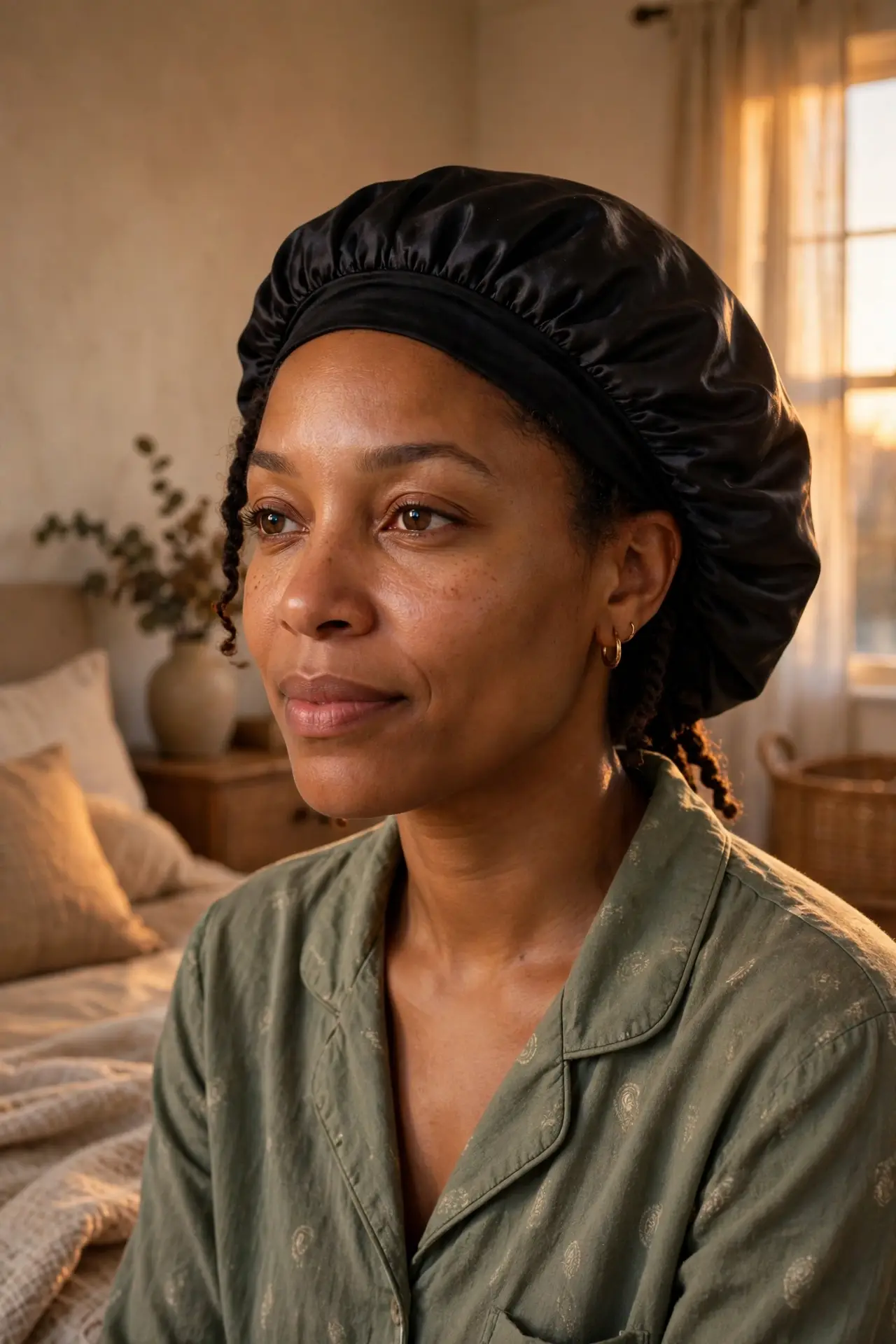
Night care decides how long a simple style lasts. Gather your twists loosely, put on a satin bonnet, and you are done. Satin keeps moisture in and friction down, so twists stay smooth for days longer.
If your scalp feels dry, dab a little oil along the parts before the bonnet goes on. Keep it light. A heavy hand with oil builds up fast and leaves your scalp itchy.
Wash every one to two weeks, even in a protective style. Diluted shampoo pressed along the parts cleans without unraveling the twists. Let everything dry fully before you cover it again. Our scalp care routine covers the wash day steps, and our hair care routine keeps the full week on track.
The American Academy of Dermatology advises gentle handling and low tension to protect hair, and a rest week between installs lets your scalp recover. For the classic long-wear option, our box braids guide covers the same scalp rules.
Quick Answers

How long can I keep simple protective styles in?
Most twists, knots, and wraps last one to four weeks. Take them down when the roots start to tangle or the style looks fuzzy, even if it still feels fine.
Do protective styles help hair grow?
They help you keep the length you grow. Less combing and less heat mean fewer broken ends, so your hair holds onto its growth instead of snapping it off.
How often should I wash my hair in twists?
A wash every week or two keeps things fresh. Work diluted shampoo along the parts, rinse well, and let the twists dry fully before you cover them.
Can I work out with twists in?
Yes. Pin the twists up or wrap them, and rinse your scalp with water after a sweaty workout. A quick dry and a bonnet keep the style fresh.
Pick the simple protective hairstyles for natural hair that fit your week. Start with the one you can do tonight, keep the care light, and let the style do the quiet work of protecting your ends.