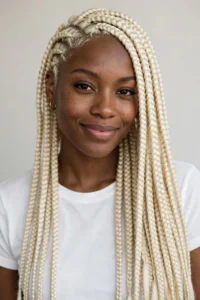
Twists are the quiet workhorses of protective styling. They look polished, they last for weeks, and the technique is simpler than braiding once your fingers learn the motion.
These seven hair twist styles cover everything from everyday wear to occasion looks. Pick one based on how much time you have this weekend.
Classic Two-Strand Twists
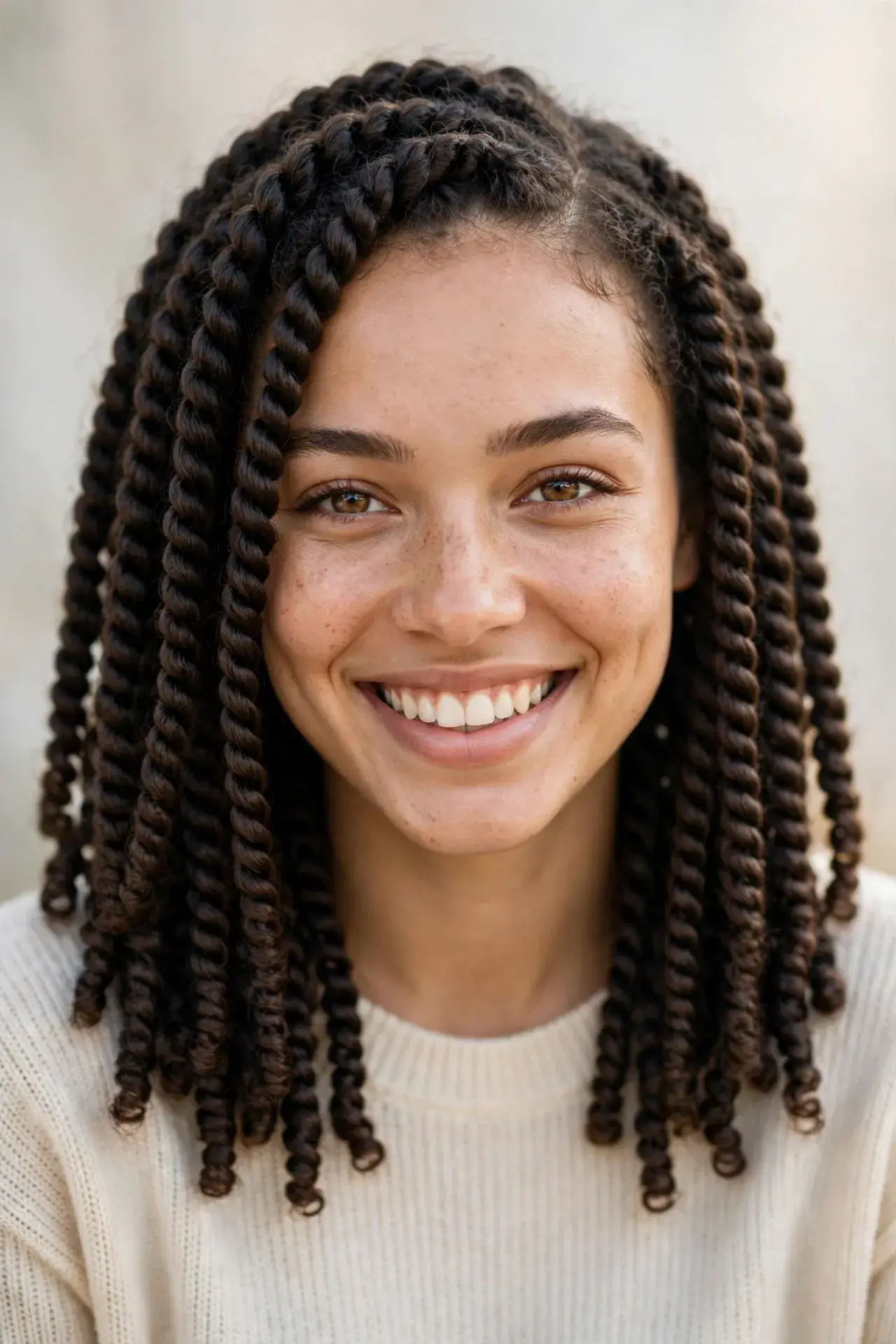
Divide a section of hair in two and twist the strands around each other to the ends. That is the whole technique. The magic is in the prep: moisturized, stretched hair gives the smoothest result.
Wear them shoulder length or long, loose or pinned up. They are the base for half the styles on this list, so they are worth learning first. Allure has a good twist-out tutorial that walks through the unravelling step in detail.
Flat Twists That Lay Sleek Against the Scalp
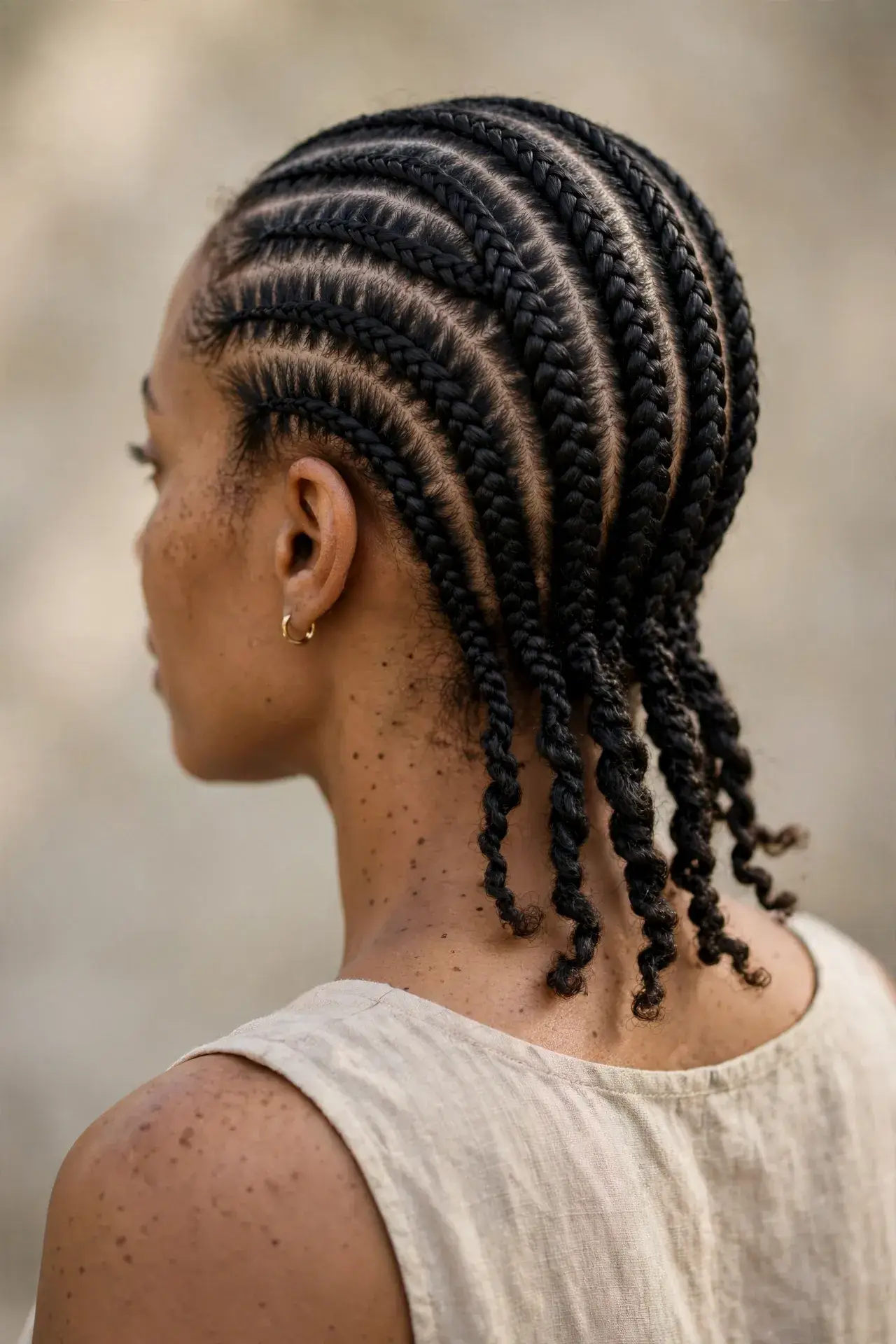
Flat twists are the twist version of cornrows. You work along the scalp, adding hair as you go, so the twist sits flat instead of hanging free.
They make a beautiful style on their own, and they are also a great base under wigs or sew-ins. Keep the parts clean and the edges smooth and they read as very polished. Pairing twists with a warm shade, like these teddy bear brown hair tones, makes the pattern pop.
The Twist-Out for Bouncy Definition
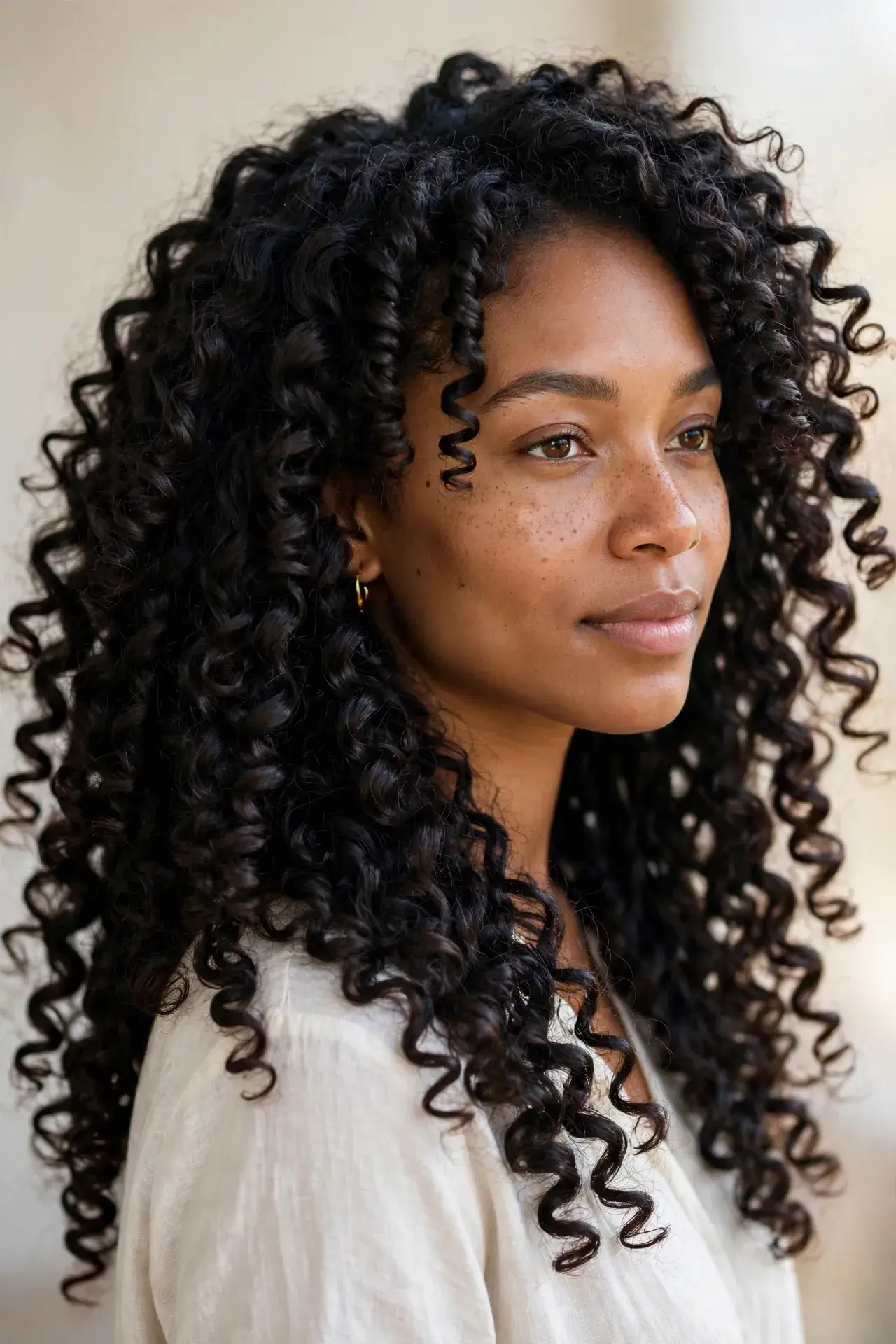
Do your two-strand twists, let them set fully dry, then unravel them one by one. Separate each curl gently for volume, but do not overdo it or you will get frizz instead of definition.
The result is springy, stretched curls that last for days with nighttime pineapple protection. This is one of the most loved twist styles for a reason. It photographs beautifully and works on a wide range of textures.
Twisted Low Bun Updo
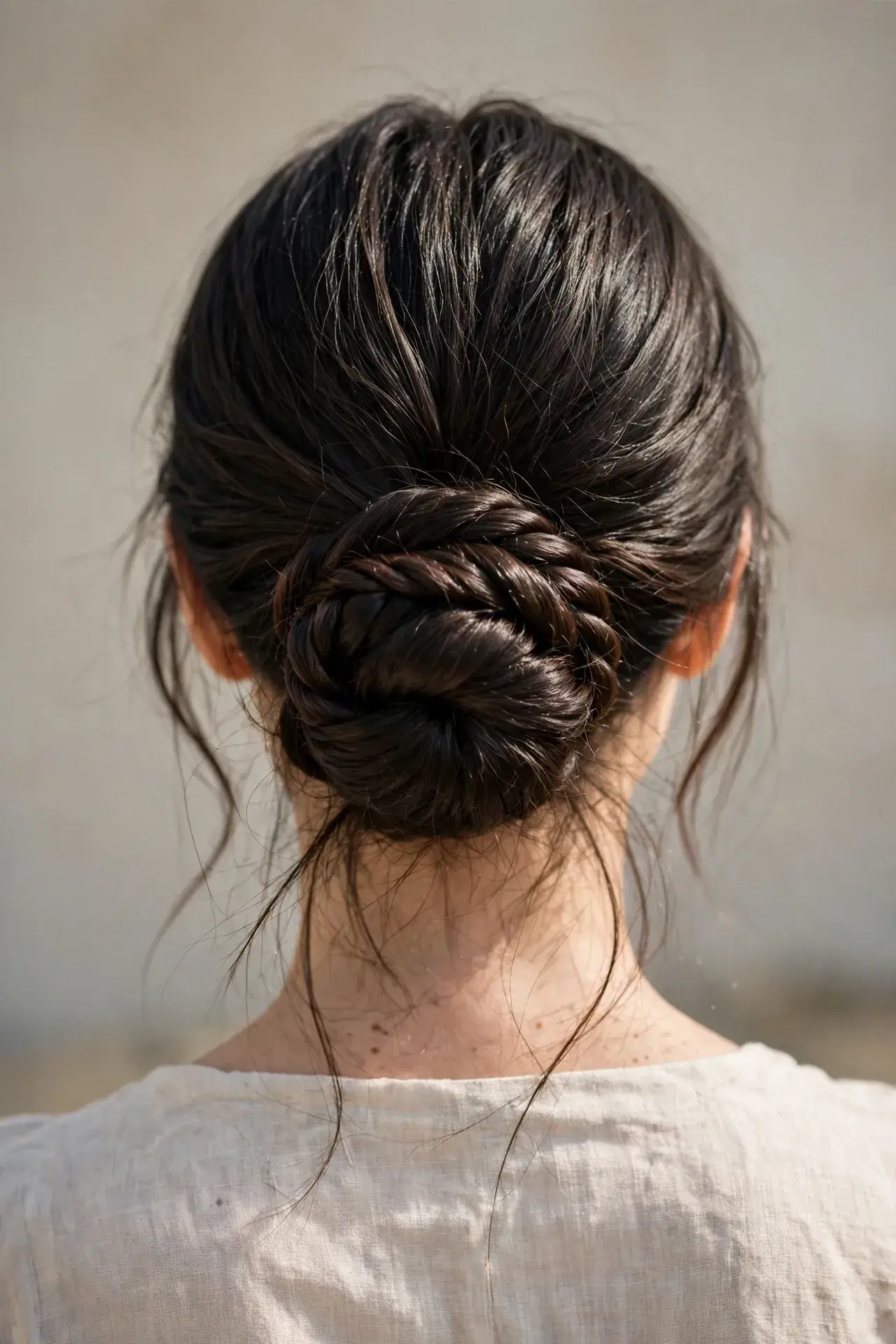
Twist the hair into rope twists, then wrap and pin them into a low bun at the nape. Tuck the ends under so nothing sticks out.
This is my pick for weddings and work events. It looks intricate but takes twenty minutes once your twists are in. A few soft tendrils around the face keep it from feeling too formal.
Half-Up Twisted Crown
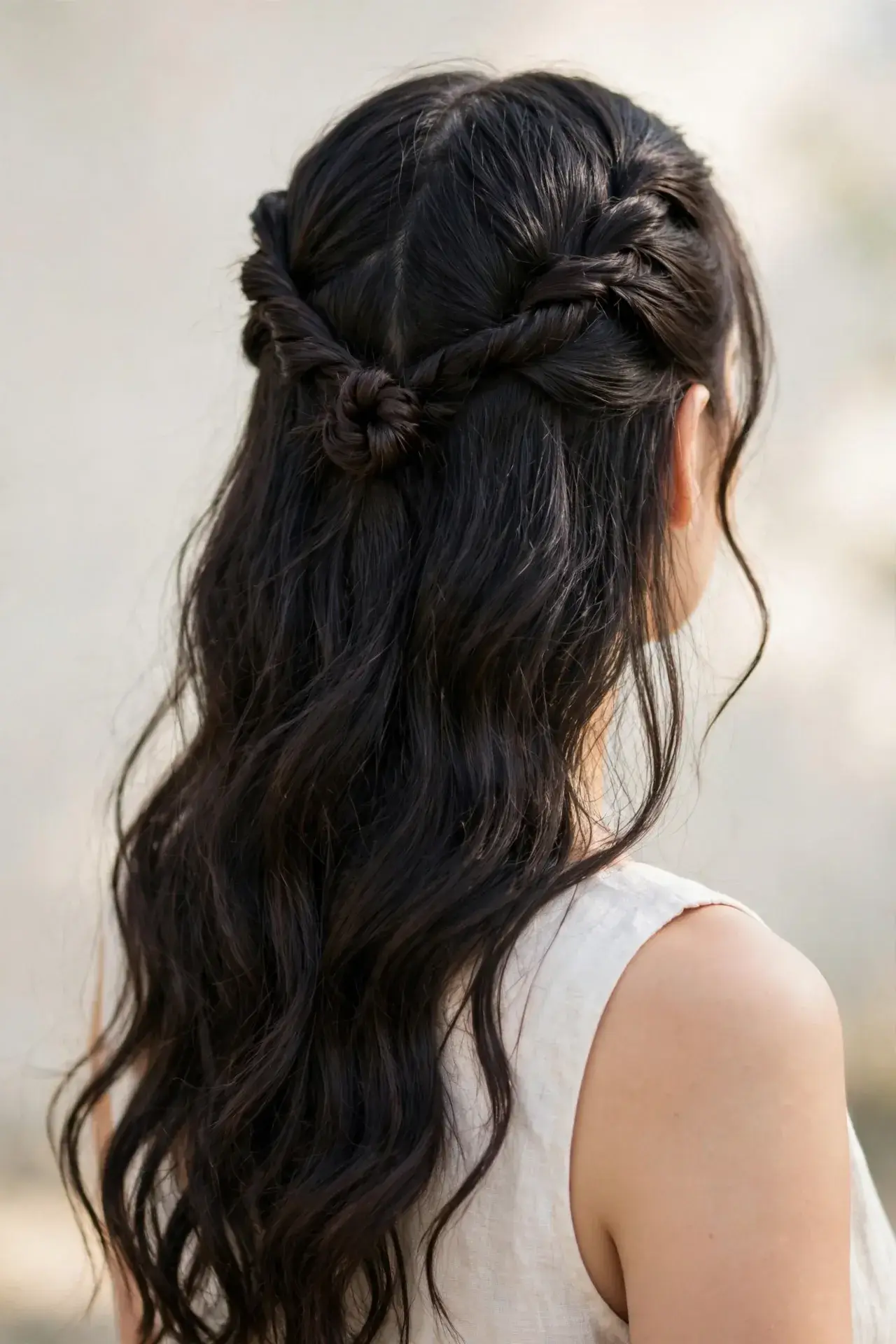
Take two thick twists from each temple and bring them to the back of your head, joining them into a small bun or a pinned knot. Leave the rest of your twists loose and flowing.
It keeps hair out of your face while showing off the length. If you are new to styling twists, the quick braids guide has parting tips that transfer nicely to this style.
French Rope Twist
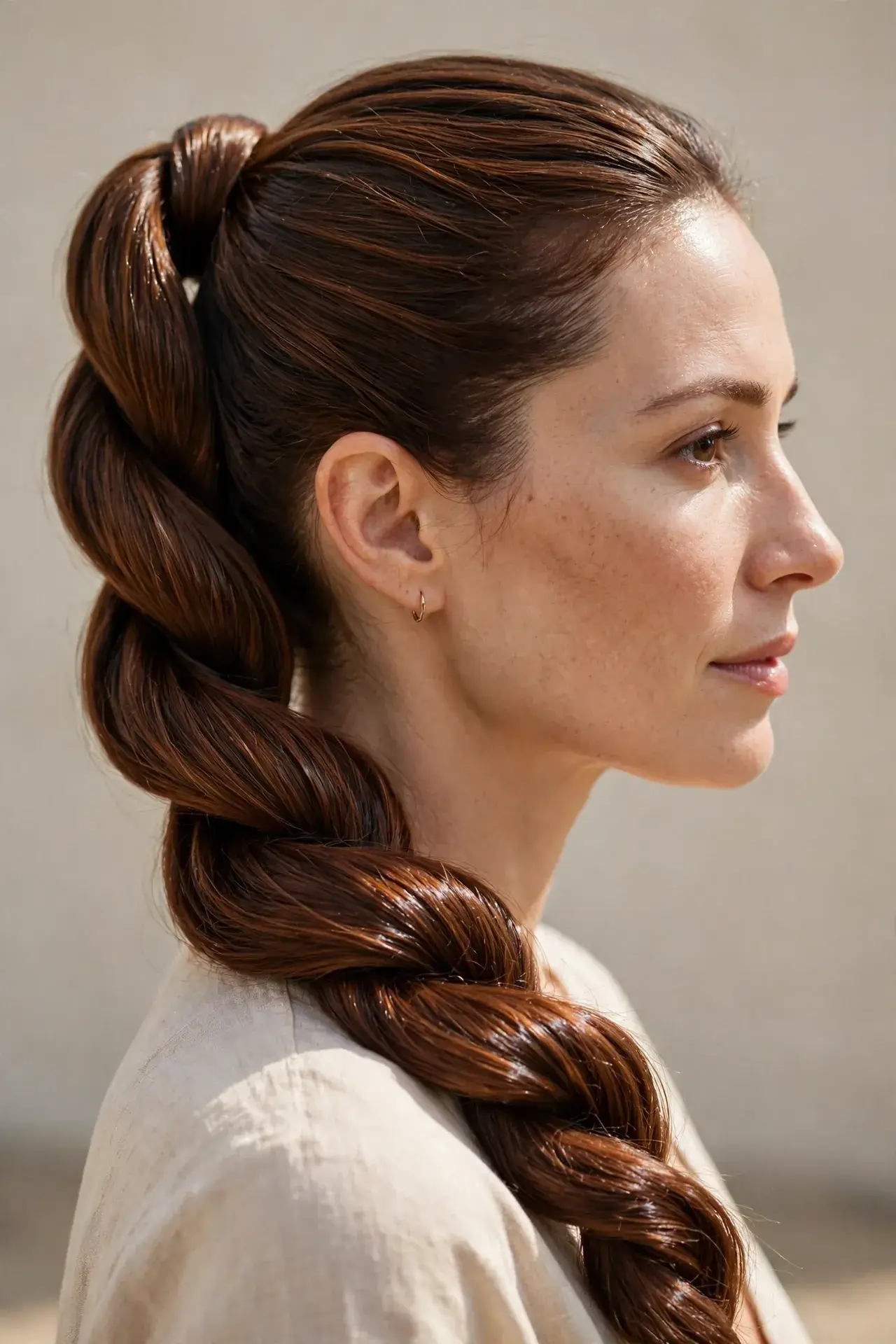
Gather the hair to one side and divide it into two sections. Twist each section the same direction, then wrap them around each other in the opposite direction. That counter-twist is what locks it in place.
The result is a smooth rope that looks far harder than it is. Wear it over one shoulder for a soft evening look, or down the back for something sleeker.
Long Twists in a High Ponytail
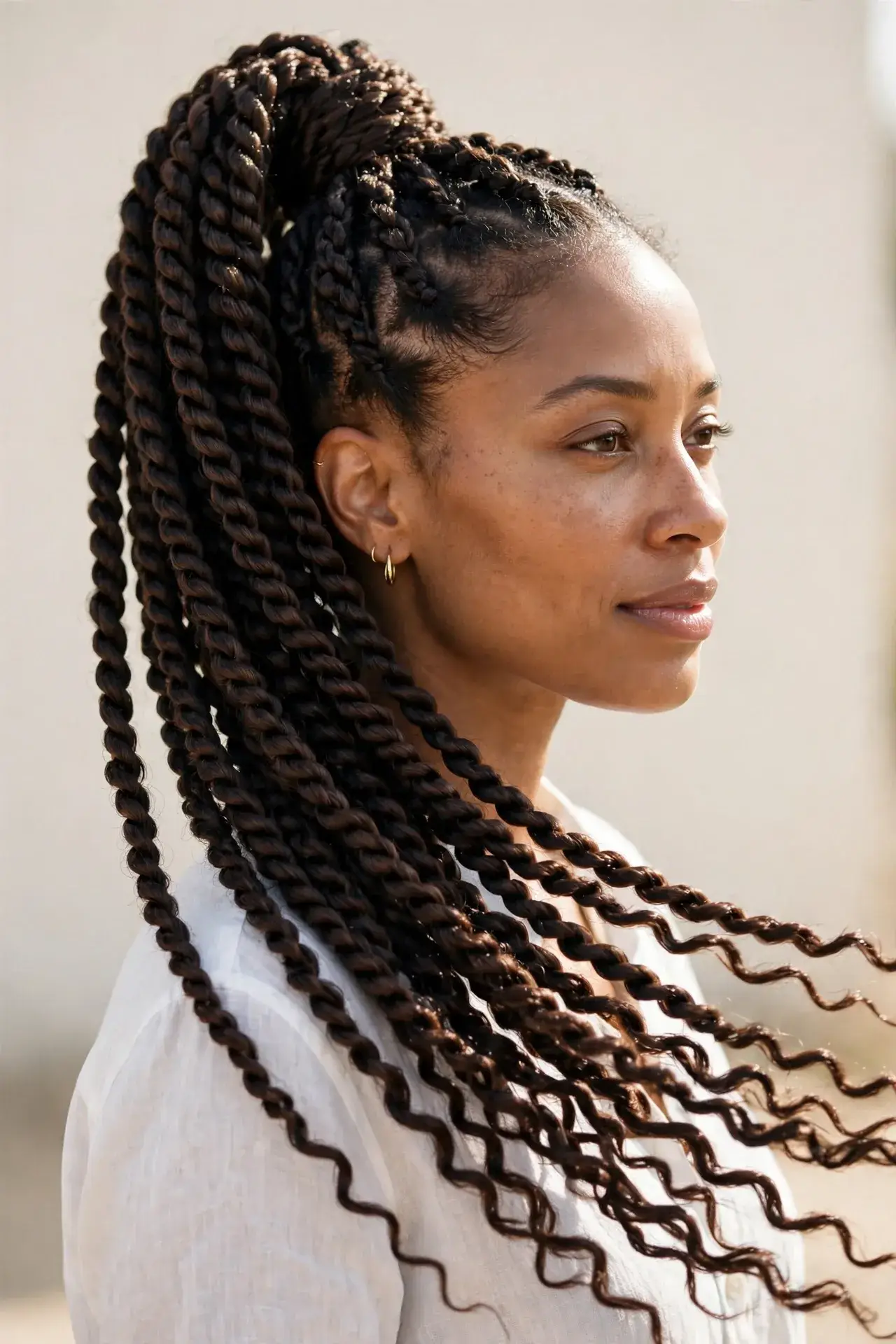
Gather all your twists into a high ponytail at the crown and secure with a covered band. Let them cascade down for drama and movement.
This style shows off length and makes a strong silhouette. Wrap one twist around the base to hide the band. For a longer-term protective option with similar energy, these knotless braids are worth a look.
Frequently Asked Questions
How long do two-strand twists last?
On well-prepped hair, two to four weeks is realistic. Keep the scalp moisturized and sleep in a satin bonnet. When the roots start looking fuzzy and the twists lose their shape, it is time to take them down.
Are twist styles good for natural hair growth?
Yes, twists are a classic protective style because the ends stay tucked and undisturbed. Less manipulation means less breakage. Just do not install them too tight, tension at the hairline causes more harm than good.
What is the difference between twists and braids?
Braids use three or more strands woven over and under each other. Twists use two strands wrapped around each other. Twists are usually faster to install and give a softer, fuller finish when unravelled into a twist-out.
Can I do twist styles on short hair?
Absolutely. Flat twists and mini two-strand twists work on short lengths and look great. For a twist-out on short hair, make smaller twists so the unravelled curls have enough definition to hold their shape.