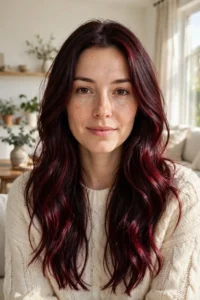
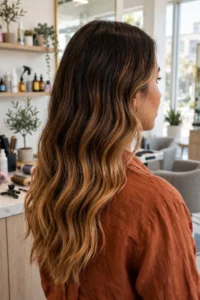
Grey hair used to mean two choices: cover every strand, or let it all grow out. There is a third option now, and it is quietly taking over salon chairs.
Grey blending works with your greys instead of against them. Fine babylights, a few lowlights, and a toner pull the silver into your color so it reads as dimension, not regrowth.
Here is how grey hair blending actually works, who it suits best, what it costs, and why the grow-out might be the best part.
What Grey Blending Actually Is

Grey blending is a coloring technique that softens the contrast between your grey strands and the rest of your hair. Instead of painting every strand one flat shade, your colorist weaves the grey into the overall color.
The result looks like expensive, dimensional color. Nobody clocks it as grey coverage.
It works on any base shade. The method shifts with how much grey you have and how dark your base is, but the goal never changes: no hard line anywhere.
Blending vs Full Coverage: The Real Difference
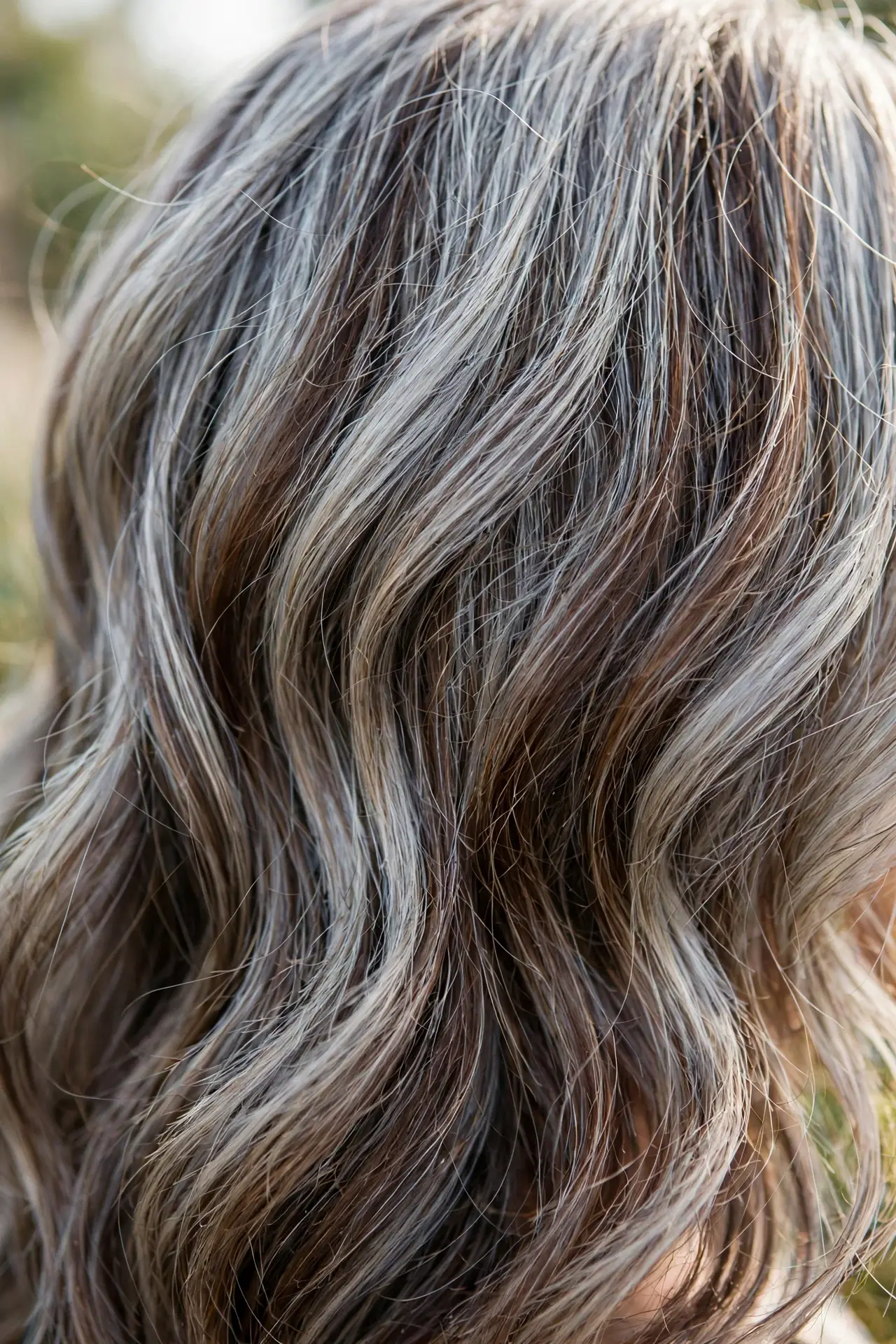
Full coverage takes every strand to the same level with permanent color. It hides grey completely, then draws a solid line the moment roots grow in. Most people are back within a month.
Blending uses demi-permanent color, highlights, and lowlights to pull the grey into the mix. The grey is still there. It just stops looking like regrowth and starts looking like part of the plan.
The trade-off is honesty. Blending will not erase every silver strand. If you want zero visible grey, coverage is still your answer.
Babylights: The Workhorse of Grey Blending
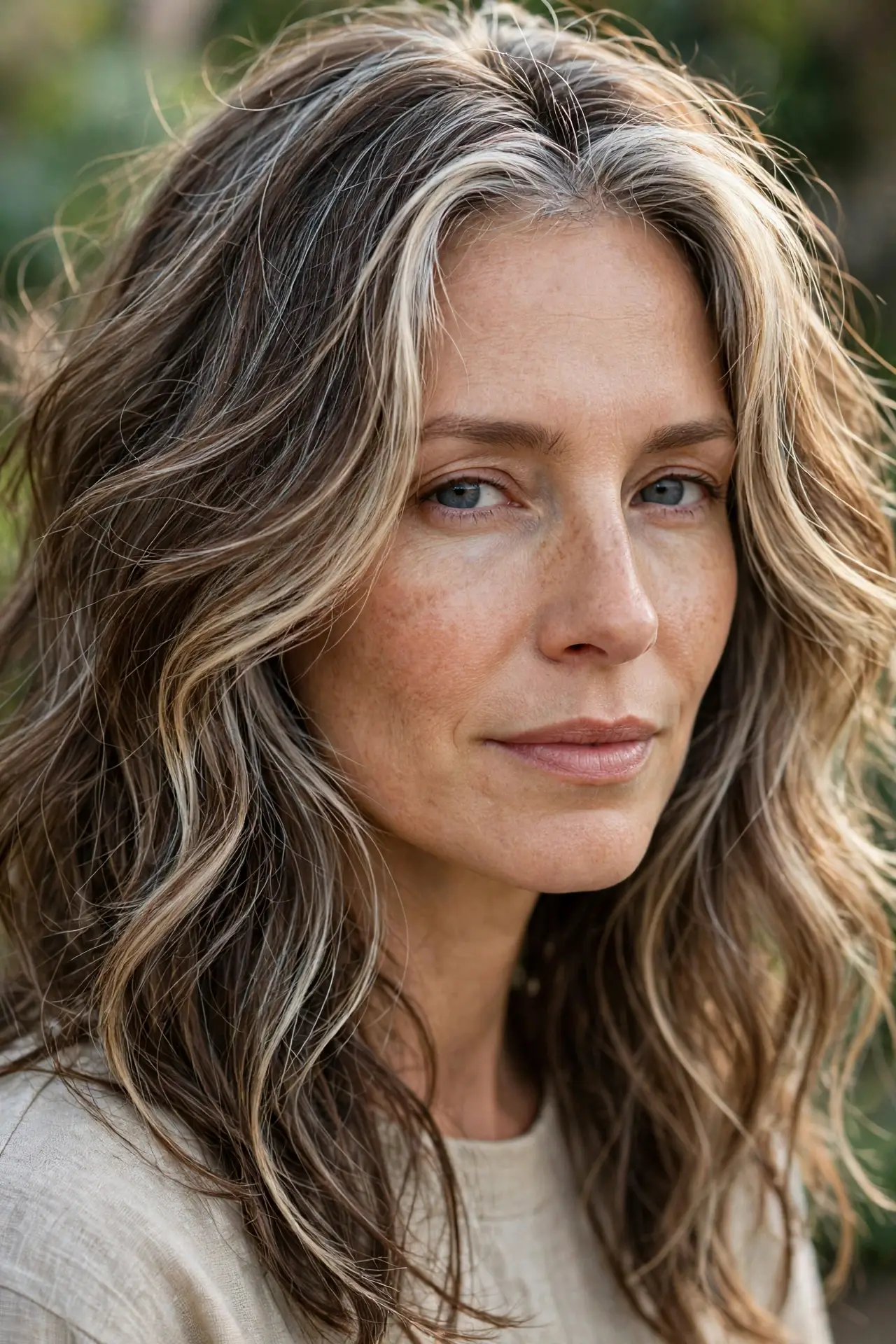
Babylights are the finest highlights a colorist can paint, thin as a baby's hair. They are the main tool in grey blending because they mimic the way light hits natural grey.
Your stylist places them where grey shows most: the hairline, the part, and the crown. The light pieces sit right next to your silver strands, so the eye cannot tell which is which.
That fine, scattered lightness is what people mean when they call color "expensive." Our balayage hair color ideas show how freehand lightness builds the same dimension.
Lowlights That Add the Depth Back
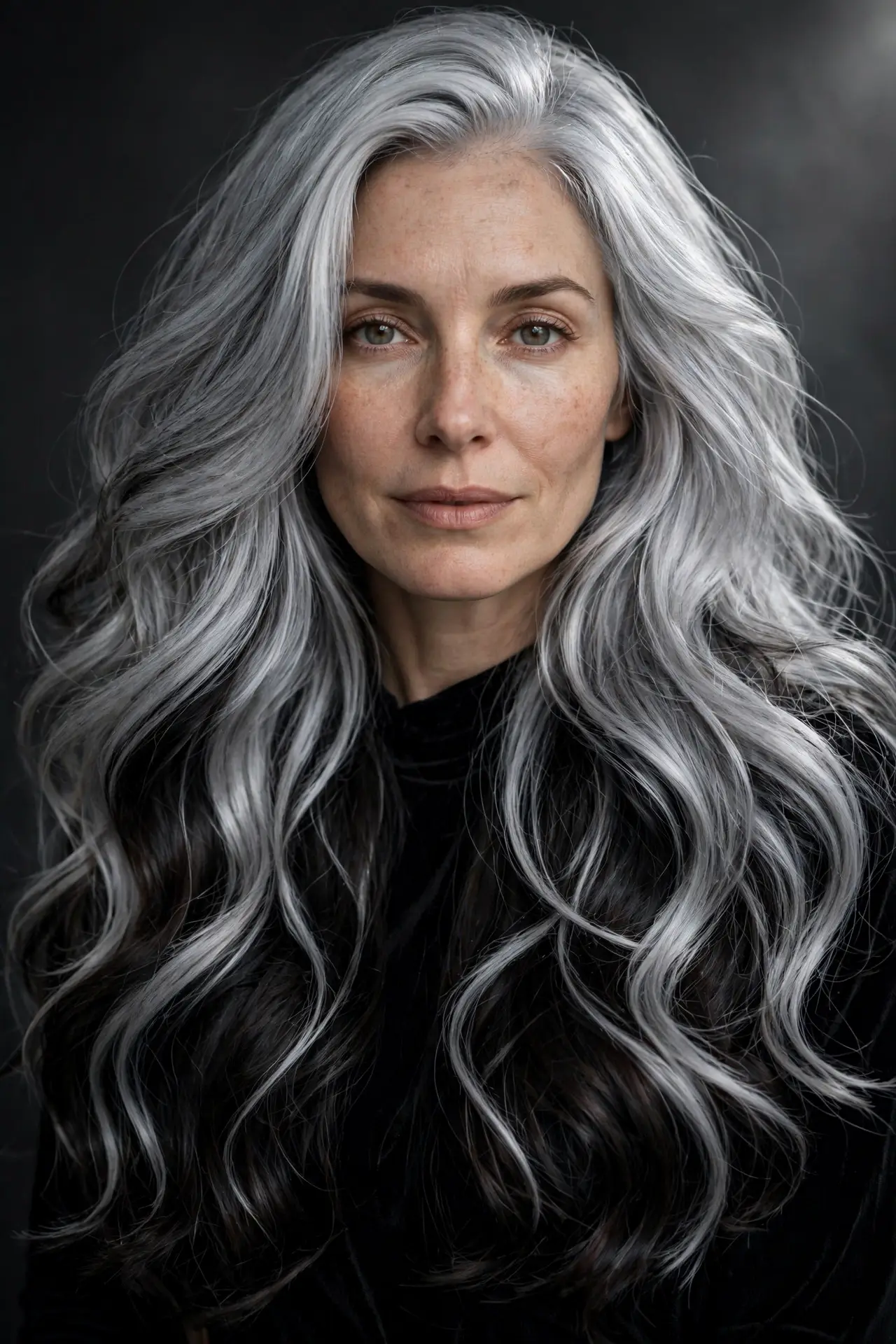
Highlights alone can wash you out, especially if your base is dark. That is where lowlights come in. Your colorist weaves in strands a shade or two deeper than your base to rebuild contrast.
Lowlights keep blended hair from looking flat or frosty. They give the silver something to sit against, the way natural grey catches light.
On dark hair this step matters most. A deep espresso base with woven lowlights stays rich instead of ashy. Our espresso hair shades show the depth that makes blending work on brunettes.
Toner and Gloss: The Finishing Move
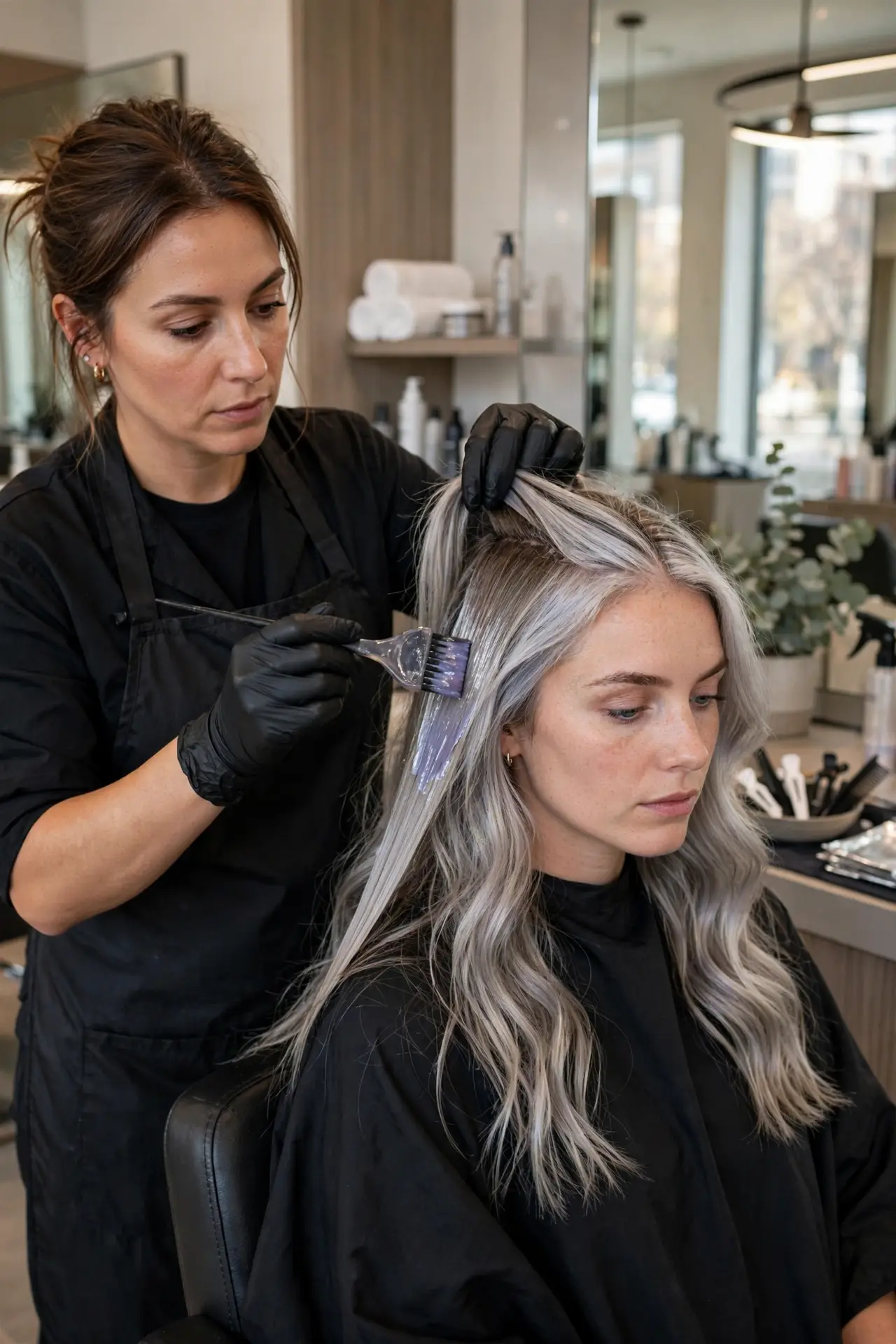
After the babylights and lowlights comes toner or gloss over everything. This is the step that melts it all together.
Toner adjusts the undertone. It can cool down brassiness, add a smoky silver cast, or warm things up, depending on what suits you. A clear gloss adds shine without changing the shade, which matters because grey hair can look dull on its own.
Think of toner as the filter on the photo. It makes the highlights and lowlights look intentional, and it fades over a few weeks, which is why gloss refreshes exist.
Who Grey Blending Suits Best

Blending shines when you have some grey but not all grey. Roughly a quarter to three quarters silver is the sweet spot, enough for the technique to work with, not so much that there is nothing to blend into.
It suits every age. Women in their thirties soften early temple greys with it. Women past fifty use it to transition out of years of full coverage. Our haircuts for over 50 roundup pairs well if you are refreshing the cut too.
It also suits anyone tired of the root treadmill. If your calendar revolves around touch-up appointments, blending hands you your time back.
Blending on Dark Hair (the Tricky One)
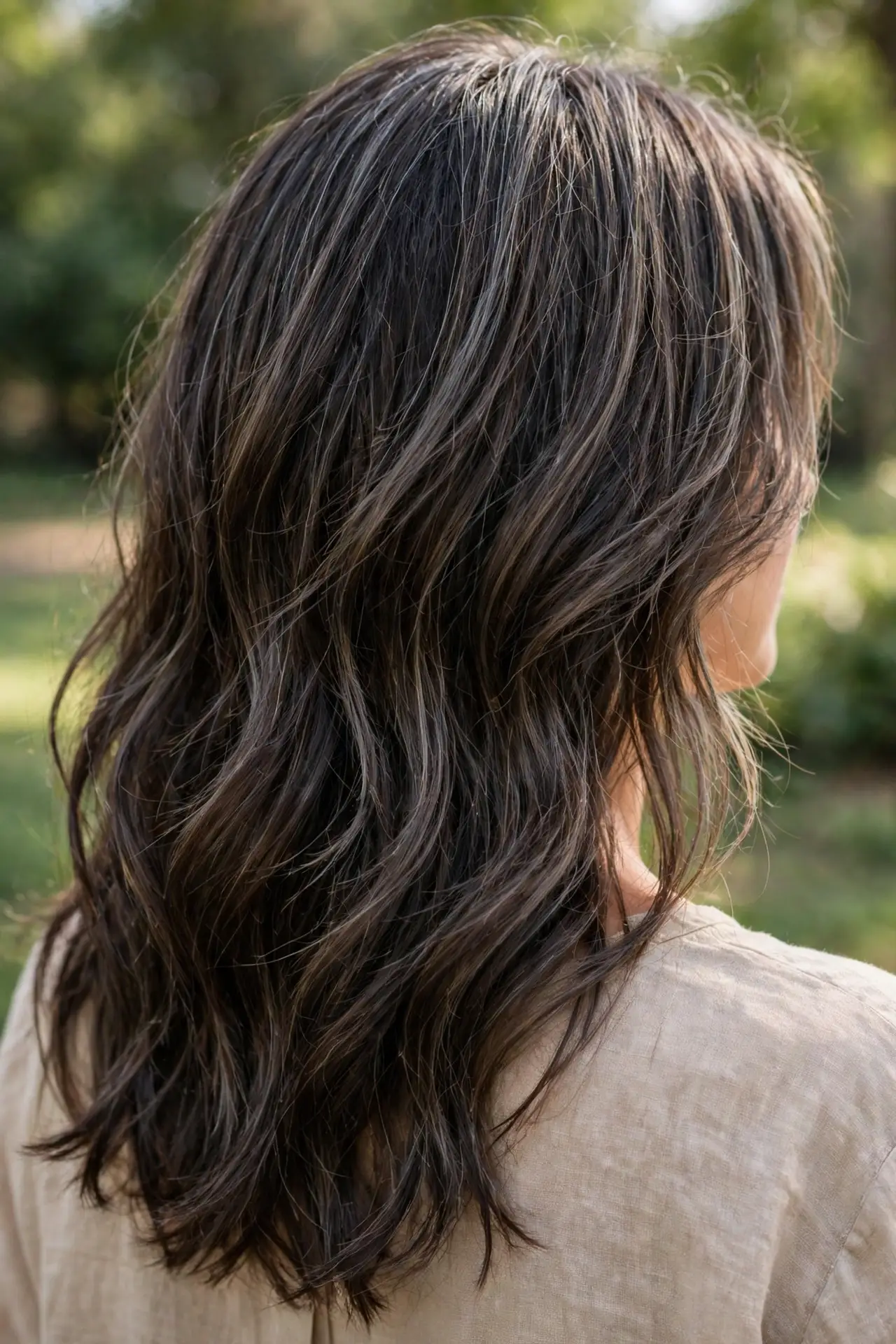
Dark hair is the hardest canvas for grey blending, because the contrast between silver and near-black is so stark. It can be done, but it takes more sessions and more skill.
The usual approach lifts the base slightly with babylights while adding lowlights between your natural shade and the grey. The goal is a soft, smoky brunette where silver reads as sparkle.
Be wary of anyone who promises it in one appointment on very dark hair. Good blending on a dark base is a project, not a quick fix. If you love deep shades, our dark red hair color ideas show how rich color and dimension can coexist.
The Grow-Out: Why Maintenance Is the Selling Point
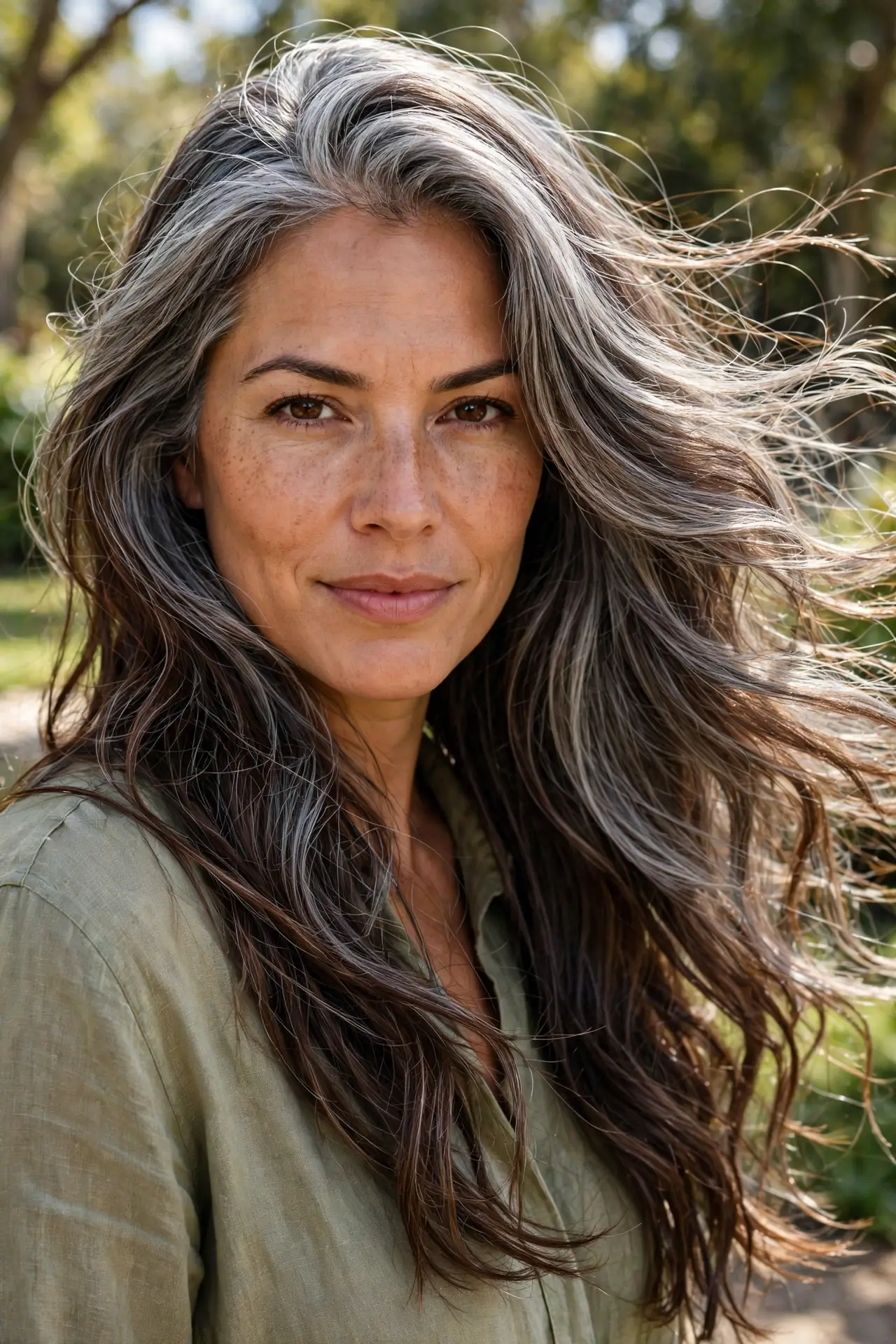
Here is the part that converts people. Blended grey grows out without a line. There is no skunk stripe, no obvious moment when your roots announce themselves.
Because nothing was painted solid to the root, new growth just joins the pattern. Most people go months between appointments, with only a toner refresh between.
Compare that to full coverage, which announces itself every few weeks. The grow-out alone is why so many women switch and never go back.
Cost, Time, and What to Ask Your Stylist
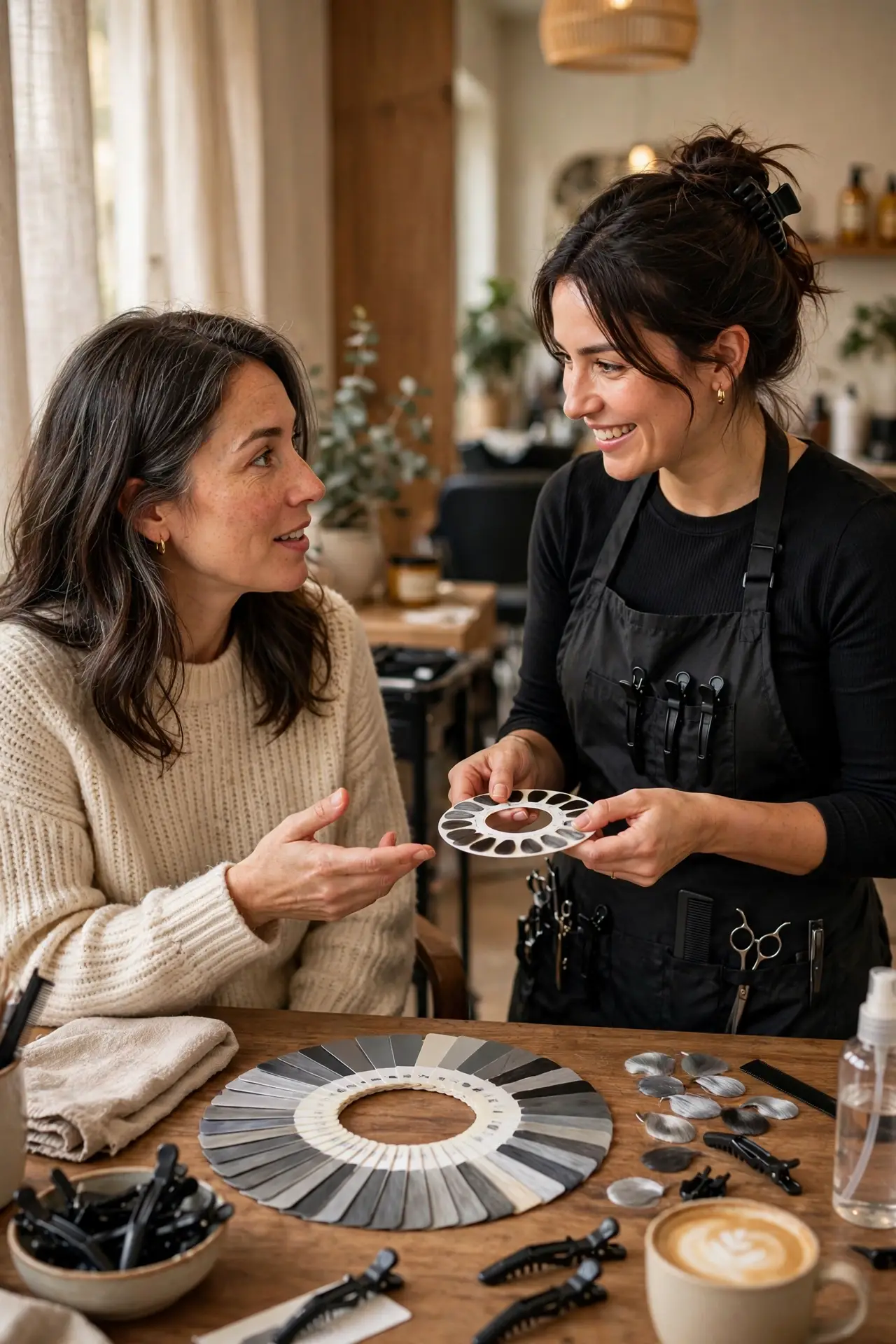
A full blending session takes longer than a root touch-up, usually a few hours in the chair. It costs more upfront for the same reason: babylights are labor-intensive.
But do the math across a season. Fewer appointments and no emergency root fixes. Most people spend less over time, not more.
At your grey hair blending consultation, ask: "Can you blend my grey instead of covering it?" Ask to see their blending work specifically. Read a stylist's breakdown of grey blending before you go. For the silver-toned finish, our winter blonde hair shades show the icy direction blending can take.