9 Ombre Hair Color Ideas That Melt Dark Roots Into Light Ends
Most ombre hair color ideas start from the same simple shape: roots stay close to your natural color, and the shade melts gradually lighter toward the ends. Done well, it looks like light settled into the bottom half of your hair.
That gradient is also why ombre is practical. Roots grow out into more of the same color instead of a stripe, so salon visits stretch further apart than with all-over color, while the ends carry the statement and are the easiest part to refresh.
The nine melts ahead run from quiet caramel to proper pastel, each with notes on who it suits and the upkeep involved.
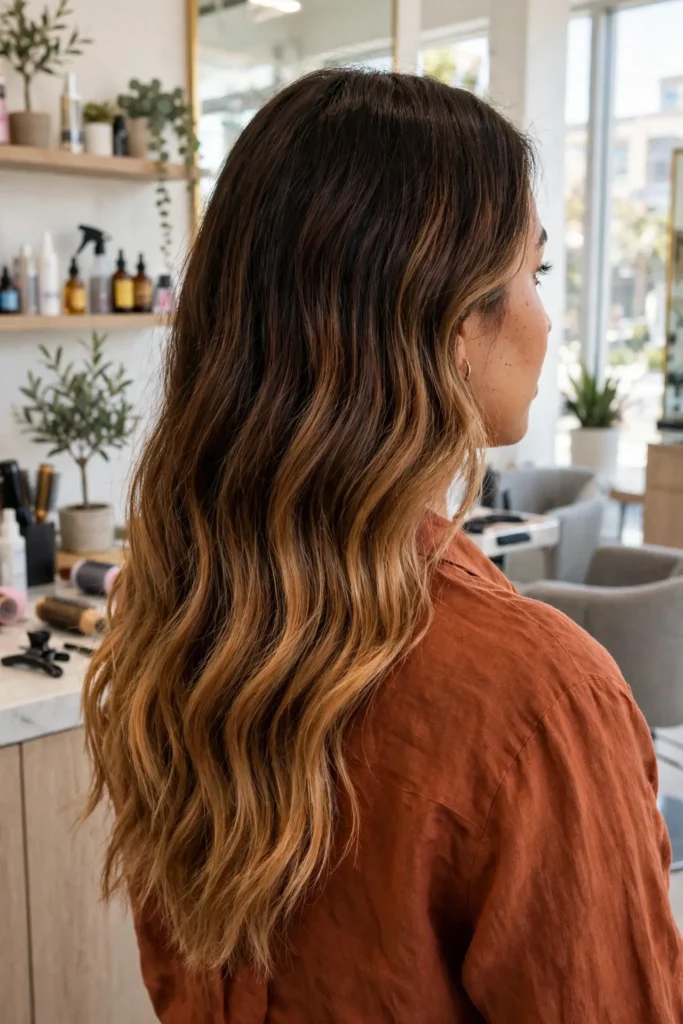
Table of Contents
Brunette to Caramel: The Original Melt
Caramel on a medium brunette base is where most people start, and it is still the easiest ombre to live with. The ends warm up by three or four shades, enough to catch the light.
Ask your colorist to start the melt around chin level on long hair, lower on shorter cuts, so the brightest part sits where hair moves most. Caramel flatters warm and neutral skin, and a cooler toffee shade keeps it working on cool skin.
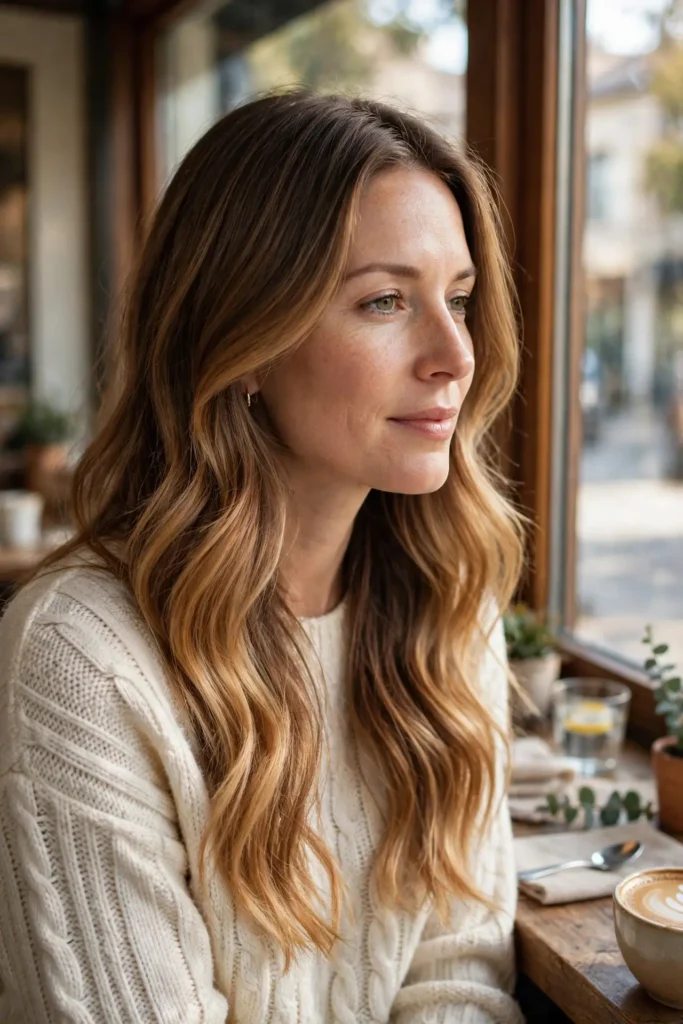
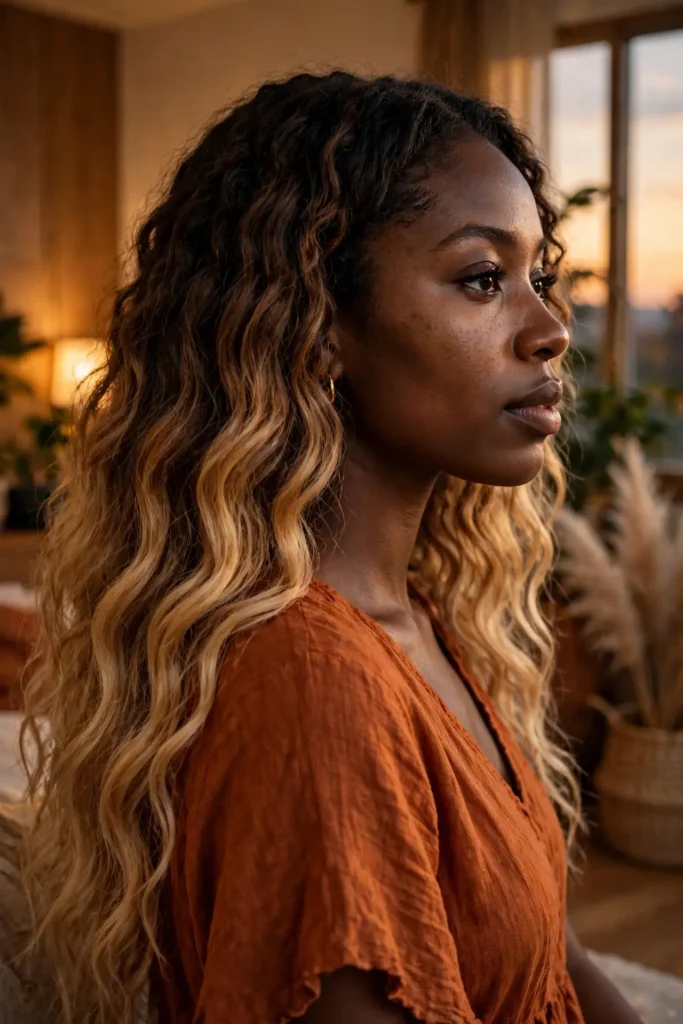
Dark Brown to Honey Blonde
Honey blonde ends push the contrast higher than caramel. On a dark brown base the jump reads sunlit and deliberate, and honey’s warmth keeps it from looking stripy the way pale ends can.
This is one of the ombre hair color ideas that depends heavily on undertone. Golden honey loves warm and olive skin; cool skin does better with a beige honey, so the ends do not fight your face.
Prefer your light woven through instead of gathered at the ends? Dark brown hair with dimension takes the same base in that direction.
Black to Ash Blonde
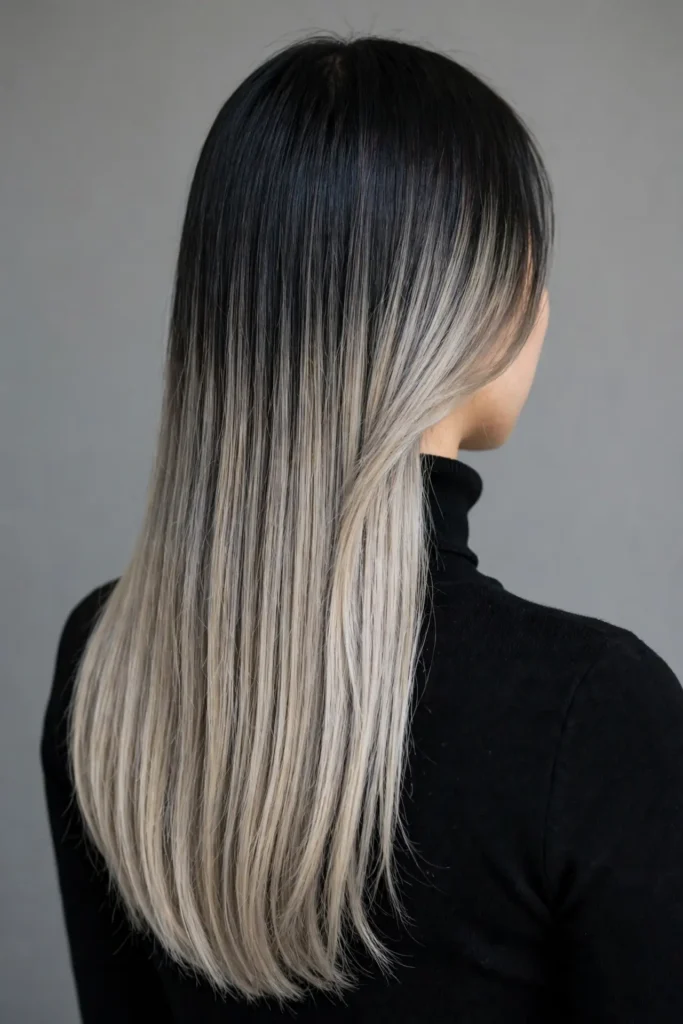
Ash blonde against black roots is the sharpest contrast on this page: cool, smoky ends that make the dark top look even darker, fashion-forward rather than sun-kissed.
Getting black hair to ash takes patience. Most colorists lift in stages so the ends stay strong, and ash needs regular toning because it fades warm. Budget for purple shampoo from day one; it keeps ash grey-toned instead of yellow.
Copper Ombre That Fades Like a Sunset
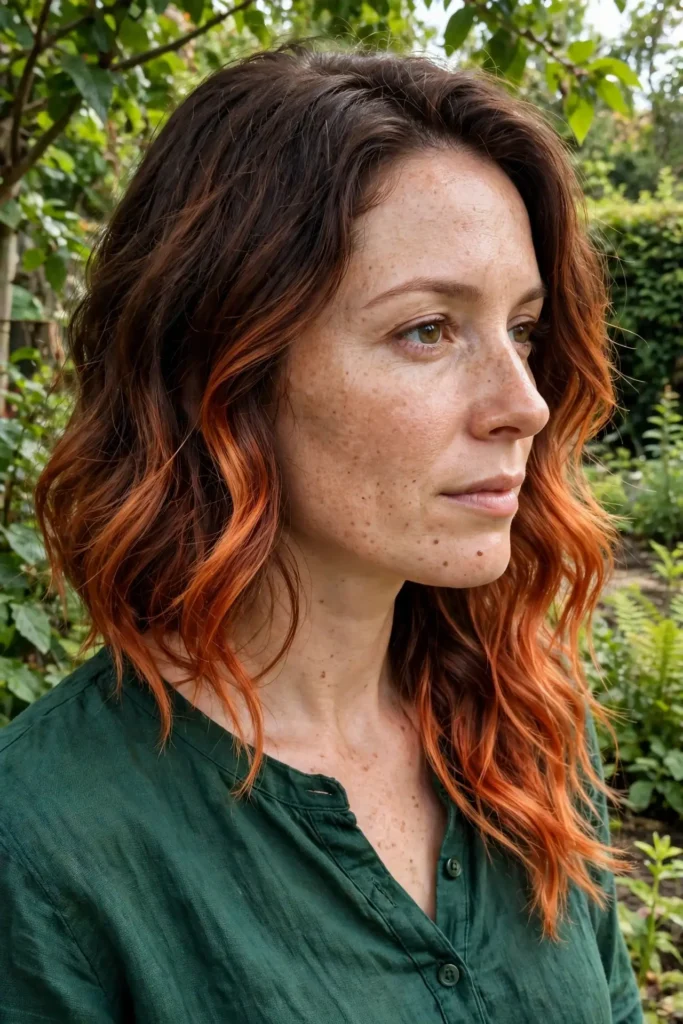
Copper ombre works on almost any brown base because the fade passes through shades hair already visits: chestnut, auburn, then bright copper at the tips, glowing in daylight in a way flat color never does.
Copper fades fast, so plan on it: warm water, gentle shampoo and a color-depositing conditioner between appointments keep the ends fiery instead of dusty.
If a full copper melt sounds like a commitment, copper hair with highlights keeps the same warmth in ribbons you can grow out quietly.
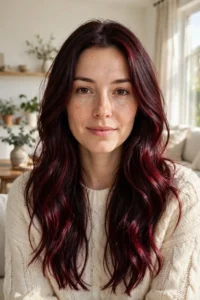
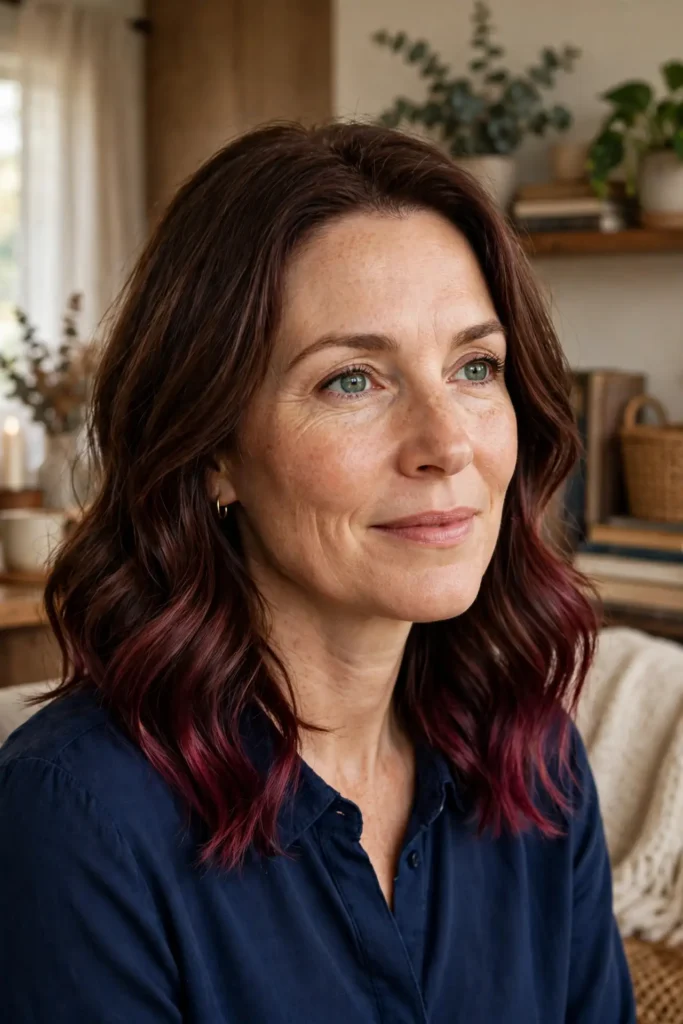
Burgundy Roots Melting Into Red Ends
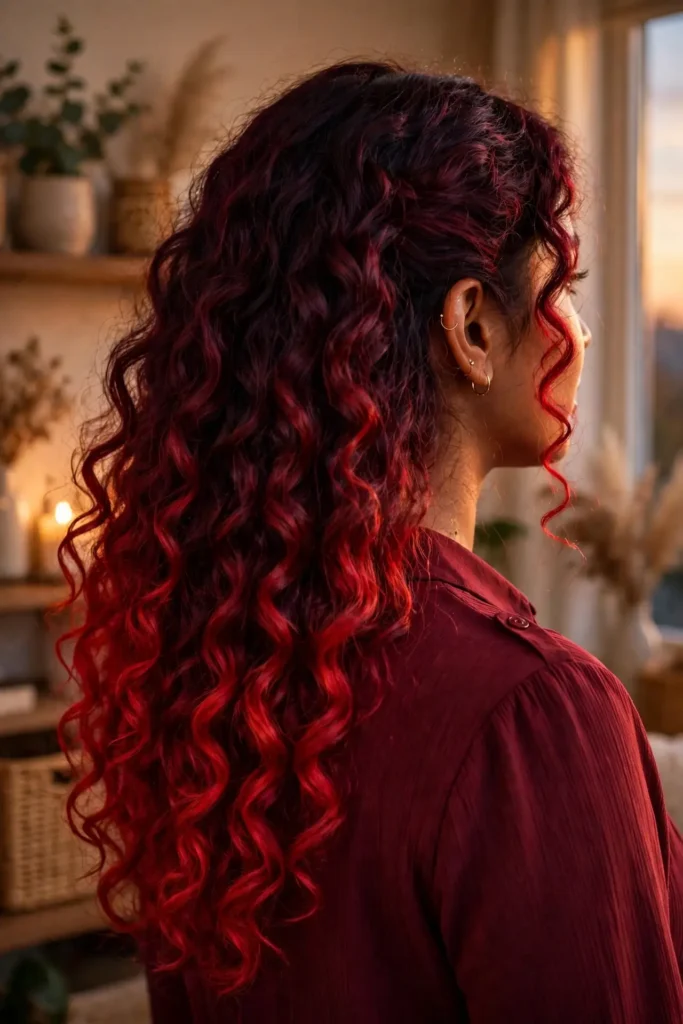
This one puts drama at both ends of the gradient. Deep burgundy at the top melts into a brighter, truer red at the bottom, so the hair looks lit from underneath when it moves.
It suits medium to deep skin and brings out green and hazel eyes. Red pigment washes out faster than any other color, so cold rinses and fewer wash days keep the ends vivid.
Chocolate to Cherry Cola
Cherry cola is the red family behaving itself: a rich chocolate base, with ends tinted a deep red-violet that shows up in sunlight and hides indoors.
It suits conservative offices and brunettes who want red without bleaching their whole head. On medium-length hair the tinted ends frame the face whenever the hair is curled.
Silver Grey Ombre on a Dark Base
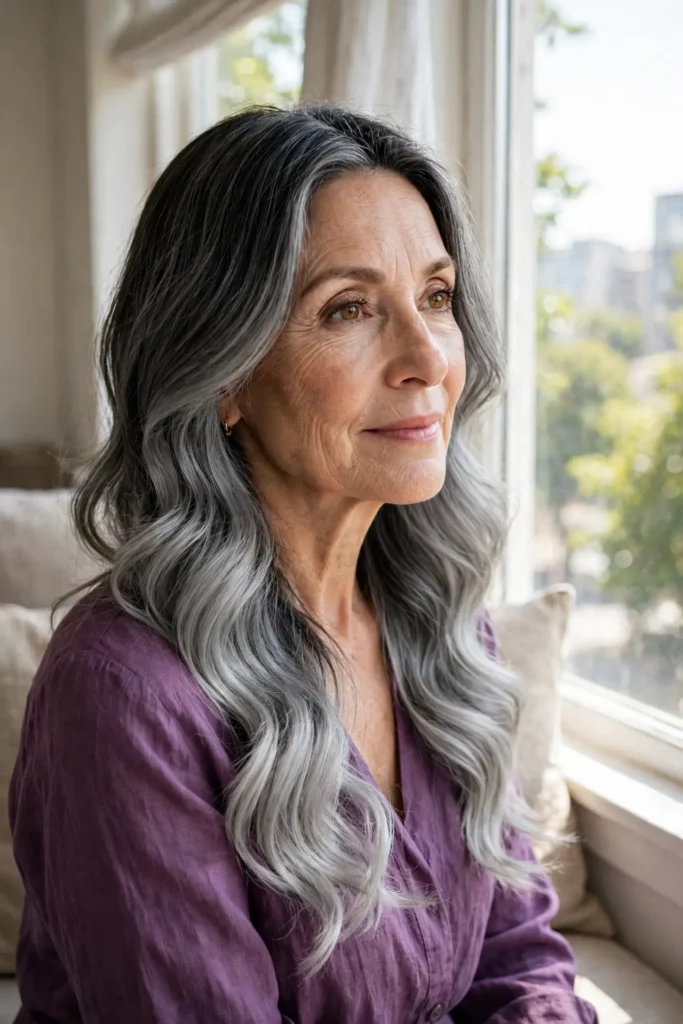
Silver ends on dark roots turn grey into a choice instead of an accident. The gradient runs black or deep brown through charcoal into clean silver, the most lift of any idea here.
It pairs strikingly with silver of your own. If your greys are coming in at the roots, your colorist can blend them into the dark section, so grow-out disappears into the design.
Pastel Ends on Dark Hair
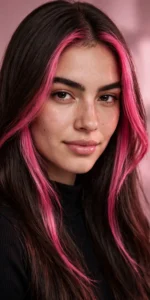
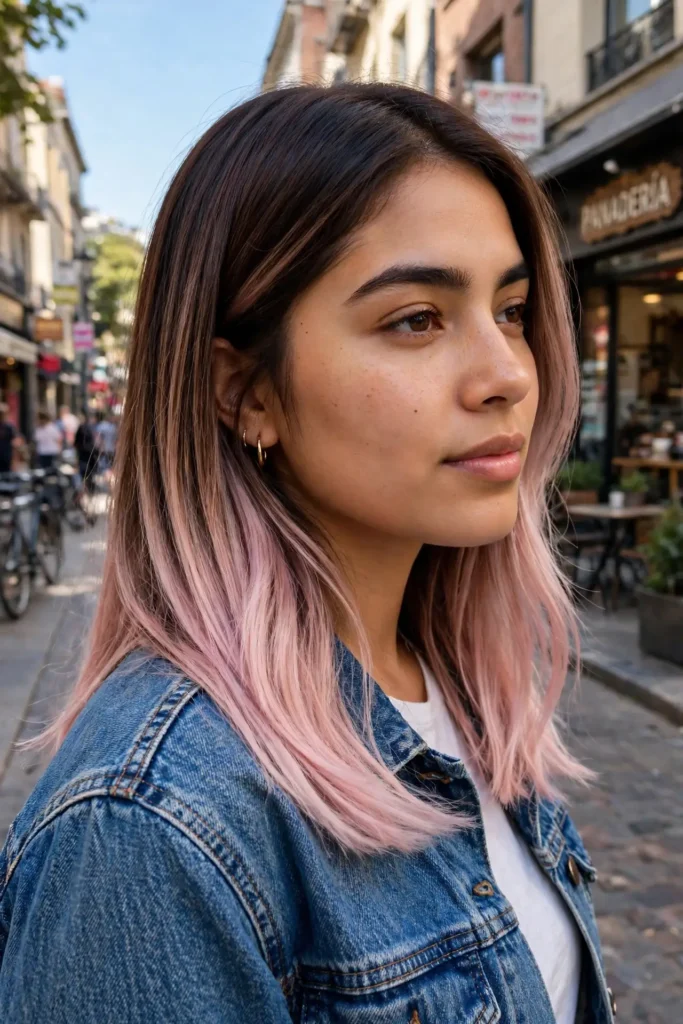
Pastel ends are ombre at play. The roots and mids stay dark while the last few inches go rose, lilac or powder blue, and because only the tips are bleached pale enough for pastel, the rest of your hair keeps its condition.
Pastels fade fast, sometimes within weeks, and that is part of the deal. Think of them as a rotating color: when the rose washes out, lilac can take its place on the same lightened ends.
Tempted to take the pink further? The pink hair gallery shows the full-commitment version; pastel ends borrow the shade for a season instead.
Sombre: Ombre With the Volume Turned Down
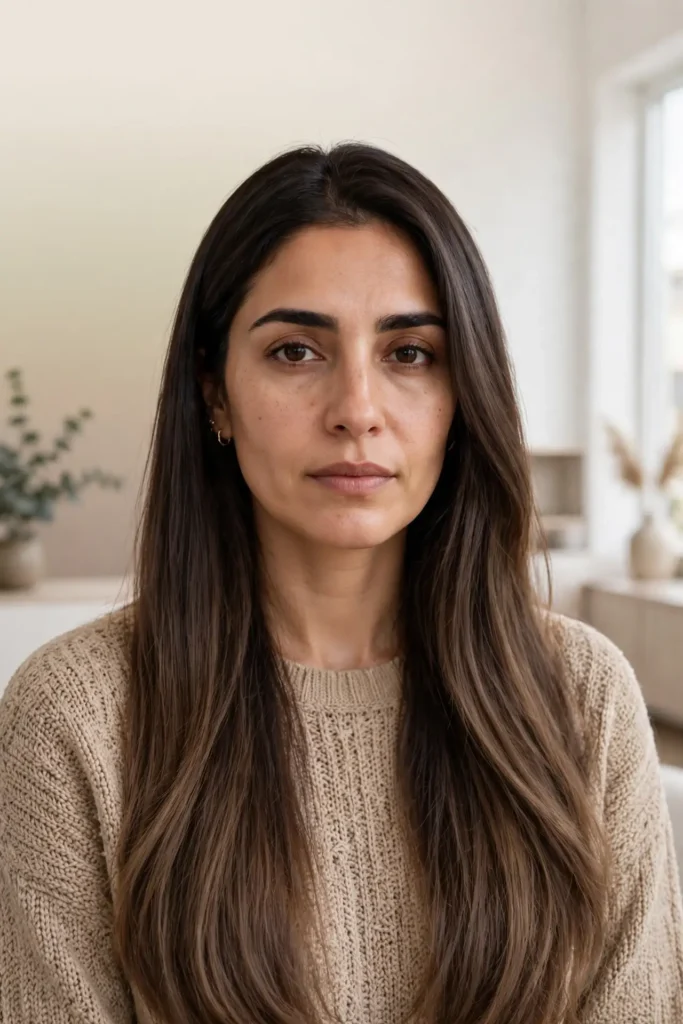
Sombre is ombre softened, spelled with an S for a reason. The shift is two shades or so from root to tip, the blend starts higher, and nobody across the room could point to where the color changes.
Book it when you want movement and light without a color announcement. It is also the most forgiving first ombre: a subtle melt hides growing-out sins and refreshes with a simple gloss.
Choosing Your Ombre Hair Color Ideas by Skin Tone and Base
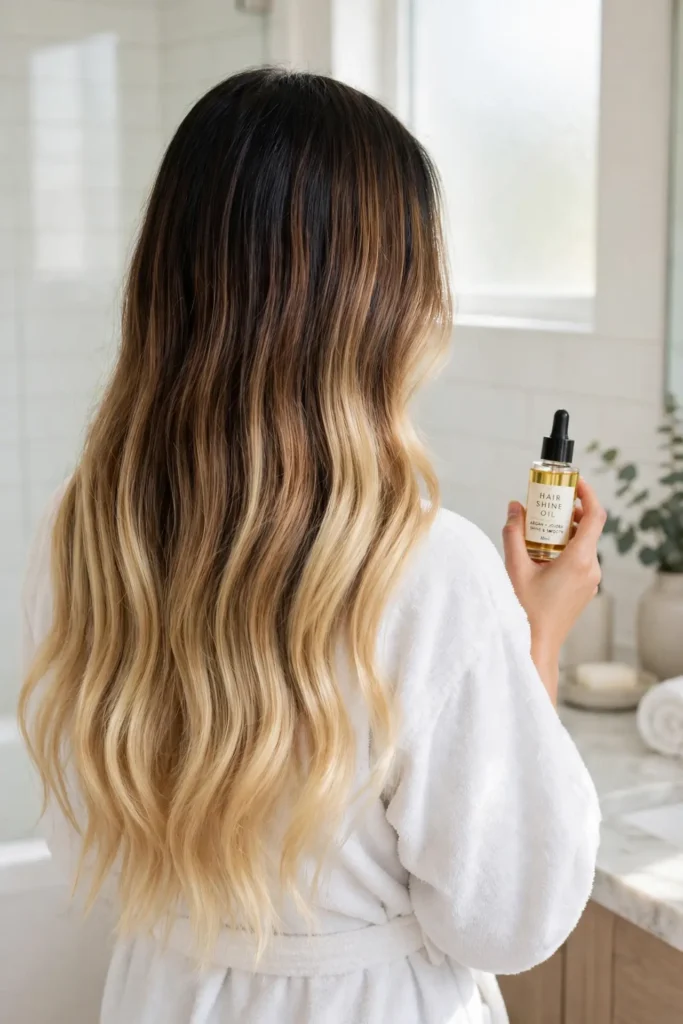
Start with your base, not the photo. One or two shades from root to tip reads natural, three or four reads styled, five or more reads dramatic, and each extra step costs lift, time and condition.
Warm skin glows with caramel, honey, copper and cherry ends; cool skin suits ash, silver and burgundy. Neutral skin gets the whole menu, so decide by contrast: soft sombre for a quiet change, high contrast when you want the ends to be the outfit.
Length sets where the melt begins. Long hair can start the blend at the cheekbones; shoulder-length hair should start the shift around the jaw, so the ends still have room to lighten. Very short hair compresses the gradient into a few inches, which suits sombre better than a hard jump.
Keeping the Melt Fresh: Toner, Purple Shampoo and Gloss
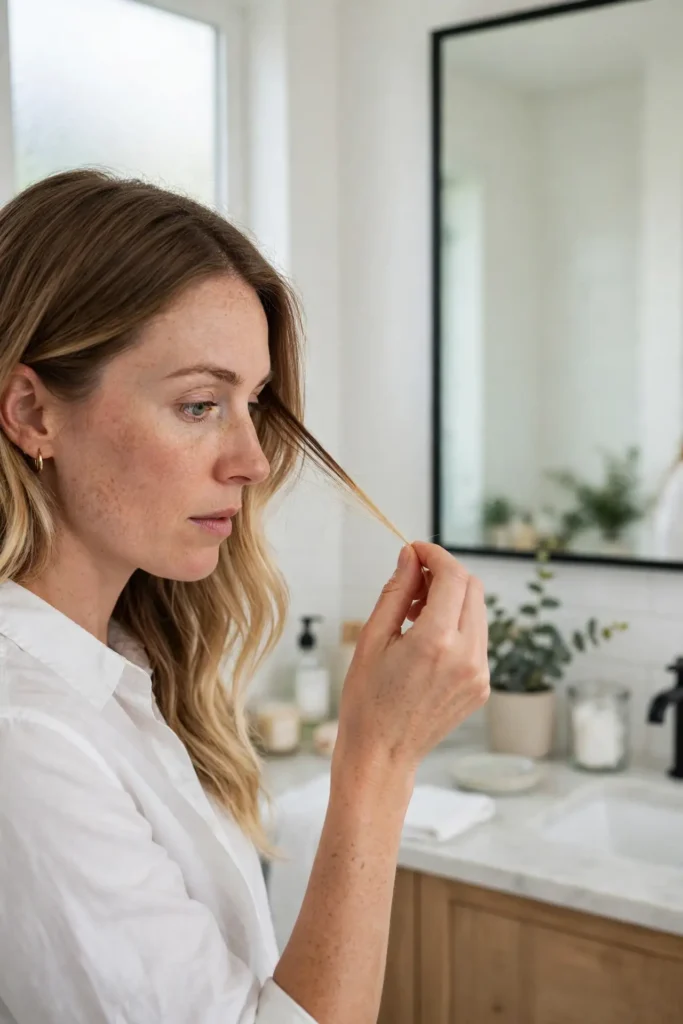
Ombre upkeep lives at the ends. A toner every six to eight weeks resets ends that have gone brassy or flat, and a clear gloss at the same visit restores the shine that makes a gradient look expensive.
Blonde and ash ends need purple shampoo once a week to cancel yellow. Red and copper ends ask for the opposite routine: color-depositing conditioner, lukewarm water, and shampoo days kept to a minimum.
Protect the ends from sun and heat, the two things that fade color fastest. The American Academy of Dermatology advises patch-testing any new dye and shielding color-treated hair from the sun, at the salon and at home.
The roots ask for nothing. That is the charm of ombre: grow-out is built into the design, so your maintenance budget goes to the ends, where the color actually shows.
Quick Answers
How is ombre different from balayage?
Ombre is a gradient: dark at the top, light at the bottom, changing across the whole head. Balayage paints light pieces where the sun would land, with no fixed root-to-end pattern. Salons blend the two, but the map on your head tells them apart.
Does ombre damage your hair?
Only the lightened ends take real stress, and the darker your starting point, the more lift they need. Roots stay untouched, which is why ombre is gentler than all-over lightening. Deep-condition the ends weekly and they hold up fine.
How often does ombre need a salon visit?
The gradient can grow out for three to six months without looking overdue. Most people still book a toner or gloss every six to eight weeks to keep the ends the right shade, a short appointment next to a full recolor.
Can ombre work on short hair?
Yes, with a softer hand. On bobs and lobs the blend is compressed, so gentle sombre or a low-contrast melt beats a dramatic jump. The brightest part should land at the very ends, never at the jawline.
What shade works if my hair is already dyed dark?
Old dark dye has to lift out of the ends first, and it usually lifts warm. Caramel, copper and cherry cola work with that warmth instead of fighting it; ash and silver may take two sessions to reach cleanly.
Pick the melt that matches your base and your patience, and ombre rewards you every week it grows out. Screenshot your favorite, show your colorist where you want the blend to start, and let the ends do the talking.