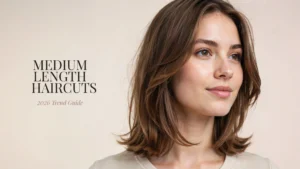
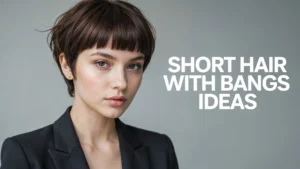
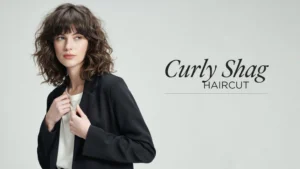
If you’ve been staring at the same hairstyle for a decade because you’re not sure what else works, you’re not alone. Hair changes as you move through your 40s and 50s texture shifts, volume shifts, even the way your hair catches gray or silver shifts and a cut that flattered you at 35 can start working against you without you fully realizing why.
Quick answer: The best haircuts for over 50 tend to build in movement and shape near the face think layered lobs, soft shags, side-swept pixies, and textured bobs because they add lift where hair often thins first and soften lines around the jaw and eyes. The right length usually falls between the chin and the collarbone, though there are good exceptions on both ends.
Why Haircuts for Over 50 Are Different
Hair density peaks earlier in life for most people, then gradually declines. That doesn’t mean your hair looks bad it means the cut has to work a little harder to create the illusion of thickness. Layering, texture, and where the weight of the cut sits all matter more than they did before.
There’s also the color question. Many women are transitioning to gray, going fully gray, or coloring more intentionally than they used to. A haircut for over 50 often needs to flatter that transition, not just the shape of the face.
One thing worth saying clearly: getting older doesn’t mean your options shrink. If anything, they open up. You’ve probably learned what you like, what you’re willing to maintain, and what you’re done pretending to love.
The Best Haircuts for Over 50 Right Now
The Layered Lob
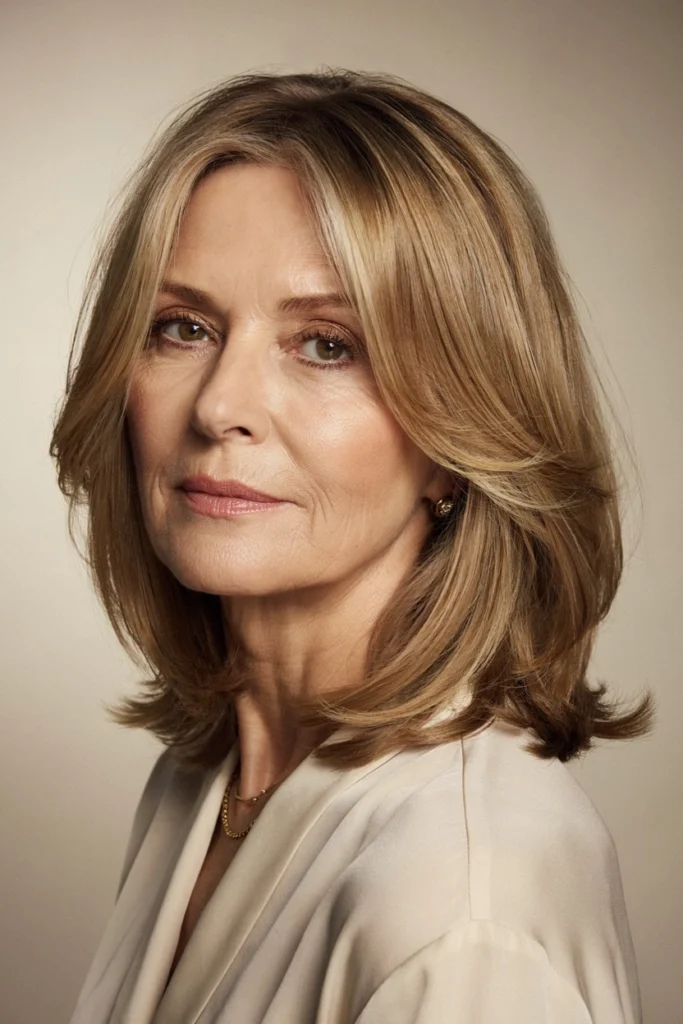
A lob that hits between the chin and shoulders, with layers cut in around the face, is one of the most requested cuts for women over 50 and for good reason. It’s long enough to pull back on a bad hair day, short enough to feel fresh, and the layers create movement without needing a full blowout every morning.
The Textured Pixie
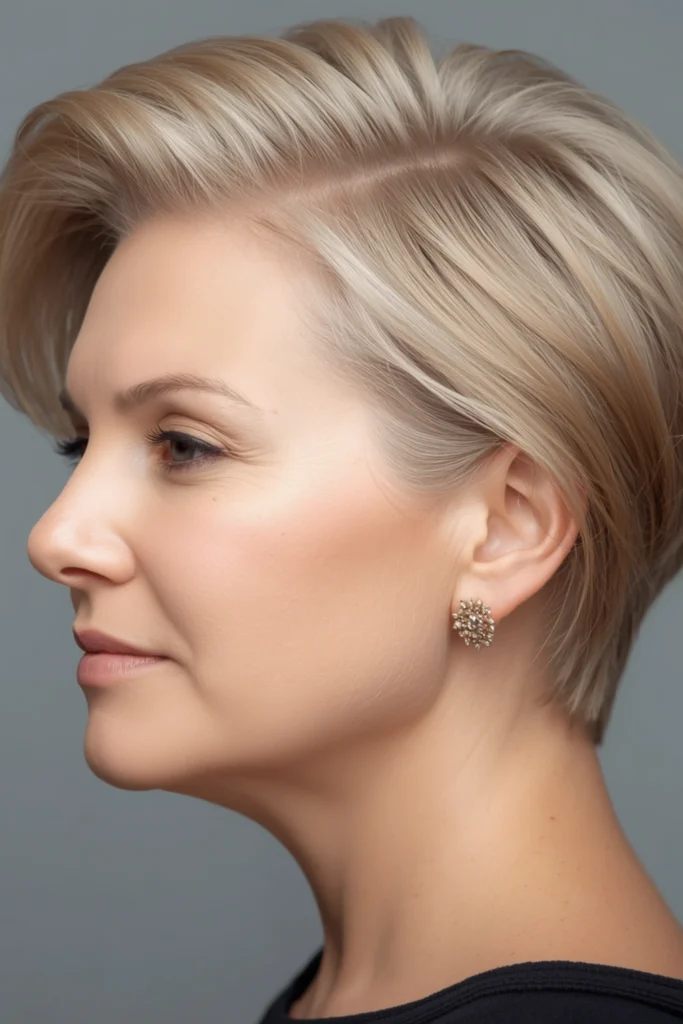
Short doesn’t mean severe. A pixie with texture on top and a slightly longer fringe softens the whole look and works especially well if your hair has thinned at the crown. It also dries in a fraction of the time, which matters more than people admit.
The Soft Shag
Shags are having a real moment, and the over 50 version leans softer than the ’70s original fewer razor sharp layers, more feathered ends. It adds volume through the mid lengths, which is often where hair starts to feel flat first.
The Classic Bob With Movement
A blunt bob can look severe on some face shapes past a certain age, but a bob with slightly graduated layers and a soft bend at the ends keeps the polish while avoiding a helmet-like effect. It’s a good middle ground for someone who wants short hair but isn’t ready for a pixie.
Long Layers Past the Shoulders
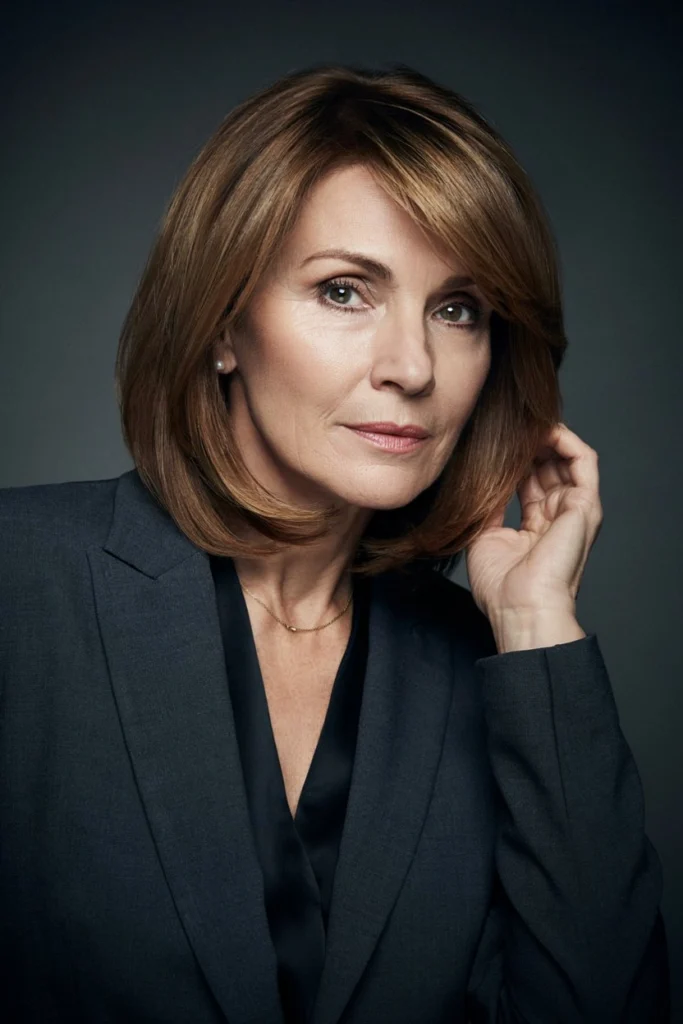
Long hair after 50 is completely fine the myth that you have to cut it short is one worth retiring. The key is layering. Long, one length hair with no layers can pull the face down and look flat. Layers starting around the cheekbone keep length without the drag.
Choosing a Cut by Face Shape
Round faces usually benefit from cuts with height at the crown and layers that fall just below the chin this elongates rather than adds width.
Square faces often look softened by side swept bangs or waves that break up strong jaw angles.
Oval faces can wear nearly anything, from a blunt bob to a long shag, since the proportions are already balanced.
Heart shaped faces tend to look great with chin-length bobs or lobs, since the width at the jaw balances a narrower chin.
None of these are rules carved in stone. A skilled stylist will look at your actual bone structure, not just a chart, but knowing your general shape gives you a starting point for the conversation.
Working With Your Hair Texture
Fine hair and coarse hair need almost opposite approaches, even for the same haircut.
If your hair is fine, heavy layering can actually make it look thinner by removing weight it needs to look full. Blunt-ish ends with subtle internal layers usually read as thicker.
If your hair is thick or coarse, the opposite problem shows up too little layering and the cut can look bulky or triangular. More layering, especially around the perimeter, lets it move.
Curly and wavy hair over 50 often benefits from a dry cut, where the stylist trims it in its natural curl pattern rather than cutting it straight and hoping the curl “settles” the same way. This is one of those details that makes a real difference and gets skipped more often than it should.
Color Pairings That Make a Cut Pop
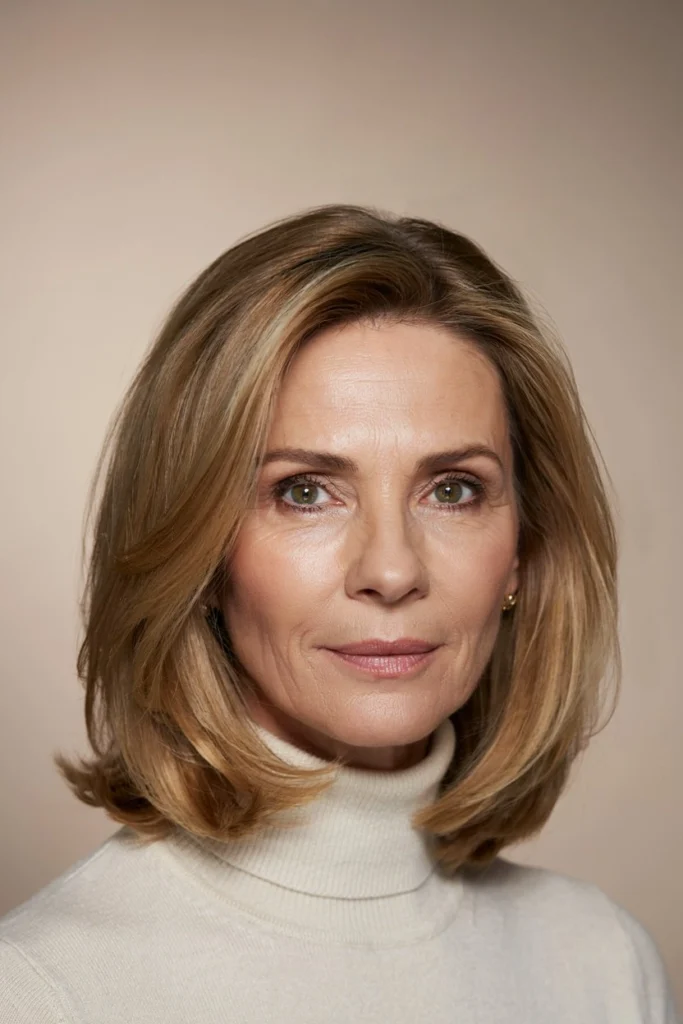
Color and cut aren’t separate decisions they influence each other.
- Silver and gray: A blunt or slightly graduated bob shows off solid gray beautifully, since the uniform color reflects light evenly across a clean line.
- Balayage or highlights: These pair especially well with layered cuts, since the layers catch and separate the different tones instead of blending them into one flat color block.
- Warm, all-over color: Works nicely with softer, rounder shapes like the shag, since warmth tends to soften harder lines even further.
If you’re transitioning to gray and not sure how to handle the growing out phase, a lot of stylists suggest adding lowlights close to your natural gray tone rather than fighting it with a full dye job every few weeks. It’s less maintenance and looks more intentional while it grows.
Styling Tips That Actually Hold Up
A great cut still needs some styling effort not a lot, but some.
Root-lifting spray applied while hair is damp does more for the appearance of thickness than most volumizing products applied after drying. Apply it, then blow dry the roots first with your head tipped forward.
In humid climates, a lighter hand with heat styling and a good anti frizz serum go further than a heavy hold hairspray, which can actually make frizz look worse by highlighting flyaways instead of hiding them.
For shorter cuts like the pixie, a small amount of matte paste worked through with fingertips (not a comb) keeps texture without flattening it.
Common Mistakes to Avoid
The biggest one: cutting hair shorter and shorter every few years just because of age, without actually checking whether it flatters the current shape of your face and the texture your hair has now. Age isn’t the deciding factor texture, density, and face shape are.
A close second mistake is skipping regular trims on longer cuts. Layers that were shaped six months ago don’t hold their movement forever; they grow out and start looking stringy at the ends well before most people think to book another appointment.
And one myth worth pushing back on directly: the idea that women “have to” cut their hair short after a certain age. That’s not a rule, it’s a leftover expectation. Plenty of women in their 50s, 60s, and beyond keep long hair and it looks completely appropriate the difference is in how it’s cut and cared for, not the length itself.
FAQs
What is the most flattering haircut for over 50? There isn’t one universal answer, but layered lobs and soft shags are consistently popular because they add movement and volume where hair often thins first.
Should hair be cut shorter as you age? No shorter hair isn’t required after 50. What matters more is matching the cut to your current texture, density, and face shape.
What haircut makes you look younger after 50? Cuts with soft layers around the face and some movement in the ends tend to soften features more than one-length, flat styles.
Is long hair okay for women over 50? Yes, as long as it’s layered appropriately. Long, one-length hair with no layering is what tends to look dated, not length itself.