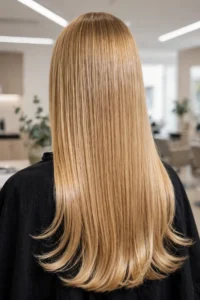
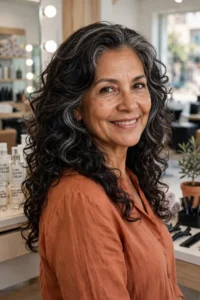
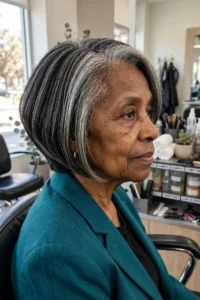
Going short is the haircut decision clients overthink the longest. Short is not one cut, it is a whole shelf of them, and they behave very differently on different heads.
The eight short haircuts for women below cover that shelf: pixies, bobs, a shag, a crop with a hidden undercut, and the versions that work with curls and silver hair. Each is matched to the hair type and face shape it flatters.
Read yours by starting with your hair, not the photo. Thickness, texture, and how much styling you honestly do on a weekday morning narrow the list fast.

Table of Contents
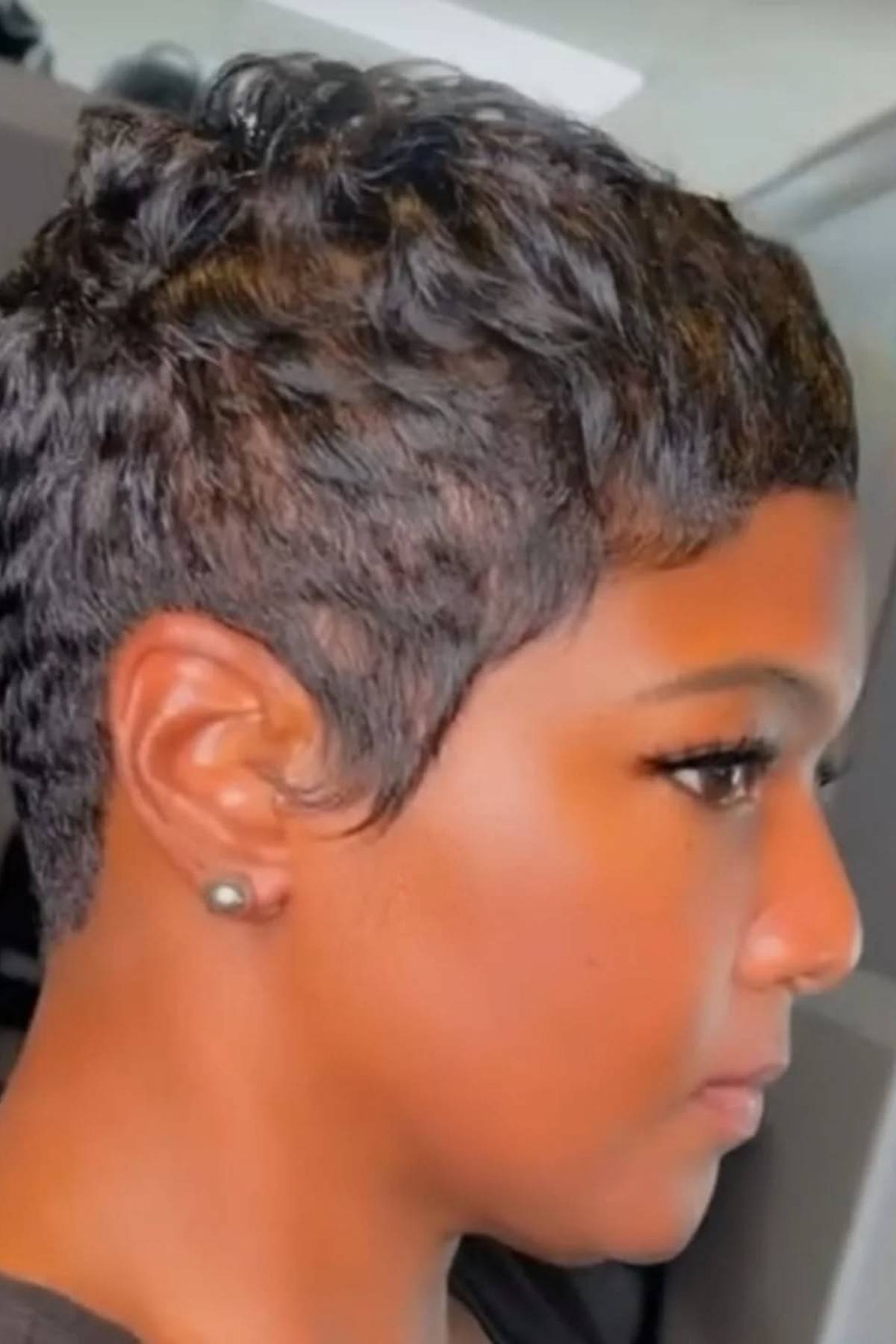
The Classic Pixie, Cropped Close and Clean
The classic pixie is cut short all over, a little longer on top, with the sides and back tapered in close. It is the cut people picture when they say they want it all off, and it puts your face, not your hair, in charge.
It flatters oval and heart-shaped faces most. Strong cheekbones and a good jawline carry it easily; softer faces keep the top longer and sweep it forward.
Styling is a pea-sized amount of paste worked through with your fingers, and you are done. The trade is trims: every four to six weeks for a pixie this neat.
The Blunt Bob That Makes Fine Hair Look Thicker
A blunt bob is cut to one length, at the chin or jaw, with no layers taken out of the ends. That is exactly why it works on fine hair: every strand ends in the same place, so the edge reads full instead of wispy.
A center part reads sharper; a deep side part gives lift at the front. It suits straight and slightly wavy hair best, and on thick hair the same outline swings in one heavy block, which gets its own section next.
If the one-length idea appeals, the short blunt bob guide here walks through every length from jaw to collarbone and who each suits.
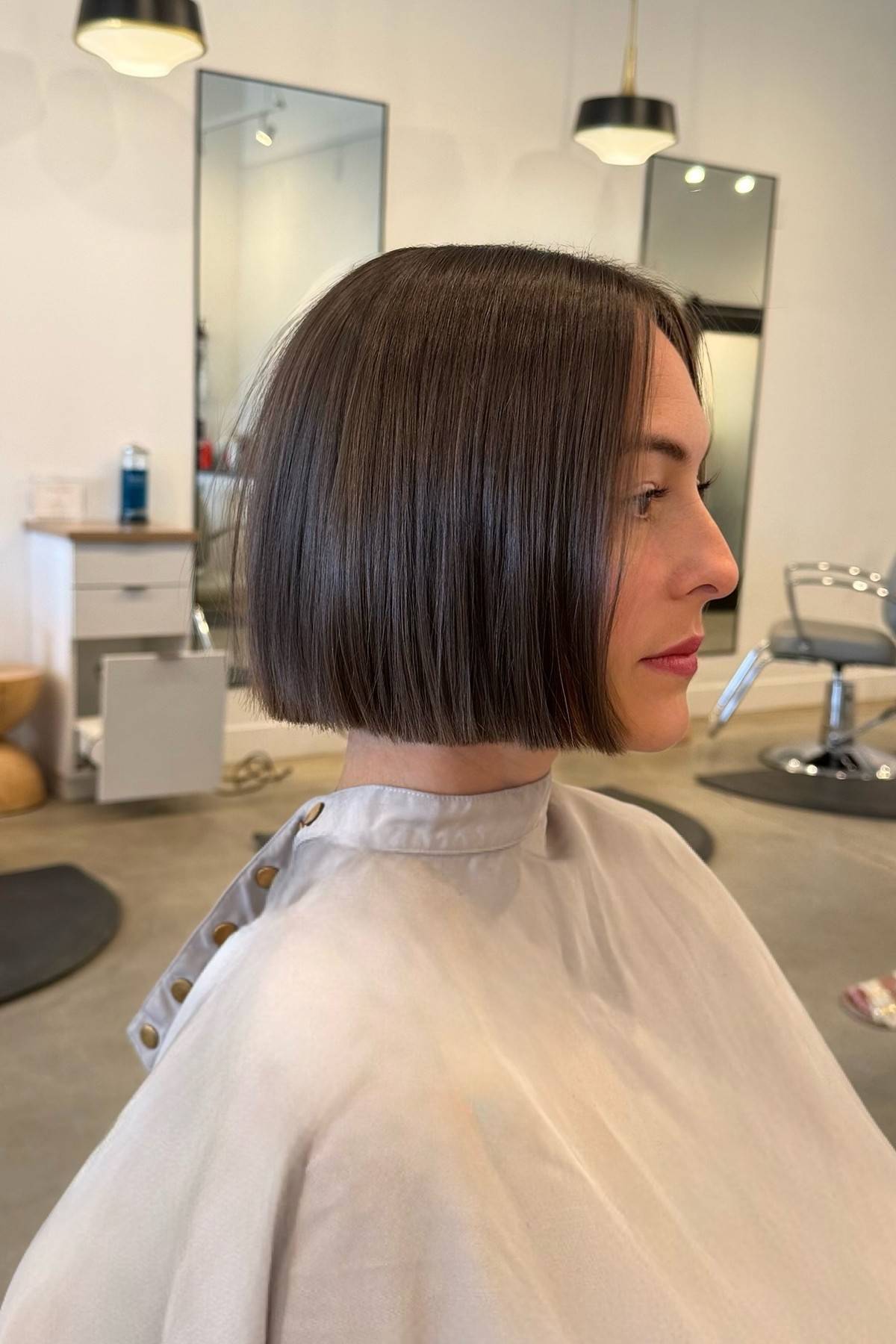
A Layered Bob for Thick Hair
Thick hair in a one-length bob puffs out at the bottom and sits like a triangle. Layers fix the geometry: shorter pieces cut through the inside remove bulk where it stacks, so the bob hugs the head and moves when you do.
Ask for the weight removed from the interior, not the outline. The surface should still look smooth and mostly one length, while the underneath does the lightening. Done right, it dries faster and stops fighting the brush.
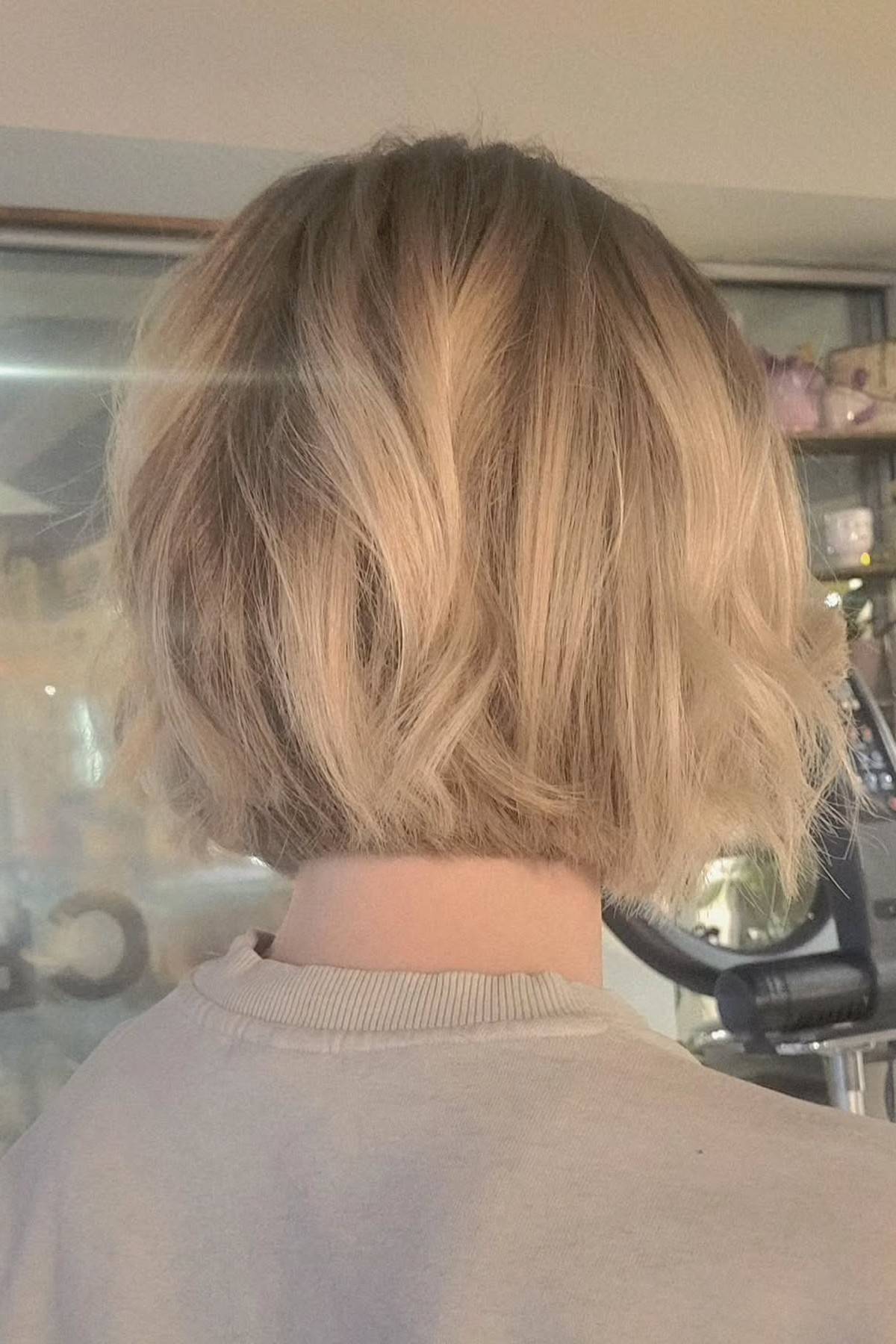
The Short Shag, Built for Natural Texture
The short shag is layers with the volume pushed up: a fuller crown, choppy ends, and pieces that flick out around the face and nape. It is the messiest cut on this page on purpose, and the one that asks the least of you at home.
It suits wavy and slightly unruly hair best, because the cut works with the bend. Straight hair can wear it with a texture spray and a rough dry, though it will never sit as wild as on natural waves.
Grow-out is forgiving, which makes the shag a kind pick for anyone stretching salon visits. Ends that tangle instead of flick are your sign to refresh the layers.
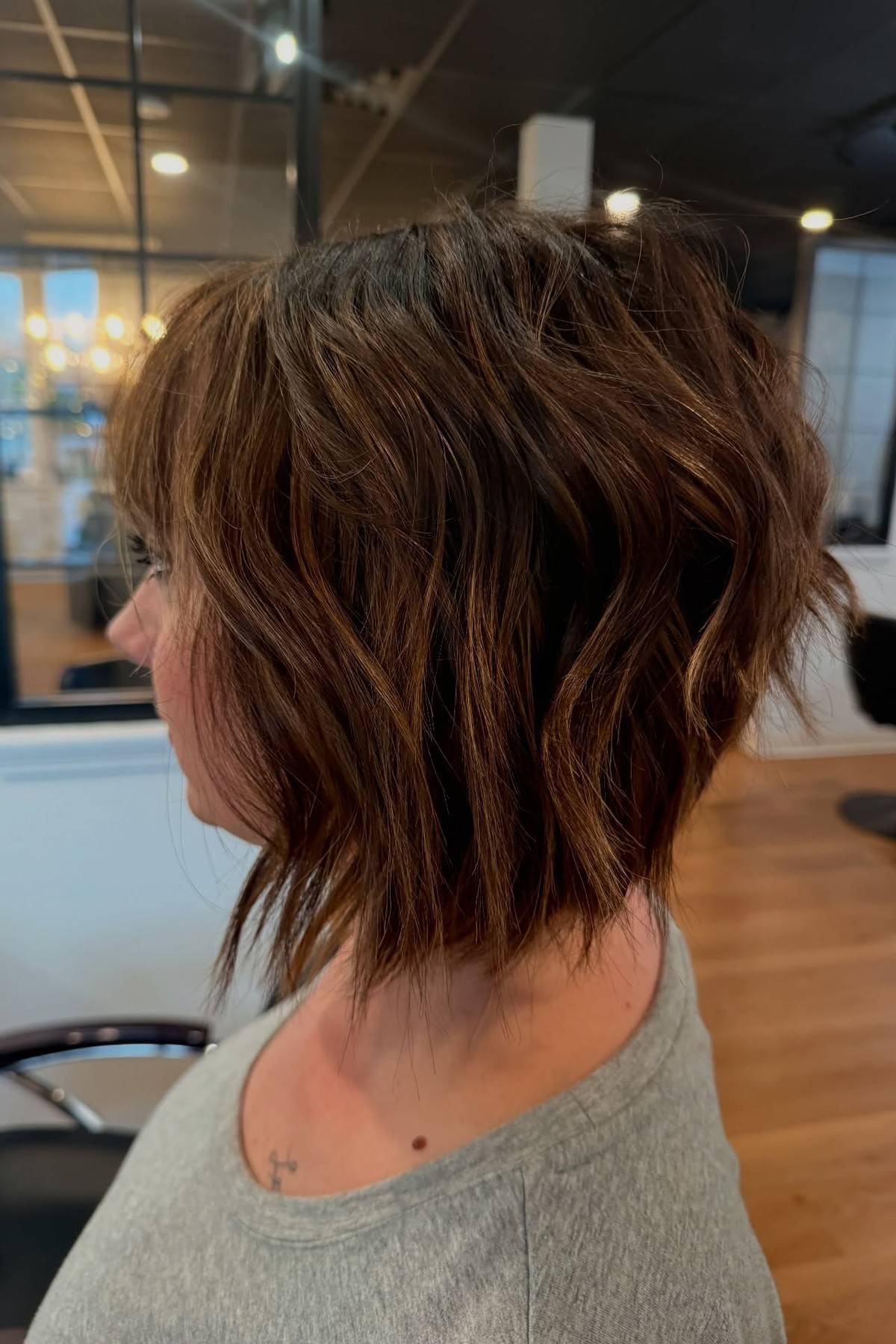
A Tapered Crop With a Hidden Undercut
An undercut takes the hair at the sides or nape down very short, sometimes nearly to the skin, while the top stays long enough to style. Swept aside, it reads as a clean surprise. Covered, it vanishes completely.
Removing that under-layer cools the neck, flattens bulk at the sides, and gives thick hair a closer silhouette without losing length on top.
Know the commitment before you clip. The short part grows out fast and turns untidy in weeks, so plan on regular tidy-ups at the nape and sides between full appointments.
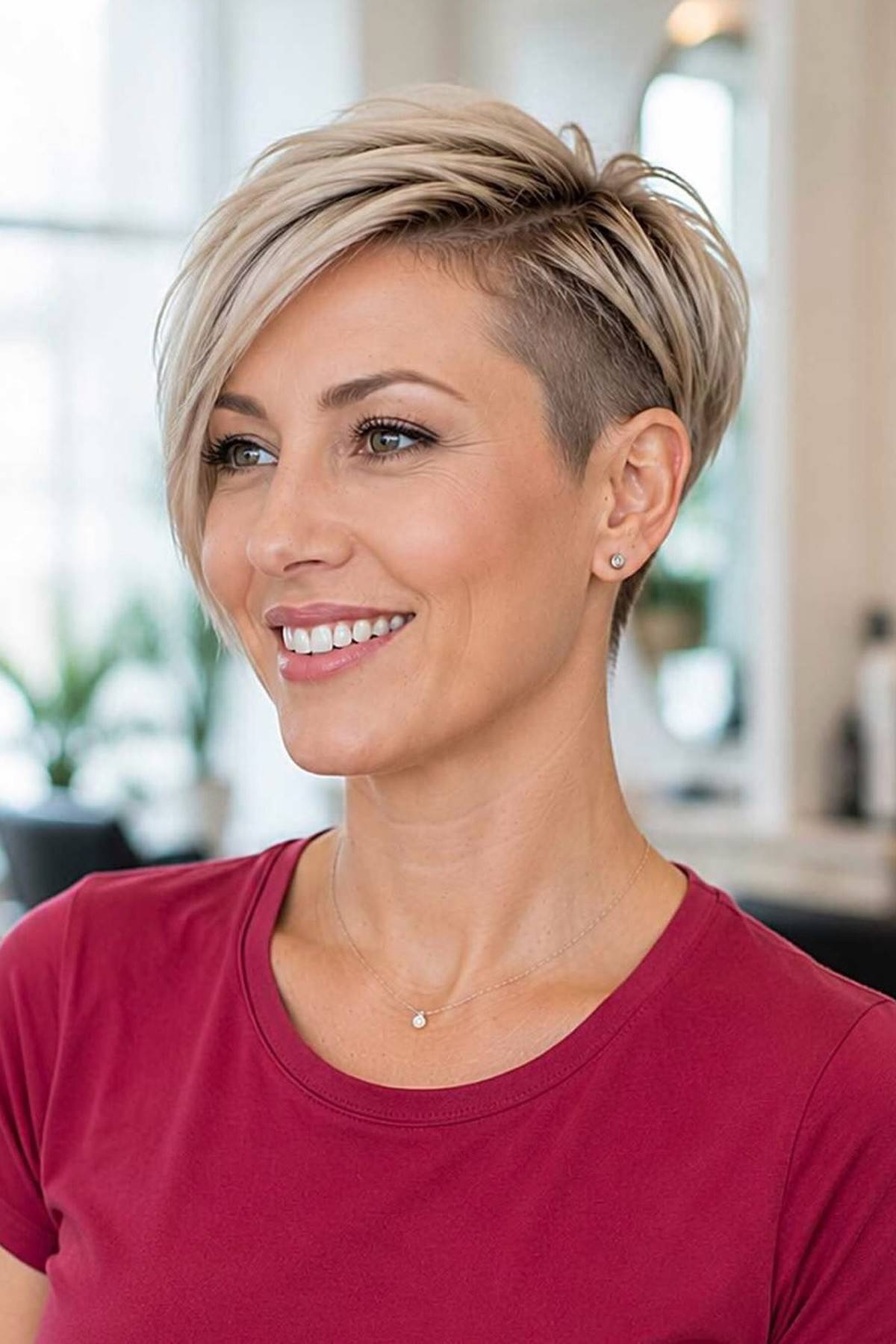
Short Cuts With Bangs, Matched to Your Face
Bangs change a short cut more than any layer can, because they redraw the frame at eye level. The right fringe answers a face-shape problem on the spot.
A long face takes a straight, brow-skimming fringe that shortens the forehead. Round faces do better with a side-swept bang cutting a diagonal, and a high forehead softens under curtain pieces falling to the cheekbones.
Be honest about upkeep. Bangs grow into your eyes in about three weeks and pick up forehead oil fast. Most salons tidy a fringe between appointments in minutes, so ask when you book.
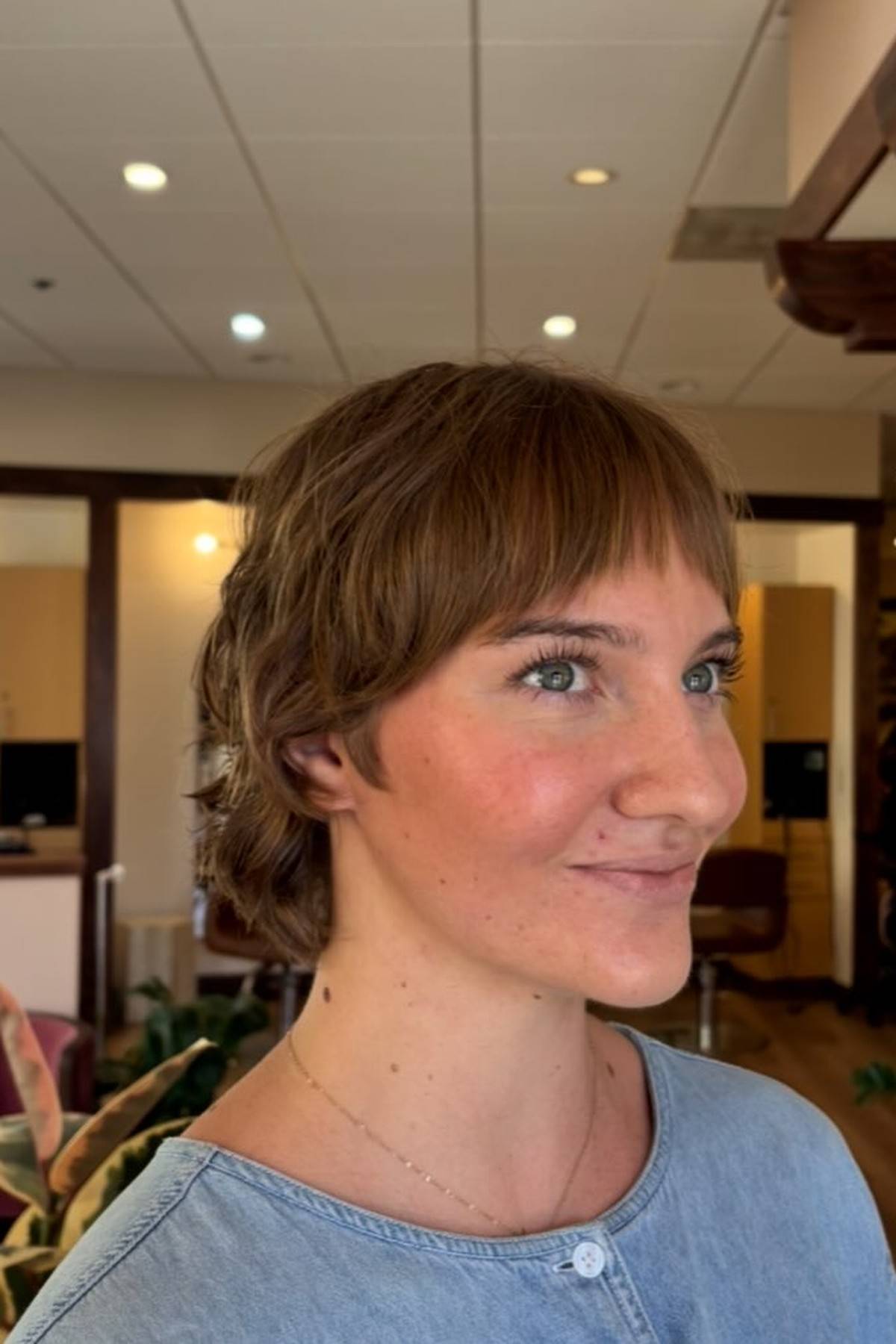
The Curly Crop, Cut Where Your Curls Live
Short curly hair should be cut dry, curl by curl, where it actually falls. Wet curls stretch and lie about their length, and a crop guessed at while wet can dry far shorter than planned.
The shape to ask for keeps length at the crown and takes the sides in closer, so the silhouette stays rounded, not wide at the ears. Ask your stylist to step back and check the outline from every side as it comes together.
At home, moisture is the whole routine: a leave-in worked through wet hair, then hands off while it dries. Short curls also tangle less and dry faster, which is half the reason clients rarely grow them back out.
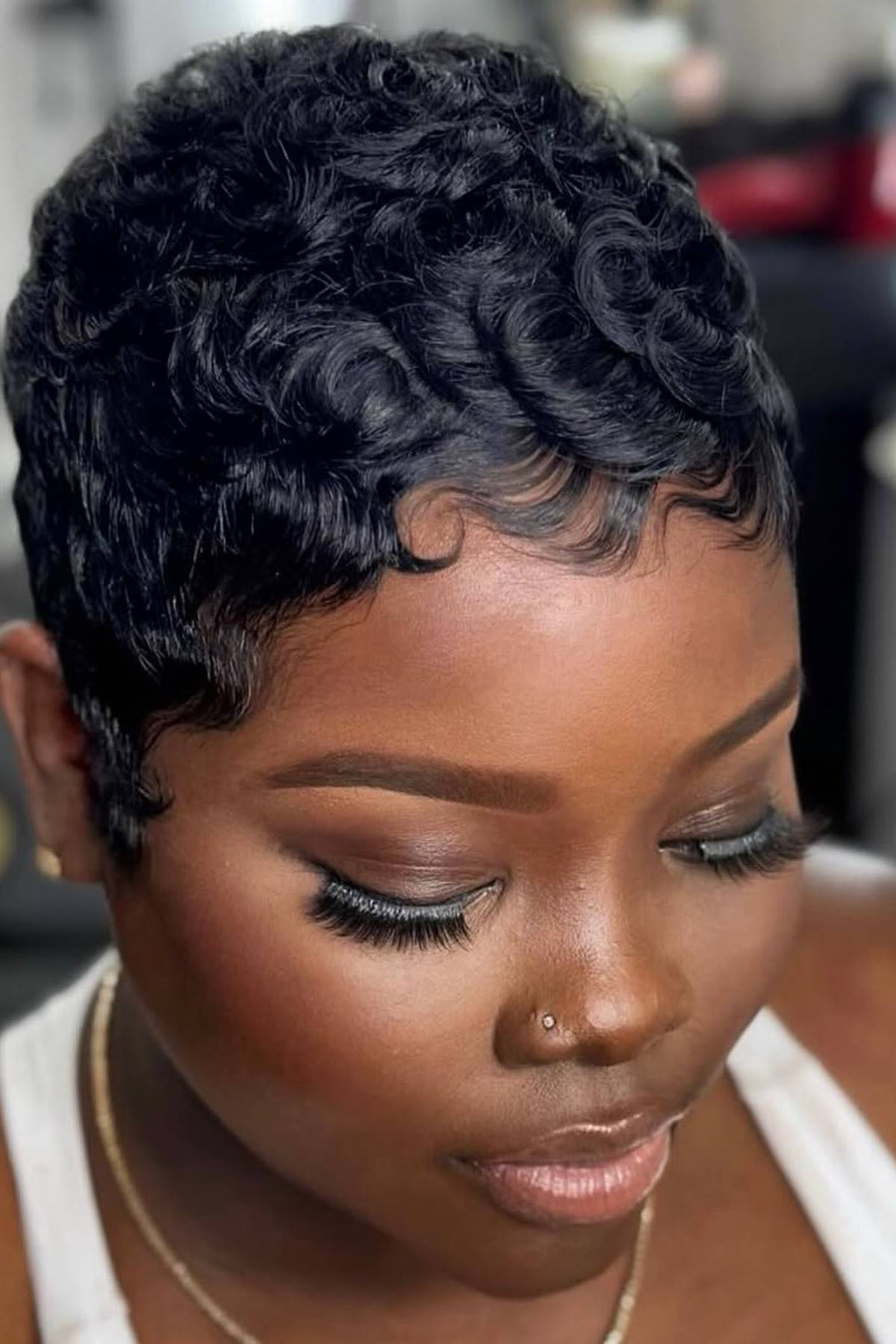
Going Short in Silver
Gray hair often comes in wirier and drier than the hair you had at thirty, with a mind of its own. Short cuts handle that honestly: a pixie or a soft crop keeps silver neat without asking it to behave like longer hair.
Short also shows off the color itself. Silver and salt-and-pepper hair catches the light when the cut has a clean shape, and a little layering stops it reading flat. Patchy gray blends better under a slightly longer top.
The beautiful gray hair over 60 looks on this site pair silver cuts with the shine and makeup tips that finish them.

How to Pick the Right Short Cut
Start with hair type, because it rules out half the shelf at once. Fine hair wants blunt edges and fewer layers, thick hair wants weight removed inside the cut, and curls want a stylist who cuts dry.
Then check the upkeep against your real life. Pixies and undercuts need trims every four to six weeks, a blunt bob stretches to eight, and a shag forgives the longest gaps.
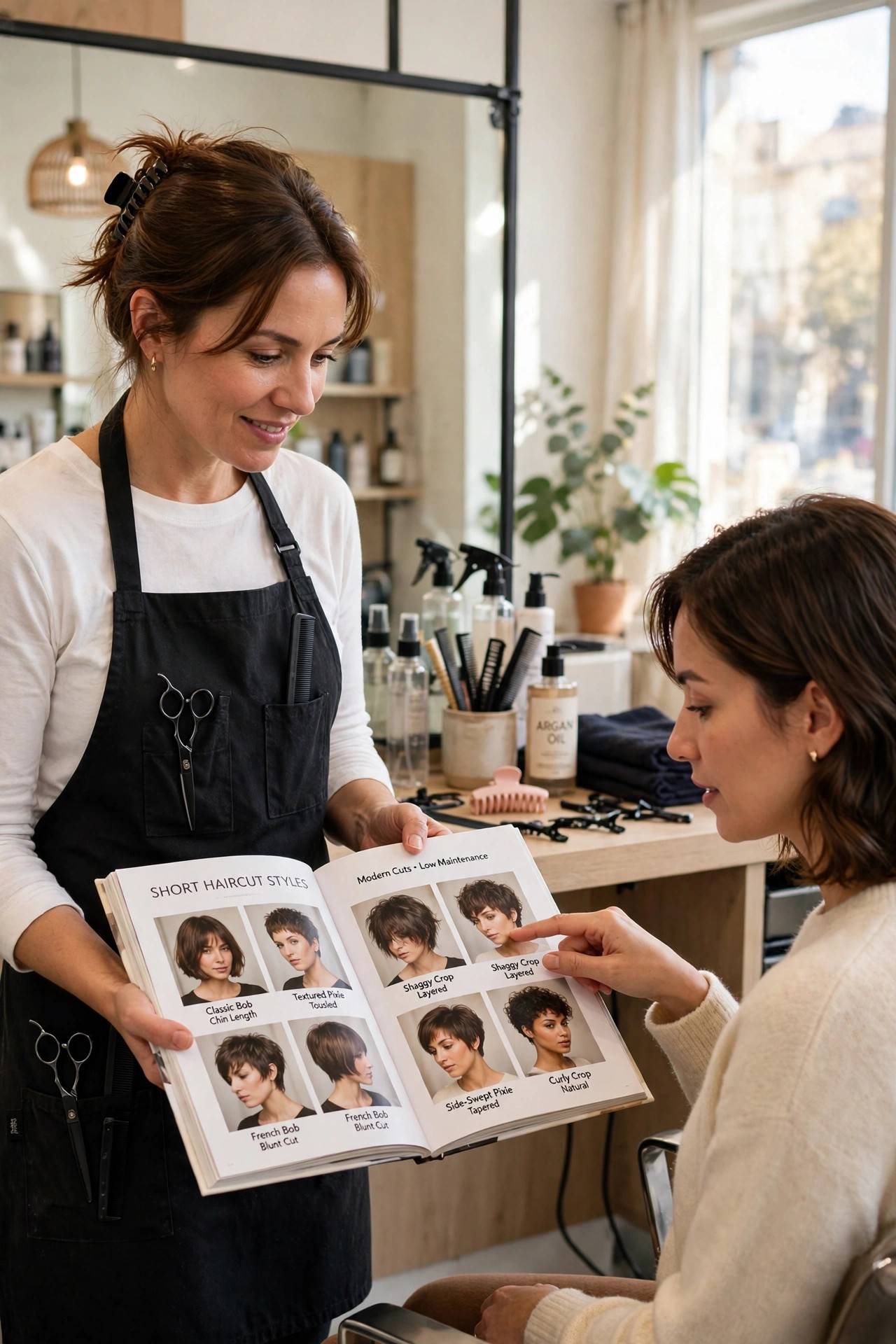
Bring photos the right way: two or three cuts on hair like yours, and say which part of each you want. The pixie cuts for thin hair guide here shows that match in detail.
Upkeep: Trims, Styling, and Growing One Out
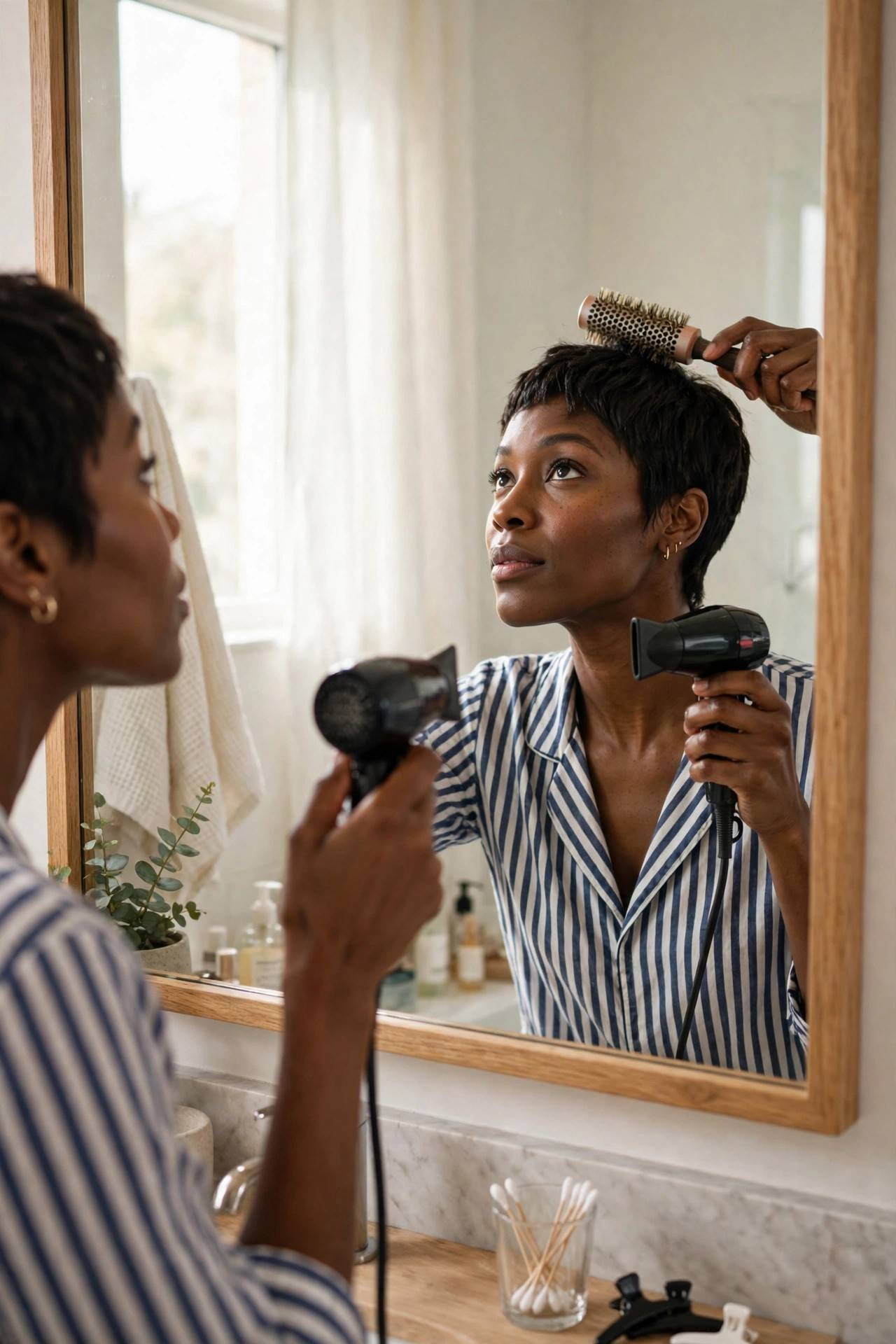
Short hair is styled in the drying, not after it. Product on damp hair, worked through with fingers, sets most of these cuts. Heat stays occasional: the American Academy of Dermatology advises the lowest heat setting that does the job, and short hair shows heat damage fast.
Book the next trim before you leave the salon: a standing appointment a few weeks out keeps a pixie looking like a pixie instead of a grow-out in progress.
If you grow one out, grow it in stages. The shag is the natural halfway house: let the pixie lengthen into choppy layers and keep the nape tidy while the top catches up.
Quick Answers

Which short haircuts for women suit a round face?
A layered bob or a pixie with height on top. Crown length and a side-swept fringe add the angles; skip any blunt line that widens at the jaw.
Will short hair make fine hair look thicker?
Yes, if the ends stay blunt. One solid hemline reads fuller than layered long hair, and it holds the illusion all day.
How often does a short haircut need trimming?
Pixies and undercuts every four to six weeks, bobs six to eight, and a shag stretches a little past that. Bangs want a quick tidy in between.
Can you go short with thick, wavy hair?
Yes. Ask for weight removed inside the cut and layers that follow your wave, and it sits close to the head instead of wide.
What is the easiest short haircut to grow out?
The shag. Its layers were never one exact length, so growth blends in instead of showing a hard line, and it becomes a medium cut with no awkward stage.
Pick the cut that matches your hair first and your calendar second. The short haircuts for women that get rebooked are the ones that still look like a decision six weeks later.