
If you have curls, you know the truth. Curly hair hairstyles look effortless on everyone else and feel like a full-time job on you. One day your curls are defined and bouncy. The next, they are a frizzy triangle with a mind of its own.
Good news: great curls are technique, not luck. Once you know your curl pattern, build a wash-day routine around it, and learn a few defining tricks, curly hairstyles get easier. This guide covers it all, from curl science and styling to cuts and the nighttime habits that protect your progress. These curly hair hairstyles work for every pattern, from waves to coils.
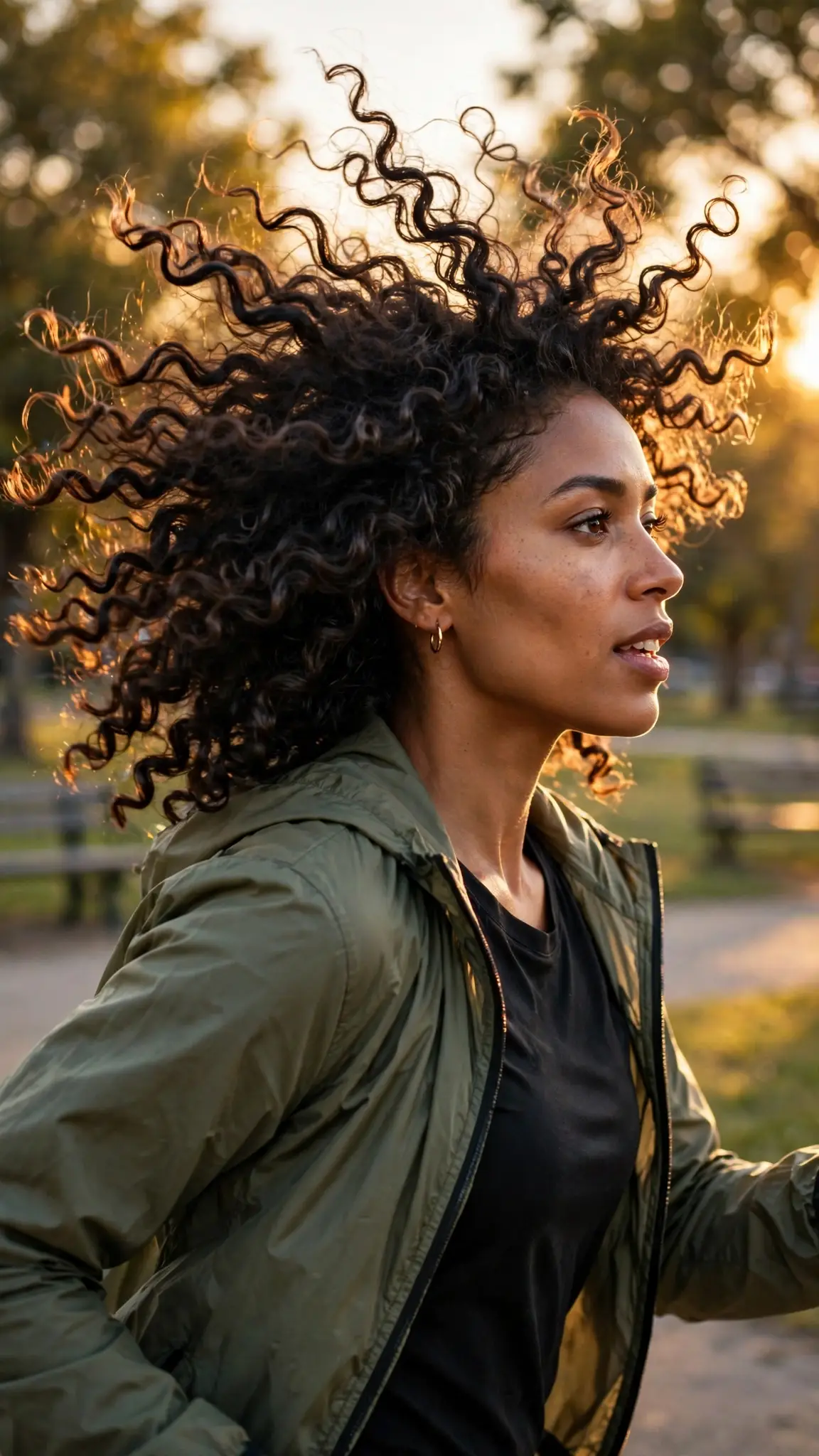
Know Your Curl Pattern First
Everything starts here. Curly hair is grouped into types, from 2A (loose waves) to 4C (tight coils). Your type decides how much moisture you need, which products work, and which techniques give you definition instead of frizz.
Wavy 2A to 2C hair needs lightweight products, since heavy creams pull waves flat. Curly 3A to 3C hair loves cream-gel layering. Coily 4A to 4C hair drinks up moisture and does best with the LOC or LCO method, layering liquid, oil, and cream in the order your hair likes.
Do not stress about one exact letter and number. Most heads hold two or three patterns. Start with your dominant one and adjust from there.
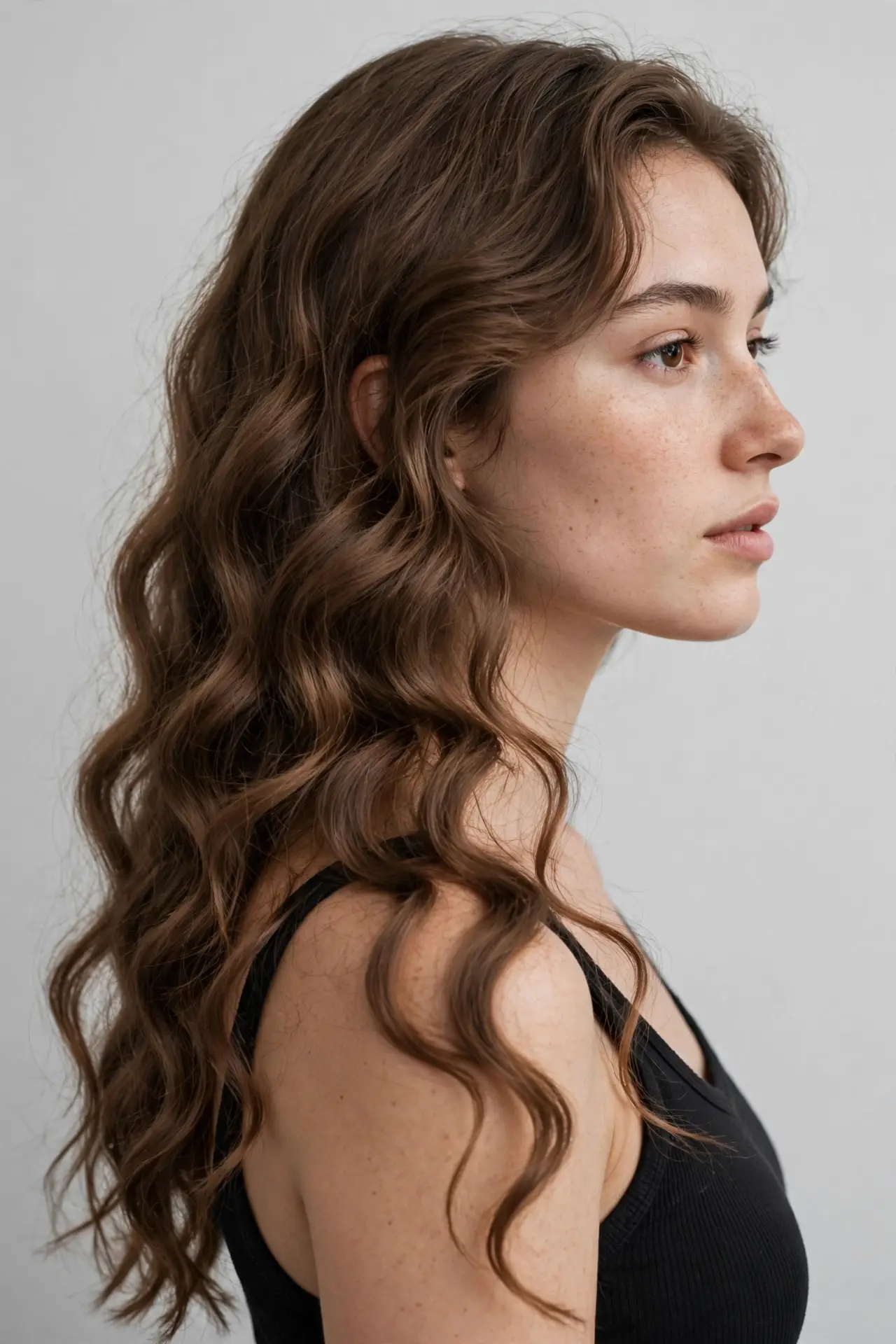
The Wash-Day Routine That Sets Up Great Curls
Wash day is where defined curls are won or lost. Detangle before the shower, or in the shower with conditioner in your hair. Never rake a dry brush through dry curls. That is how breakage and frizz happen.
Shampoo your scalp, not your lengths. That is where oil and buildup live. Let the suds run through your lengths on the way down, then follow with a rich conditioner and give it a few minutes. Very dry hair benefits from a weekly deep conditioning mask. Our guide to hair masks for damaged hair covers the best formulas for thirsty curls.
Finish with cool water. It flattens the cuticle, which means more shine and less frizz before styling even starts.
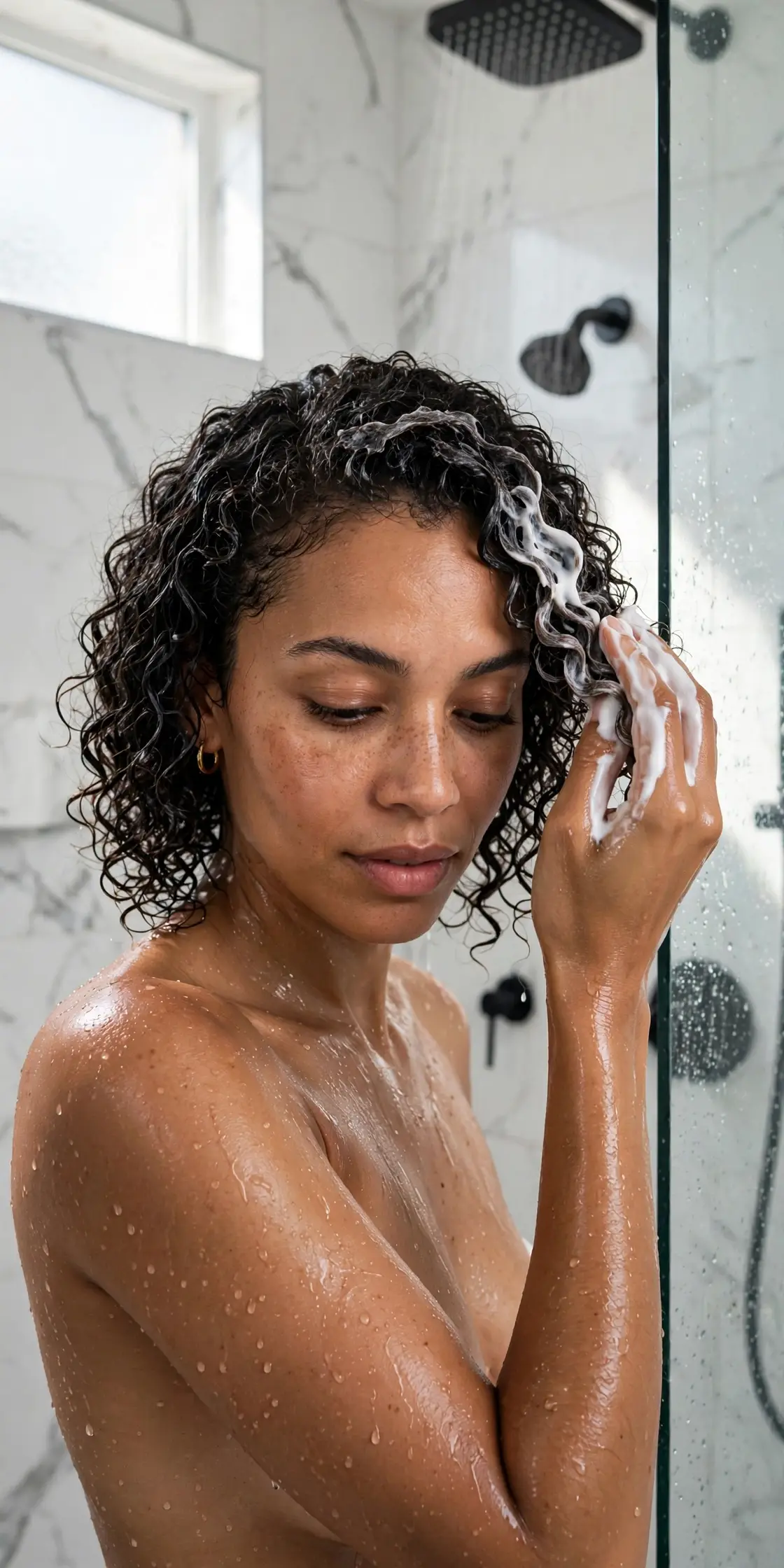
Defining Techniques That Actually Work
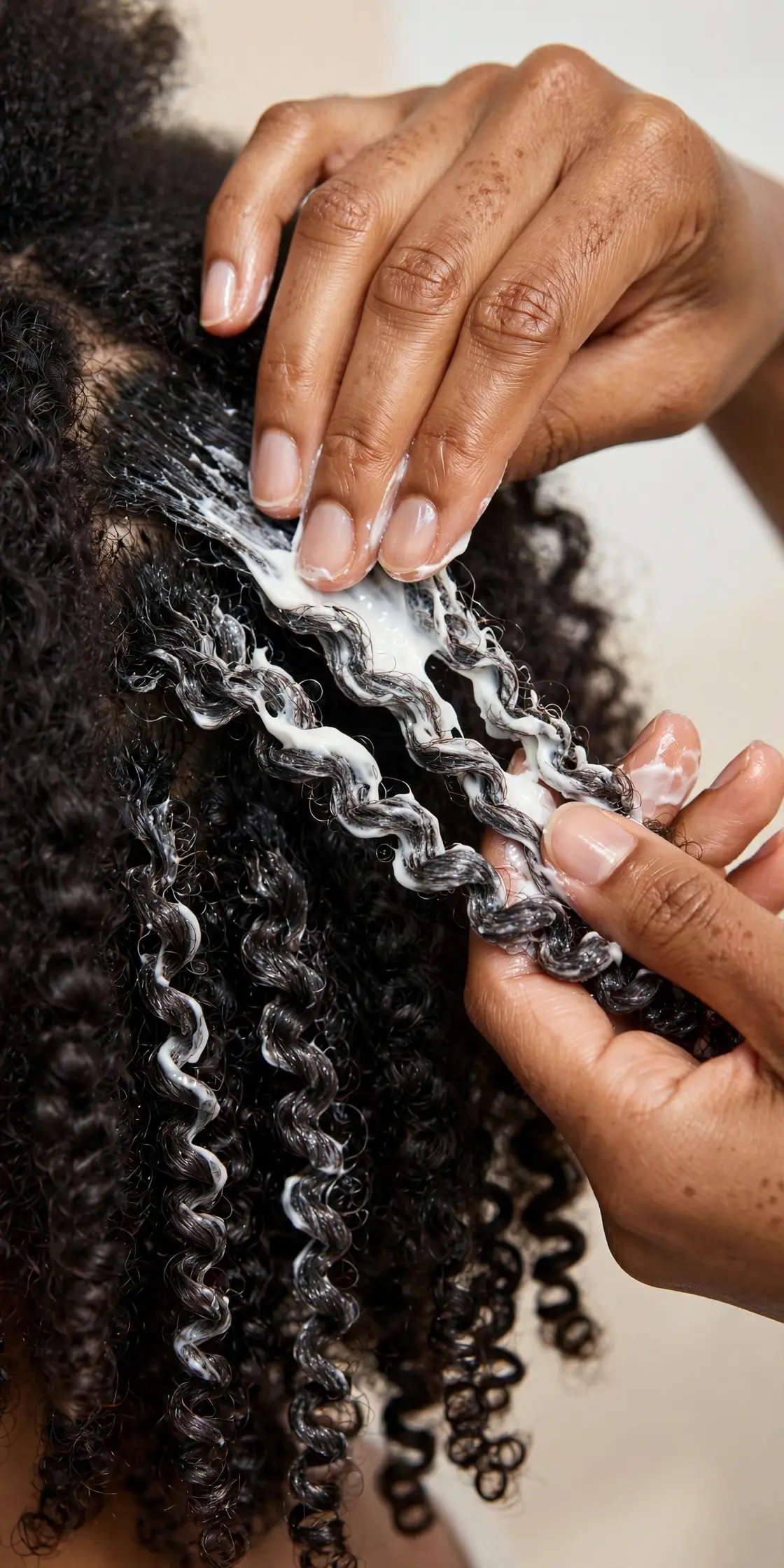
Styling products go on soaking wet hair. This is the rule most people break. On merely damp hair, product sits on top instead of locking each curl into shape.
Work in four to six sections. Smooth a leave-in through each, then add your styler and pick your technique. Scrunching pushes curls toward the scalp and builds volume. Finger coiling wraps individual curls around your finger for maximum definition, worth the extra minutes on special days. Plopping means wrapping wet curls in a cotton T-shirt or microfiber towel, which sets the pattern while absorbing water.
For a natural styler with serious hold, homemade flaxseed gel is a curl community favorite. Our flaxseed hair mask guide shows how to make it.
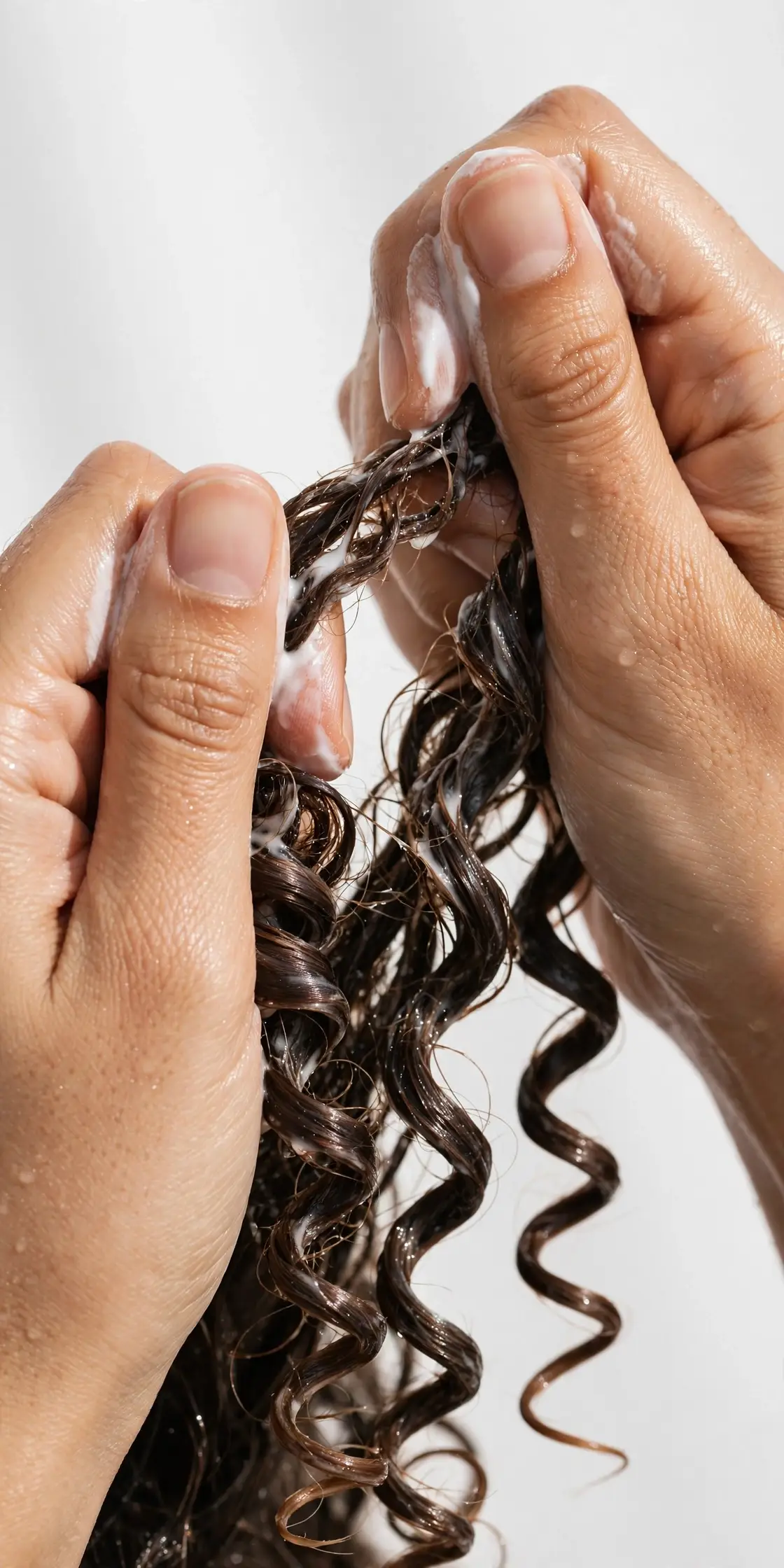
How to Dry Curls Without the Frizz
You have two good options. Air drying is the gentlest. Just do not touch your hair while it dries. Every touch breaks up curl clumps and invites frizz.
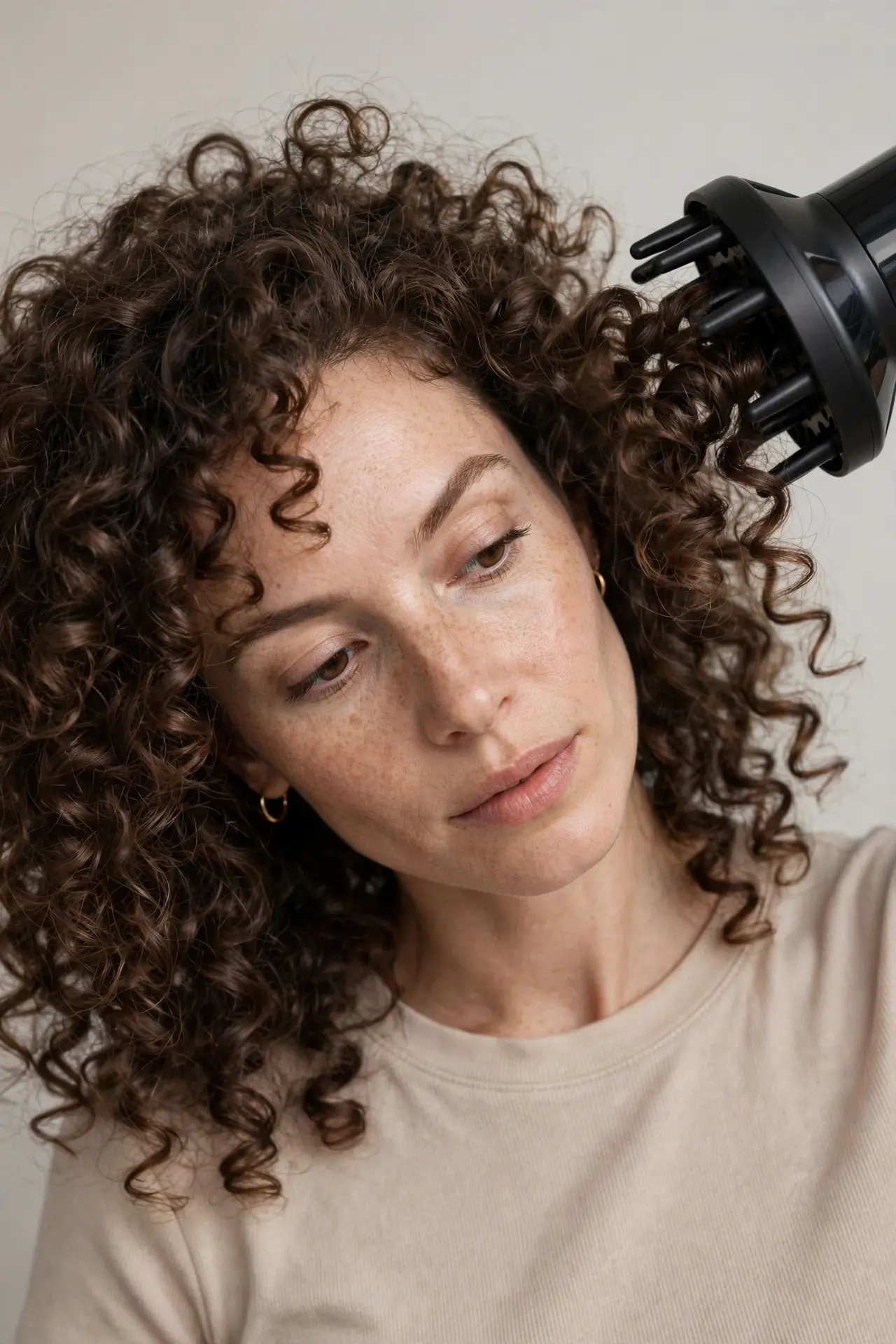
Diffusing is faster and adds volume. Flip your head upside down or to the side, cup sections into the diffuser bowl, and hold. Do not rake it through like a brush. Use low heat and low speed. High heat cooks the curl pattern right out.
Either way, wait until hair is fully dry before scrunching out the crunch. That stiff gel cast protects curls while they set. Then scrunch gently with oiled hands and the crunch gives way to soft, defined curls.
Easy Everyday Curly Hairstyles
You do not need heat or a salon visit to make curls look intentional. The wash and go is the classic: defined curls worn down with a little root volume. Fluff the roots gently with your fingers once dry.
The pineapple is the lazy-day hero. Gather curls into a high, loose ponytail. It keeps them off your neck and preserves them for tomorrow.
Half-up styles work beautifully because the texture does the visual work. Pull the top section back, let the rest fall, and leave a few face-framing curls out to soften the look.

Protective Styles for Curly Hair
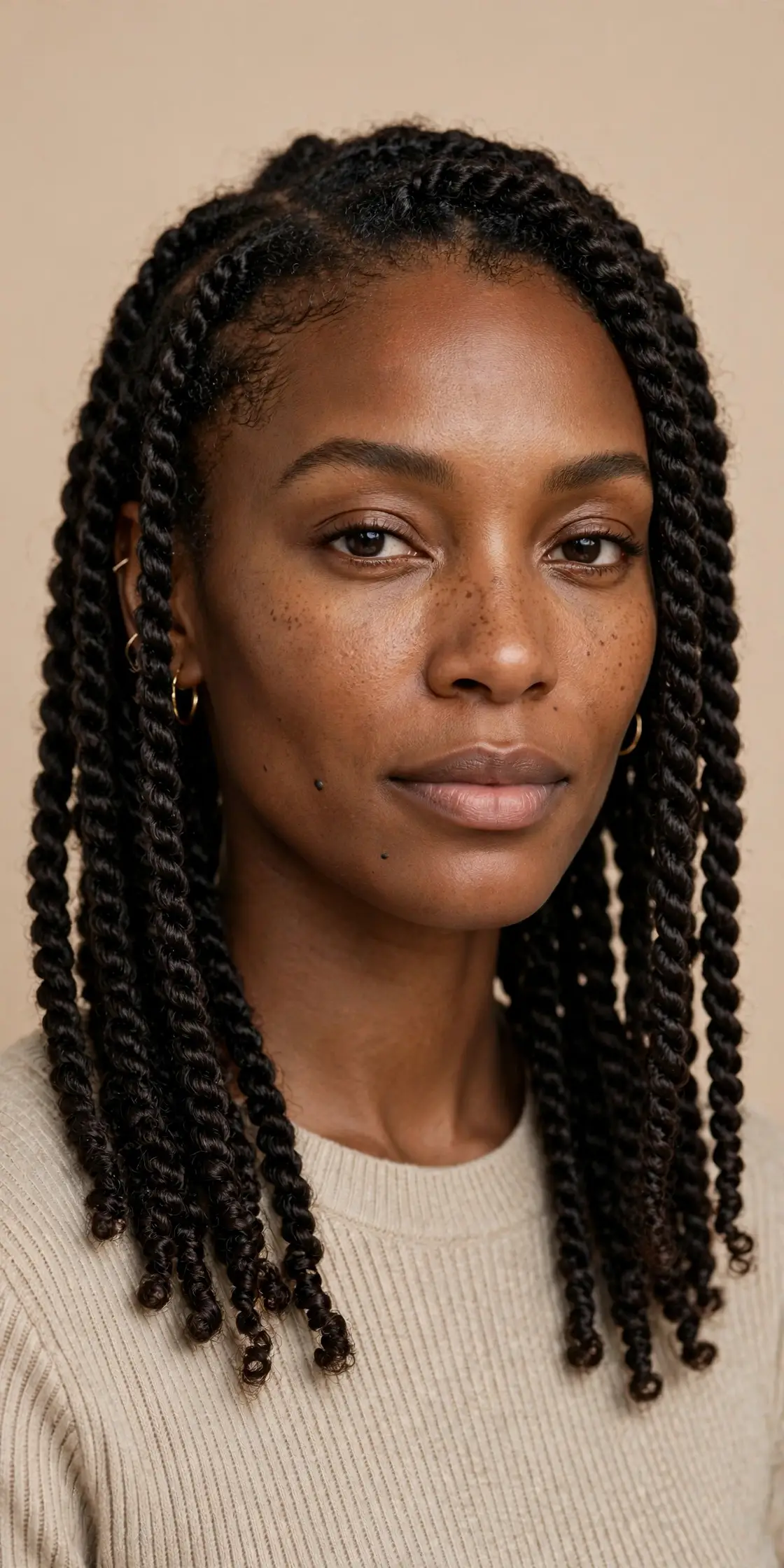
Protective styles tuck ends away so they keep moisture and break less. Two-strand twists are the easiest start. They look polished alone and unravel into a gorgeous twist-out later.
Braids, flat twists, and buns all count, but keep them comfortable. If a style pulls your edges or gives you a headache, it is too tight. Protective does not mean painful.
Keep your scalp happy while a style is in with a light oil every few days. Our hair oiling routine covers the technique step by step.
The Best Haircuts for Curly Hair
A good curl cut is done dry or shaped curl by curl, never straight across while wet. Layers remove weight so curls spring up instead of hanging in a triangle.
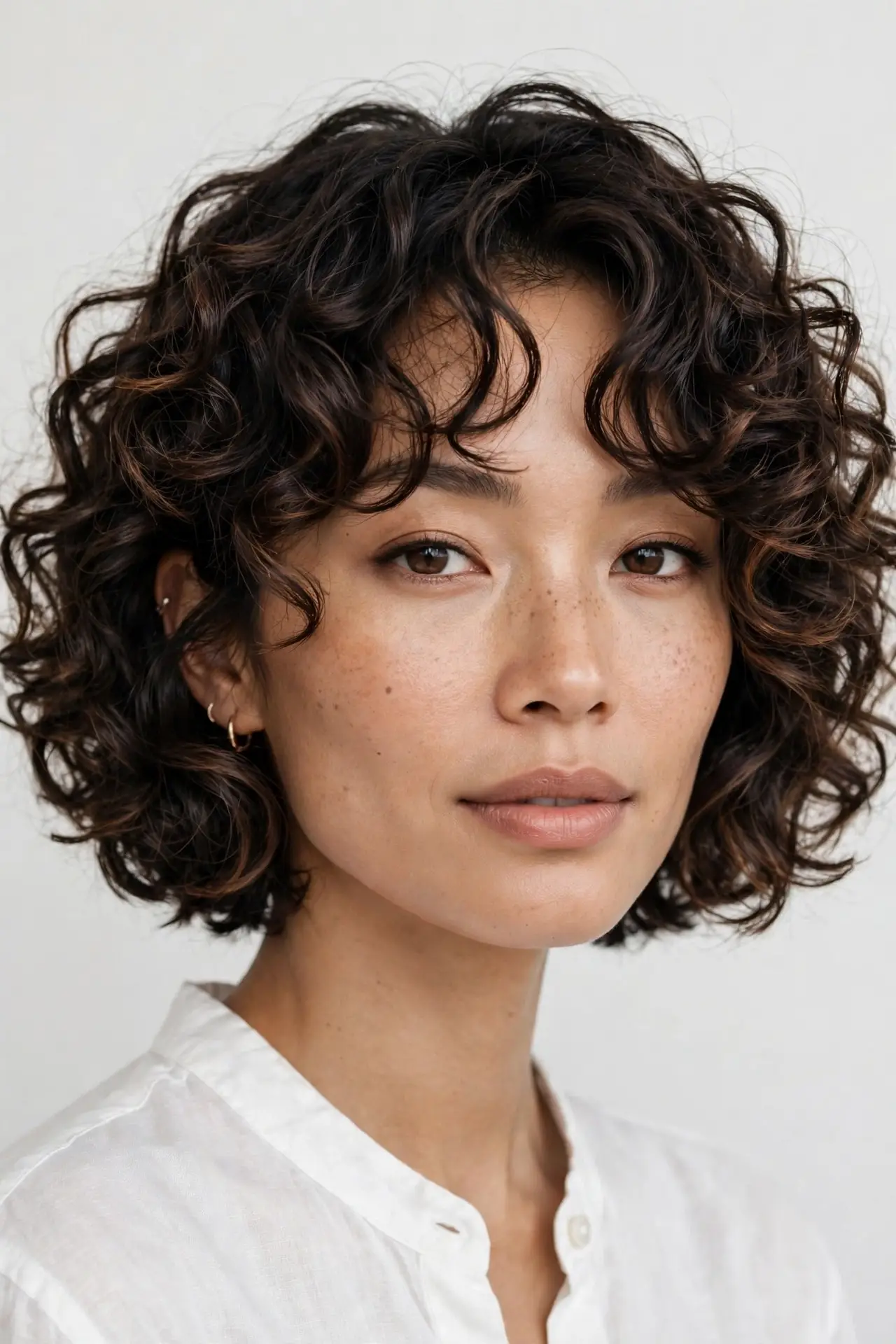
Curly bobs earn their popularity. Chin-to-shoulder length gives bounce without the styling marathon of very long hair. Long layers keep length with movement. Shags and wolf cuts add edgy texture that works with your volume instead of fighting it.
Find a stylist who specializes in curls and ask how they cut them before you book. A great cut makes every style in this guide easier.
Frizz Control That Lasts All Day
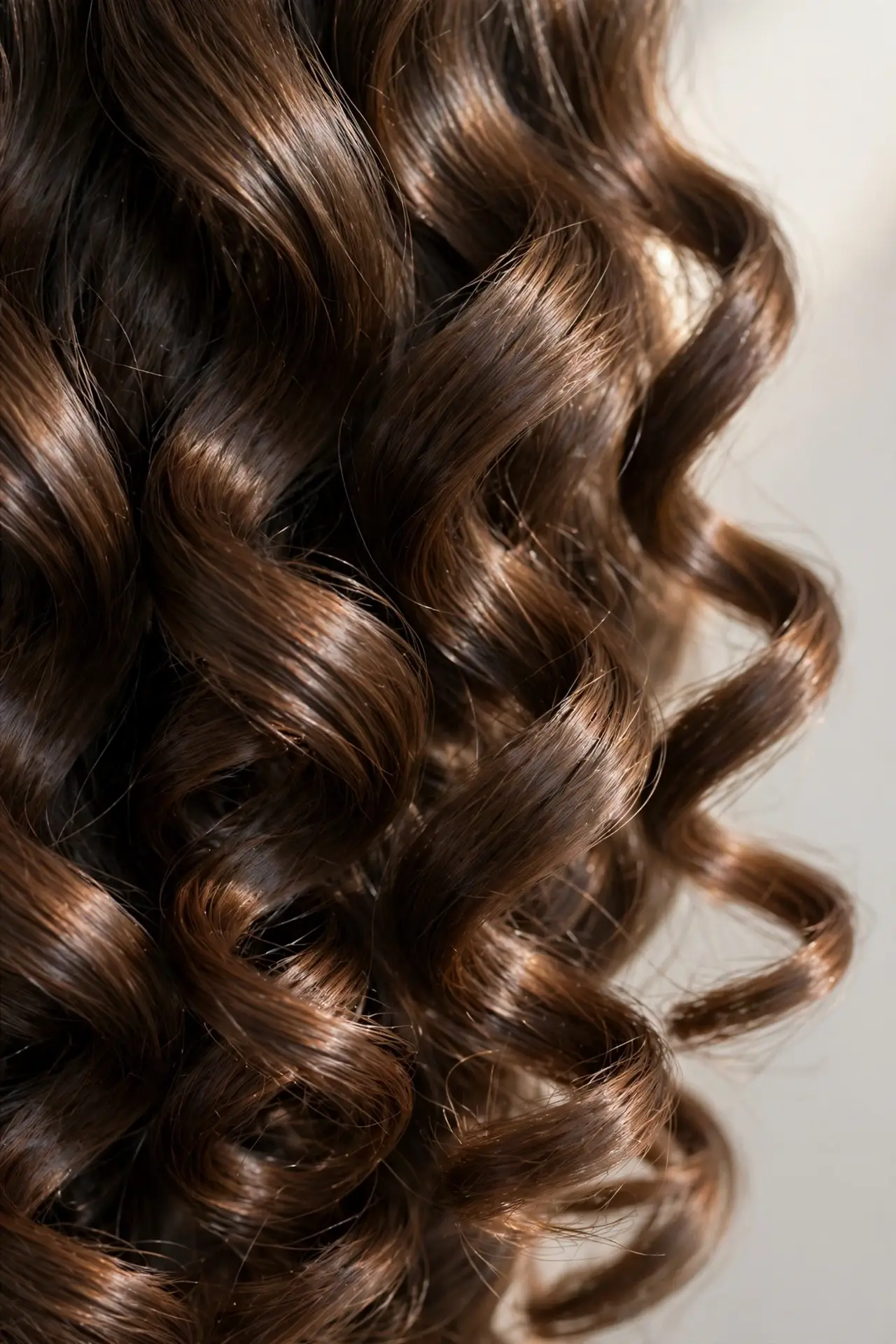
Frizz is mostly thirst in disguise. The fix starts in the shower with real conditioning, not with more product on dry hair.
Humidity is the other culprit. On damp days, a strong-hold gel seals the cuticle against moisture in the air. Anti-humectant products help in very humid climates.
Hands off during the day. Touching and re-scrunching dry curls breaks your product cast and turns definition into fuzz. For a midday refresh, mist lightly with water plus a little leave-in, smooth, and leave it alone.
The Nighttime Routine That Saves Your Curls
Second-day curls come from what you do before bed. The pineapple works overnight too. A loose high ponytail with a silk scrunchie keeps curls stretched and intact.
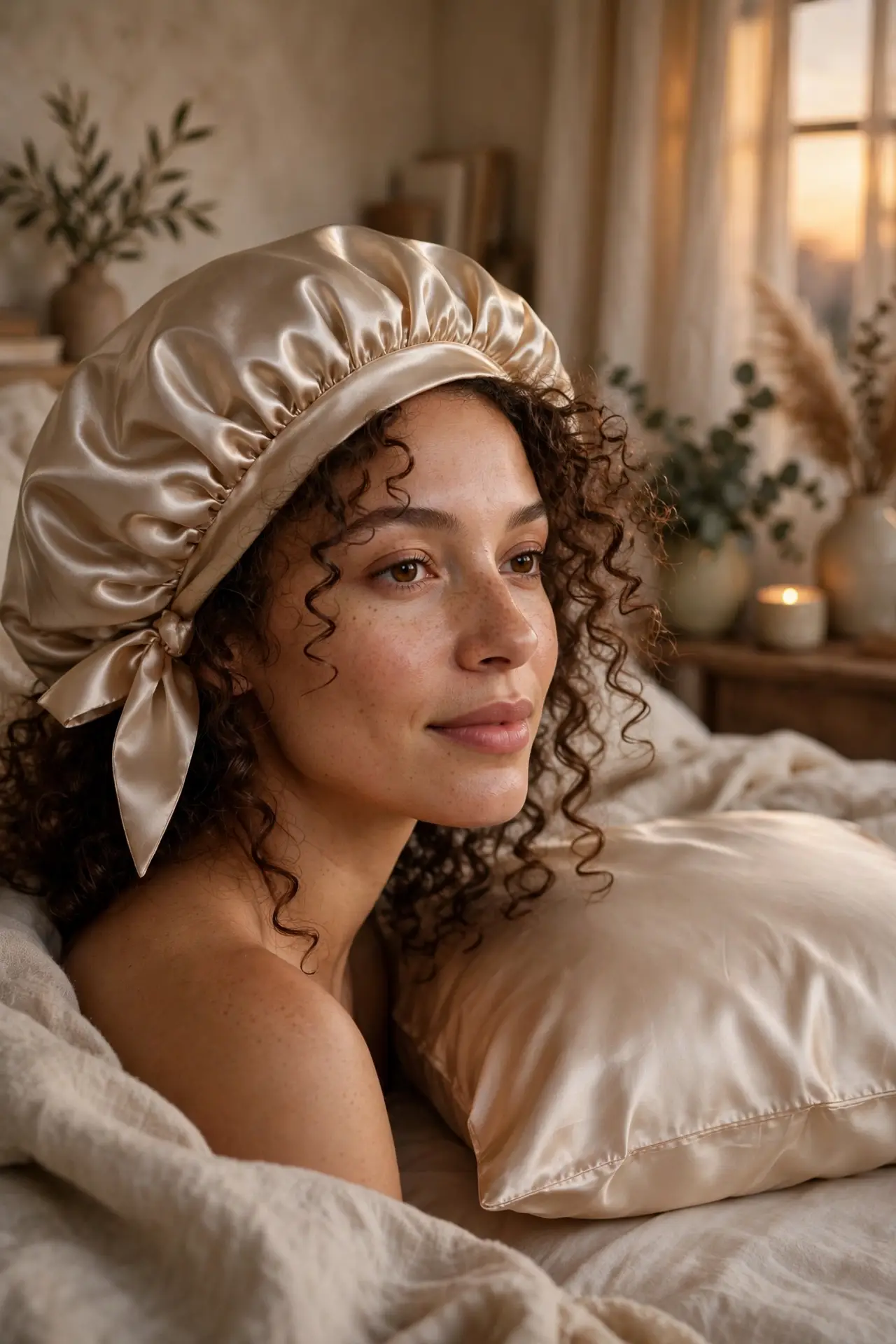
A satin or silk bonnet is the gold standard. Cotton absorbs moisture and roughs up the cuticle, while satin lets curls glide. If bonnets are not your thing, a silk or satin pillowcase gives most of the same benefit.
In the morning, shake gently at the roots and smooth halo frizz with a trace of oil on your palms. Most curl types can stretch one wash to three or four days this way.
What to Look for in Curl Products
Ignore the marketing and read the ingredients. Glycerin, shea butter, and fatty alcohols (cetyl and stearyl alcohol are the good kind) keep curls hydrated. Silicones are not evil, but they build up, so use them knowingly and clarify now and then.
Porosity matters more than curl type for product choice. Low porosity hair needs lightweight formulas and a little heat to absorb them. High porosity hair drinks up heavy creams and butters. Not sure where you land? Take our hair porosity test before buying anything else.
Dermatologists who treat textured hair recommend washing only as often as needed, conditioning the full length, and never detangling dry. Read their full guidance in this dermatologist-backed curly hair care guide.
Frequently Asked Questions
How often should I wash curly hair?
Most curl types do best washing one to three times a week. Very coily hair can often go longer. Wash when your scalp tells you to, not on a fixed schedule.
Why is my curly hair frizzy even with product?
Usually one of three things: hair was only damp instead of soaking wet, you touched it while drying, or it needs more moisture under the styler. Fix the routine before buying new products.
Can I brush curly hair?
Only when wet and full of conditioner, using a wide-tooth comb or your fingers. Brushing dry curls breaks the pattern and creates instant frizz.
How do I make my curls last multiple days?
Pineapple or bonnet at night, silk pillowcase, and a light morning refresh. Most people get two to four good days per wash day.
Do layers really help curly hair?
Yes. Layers remove bulk so curls spring up instead of pulling down into a triangle. Ask for a curl-by-curl dry cut for the best result.
Your Curls Are the Style
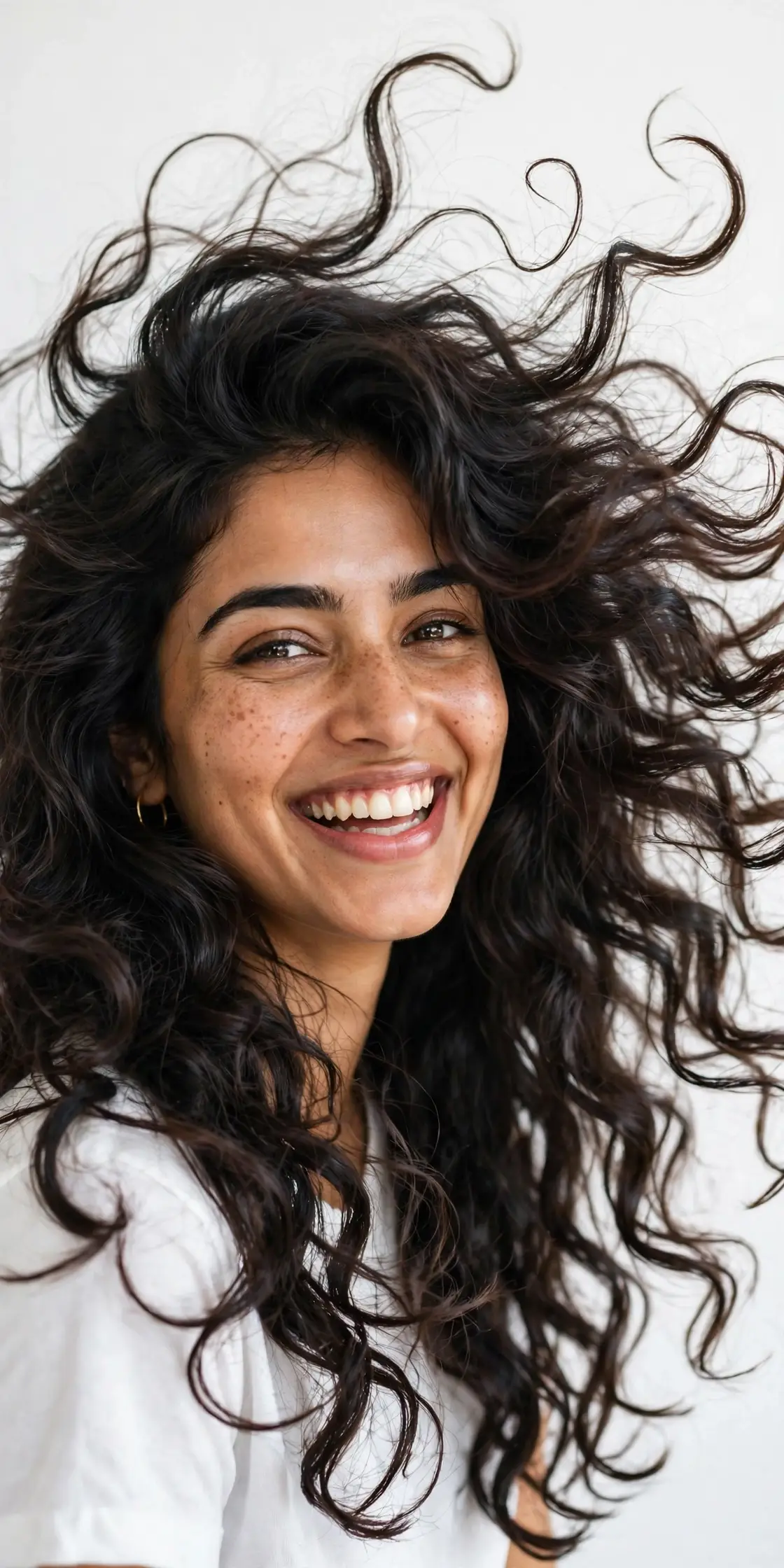
These curly hair hairstyles work best when you stop fighting your texture and start working with it. Learn your pattern, protect your moisture, define on soaking wet hair, and guard your curls at night. Consistency turns bad hair days into rare ones.
Pick one change from this guide and try it on your next wash day. If it helped, save it to your hair board and share it with a curly friend who is still battling the triangle.



Pingback: Christmas Party Hairstyles For Short Hair: 12 Looks