
Damaged hair tells on you. The frizz at the crown, the ends that snap when you brush, the color that fades in a week. It all points to the same problem: the inner structure of your hair is compromised.
A regular conditioner cannot fix that. It coats the surface and calls it a day. A real repair mask goes deeper, filling in the gaps where bleach, heat, or rough handling tore your hair apart.
These nine approaches cover every kind of damage, and each is a hair mask for damaged hair that earns its place. Pick the one that matches your hair's story. Repair is slow, but it is real.
Protein Power: Keratin-Rich Masks
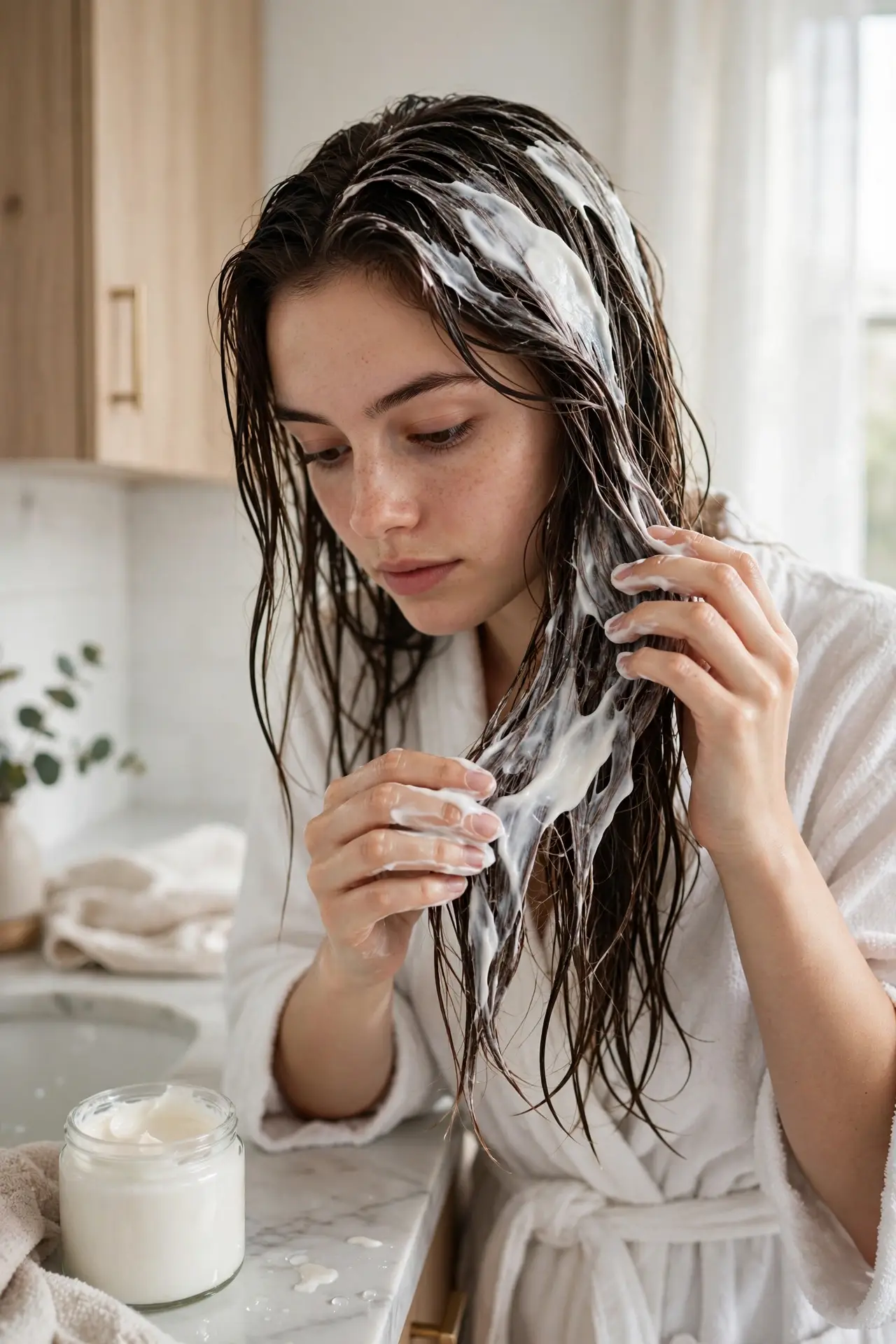
Bleach and heat eat the protein your hair is built from. Keratin masks put some of it back, patching the weak spots along each strand so it stops snapping.
Use them on damp, towel-dried hair and leave the full time on the jar. Rushing it is like pulling bread out early. It looks done, but the inside is still raw.
One warning: protein is not moisture. If hair feels stiff after a keratin mask, you overdid protein and skipped hydration. Alternate with a moisture mask to find the balance.
The Bond-Builder Mask
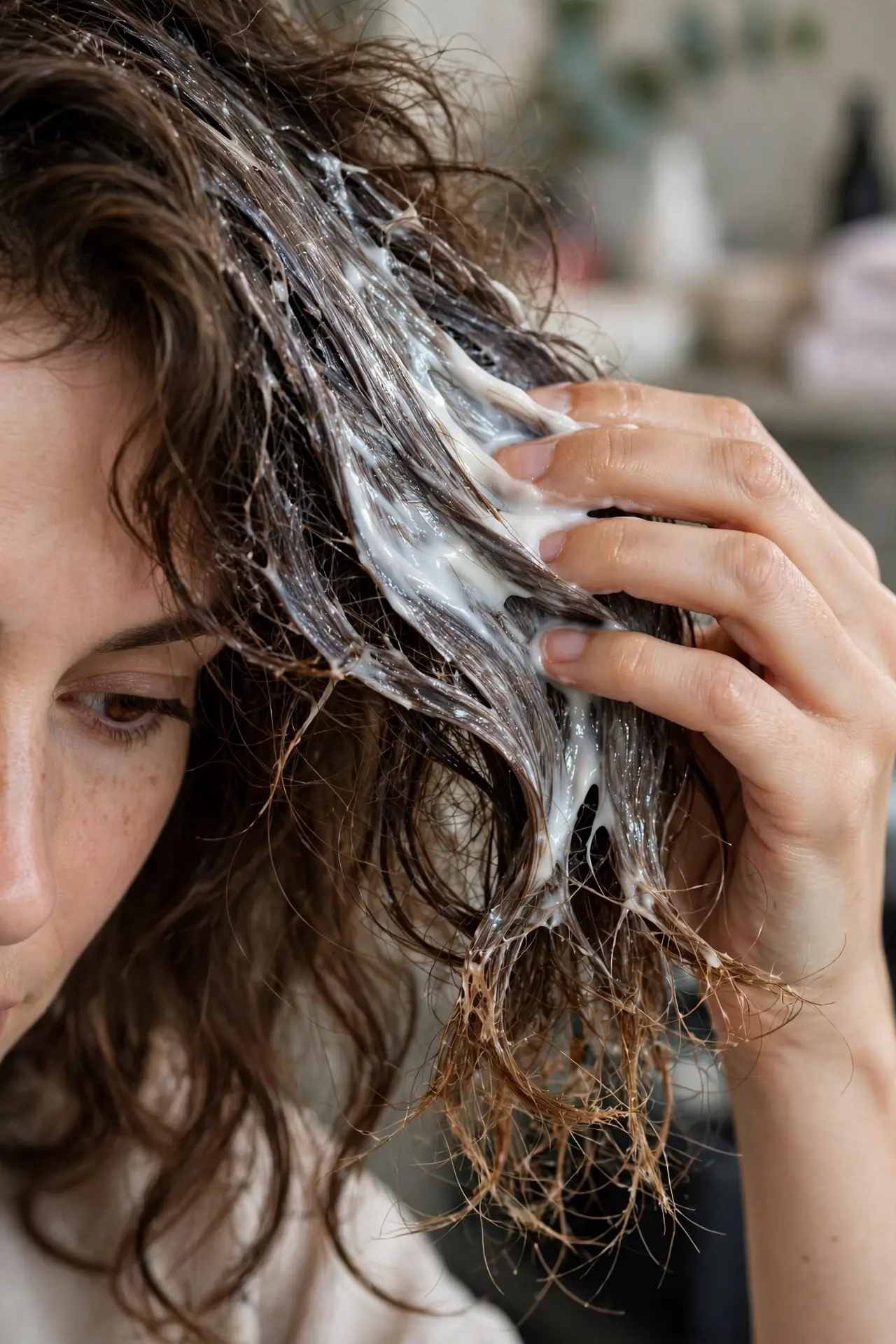
Some damage goes deeper than the surface. Bleach breaks the actual bonds inside your hair, and no amount of oil on top fixes that. Bond-building masks work at that deeper level, reconnecting what the bleach pulled apart.
These are the priciest masks on the shelf, and for once the price means something. If your hair stretches like chewing gum when wet, or breaks the second you look at it, a bond builder is the move. Our cherry cola brunette shades are gorgeous, but vivid color usually means bleach underneath, which is exactly when bonds need rebuilding.
Use it before shampoo, not after. Most bond builders go on dry or damp hair first, then get washed out. The order matters more here than with regular masks.
Deep Moisture for Bleach-Damaged Hair

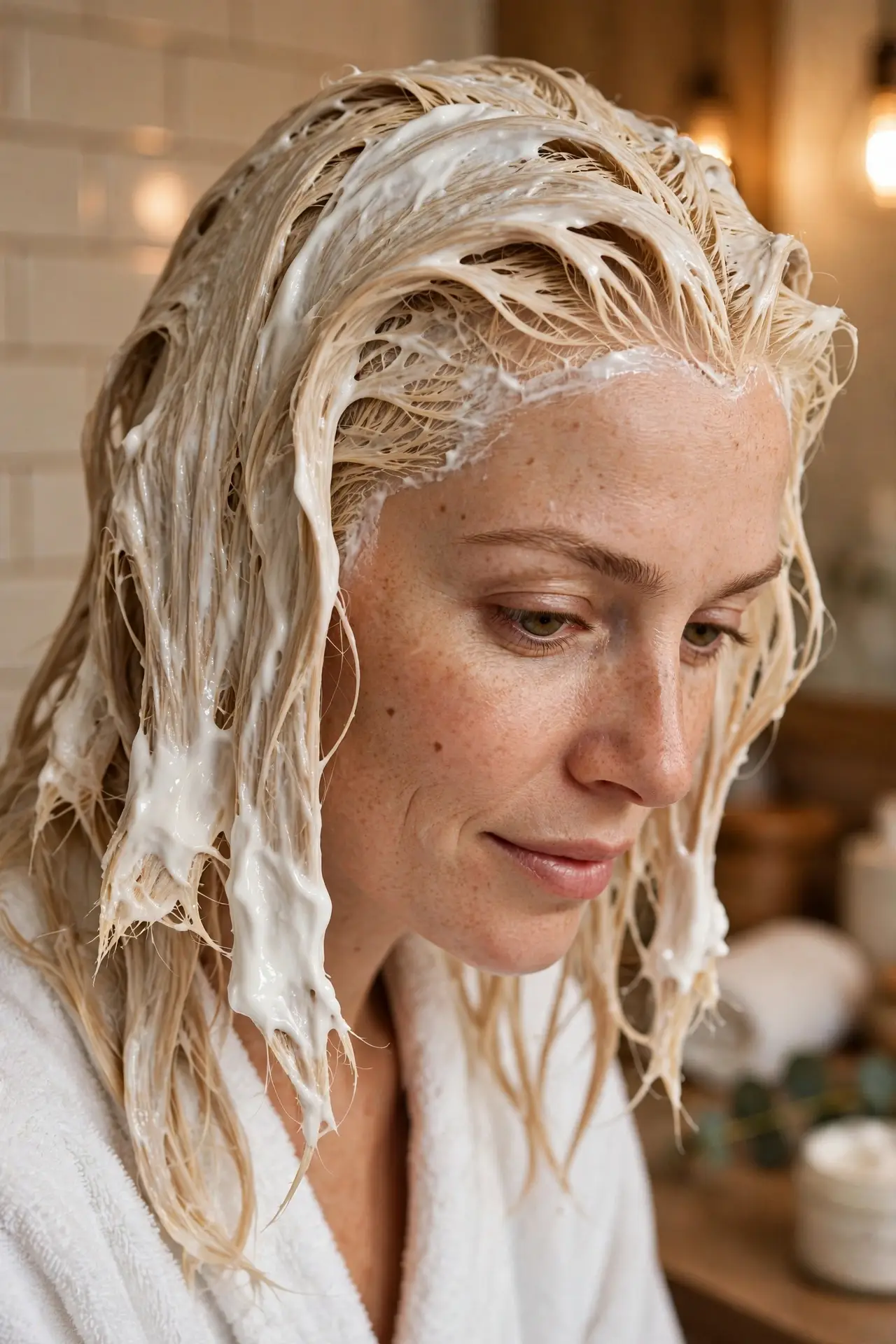
Bleached hair is thirsty hair. Lightening lifts the cuticle and lets moisture escape, so strands dry out fast. Rich masks with shea butter, oils, and fatty alcohols seal it back down.
Apply generously from mid-length to ends. Your roots do not need it, and loading them up just leaves you flat and greasy by noon.
Once a week is the sweet spot for bleached hair. Twice if you swim a lot. If you went copper recently, our cowboy copper hair color guide pairs well with a weekly moisture mask to keep that shade from going dull.
The Overnight Repair Mask
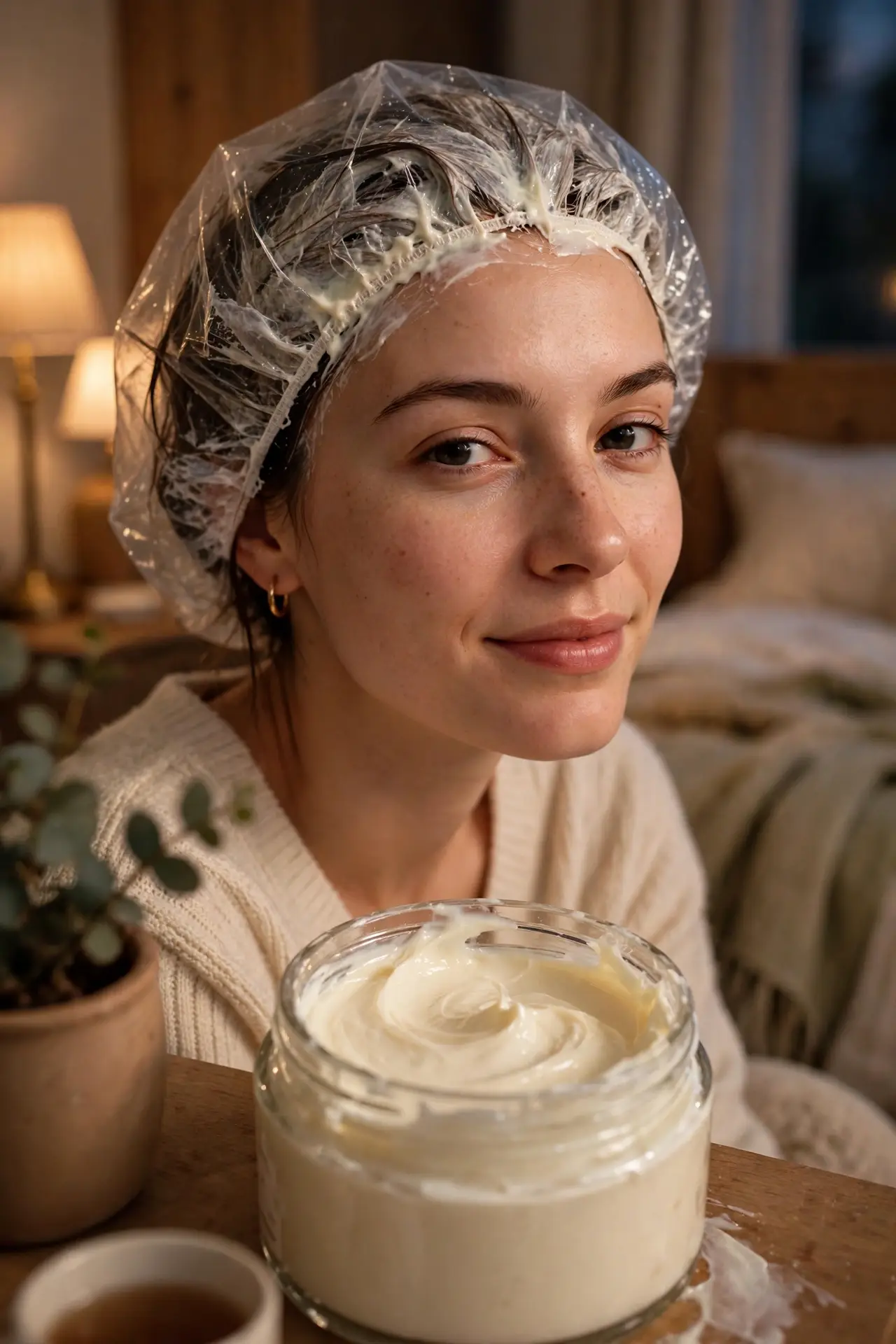
Some masks work better with time. An overnight treatment gives the ingredients hours to sink in instead of minutes, which makes a real difference on seriously damaged hair.
Pick the right formula. Heavy oils and butters are fine overnight. Protein-heavy masks are not, since hours of protein can leave hair brittle. Check the label first.
Wrap it up to protect your pillow. A shower cap or old silk scarf does the job. In the morning, shampoo it out properly.
Heat-Damage Rescue Masks
Flat irons cook the keratin in your hair, leaving that crispy, straight-but-frizzy texture no serum can hide. Masks with ceramides and amino acids help smooth the cuticle back into place.
Honesty first: no mask reverses heat damage completely. It makes damaged hair behave while healthy hair grows in. Damage control, not a time machine.
While you recover, give the hot tools a rest. A dermatologist-backed guide to repairing damaged hair puts it bluntly: the less heat you use during recovery, the faster you see results.
DIY Kitchen Masks That Actually Work
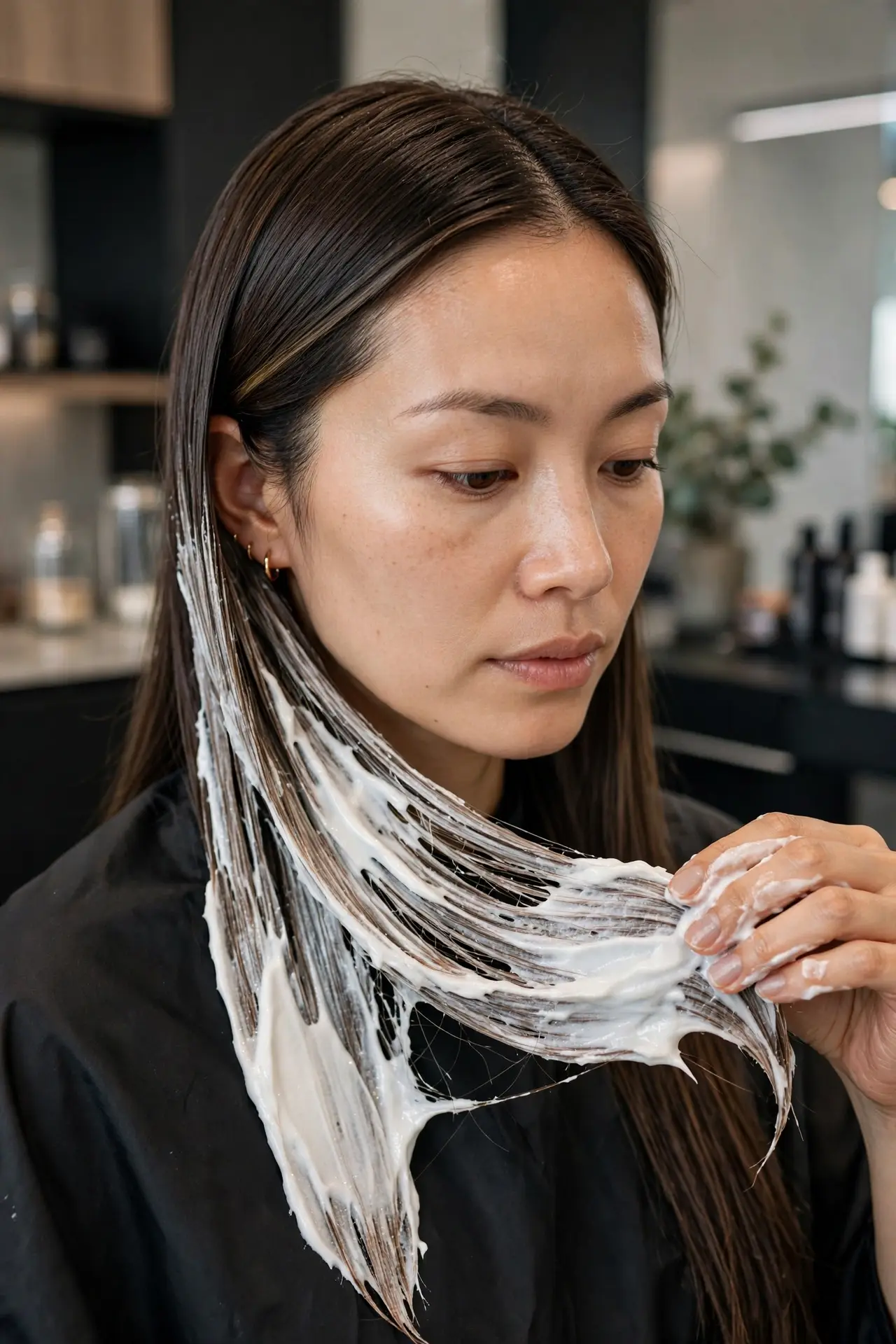
You do not need a forty-dollar jar to start. Mashed avocado, honey, and olive oil make a genuinely effective mask, and you probably own all three.
One ripe avocado, two tablespoons of honey, two tablespoons of olive oil. Mash it smooth, work it through damp hair, and leave it for twenty minutes. The avocado fats mimic your hair's natural lipids.
Keep expectations honest. A kitchen mask hydrates beautifully, but it will not rebuild bonds the way a lab-made treatment does. Use DIY for maintenance between the heavy-duty masks.
How Often to Mask Damaged Hair

More is not always better. Masking every single day can overload your hair, especially with protein formulas, and leave it limp or gummy.
For moderate damage, once a week is plenty. For severe damage, twice a week for the first month, then drop back to weekly.
Watch how your hair responds and adjust. If it feels coated or heavy, skip a week. Damaged hair changes as it heals, so your schedule should change with it.
The Breakage Fix: Masks for Snapping Ends

Breakage is different from dryness. Dry hair feels rough. Breaking hair snaps off in your brush and leaves you with layers you never asked for. Masks with hydrolyzed proteins and ceramides target exactly this.
Focus the product on the last three inches, where breakage lives. That hair is oldest and weakest, and needs the most help.
Be gentle while it heals. Wide-tooth combs only, no tight ponytails, and sleep on silk if you can. Our wet hairstyles guide covers gentle handling that keeps fragile, freshly masked hair from snapping while it dries.
After the Mask: Sealing in the Repair

Rinsing the mask out is only half the job. Damaged hair loses moisture fast, so seal everything in with a leave-in or a few drops of oil on damp ends.
This step matters most for curly hair, which dries out fast. Our curly hair care tips pair perfectly with a weekly mask routine.
And when your hair needs a full break from styling while it recovers, a good wig buys you time. Our wig hairstyles look natural enough that nobody will know you are growing out the damage underneath.
Pick the hair mask for damaged hair that matches your damage, use it consistently, and be patient. Hair heals slowly, but it does heal.





Pingback: Curly Hair Hairstyles: 12 Ways To Healthy, Defined Curls
Pingback: Rice Water Hair Rinse: How-To For Stronger Hair