
A good cut for a child has one job that matters more than looking neat on day one. It has to keep looking fine three weeks later, when nobody has time for a touch-up.
The best kids haircuts share three traits: soft edges that grow out without a hard line, a shape that suits the hair type, and a length a parent can manage on a school morning.
This list covers eight cuts that meet that bar, plus first haircut guidance, what to ask the stylist, and trim schedules.
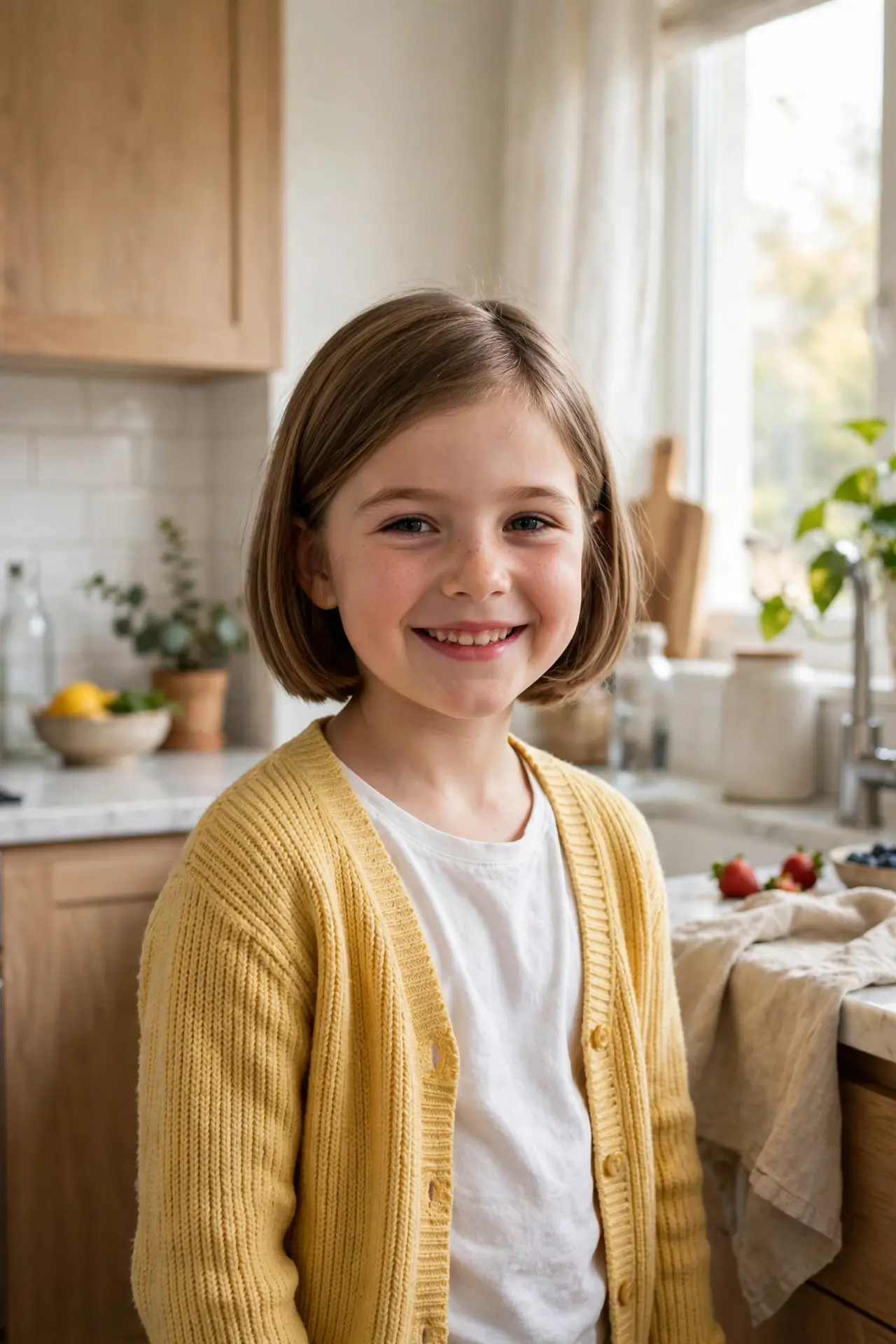
Table of Contents
1. Classic Bob
The classic bob ends at the chin or just below it, with one clean line all around. It suits straight and slightly wavy hair best, and it frames the face without fuss.
A bob needs almost no morning work. Comb it, let it fall, and go.
Ask for a soft edge, not a razor-sharp line. A gentle edge grows out into a longer bob instead of a lopsided shape.

2. Textured Pixie
A textured pixie keeps the top a little longer and the sides short, with choppy ends that move. It works for boys and girls, and it is one of the lowest-effort kids haircuts for busy mornings.
The texture does the styling. A quick finger-comb through damp hair is the whole routine.
This cut suits fine hair well. Short layers add body that long hair cannot hold on its own.

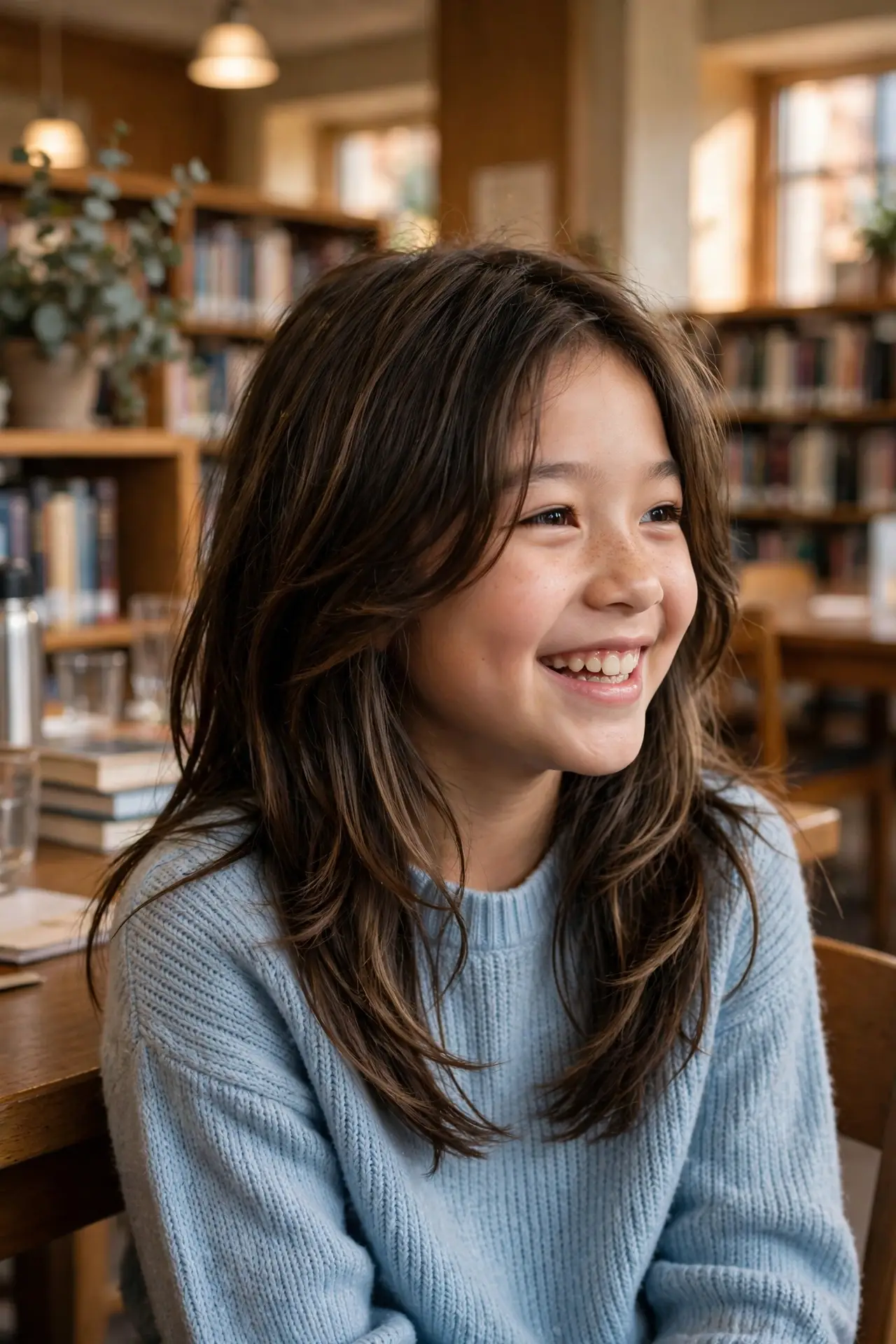
3. Long Layers
Long layers keep the length while removing weight. Face-framing pieces in front and longer layers through the back stop thick hair from hanging flat.
This cut suits kids who love long hair but hate tangles. Layers let a comb pass through without catching.
Ask the stylist to keep the shortest layer at the chin or below. Shorter face pieces grow out fast and need trimming sooner.
4. Tapered Crop
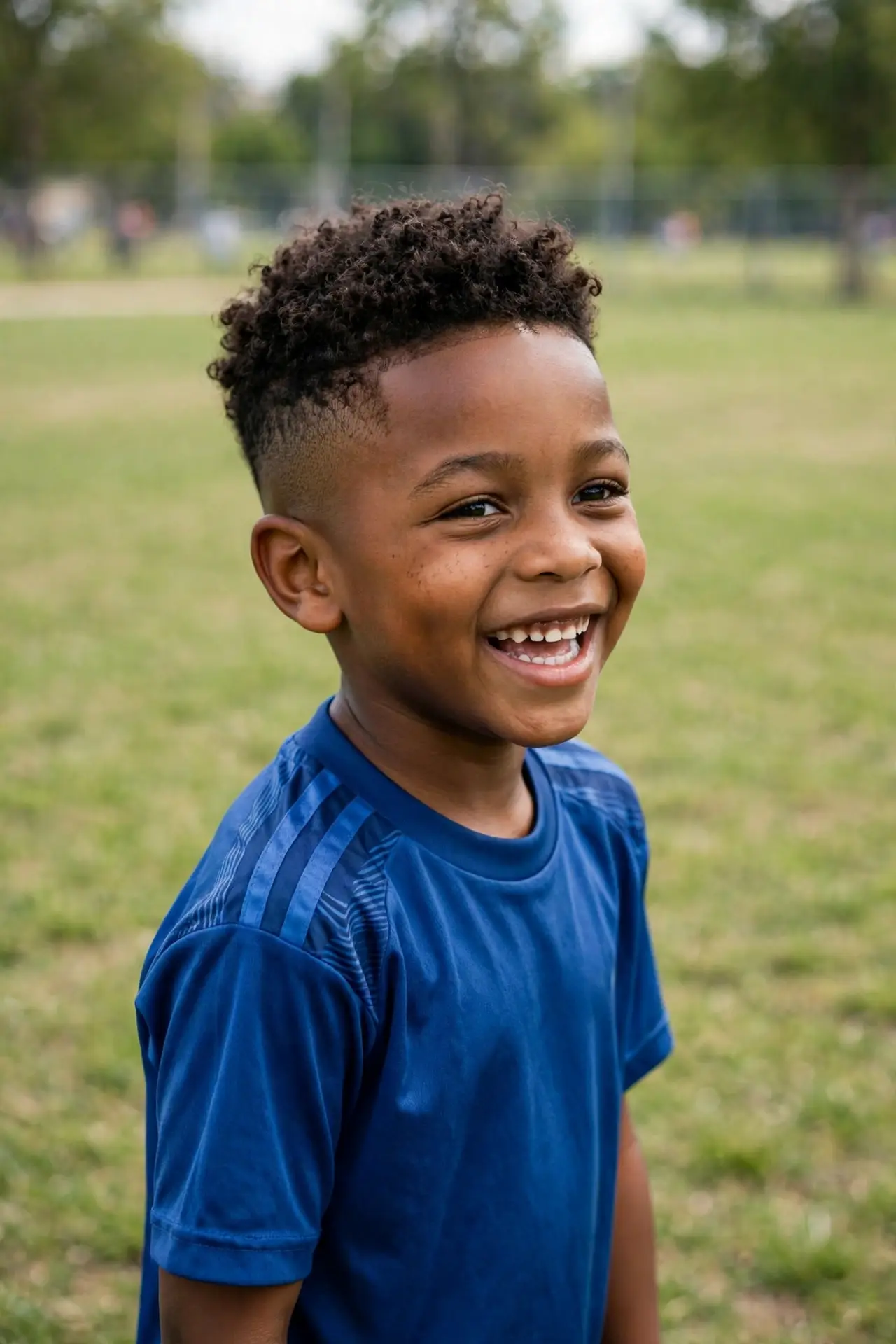
A tapered crop keeps the sides short and neat, with length left on top for curls or waves. The fade between the two should be gradual, not a hard step.
This cut is a strong pick for coily and curly hair. The top keeps its curl pattern, and the short sides stay tidy for weeks.
Between cuts, a little leave-in cream on the top keeps the curls defined. The sides need no product at all.
5. Shaggy Cut
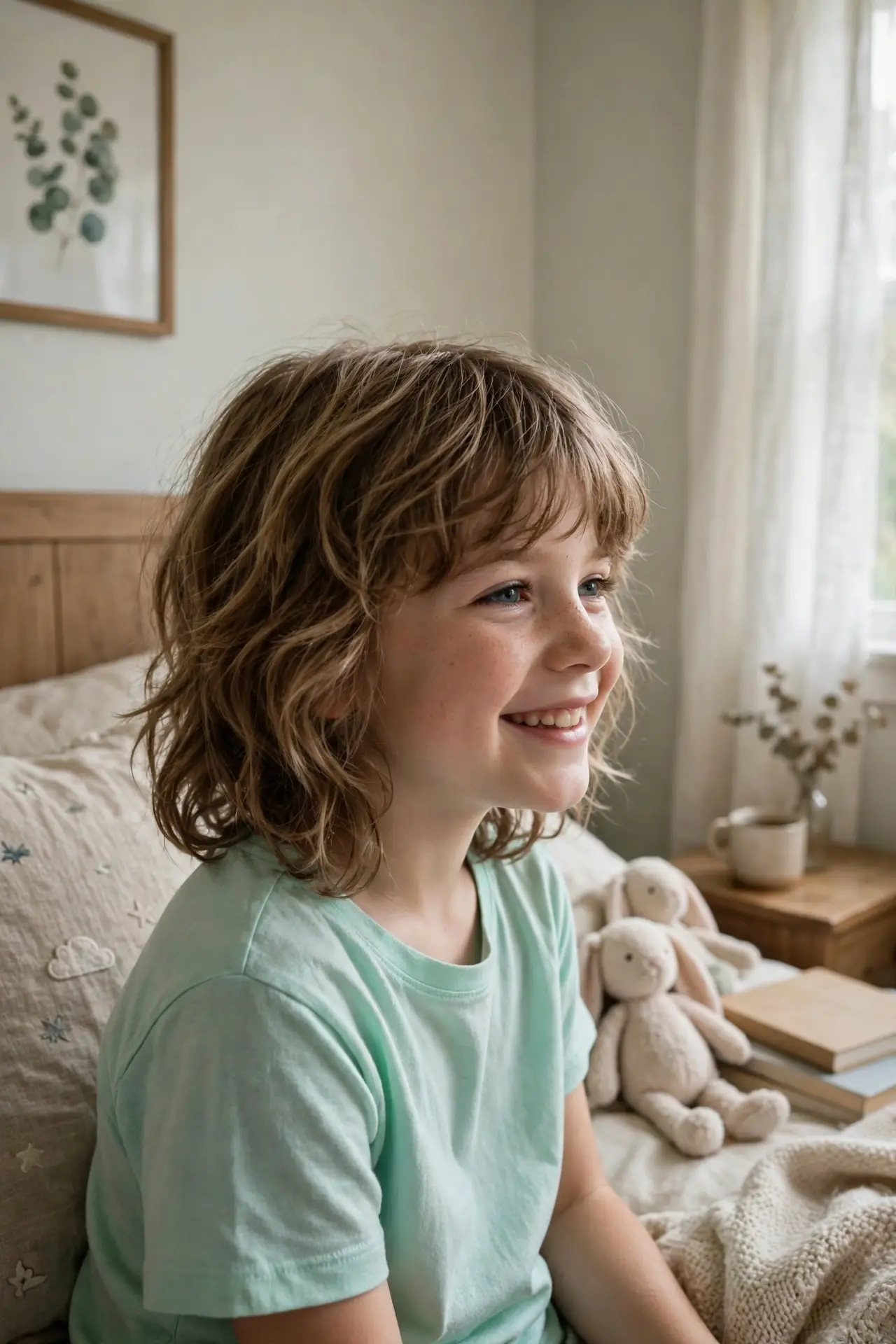
A shaggy cut uses soft, feathered layers all over, with a wispy fringe in front. It suits wavy hair best, since the layers follow the natural wave instead of fighting it.
This is the most forgiving cut on the list. A shaggy cut grows out into a longer shaggy cut, so a missed trim barely shows.
Keep the fringe light. Heavy bangs on a shaggy cut hide the eyes and need trimming every few weeks.
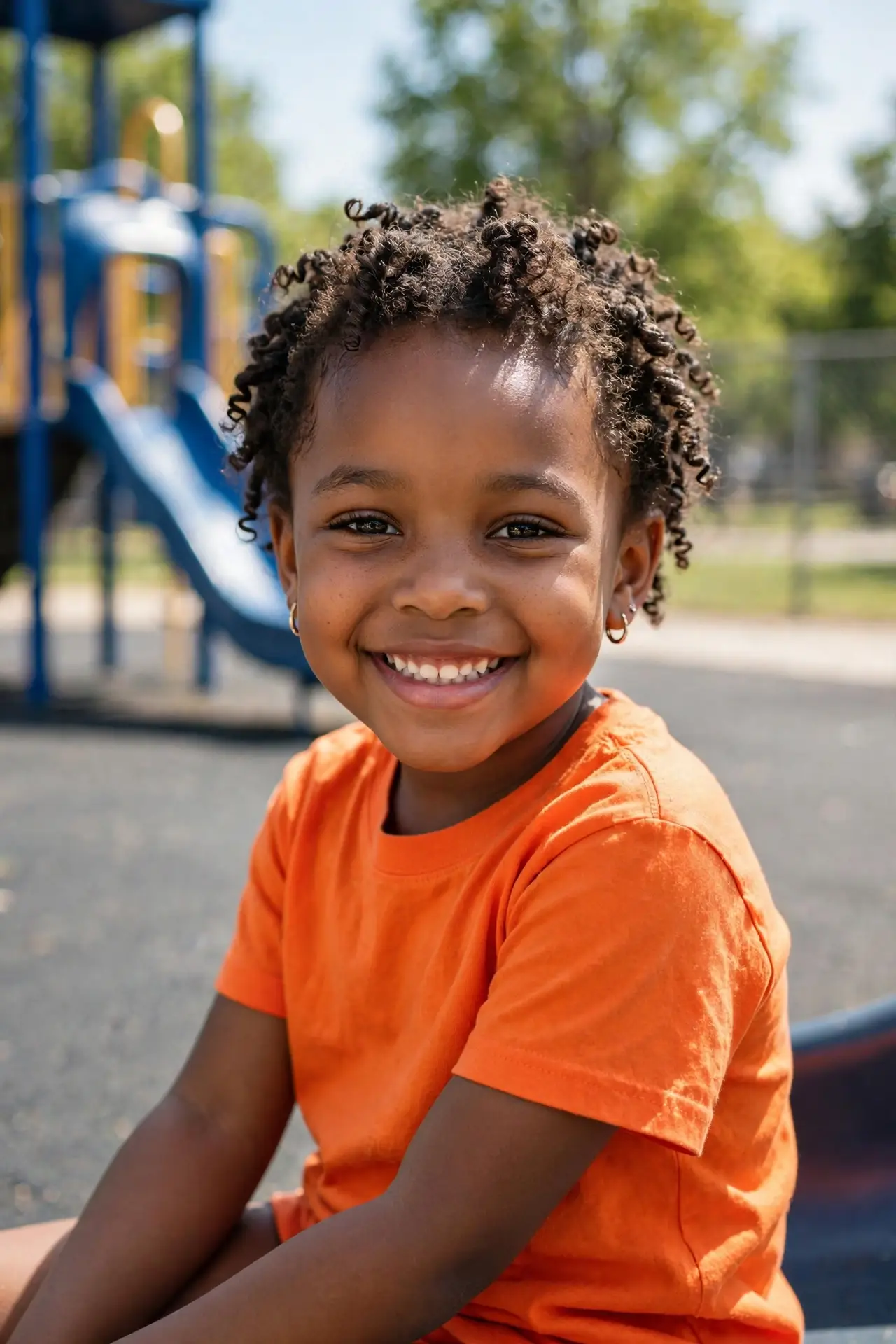
6. Curly Crop
A curly crop keeps curls short enough to wash and go, with shape built into the cut. The stylist should cut curls dry, one curl at a time, since wet curls spring up shorter than planned.
This cut frees curly-haired kids from daily detangling battles. Shorter curls tangle less and dry faster.
For curly kids haircuts, ask for a rounded shape with no hard corners. A round shape grows out evenly and keeps the curls bouncing.
7. Fringe Cut
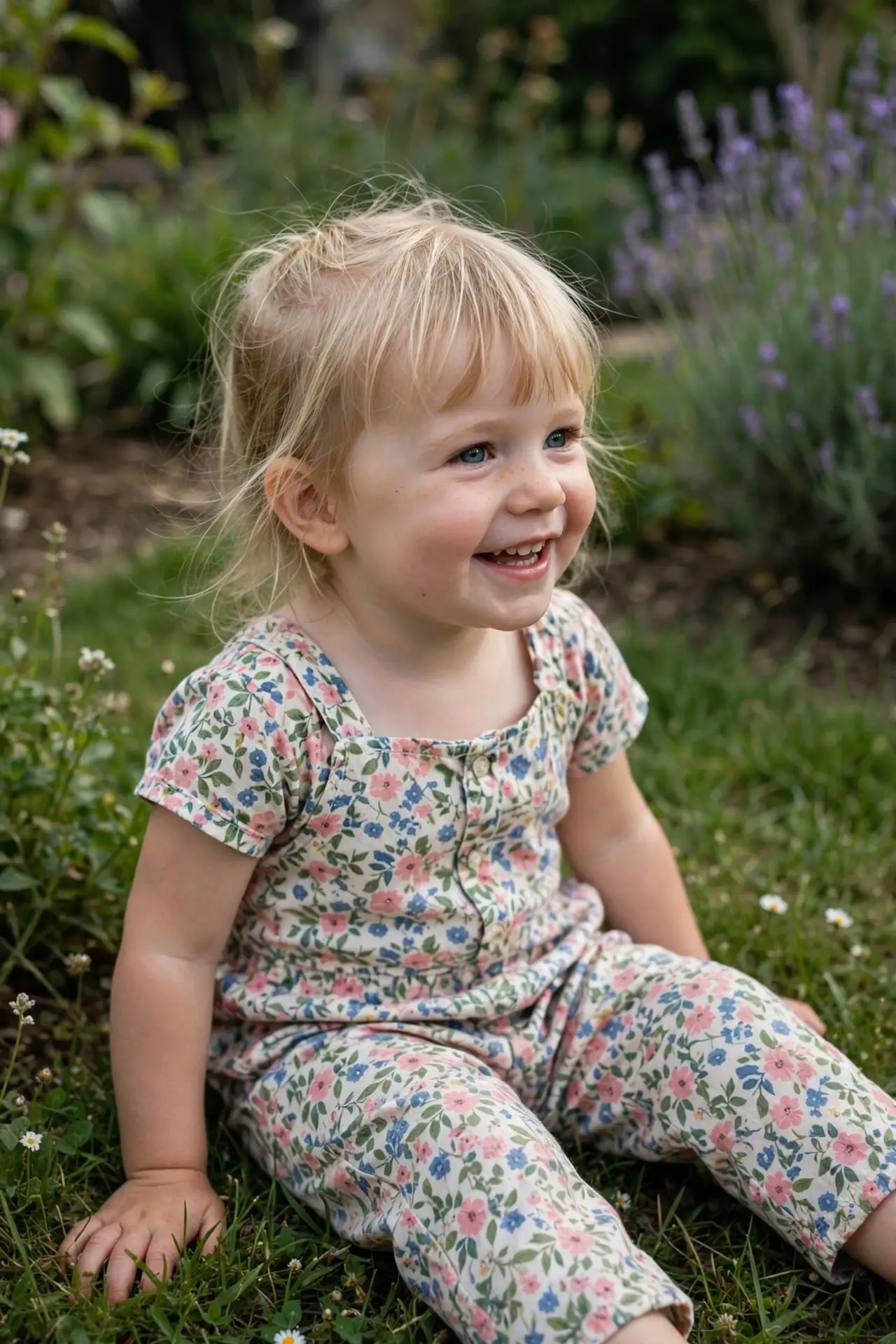
A fringe cut is really a tidy-up with a point. The fringe gets shaped, the sides get cleaned, and the back stays as it is.
This cut suits toddlers and babies best. It keeps hair out of the eyes without a full haircut, and it is the gentlest first step toward a real cut.
For soft fringe styles, our baby bangs guide covers eight gentle options for babies and toddlers.
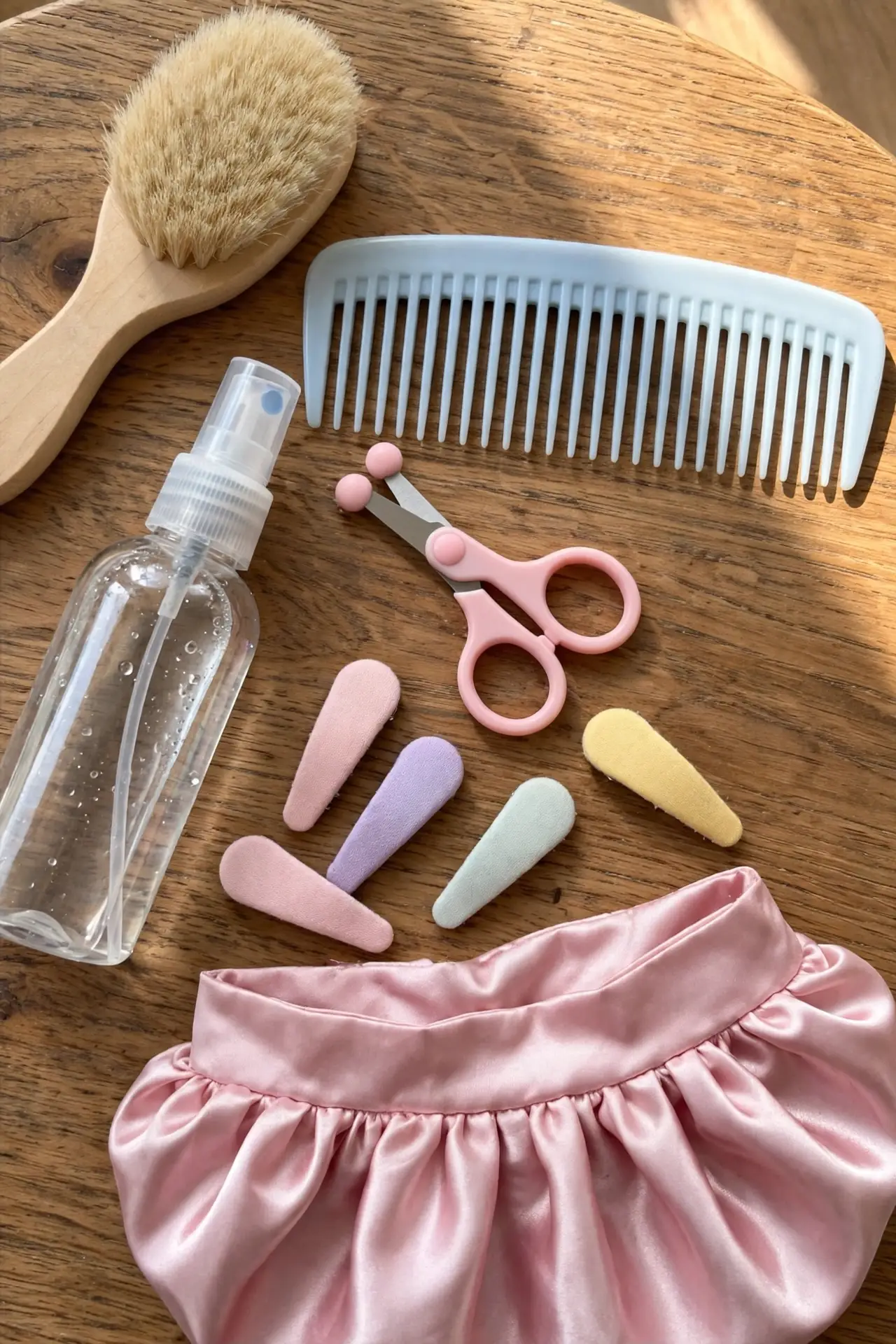
Trim the fringe with rounded-tip scissors at home only when your child sits still. A high chair after a snack works well for most toddlers.
8. Side-Parted Undercut
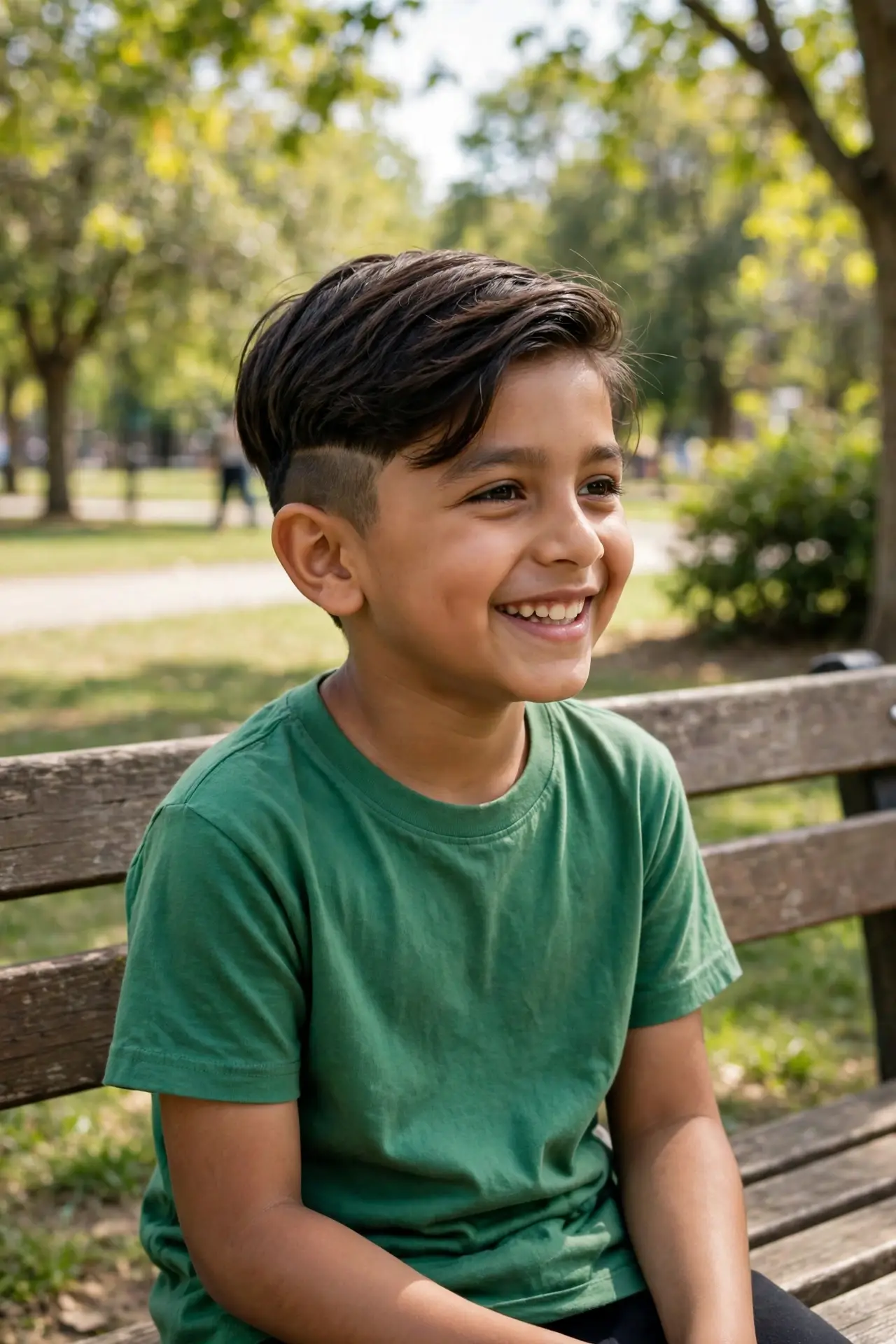
A side-parted undercut keeps one side short and the top long, swept to the other side. The part line gives the cut its shape, so the stylist should keep it clean.
This cut suits straight and wavy hair best. It looks neat for school and sharp for photos, with almost no morning styling.
The short side grows out first, so this cut needs trims more often than the others. Plan on a tidy-up every four to six weeks.
First Haircut: What to Expect
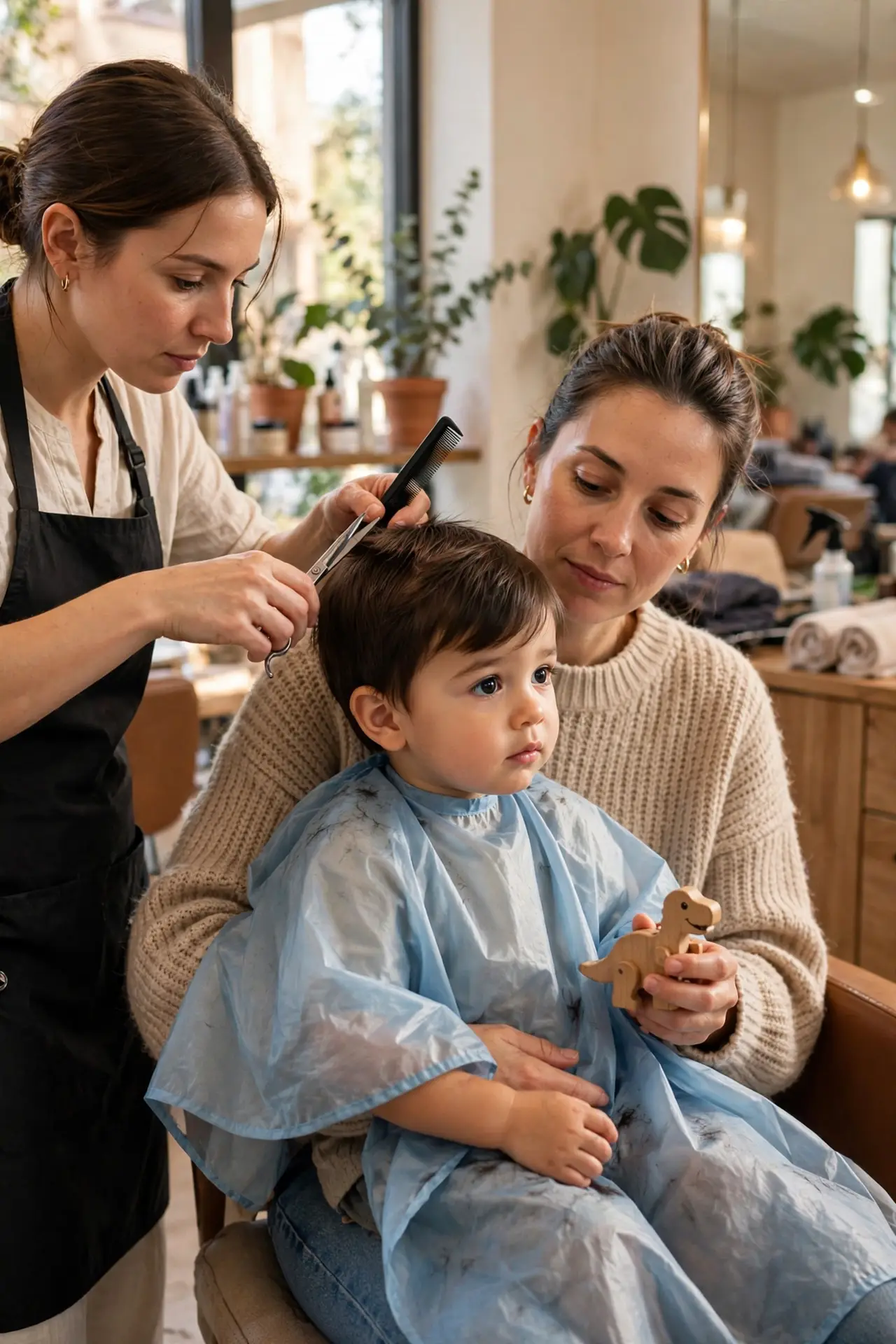
Many parents book a first haircut between the first and second birthday. For a first haircut, the fringe and the back of the neck are often the only parts that need a real cut.
Book a morning slot when your child is rested. A tired toddler in a salon chair rarely sits still for long.
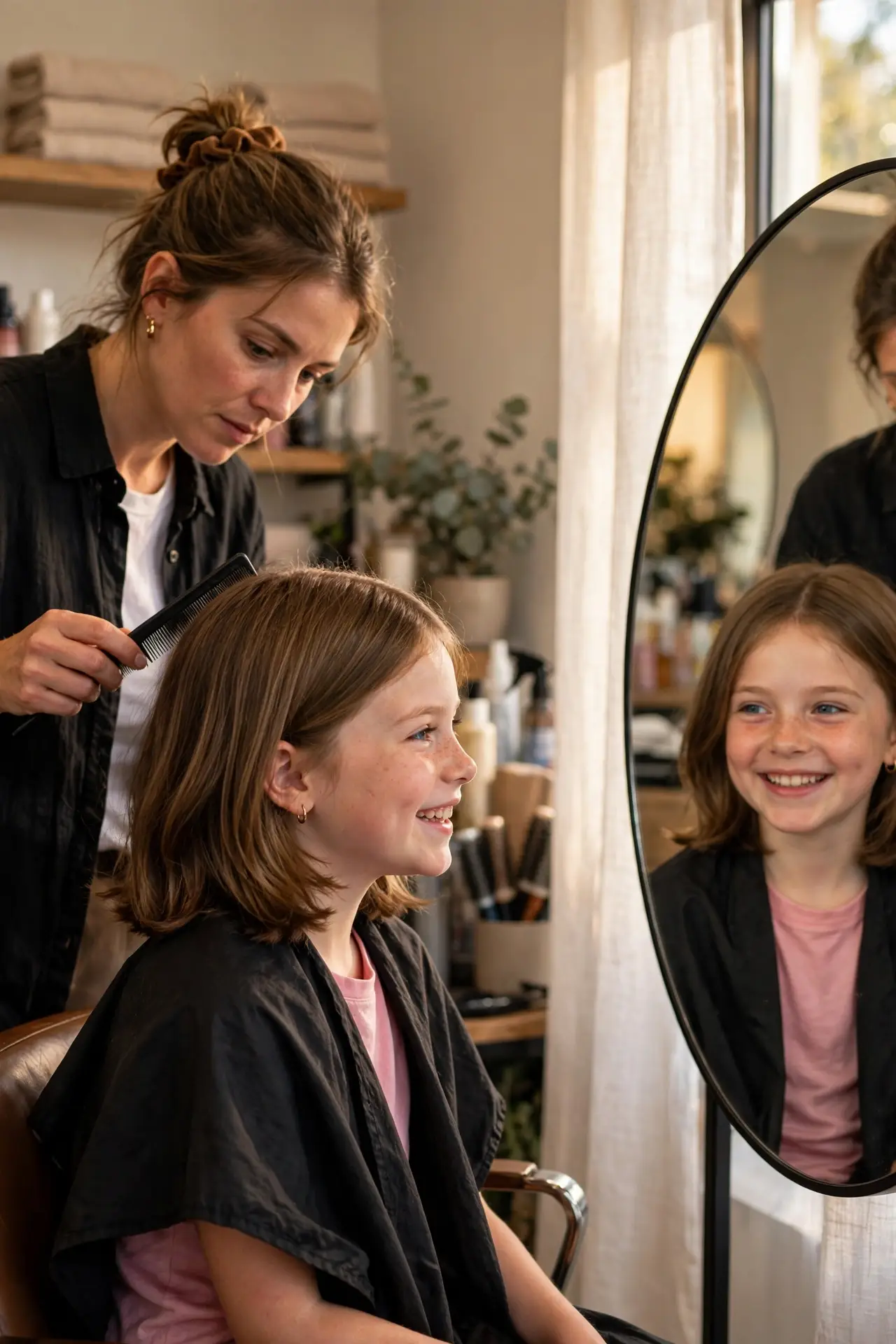
Bring a snack, a toy, and a change of shirt for the hair that lands everywhere. A good kids stylist works fast, talks through each step, and lets your child hold a mirror.
Keep a small lock of hair if you like. A tiny envelope in the baby book holds the memory without fuss.
What to Ask the Stylist
Walk in with a photo and one sentence about how much morning effort you want to give. A stylist who knows the routine can steer you to the right cut.
Ask how the cut grows out. For kids haircuts, the grow-out matters more than the fresh cut, since trims happen every few weeks, not every few days.
Ask what the cut needs at home. A cut that needs a diffuser, a round brush, and two products is the wrong cut for a school morning.
Tell the stylist if your child is nervous. A good kids stylist works fast, talks through each step, and lets your child hold a mirror. The first visit sets the tone for every haircut after it.
For gentle washing and care habits, the American Academy of Dermatology healthy hair tips are a useful reference, and KidsHealth has a Your Hair page written for kids.
Trim Schedule and Growing Out
Most kids haircuts hold their shape for six to eight weeks. Short cuts and undercuts need trims closer to four weeks, while long layers can stretch to ten.
Watch the fringe and the neckline. Those two spots show growth first, and a quick tidy-up there buys two more weeks before a full trim.
Growing a cut out takes patience. A bob grows into a lob, a pixie grows into a shaggy cut, and a fringe blends into side-swept layers.
Between trims, keep the hair healthy with a gentle wash routine and a wide-tooth comb. For everyday styles between cuts, our kids hairstyles collection holds easy school-morning looks, and the hairstyles for kids hub has the choosing guide for age and hair type.
Quick Answers
How often do kids haircuts need a trim?
Most cuts need a trim every six to eight weeks. Short cuts and undercuts need one every four to six weeks, while long layers can stretch to ten.
When should a child get a first haircut?
Most first haircuts happen between the first and second birthday. Book one when the fringe falls into the eyes or the back of the neck looks uneven.
Can I trim my child’s hair at home?
A fringe tidy-up at home is fine with rounded-tip scissors and a calm child. Leave full cuts to a stylist, since shaping and layers need trained hands.
What if my child hates haircuts?
Keep the visit short and let them choose a small reward after. A calm two-minute fringe trim beats a full cut they fought.
Pick one cut, bring a photo, and ask how it grows out. The best kids haircuts still look good three weeks later.





Pingback: 10 Crazy Hair Day Ideas For Boys That Survive The School Day