
Braids do the hard work, and care does the rest. A fresh braid looks neat on day one, but how it looks on day five comes down to small daily habits.
The good news is that caring for kids braids takes only a few minutes a day. A clean scalp, a little moisture, a bonnet at night, and a gentle takedown cover nearly all of it.
These eight rules keep braids fresh, comfortable, and healthy from install day to takedown day.
Table of Contents

1. Oil the Scalp, Not the Braids
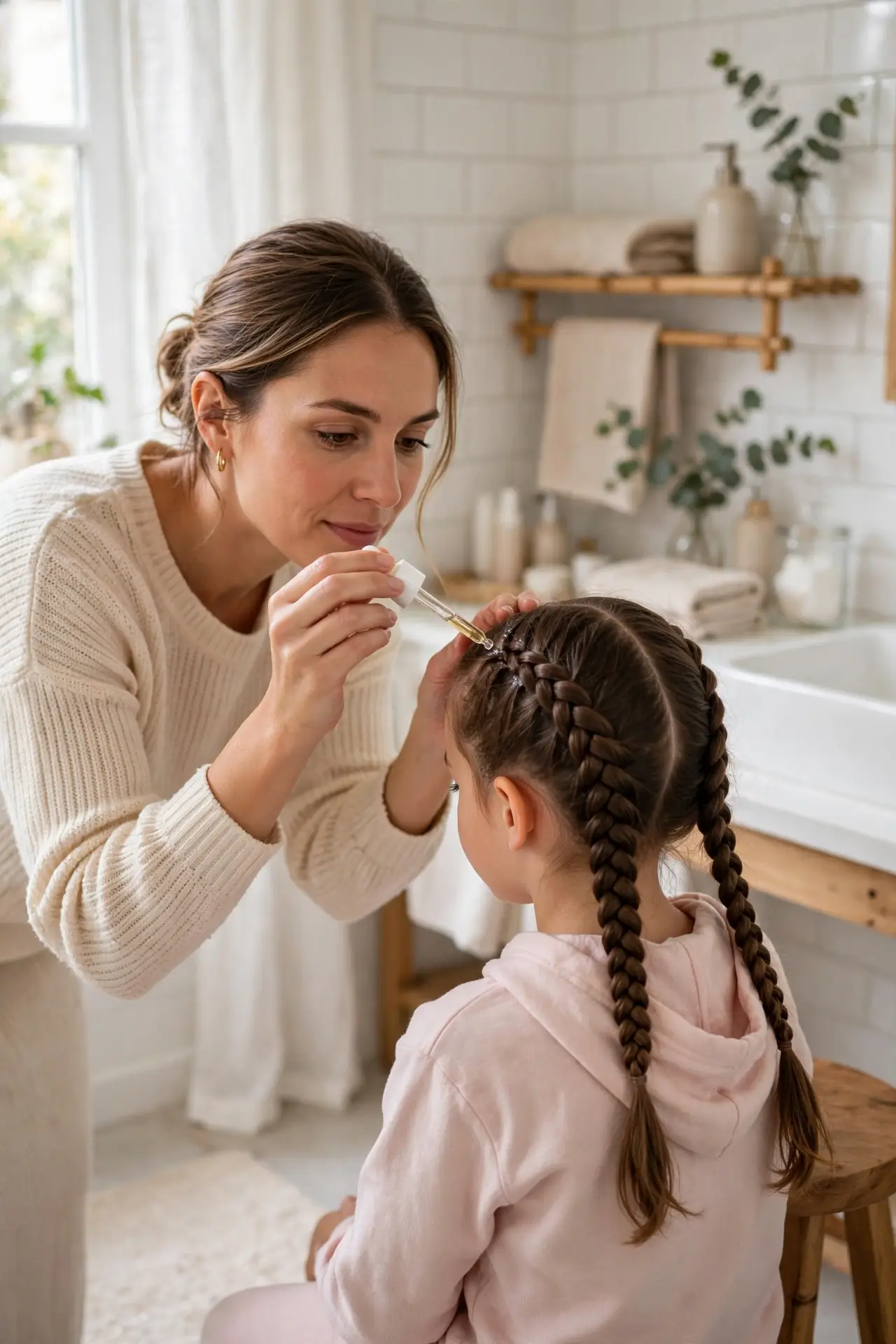
Moisture belongs on the scalp and the hair inside the braids, not smeared over the braid surface. A light scalp oil keeps the skin calm without making kids braids greasy.
Apply a few drops along each parting, then press the oil in with your fingertips. A little goes a long way, and too much oil collects dust.
Oil once or twice a week, or whenever the scalp looks dry and tight. Skip heavy butters and thick pomades on kids, since they clog the scalp and dull the braids.
If the scalp feels itchy between oil days, a light mist of water often helps more than another round of oil.
2. Wash Braids Without Undoing Them
Braided hair still needs washing. Sweat, sunscreen, and playground dust build up under braids just like anywhere else.
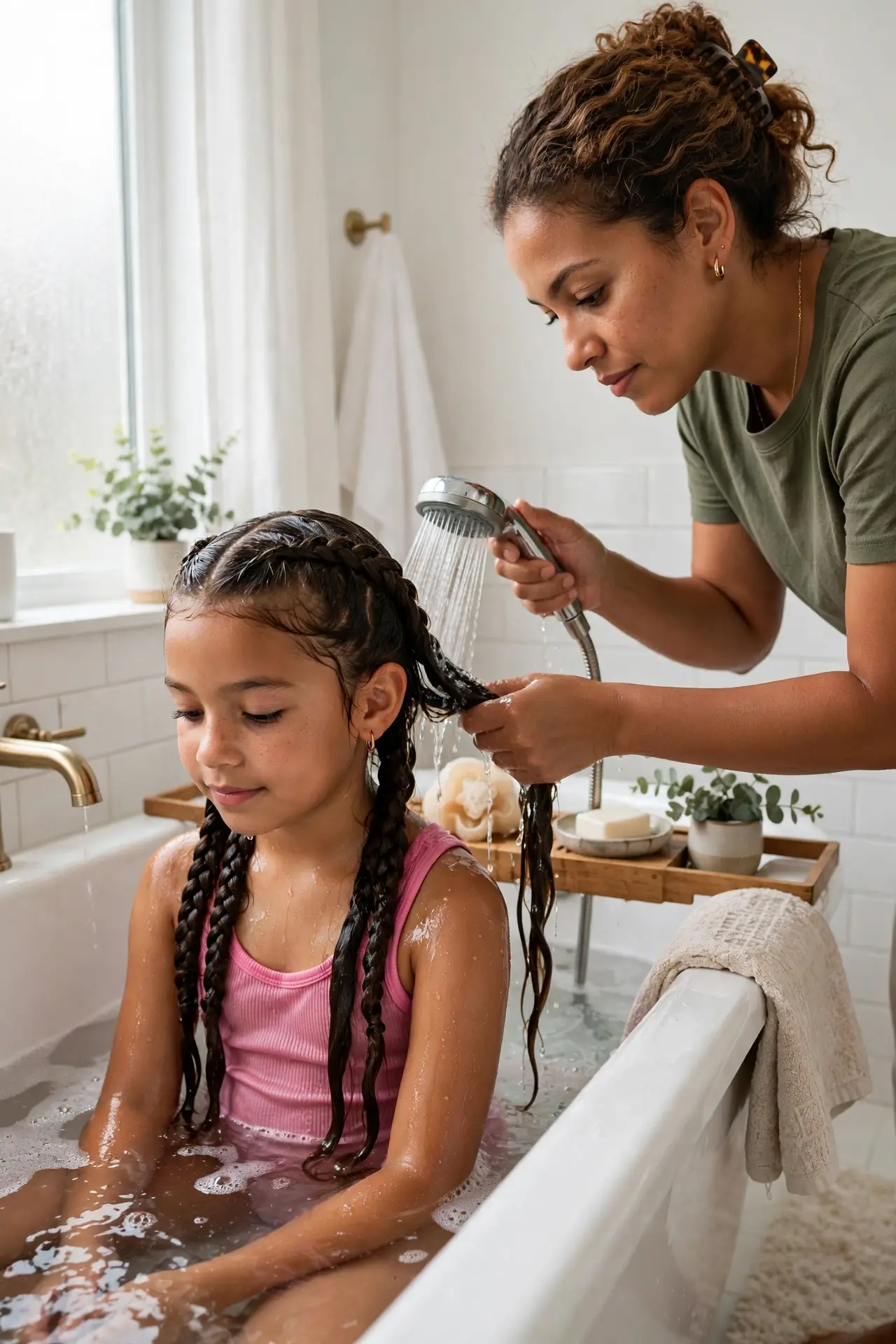
Wash braided hair about once a week. Dilute a gentle shampoo in a spray bottle of warm water, spray it along the scalp and down the braids, and massage gently with your fingertips.
Rinse with a handheld shower head or a jug of warm water. Keep the water pressure soft so the braids stay smooth.
Dry the braids fully before bed. Squeeze them gently in a towel, then let them air dry. Damp braids left under a bonnet can smell musty by morning.
3. Protect Braids Every Night
Nights decide how braids look in the morning. Cotton pillowcases rub against braids all night, which frizzes the surface and loosens the ends.
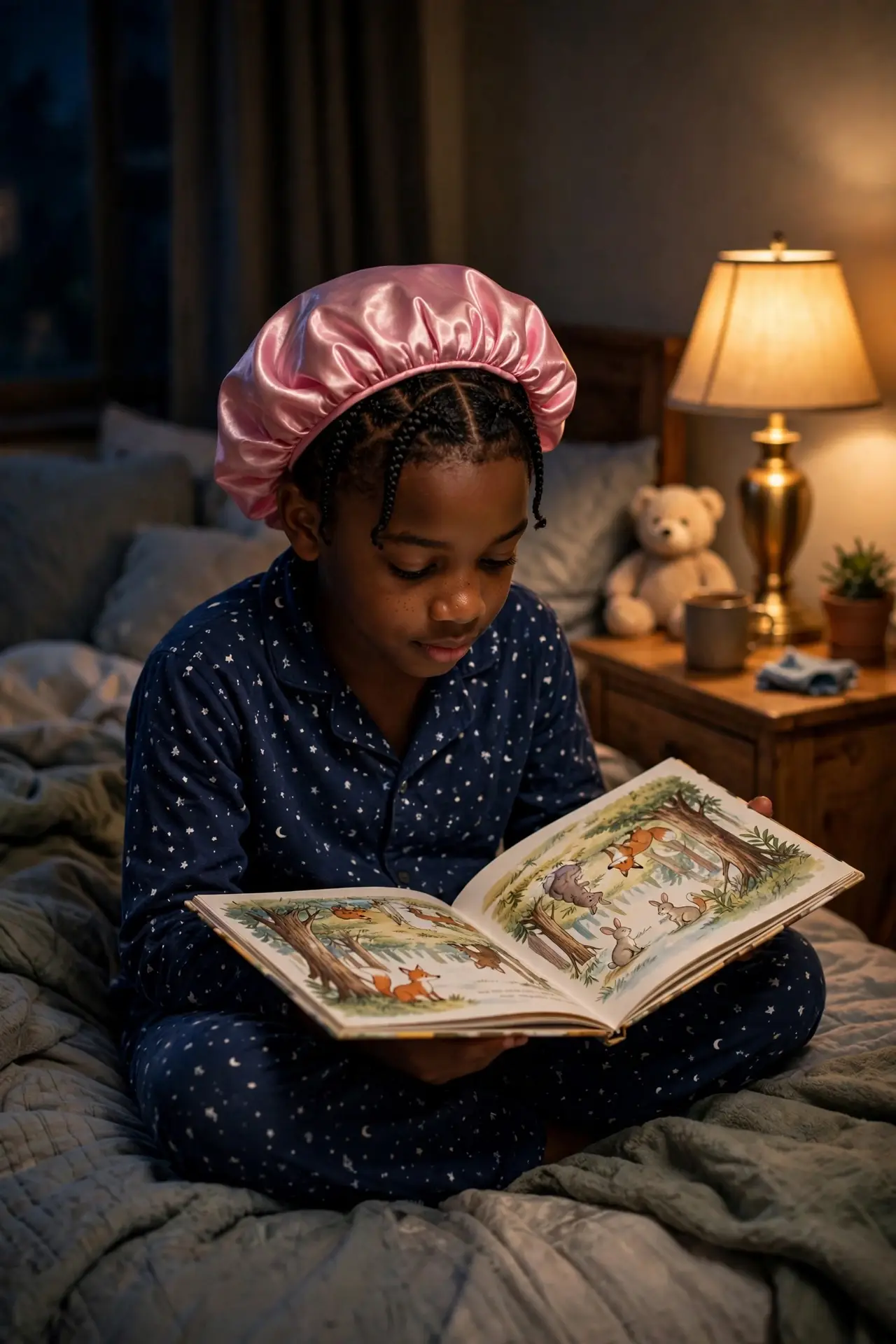
A satin bonnet or a silk scarf solves most of it. Tuck kids braids in loosely, tie the bonnet snug but not tight, and the braids wake up nearly as neat as they went to sleep.
For kids who will not wear a bonnet, a satin pillowcase is the next best thing. It cuts friction almost as well.
Gather long braids into one loose ponytail before bed. A single loose tie keeps them from tangling around the neck.
4. Refresh Edges and Fuzzy Braids
Fuzzy braids are normal after a few days. New growth and daily wear loosen the surface, and a quick refresh brings braids back to life.
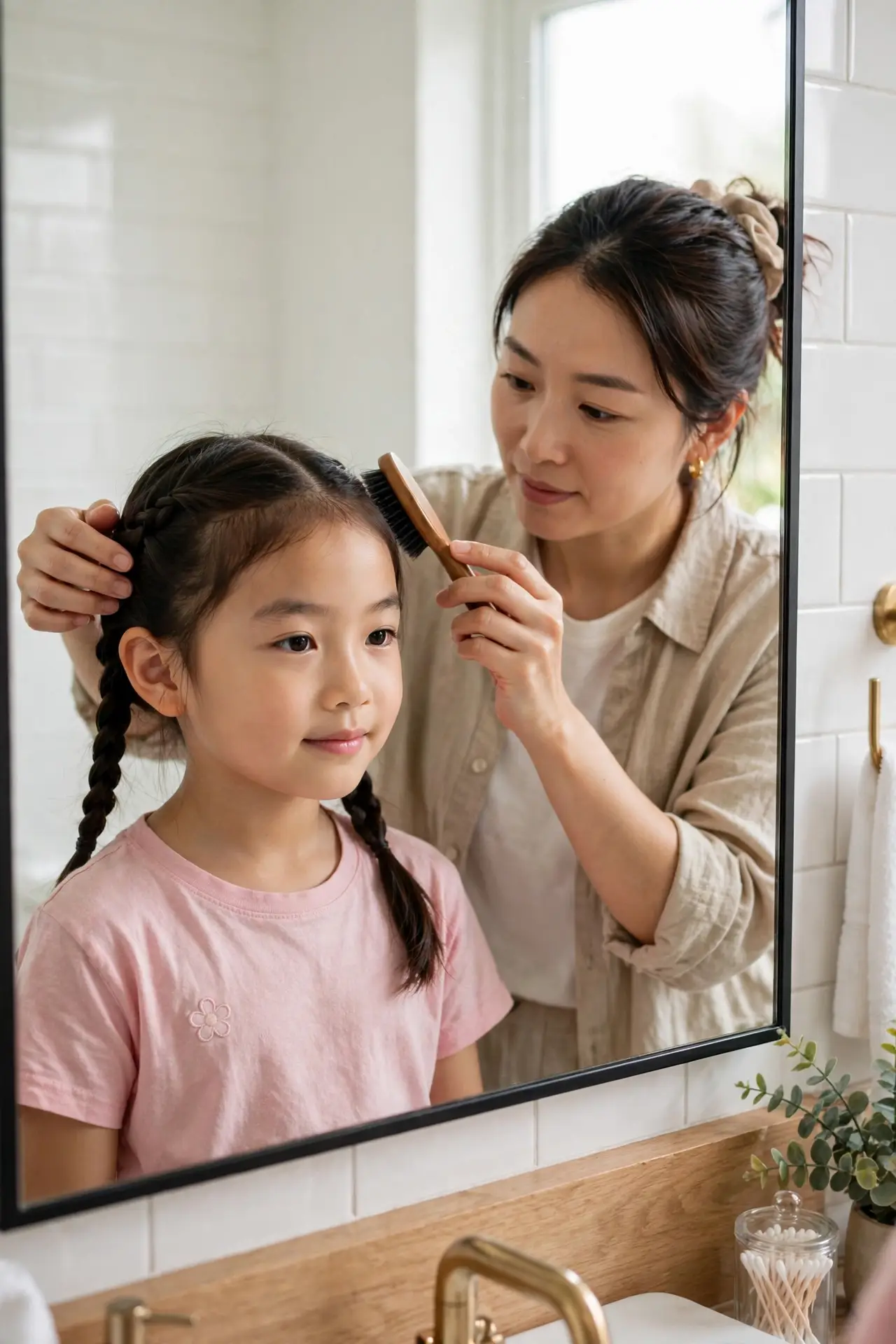
Mist the braids lightly with water, then smooth the fuzzy spots with your palms. A tiny bit of light edge control on the hairline finishes the job.
Redo only kids braids that look truly tired. Replacing one or two front braids freshens the whole head without a full reinstall.
Keep the refresh gentle. Pulling old braids tight again to make them look new hurts the hairline and shortens the life of the style.
5. Mind Moisture Between Washes
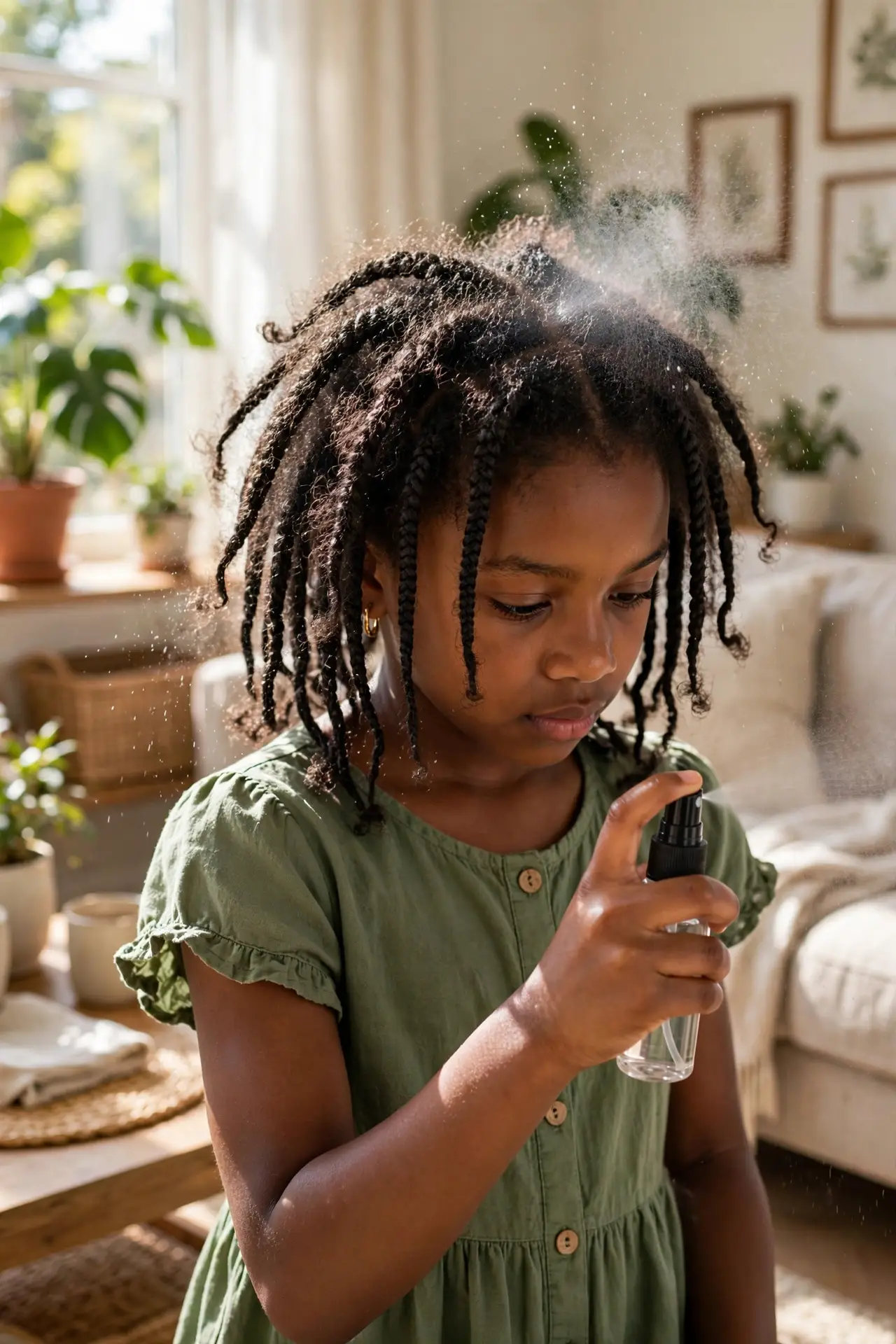
Braids dry out between wash days, and dry braids look dull and feel rough. A light mist keeps them soft without a full wash.
Spray the braids with plain water every two or three days, then follow with a drop of leave-in conditioner on the ends. The ends dry out first, so they need the most attention.
Do not drown the braids. A light mist is enough, and soaking them daily makes them heavy and slow to dry.
Check the scalp while you mist. If the partings look dry and tight, add a drop of scalp oil along each one and press it in gently.
6. Respect the Time Limit
Every braid style has a shelf life, and keeping braids in past it causes more harm than good. Simple everyday kids braids last a day or two. Longer protective styles last two to four weeks with steady care.
Set a takedown date when the braids go in, and stick to it. A phone reminder beats guessing by how the braids look.
Watch for the signs that braids have stayed too long. Heavy new growth at the roots, matting where braids meet the scalp, and a scalp that stays itchy after washing all mean the style is done.
Giving the hair a rest between installs matters as much as the care itself. A few braid-free days let the scalp breathe and the hair recover.
7. Re-Secure Loose Ends
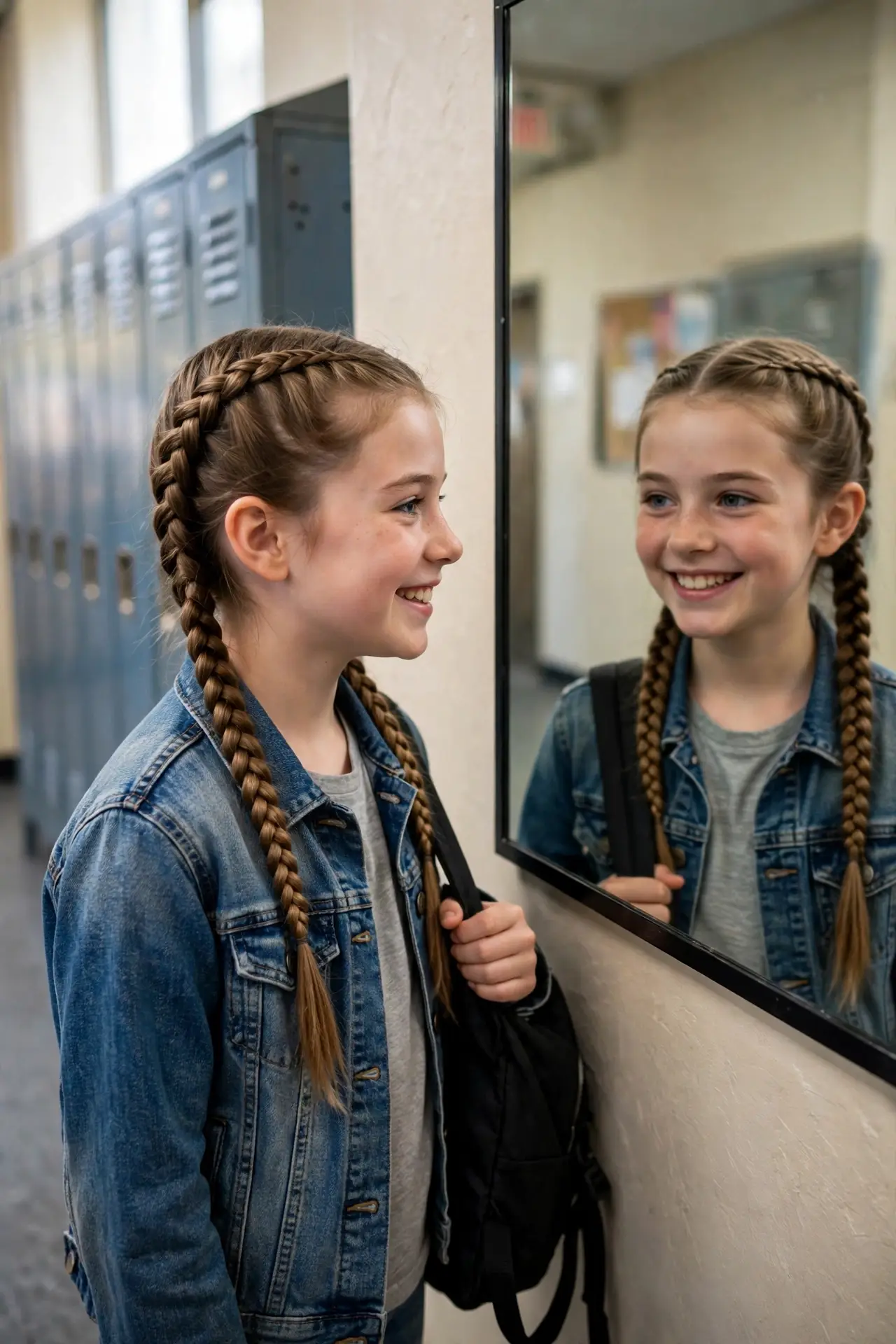
Braid ends loosen first. One loose end unravels fast, and it can tangle into the braids next to it.
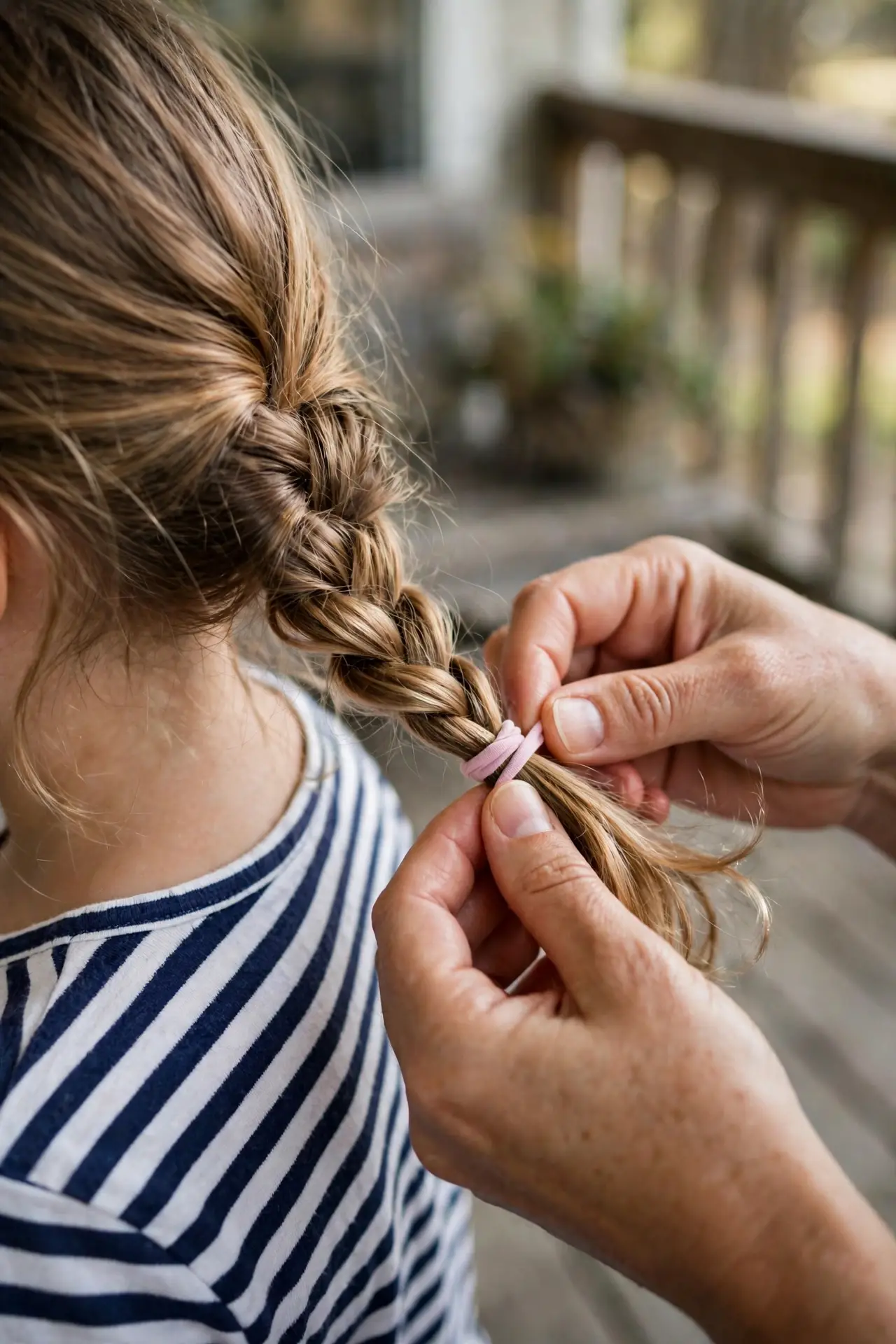
Check the ends every couple of days. When an elastic slips or a braid starts to open, re-secure it with a fresh soft elastic.
Pin a braid that keeps slipping flat against a nearby braid until wash day. A bobby pin holds it in place without pulling.
Do not re-braid a whole head over one loose end. Small fixes keep the style going, and a full redo can wait for takedown day.
8. Watch the Hairline
The hairline is the most fragile part of braided hair. Braids that pull at the edges cause pain, bumps, and thinning that takes months to grow back.
Check the hairline every day. If the skin looks red, bumpy, or shiny from tension, loosen those braids right away.
Take out any braid that hurts. Pain is never part of a good braid, and a sore hairline needs a rest, not another week of pulling.
The American Academy of Dermatology explains how hairstyles that pull can lead to hair loss in Black women, and the same gentle-tension rule protects kids. Soft edges last longer than scraped ones.
Take Braids Out Gently
Takedown day deserves as much care as install day. Rushing it snaps hair and turns a good style into a tangled mess.
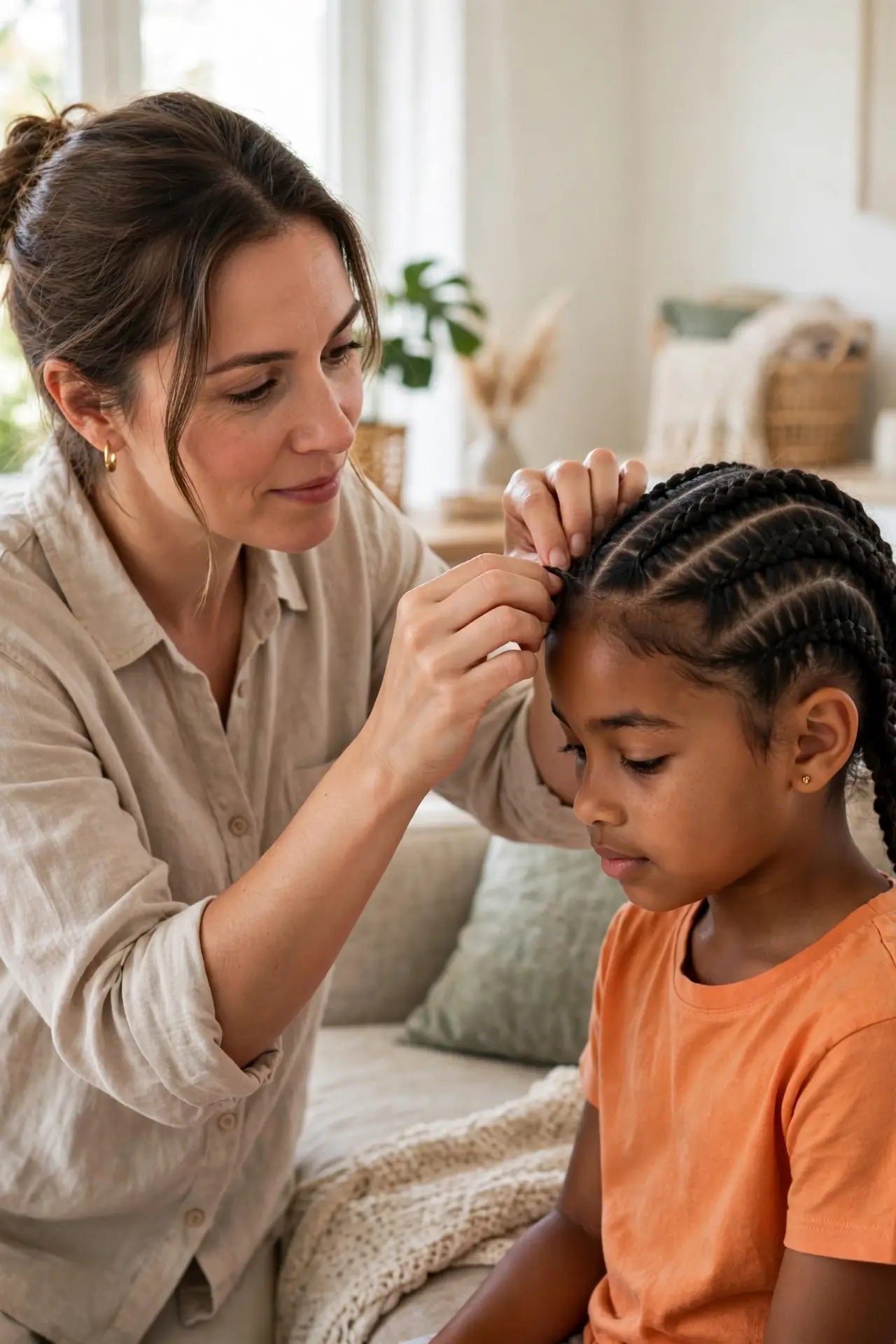
Work one braid at a time. Undo the elastic, unravel the braid to the root, and set the freed section aside.
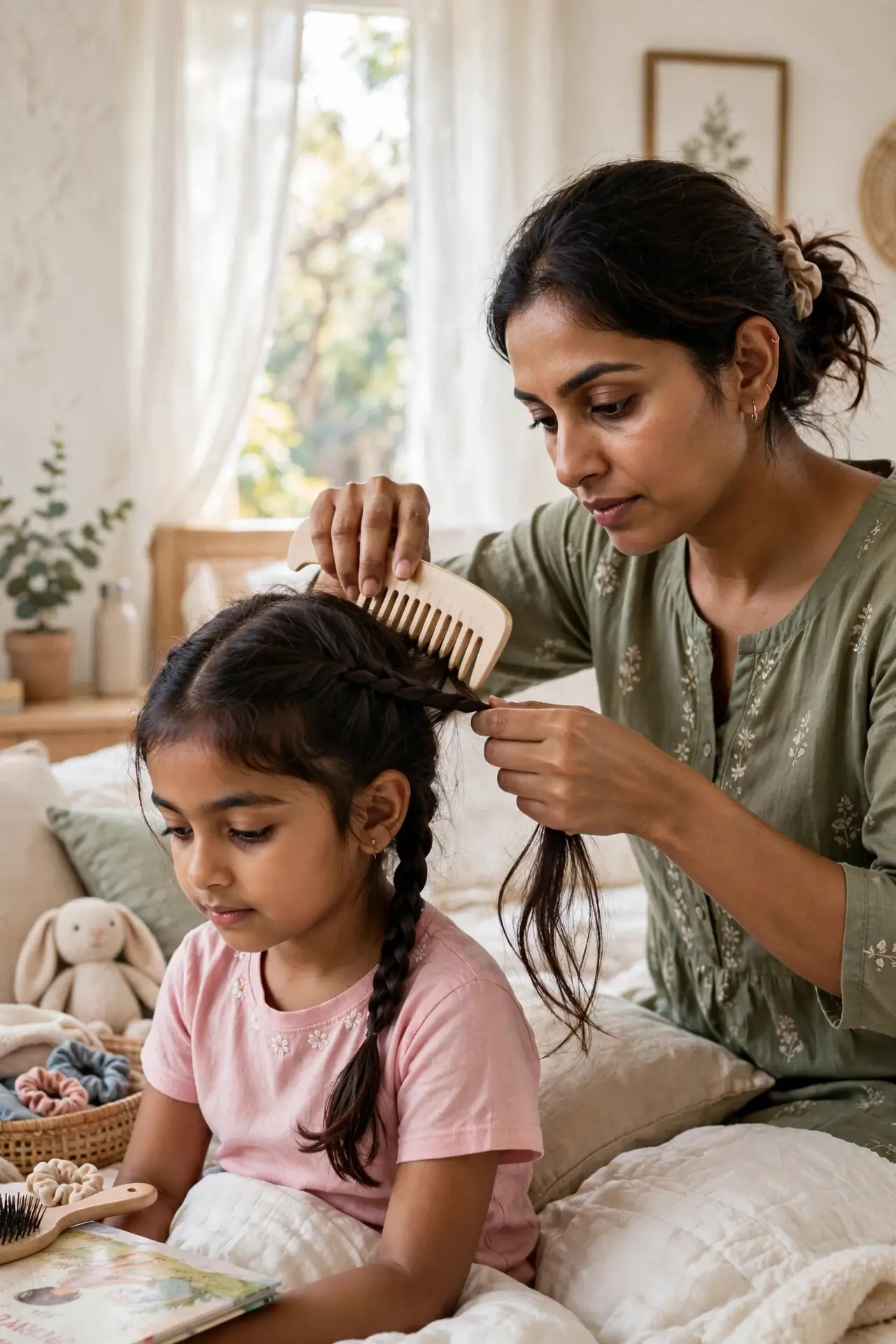
Detangle each freed section right away with a wide-tooth comb, working from the ends upward. A little leave-in conditioner on each section makes the comb glide.
Wash and deep condition after all the braids are out. The hair has been tucked away for days or weeks, and it needs moisture and a gentle reset before the next style.
Fixing Common Problems
Itchy scalp is the most common complaint. A scalp rinse with diluted shampoo usually calms it, and a light oil along the partings helps between washes.
Frizz along the braid surface responds to a light mist of water and a smooth-down with your palms. Skip heavy gels, which flake and build up.
A sour or musty smell means the braids stayed damp too long. Wash them, dry them fully, and check that the bonnet goes on only after the hair is dry.
See a stylist if the scalp stays red, sore, or flaky after two washes, or if takedown turns into matting. A stylist can remove tight braids safely and work through tangles without breaking the hair.

What to Keep in the Braid Kit
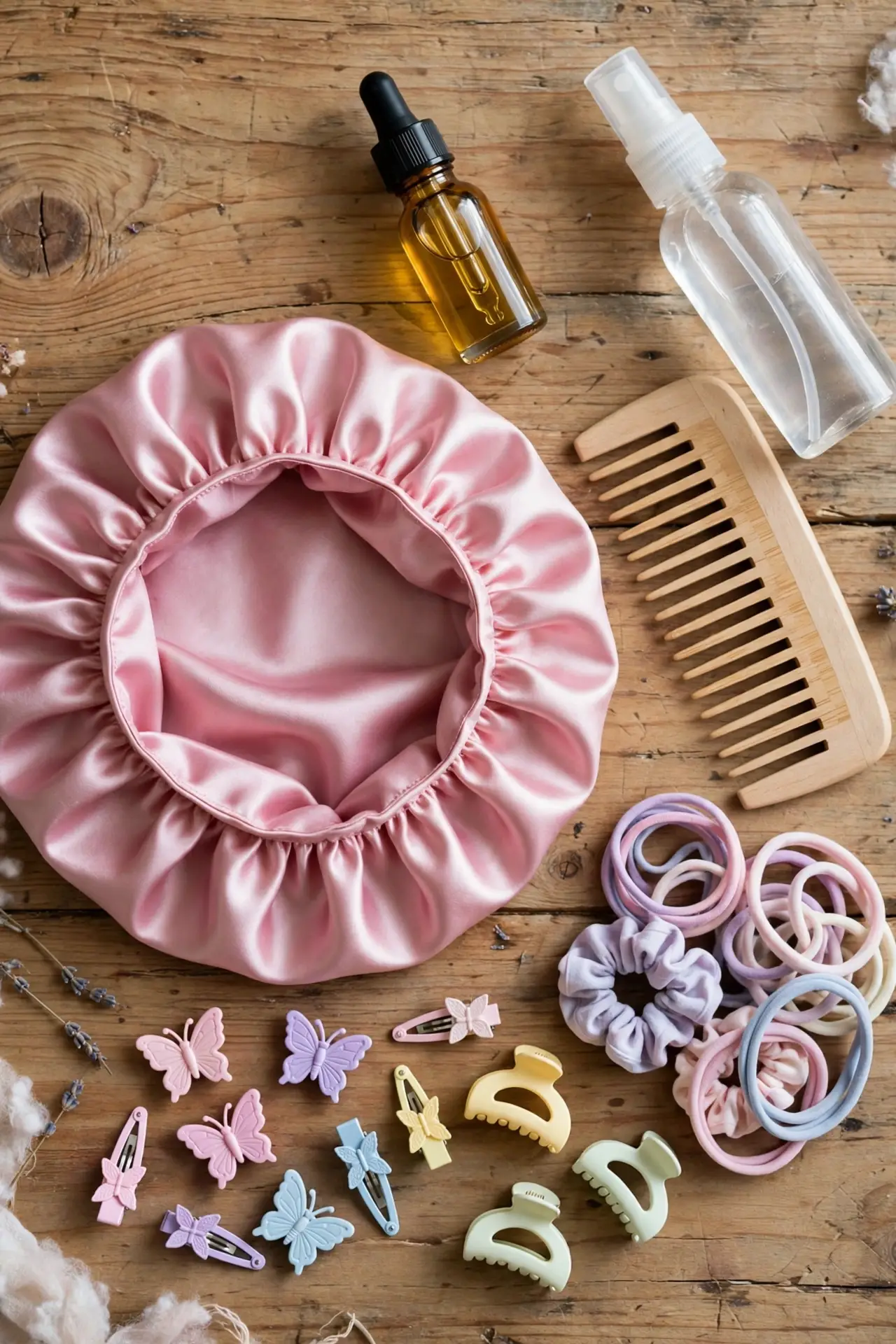
One small pouch holds everything braid care needs. A spray bottle of water, a light scalp oil, a wide-tooth comb, soft elastics, small clips, and a satin bonnet cover most days.
Keep the kit in one spot so it is easy to grab. A five-minute refresh only happens when the tools are at hand.
Check the kit once a month. Toss stretched elastics and bent clips, since worn tools snag hair.
For gentle washing and care habits, the American Academy of Dermatology healthy hair tips are a useful reference.
For everyday styles between braid installs, our kids hairstyles collection holds easy school-morning looks. For braid styles themselves, our kids braided hairstyles guide teaches nine braids step by step. For rows that last for days, the kids cornrow hairstyles guide covers eight gentle styles.
Quick Answers
How often should I wash kids braids?
About once a week works for most kids. Spray diluted shampoo along the scalp, rinse gently, and dry the braids fully before bed.
How long can kids keep braids in?
Simple braids last a day or two. Longer protective styles last two to four weeks with steady care, and then the hair needs a rest.
What if my child’s braids hurt?
Take out the painful braids right away. Pain means the tension is too high, and a sore hairline needs a rest, not another week of pulling.
How do I stop braids from frizzing overnight?
Use a satin bonnet or a silk scarf every night. A loose ponytail before bed also helps long braids stay neat.
Good braid care is mostly small habits. A clean scalp, a bonnet at night, a gentle takedown, and kids braids stay fresh from the first day to the last.




Pingback: Christmas Hairstyles For Kids: 8 Festive Styles For Parties, Photos, And Concerts
Pingback: Picture Day Hairstyles For Kids Black: 8 Styles That Photograph Beautifully