Your skin changes, your hair changes, and the color that looked amazing at thirty can start working against you. That is not a flaw. It is just chemistry and light.
The good news is that the fix is rarely dramatic. Most of the time it is a shift in tone, not a whole new identity. Warmer here, softer there, a little light around the face.
Here are nine hair color for older women ideas: shades and strategies that flatter mature skin and hair, plus the honest truth about what each one costs in maintenance.
Warm Honey Blonde: The Face-Lifter
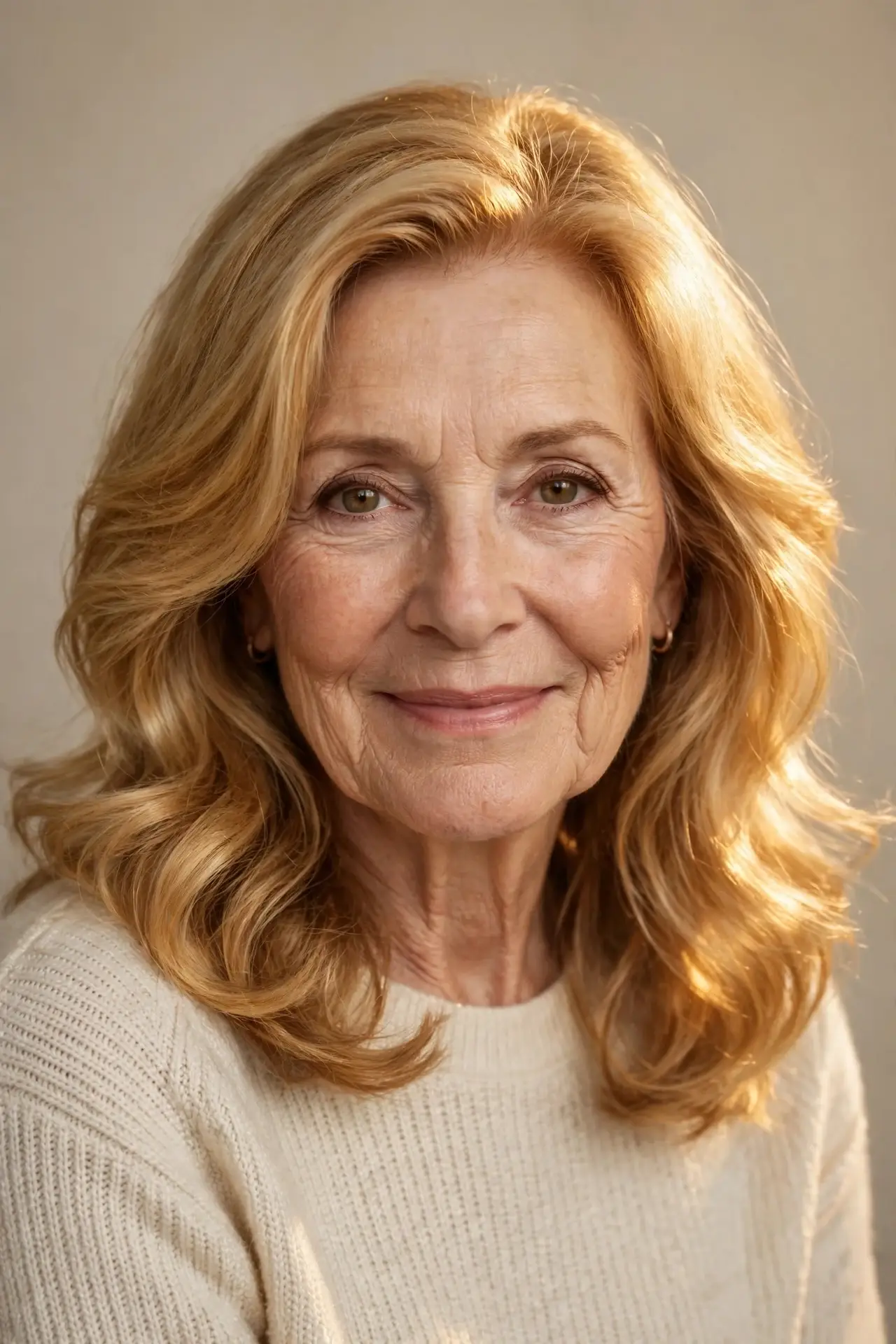
Honey blonde is the closest thing hair color has to a soft-focus filter. The golden tones bounce light onto the face, which softens lines and wakes up tired skin.
It is also forgiving with gray. New growth blends into honey far more gracefully than it does into dark brown, so you get extra weeks between appointments.
Celebrity colorists swear by honey balayage for camouflaging grays while adding fullness to finer strands, and this breakdown of the best shades for women over 60 backs the warm-blonde-first approach. Ask for warmth through the mid-lengths with brightness around the face.
Soft Chocolate Brown: Rich Without the Harsh Line
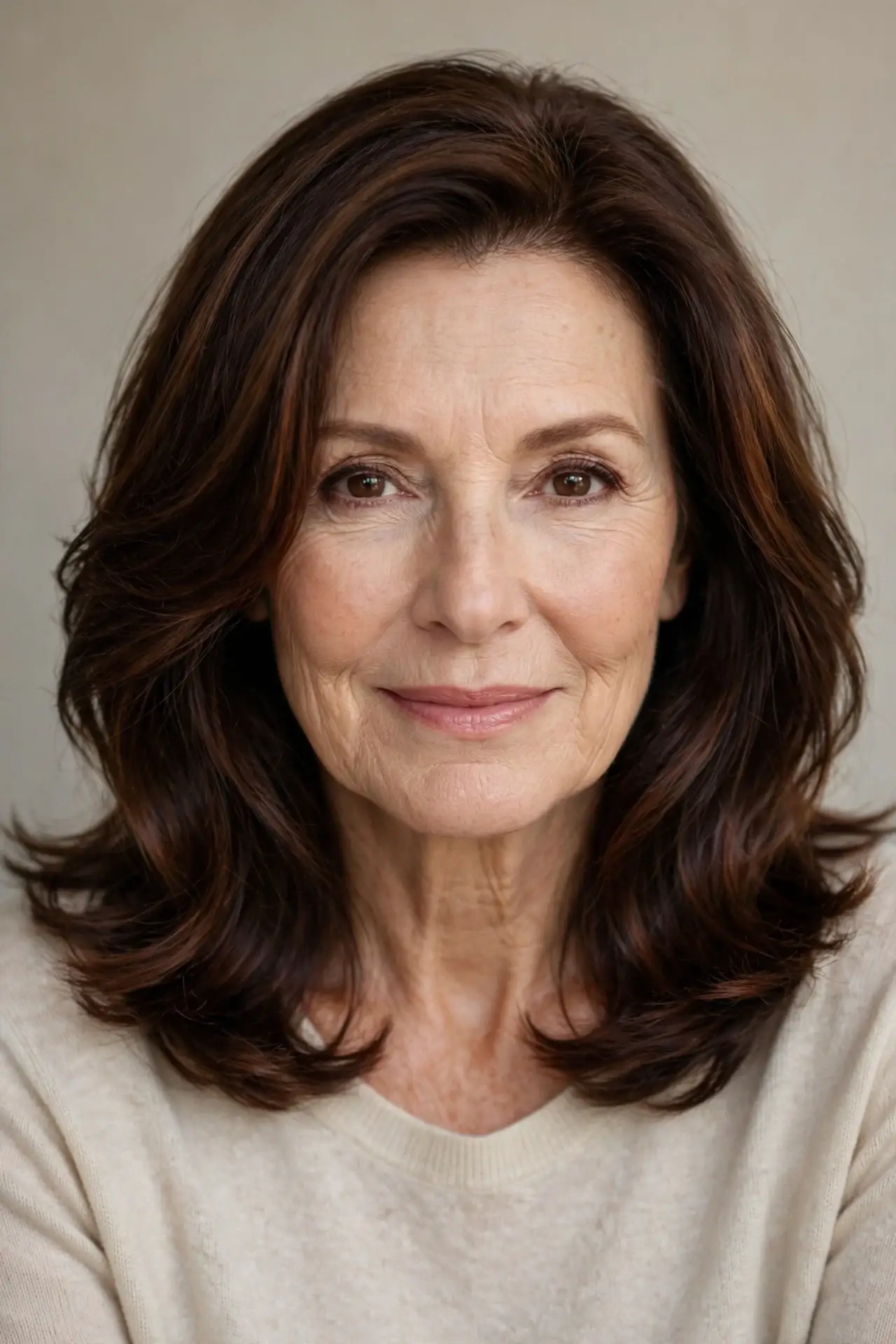
Deep, rich brunette can be gorgeous at any age. The trick is staying in the chocolate family instead of going near-black.
Chocolate and chestnut add warmth that flatters mature skin, and they cover gray completely for a polished, uniform result. The color reads expensive, not severe.
Our cherry cola brunette shades live in this same rich family if you want to see the depth done right. Just know that dark all-over color shows regrowth fastest, so this one commits you to regular root appointments.
Copper and Auburn: Warmth That Wakes Up the Skin
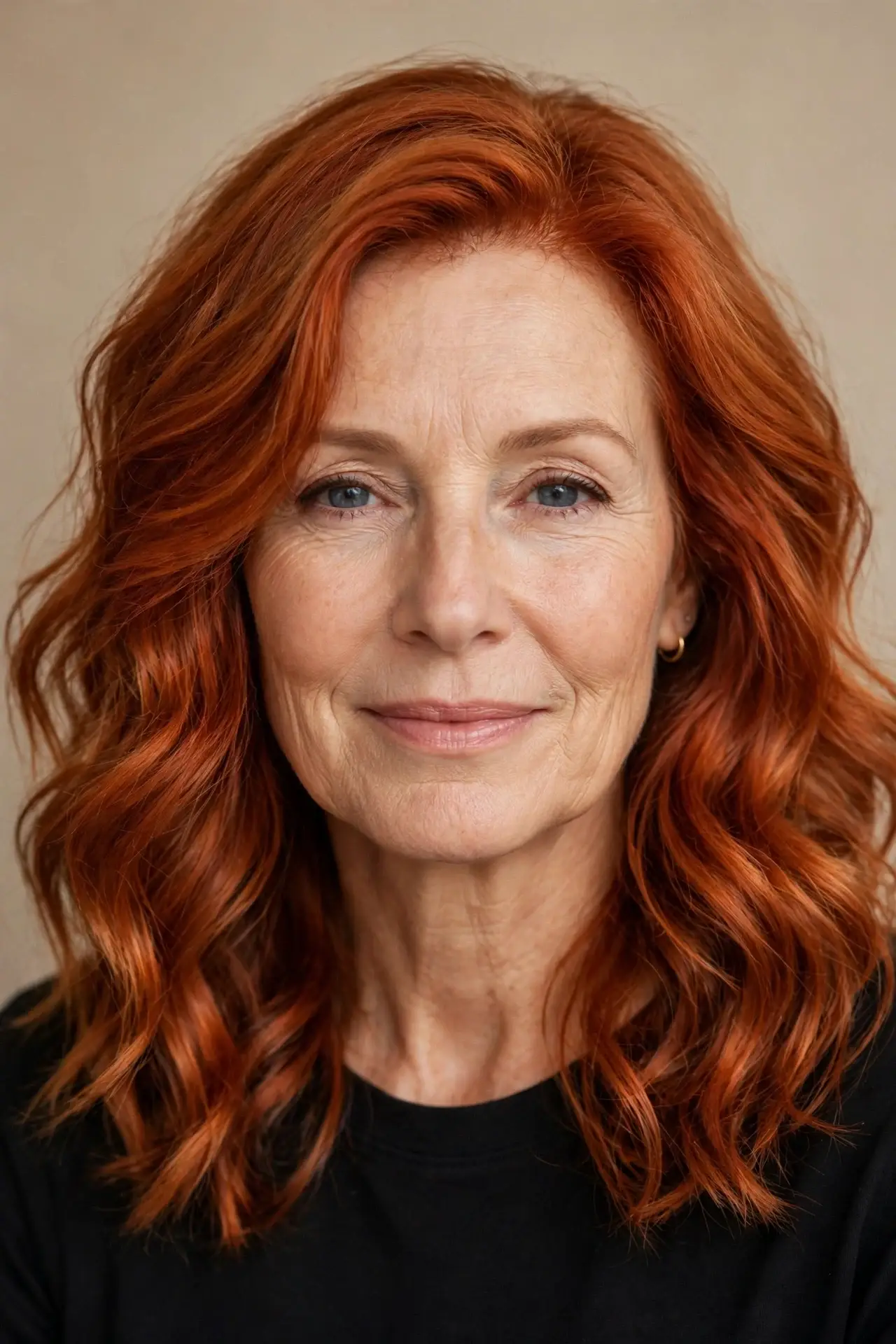
If your complexion has gone a little pale or sallow, copper is medicine. Auburn and copper tones put pink back in the cheeks without a drop of makeup.
These shades are especially kind to women who were natural redheads. Going back toward your original copper often looks more natural than fighting toward blonde or brown.
For the full copper spectrum, our ginger hair ideas and cowboy copper hair color guides cover everything from subtle auburn to full flame. Copper fades faster than brown, so budget for gloss refreshes between full colors.
Champagne and Beige Blonde: The Low-Maintenance Blend
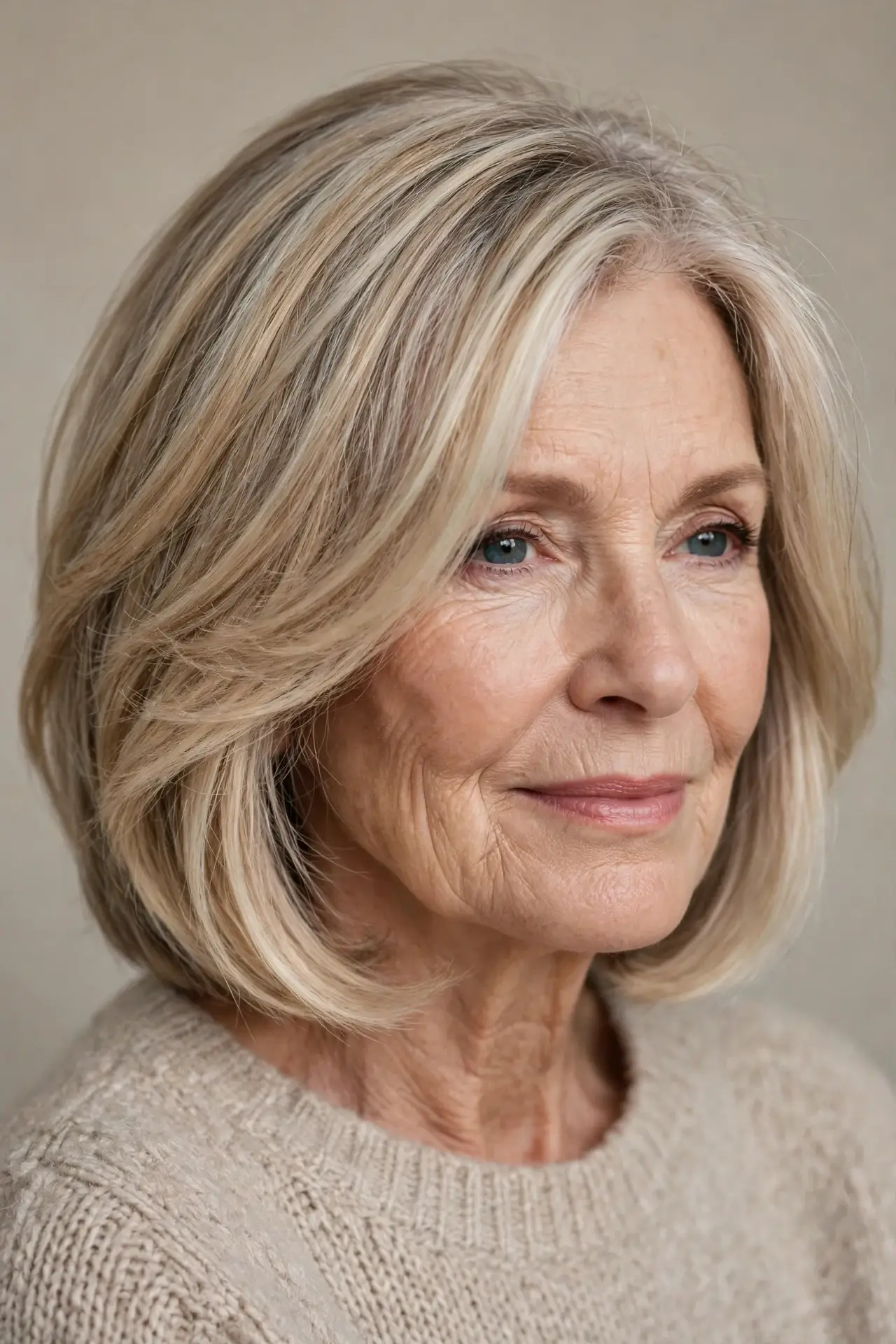
Here is the strategic move: go lighter than your gray, not darker. Champagne and beige blondes let new gray growth blend in instead of announcing itself.
This is the lowest-maintenance path on this list. The regrowth line that appears in two weeks with dark dye takes two months to matter with a well-placed beige blonde.
It works best with some dimension, not a flat all-over blonde. A skilled colorist will weave in slightly darker lowlights so it looks like hair, not a wig cap.
Dimensional Brunette: Why Flat Color Ages Hair
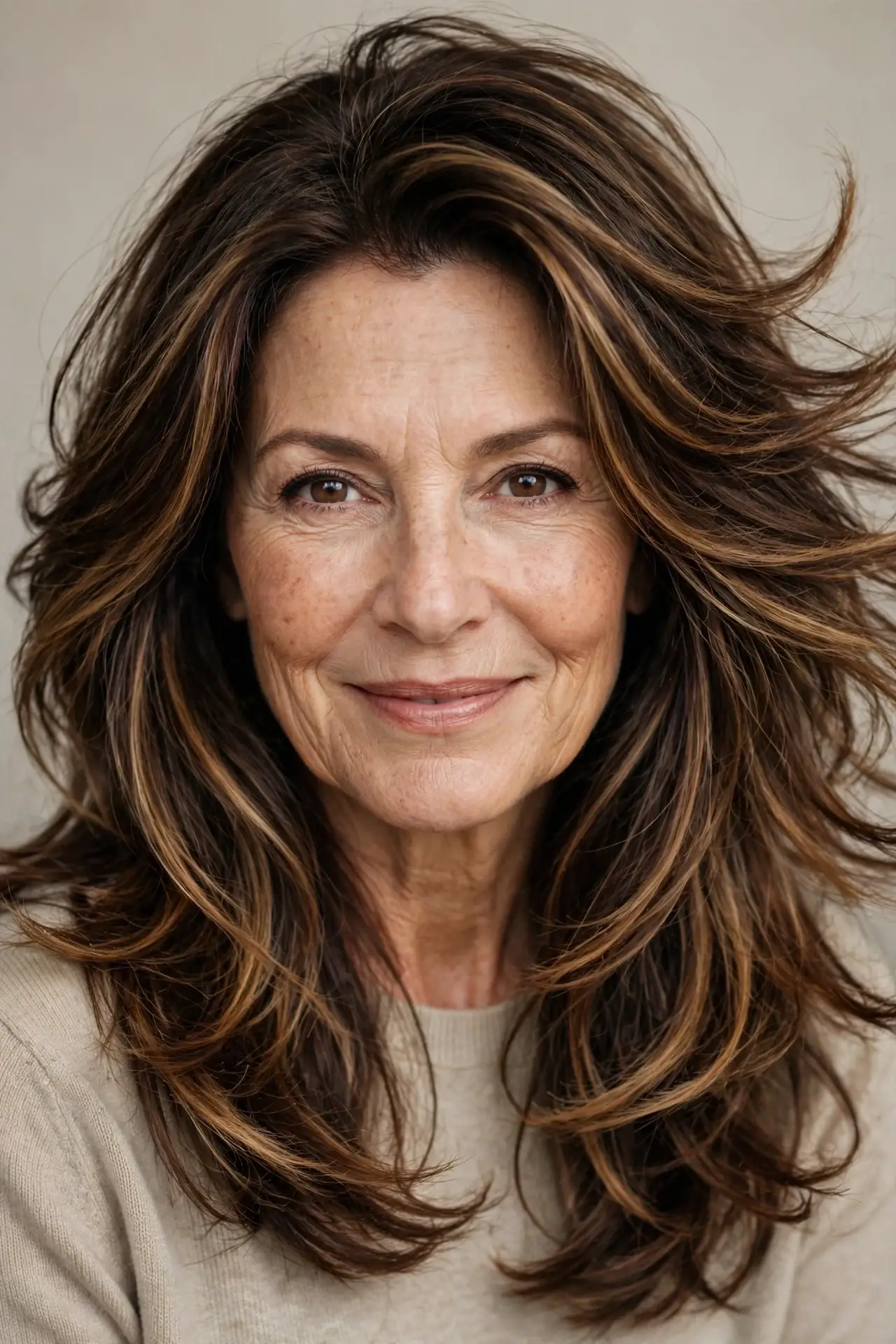
Flat, one-tone color is the fastest way to look older than you are. It sits on the hair like paint and draws attention to everything you wanted to soften.
Dimension fixes it. A brunette base with slightly lighter pieces through the mid-lengths and ends mimics the way natural hair catches light, and that movement reads as youthful and healthy.
Ask for lowlights and highlights rather than a single formula. The multi-tonal approach also disguises thinning, because the eye reads the variation as fullness.
The Jet Black Trap: When Dark Goes Too Dark
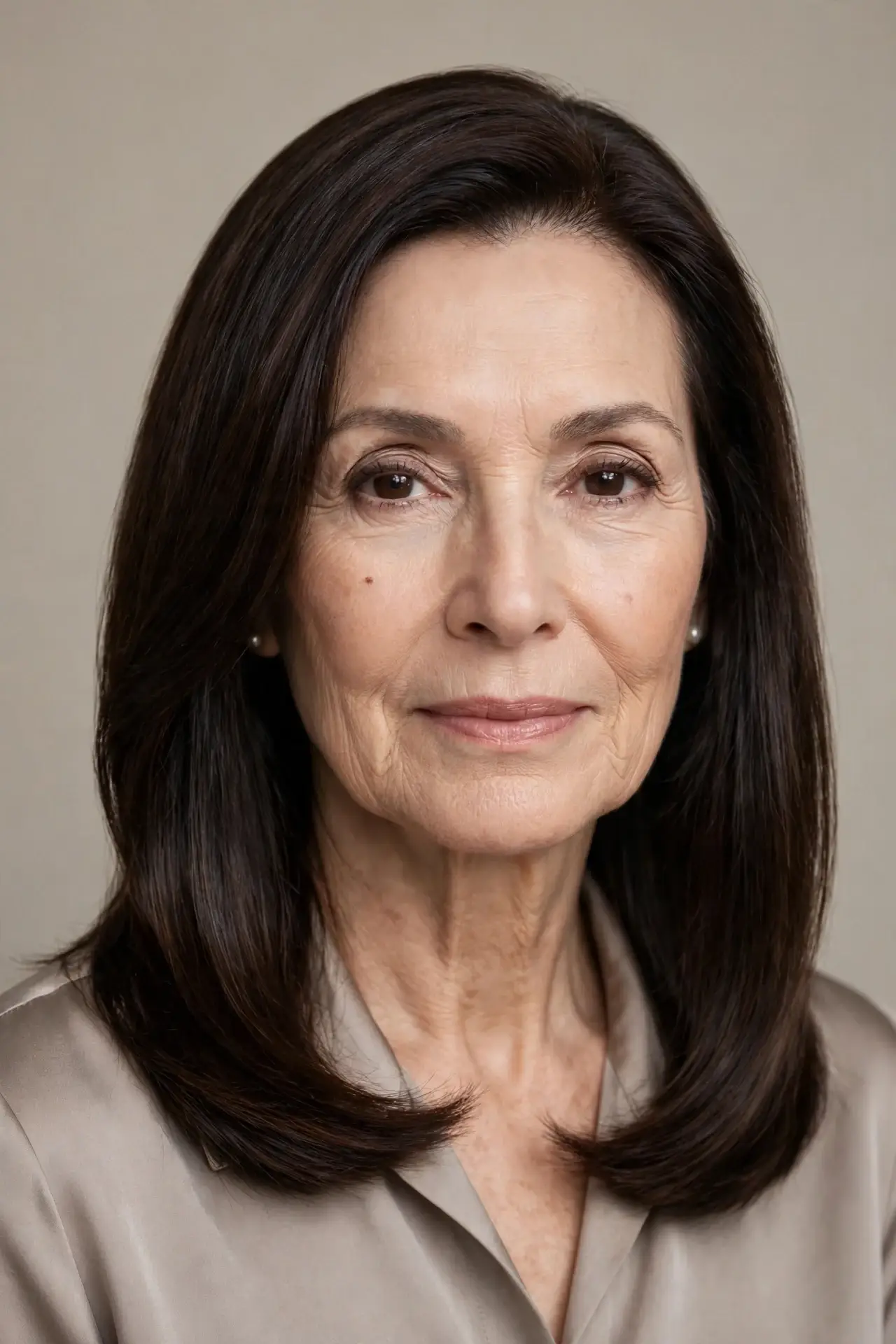
Jet black covers gray perfectly. It also creates the harshest possible contrast with mature skin, and the regrowth line shows within days.
If you love dark hair, compromise. A dark chocolate or soft espresso gives you the richness without the severity, and it is far kinder to paler complexions.
The rule of thumb: your darkest shade should be no more than two levels darker than your natural color was. Past that, the hair starts wearing you.
Face-Framing Highlights: Brightness Where It Counts
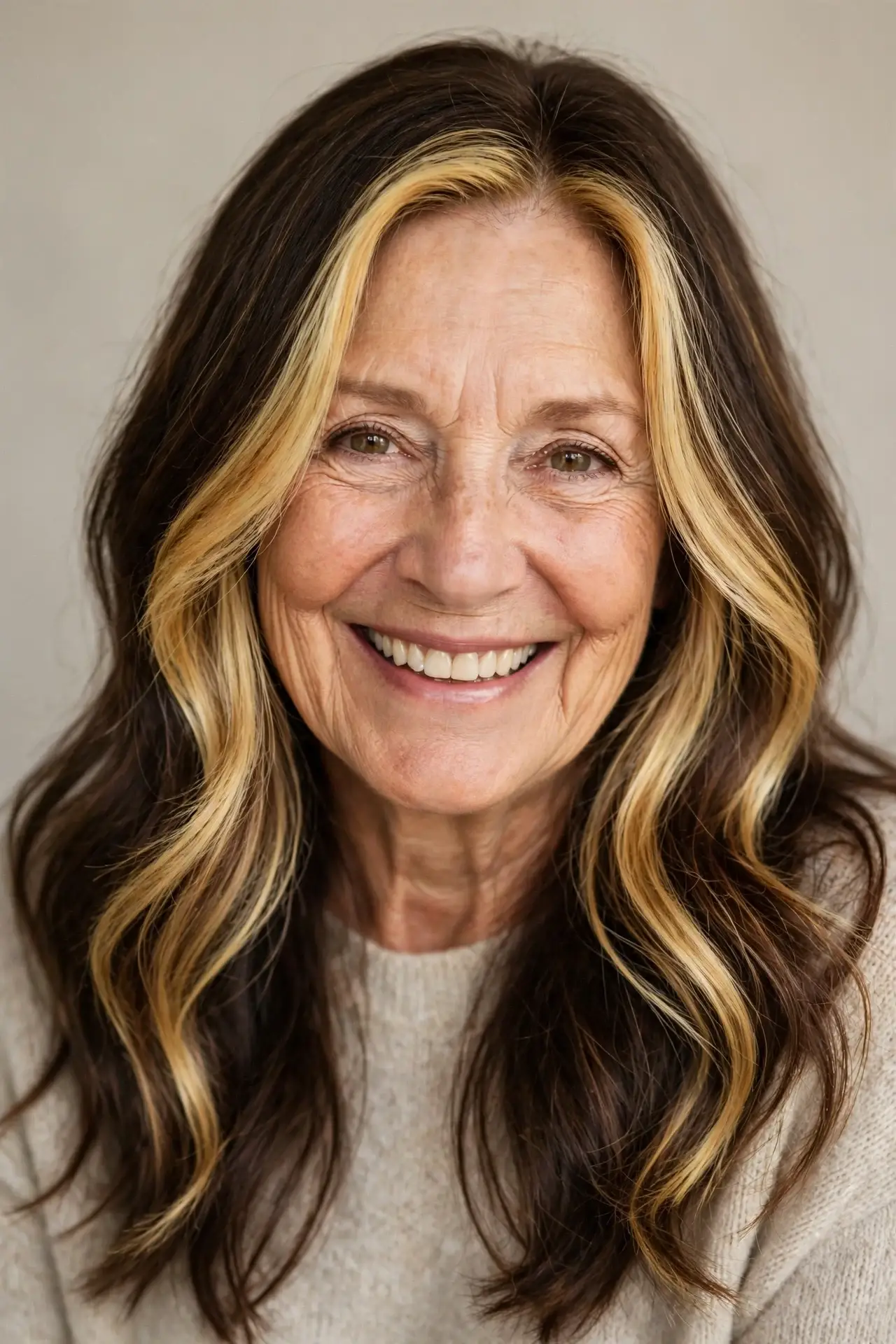
You do not need a full head of highlights. A few lighter pieces around the face do most of the lifting for a fraction of the cost and damage.
Face-framing brightness opens up the eyes and softens the jawline area. It is the highest-impact, lowest-commitment color move on this list.
This pairs beautifully with the right cut, and our haircuts for women guide shows which shapes carry face-framing color best. Maintenance is easy too, since the pieces grow out softly.
Gloss and Toner: Shine Is the Real Youth Secret
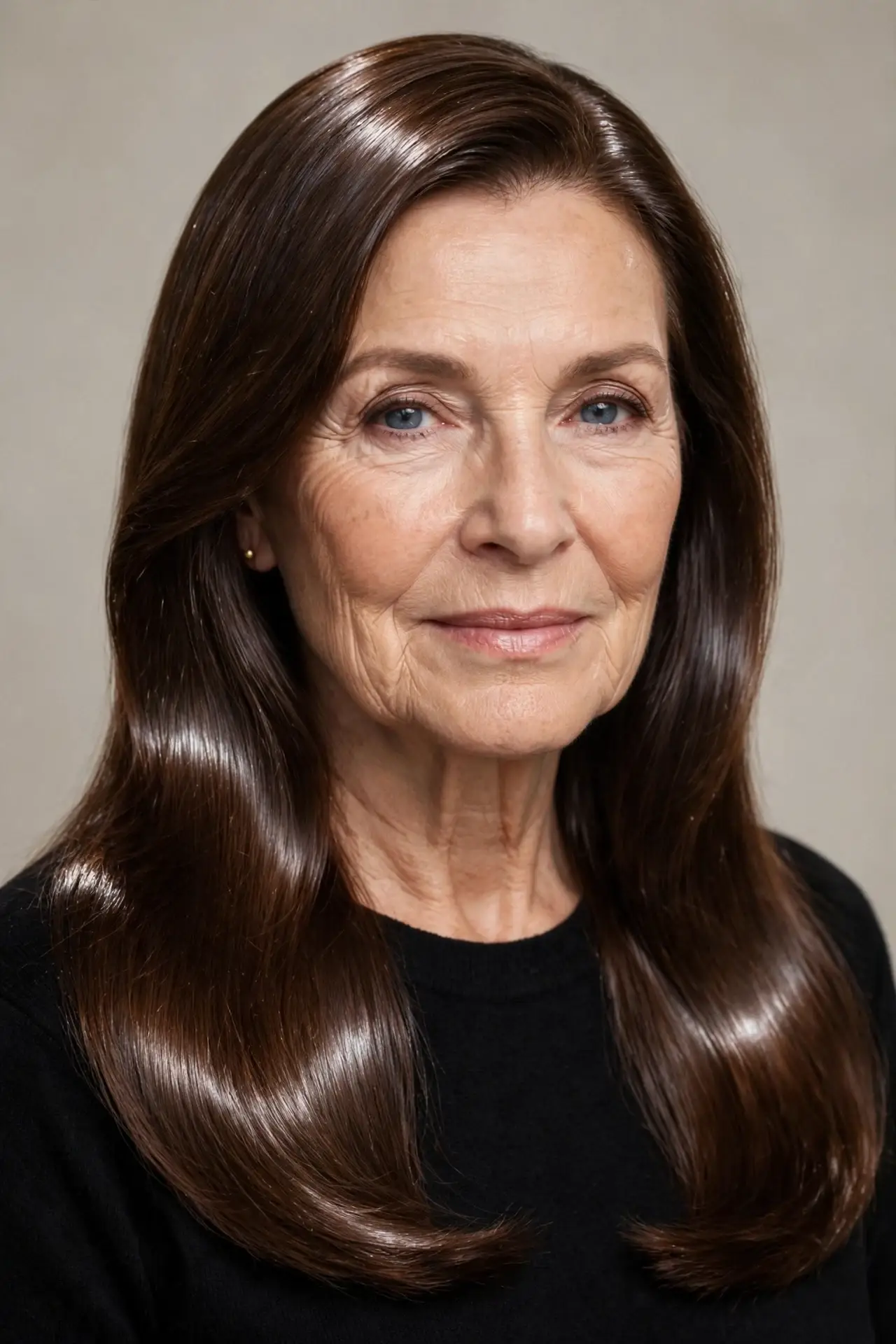
Here is what nobody tells you: shine matters more than shade. Dull hair reads as older hair regardless of the color on the box.
A clear or tinted gloss every six to eight weeks adds mirror shine, seals the cuticle, and refreshes tone without any permanent commitment. It is the cheapest luxury in the salon.
Gloss is also the gentlest option for fragile or thinning hair. No lift, no damage, just light reflection doing all the work.
Root Realities: Picking a Color You Can Maintain
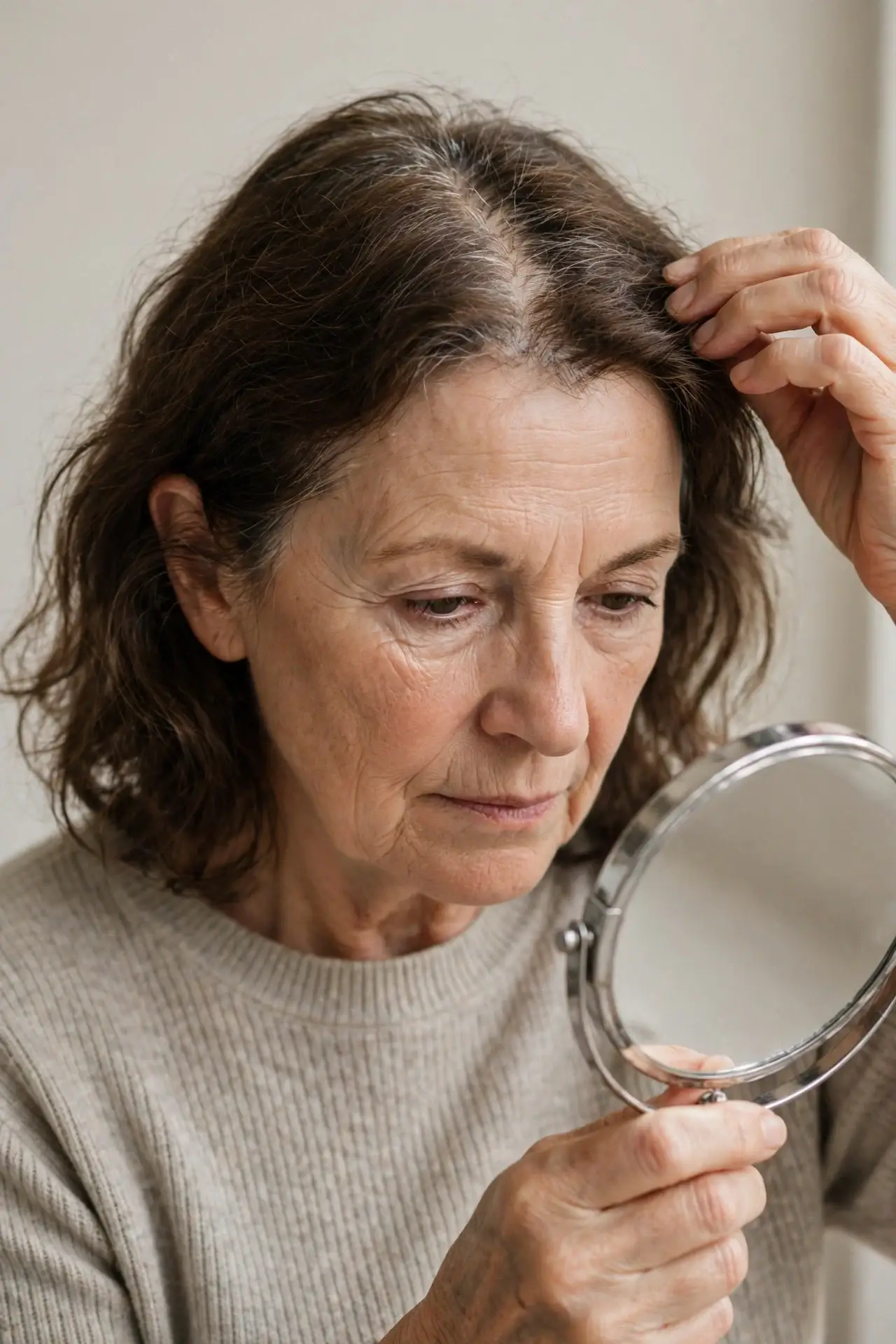
The most flattering color in the world is worthless if you cannot maintain it. Be honest about your budget, your schedule, and your patience before you commit.
Dark all-over color needs roots every four to six weeks. Blended blondes and dimensional brunettes can stretch to ten or twelve. That difference adds up to real money and real hours over a year.
And if the maintenance ever feels like too much, there is no shame in a break. Our wig hairstyles guide has natural-looking options that give your hair, and your calendar, a rest.
Pick the hair color for older women that works with your skin, your gray, and your real life. The right color should make mornings easier, not harder.