Boneless Knotless Braids: 8 Lightweight Styles That Float
If boneless knotless braids keep popping up in your feed, there is a reason: they are the answer for everyone who loves knotless braids but not the weight. The name says it all. No bulky knot at the root, no heavy bundle pulling at your edges, just braids that start soft and stay soft.
The difference shows the first time you shake your head. Boneless braids move like your own hair because less added hair is packed in at the scalp. They lie flatter, swing easier, and your neck will thank you by day three. The 8 looks below cover every length and finish worth asking for.
Table of Contents
Waist-Length and Weightless
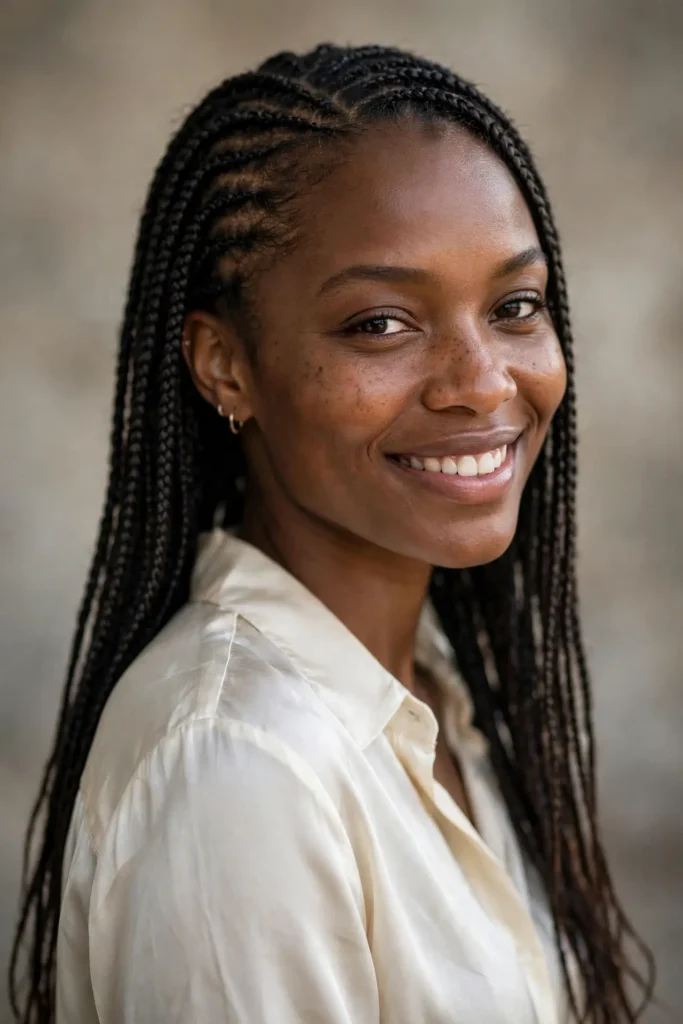
Long braids usually mean a long day in the chair and a sore neck for a week. The boneless start changes that math. Because each braid begins with your own hair and only a little added hair feeds in, a full waist-length set feels more like wearing your natural hair than a protective style.
Ask for medium-size parts if you want the classic look. Triangle or diamond parts add a little personality without changing the weight. This is the length for vacations, weddings, and any week you do not want to think about your hair.
The Shoulder-Length Bob
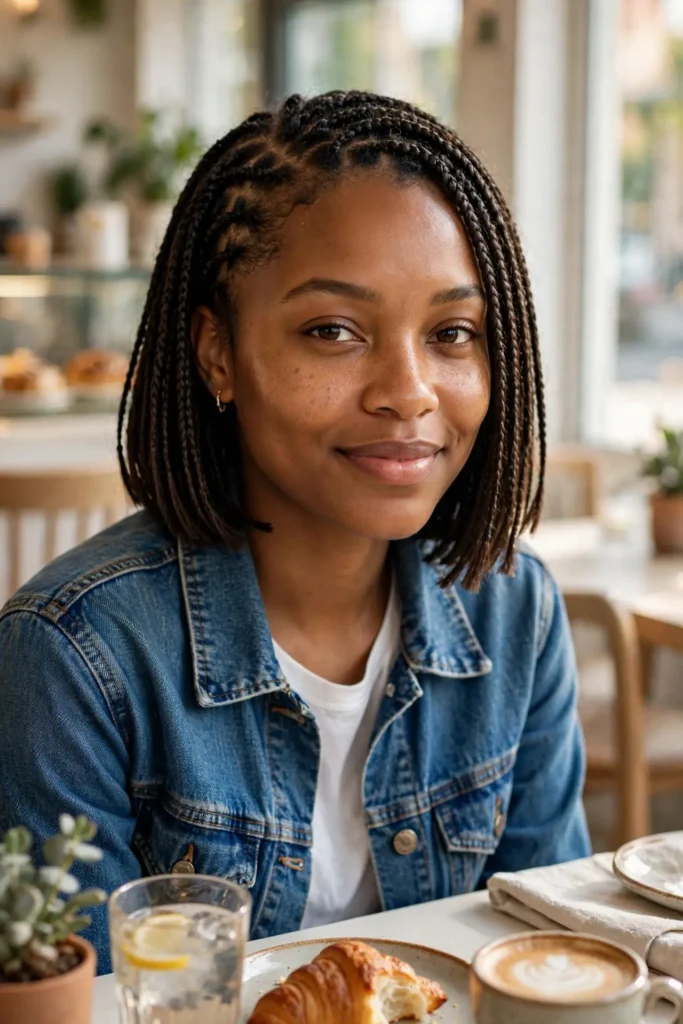
Short braids are having a moment, and the boneless version might be the best one. A shoulder-grazing bob keeps everything off your neck, which is the whole point of going boneless. The ends can stay blunt for a clean line or flip out with a little hot water for movement.
This length suits rounder faces because the vertical line of the braids draws the eye down. It also grows out gracefully. When the roots get fuzzy, a bob still looks intentional instead of overdue.
Small-Size Boneless Knotless
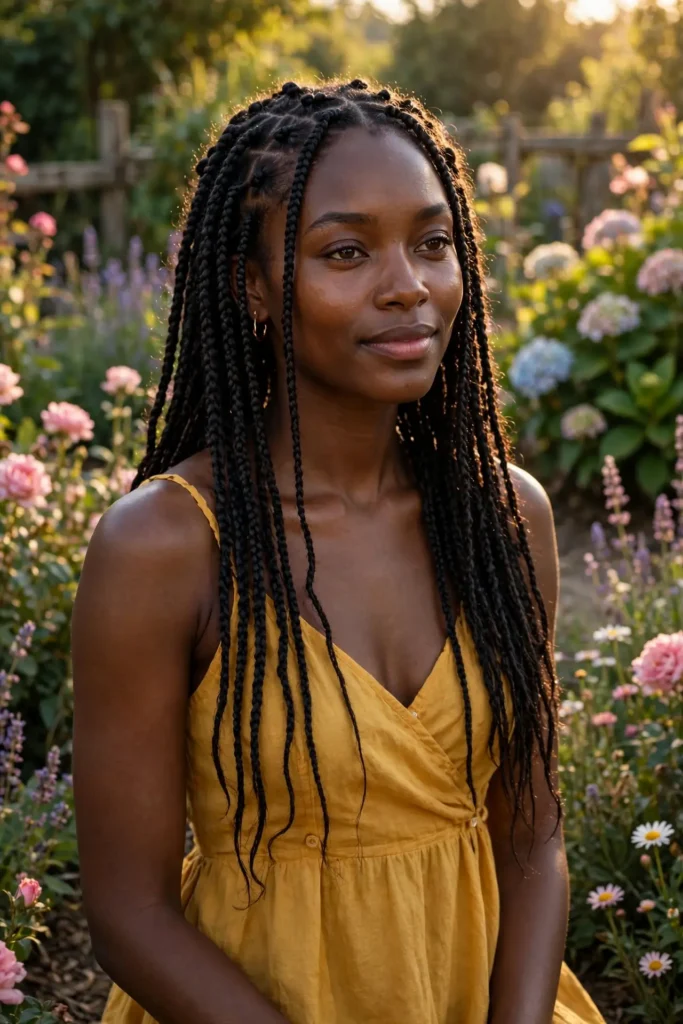
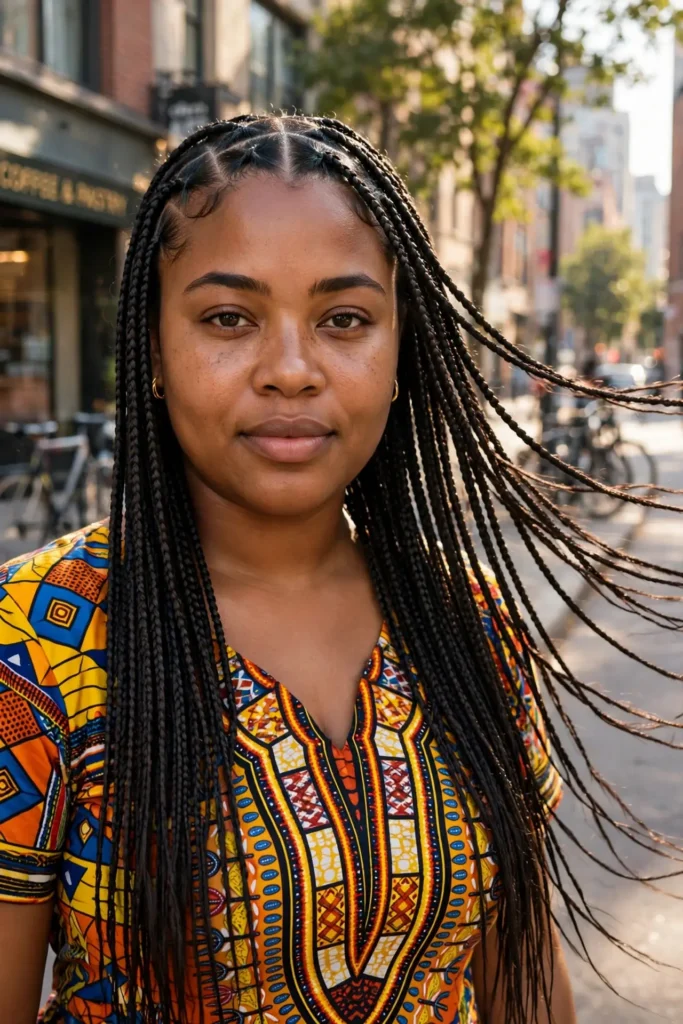
Small braids mean more braids, more parting, and more time in the chair. What you get back is coverage that looks like a full head of your own hair, only longer. The boneless technique keeps smalls from feeling heavy, and that is where this style really earns its name.
Smalls are the pick for updos because you have more braids to work with. If you want to compare sizes before you book, our smedium knotless braids breakdown walks through how braid size changes the whole look.
Loose Curly Ends
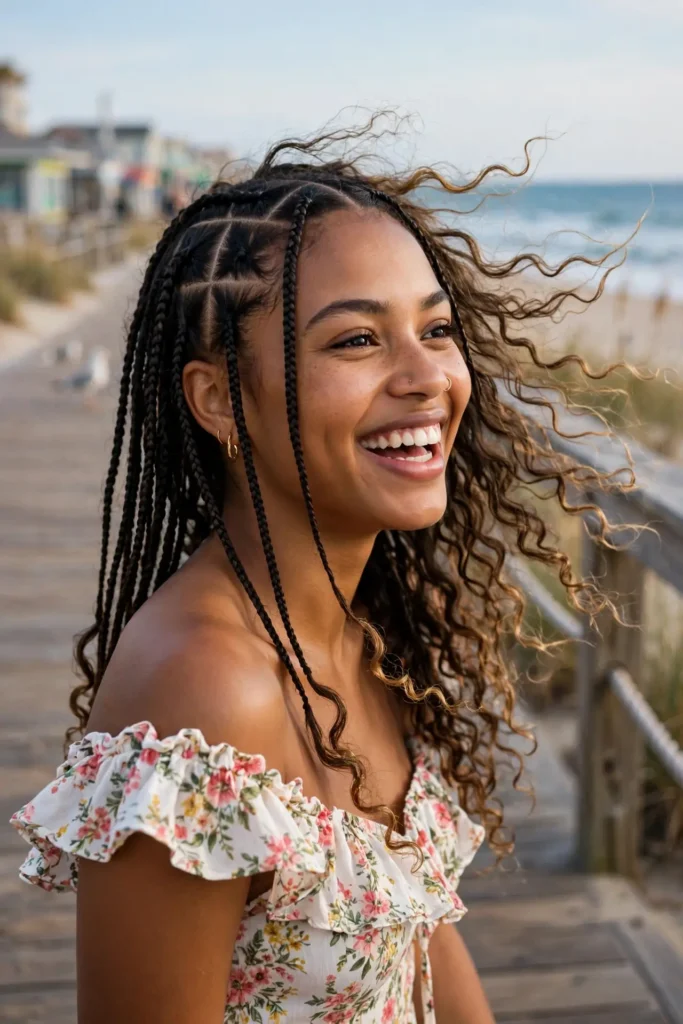
Leave the last few inches of every braid unbraided and you get the boho finish everyone screenshots. Curls at the ends soften the whole style and make boneless braids look even more natural, like hair that just grows that way.
A little mousse keeps the curls defined without crunch. This finish suits wavier textures especially well because the curls blend right in. For the full bohemian treatment, browse our boho braids knotless styles for more ways to wear the look.
Side-Swept With Curved Parts
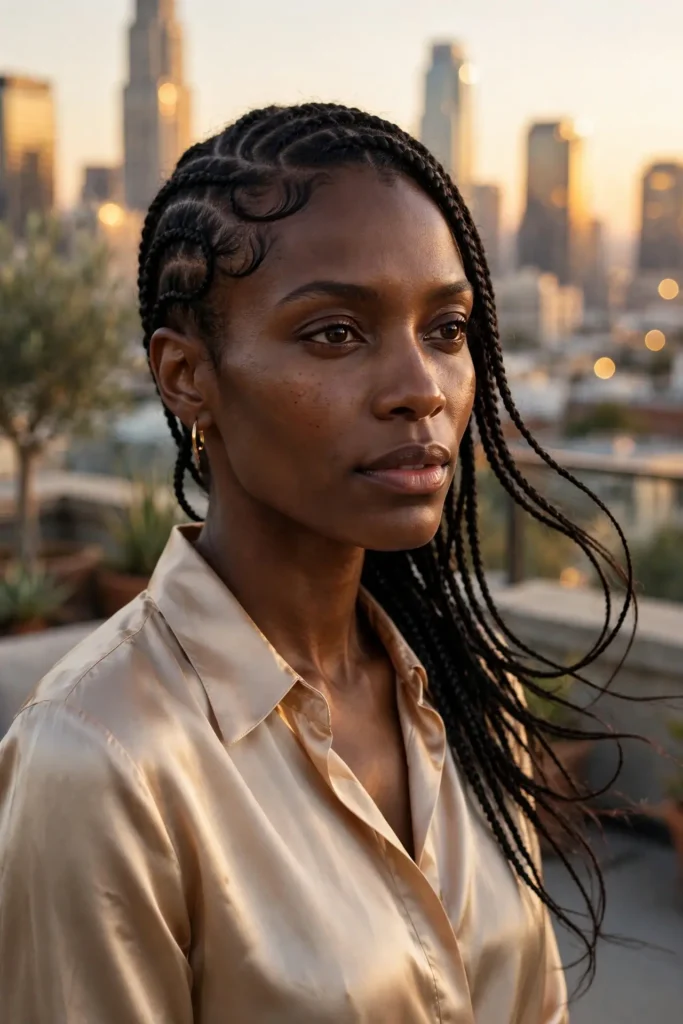
Parts are where braiders show their signature. Curved, swooping partings across the scalp turn a standard install into something custom. The boneless lay-flat start makes curved parts sit even smoother against the head.
Sweep the whole set to one side for instant drama. This style photographs well from every angle because the part pattern reads as design, not just sectioning. Ask for the swoop to follow your face shape and it flatters almost everyone.
The Half-Up Crown
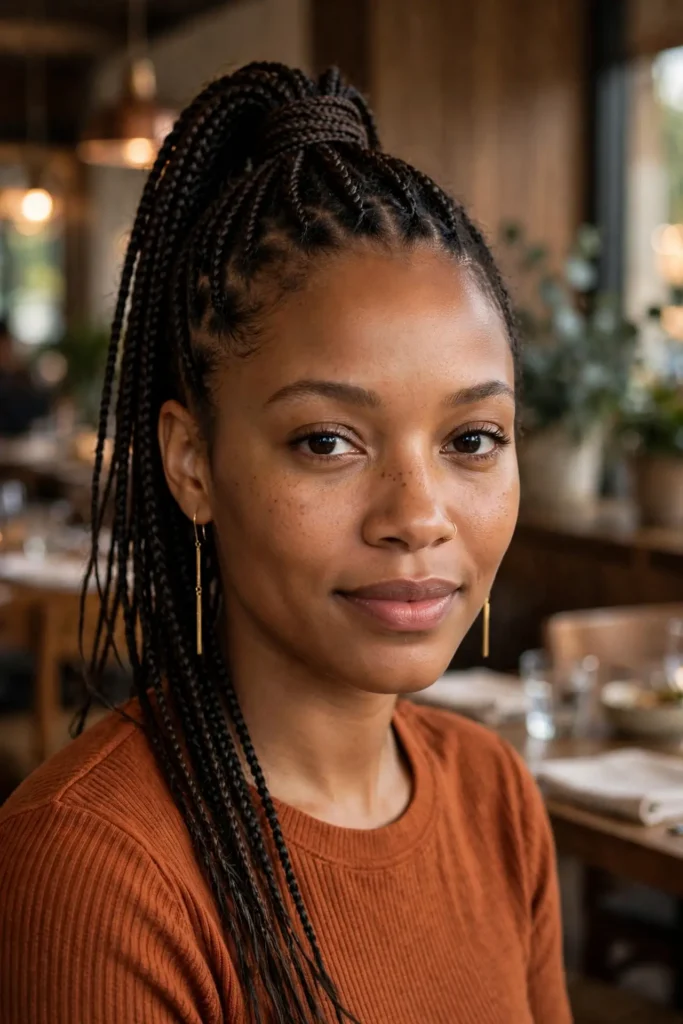
Gather the top half of your braids into a high ponytail or bun and let the rest fall. The half-up style shows off length while keeping braids out of your face, and on boneless sets it stays comfortable all day because there is less bulk pulling at the crown.
Wrap one braid around the base of the ponytail to hide the elastic. A few face-framing braids left loose soften the look. This is the go-to for gym days and for events where you want polish without a full updo.
The Low Sleek Bun
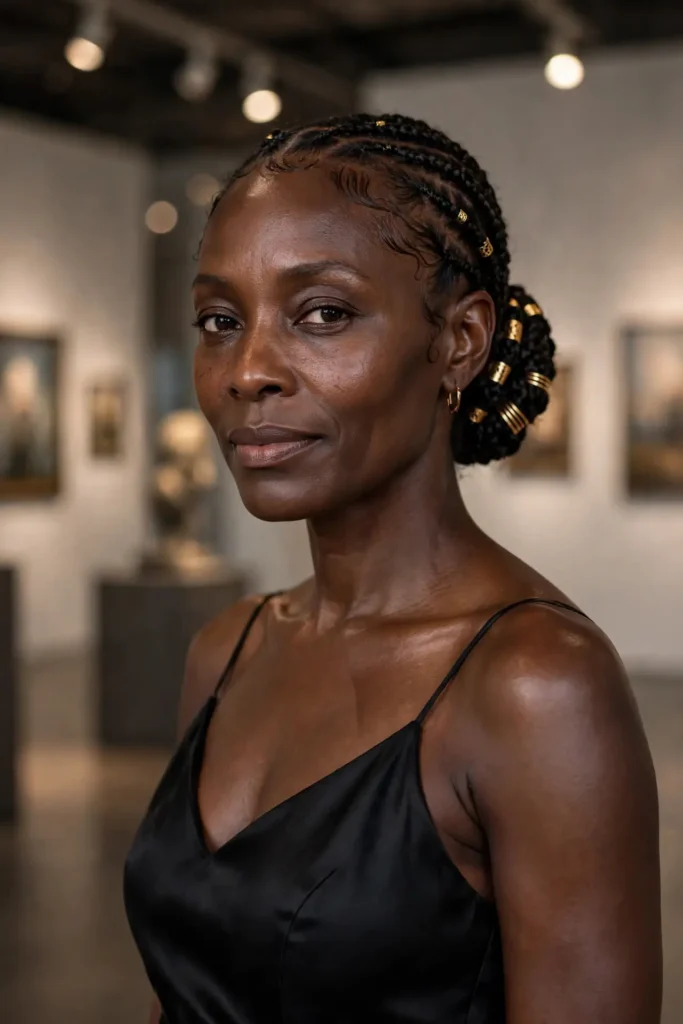
For the days you need to look pulled together in five minutes, sweep everything into a low bun at the nape. Boneless braids coil into a bun that sits flat and neat instead of ballooning out, which is the usual complaint with heavier installs.
Smooth the edges with a little gel and a scarf while you get dressed. Add gold cuffs on a few braids before you coil them and the bun reads dressed up. This style also sleeps well, so it doubles as a nighttime look.
Subtle Color Blending
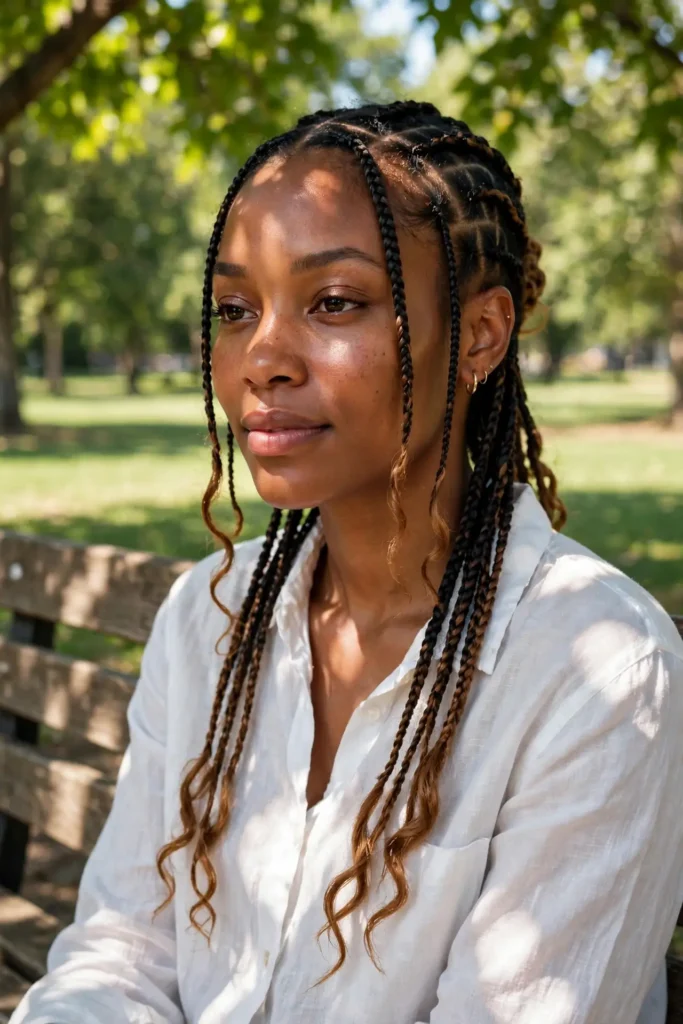
You do not need a full head of bright color to change the look. A few braids in a shade lighter than your own, or ends dipped in honey brown, give dimension without commitment. Boneless braids take color blending well because the thinner start keeps the blend soft at the root.
Keep the lightest pieces around your face where they catch light. If your workplace keeps it conservative, one shade up from your natural color still adds depth. Color-treated braiding hair fades a little with washing, so ask your braider how the shade settles after the first week.
Boneless Knotless vs Regular Knotless: What Changes
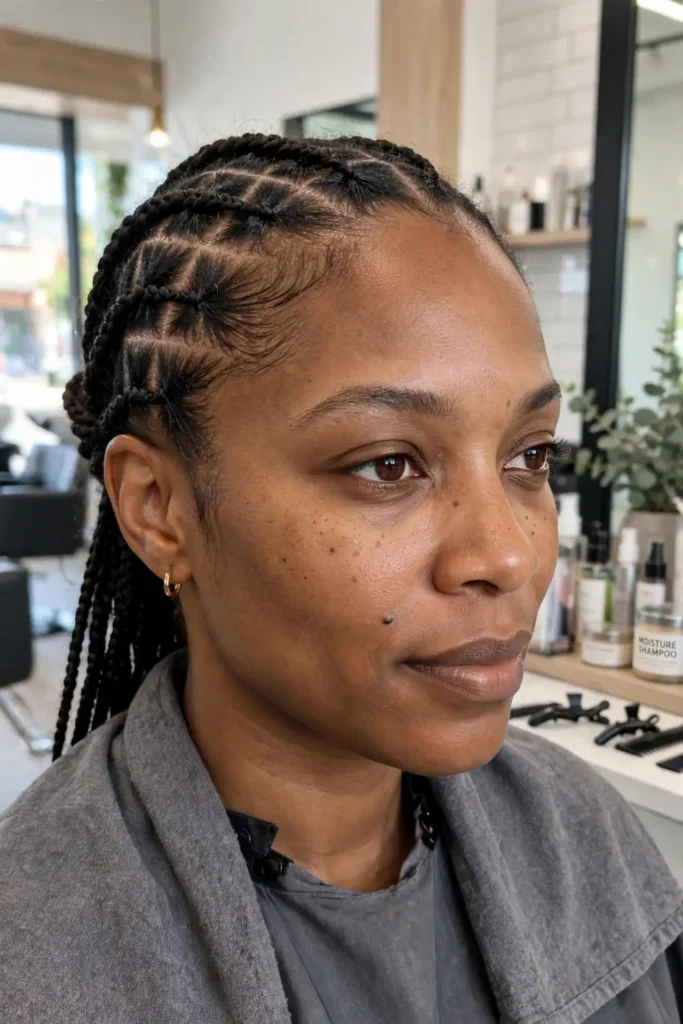
The first thing to know about boneless knotless braids is the difference lives in the first inch of every braid. Regular knotless starts with a small feed of your hair plus added hair braided in from the root. Boneless starts with mostly your own hair, and the added hair joins further down.
That small change affects everything. The root lies flatter, so the style looks more natural up close. Tension on the edges drops, which matters if your hairline is sensitive. The whole set weighs less, and most people find it more comfortable to sleep in. Install time runs a little shorter too, since there is less hair to feed in at the start.
The trade-off is fullness at the root. If you love that thick, chunky look right at the scalp, regular knotless gives you more of it. Boneless trades a little of that volume for comfort and a softer grow-out. Neither is better; it depends what your hair and your neck prefer.
How Long They Last and How to Care for Them
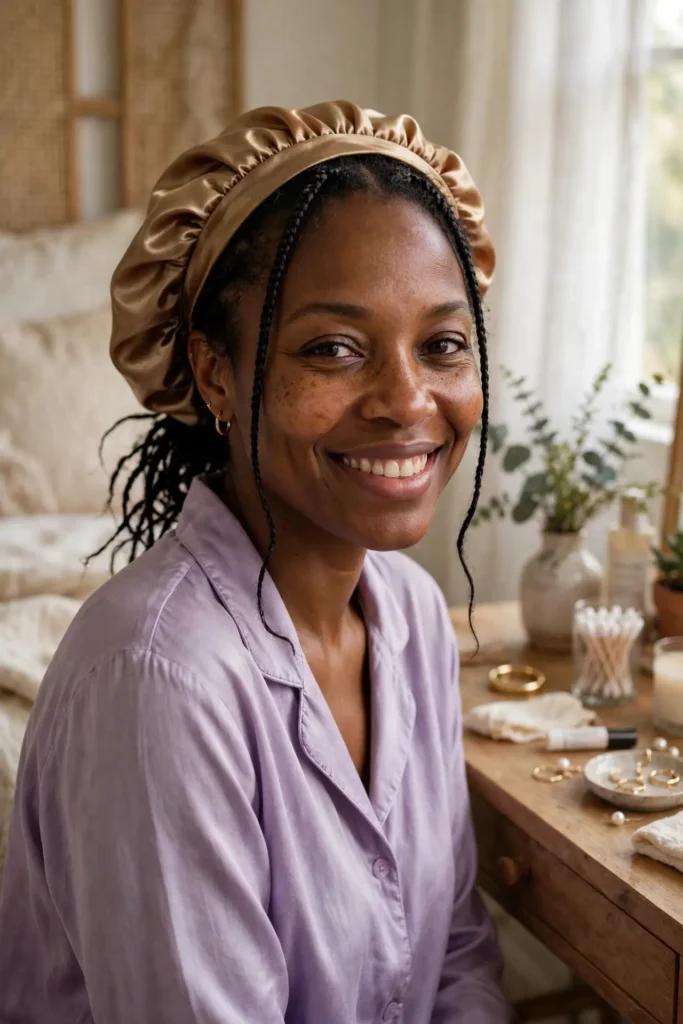
Most boneless sets look fresh for four to six weeks, which matches regular knotless. The lighter start can actually help them last, because less weight is pulling each braid loose at the root. New growth is the real clock: once your roots get fuzzy, the style starts to look tired.
Mousse the roots in the morning and tie everything down with a silk scarf at night. A light oil on the scalp keeps itch away without buildup. Wash with diluted shampoo focused on the scalp if you need to, and let the braids air dry fully before styling them again. The American Academy of Dermatology’s hair care guidance is a solid reference for the basics, and skip heavy butters at the root since they collect lint and dull the finish.
Quick Answers
Are boneless knotless braids actually lighter?
Yes, noticeably. Each braid carries less added hair at the root, so a full head weighs less than the same size in regular knotless. Most people feel the difference on the first day.
Do they last as long as regular knotless?
About the same, usually four to six weeks with good care. Less weight at the root can even help them hold a little longer, since the braids are not pulling themselves loose.
Can you do boneless knotless on short natural hair?
It depends on your length. Your braider needs enough of your own hair to start the braid, so very short hair can be tricky. Around three to four inches of natural hair gives most braiders enough to work with.
Are they better for thin edges?
The lighter tension helps, but no braid style is magic for fragile edges. Ask for gentle parting around the hairline and skip styles that pull the front braids tight.
How do I keep the roots neat between appointments?
Mousse and a silk scarf are your two tools. Smooth the roots down in the morning, wrap at night, and resist redoing individual braids unless one is truly unraveling.
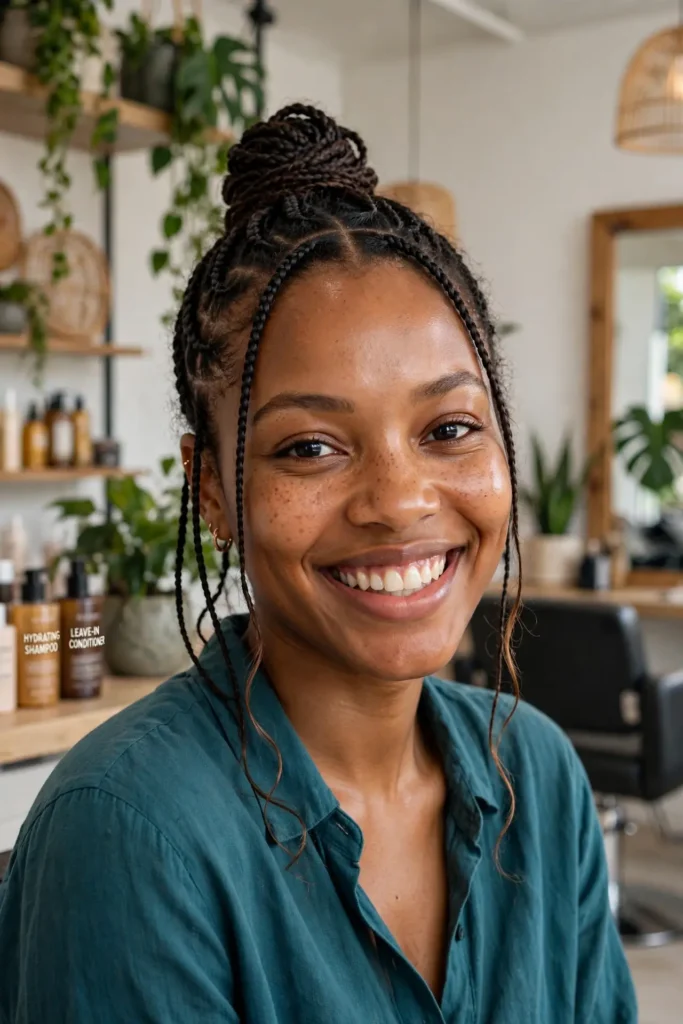
Once you try boneless knotless braids, regular knotless can feel heavy by comparison. The comfort is the selling point, but the look holds its own: flat roots, natural movement, and a finish that reads like your hair, only longer.
Bring reference photos to your appointment and ask your braider how they start their knotless. The boneless technique is a small change with a big payoff, and your edges will notice the difference first.