Shampoo is polite. It lathers up, rinses the surface, and leaves the real mess behind: dry shampoo, styling cream, sebum, and dead skin settled on your scalp.
A scalp scrub is the step that actually reaches that layer. It is an exfoliating treatment for the skin your hair grows out of, worked in with your fingertips before shampoo ever touches your head. Used well, it buys you a scalp that stays comfortable for a week. Used too often, it leaves that same skin raw.
Table of Contents
What a Scalp Scrub Actually Does
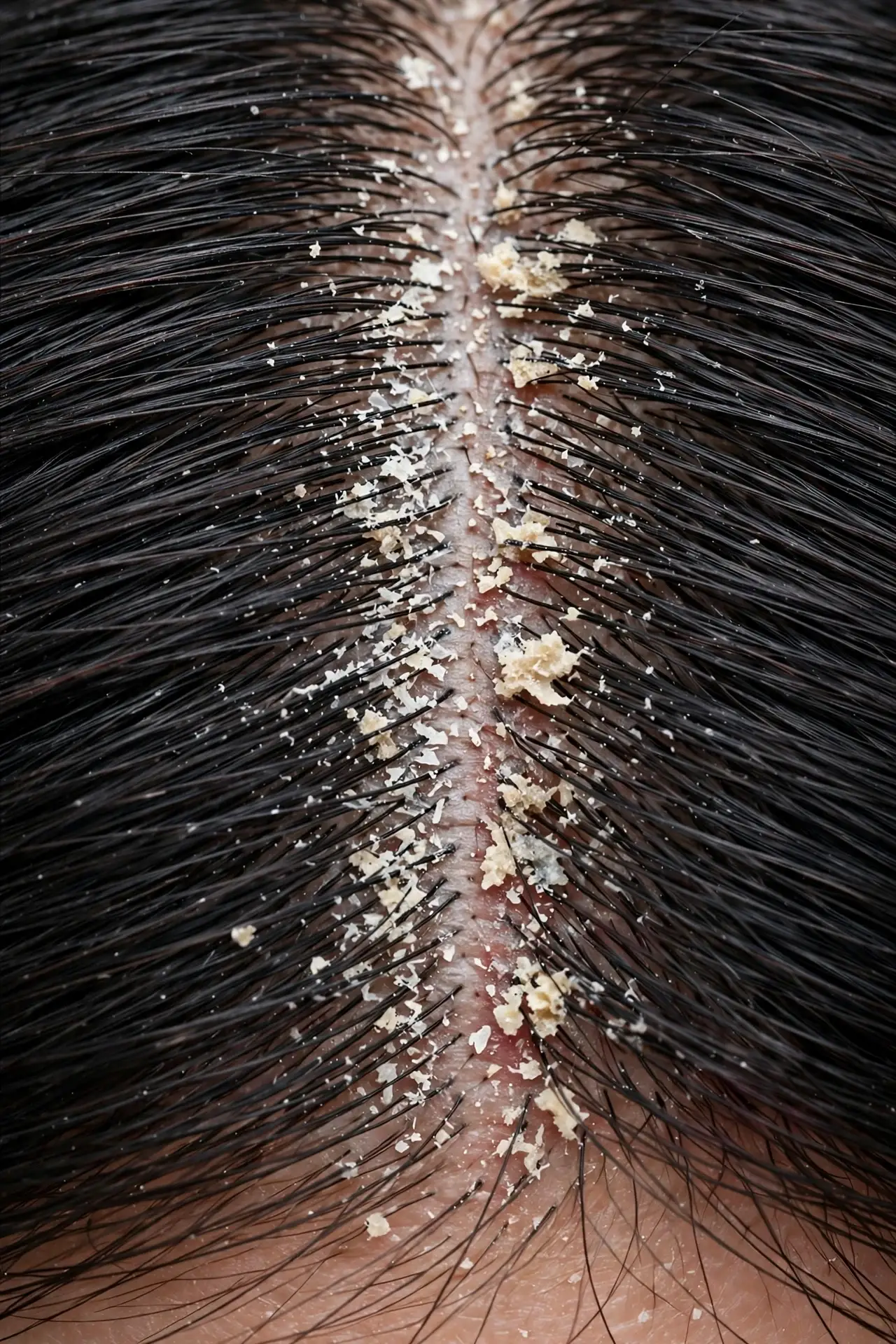
Your scalp sheds skin cells and produces oil around the clock. Add dry shampoo, leave-in products, and hard water, and those cells stop falling away on their own. They stack up in a film called buildup.
A scalp scrub breaks that film apart and lifts it off, so shampoo can rinse it down the drain instead of skating over the top. One good scrub fixes problems that three shampoos could not touch: loosened flakes wash out instead of snowing onto your shoulders, roots hold their freshness a day longer, and the itchy feeling at the crown calms down. What a scrub cannot do is grow hair or replace washing. It clears the surface so the products you already own can do their jobs.
Physical or Chemical: The Two Ways Scrubs Exfoliate
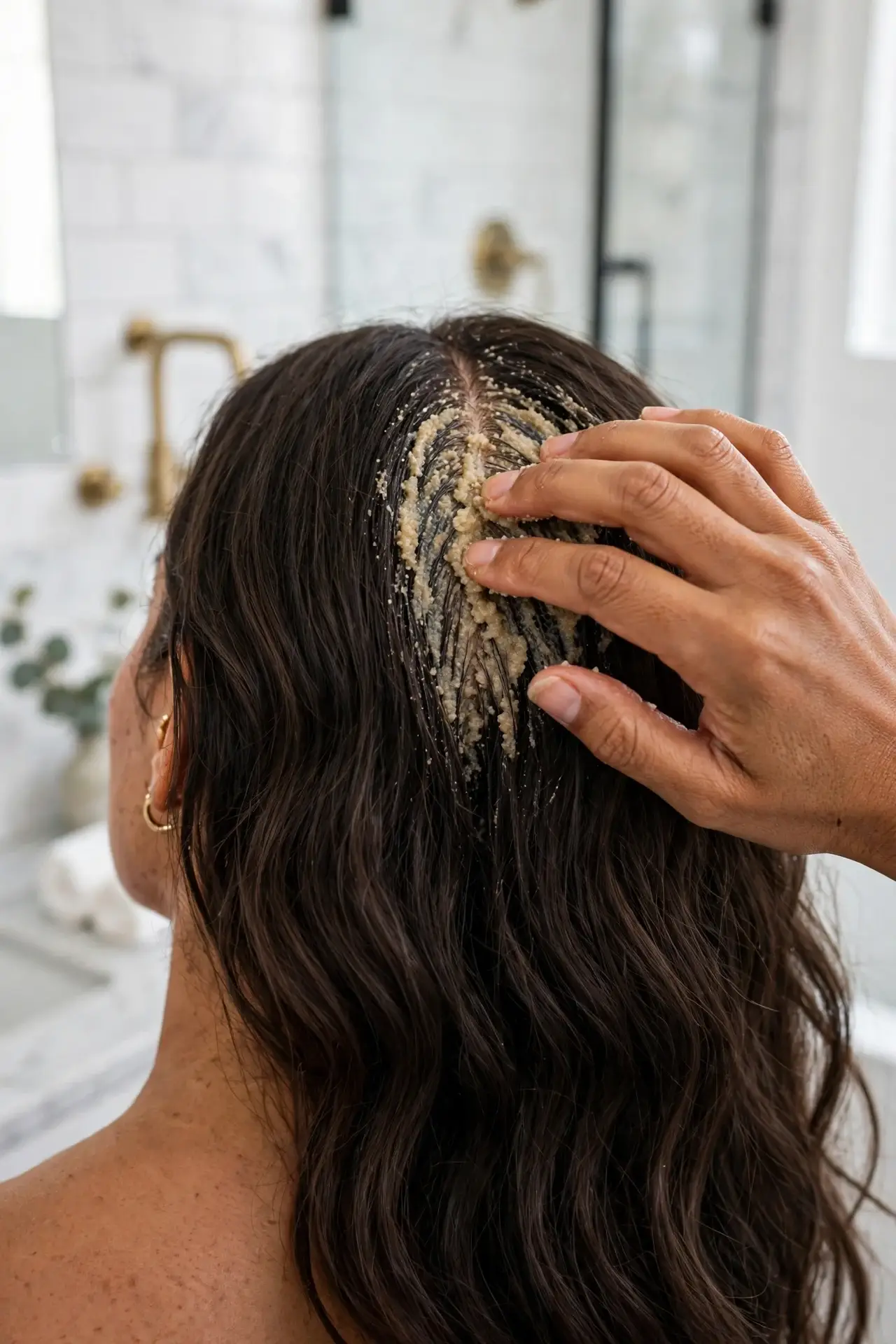
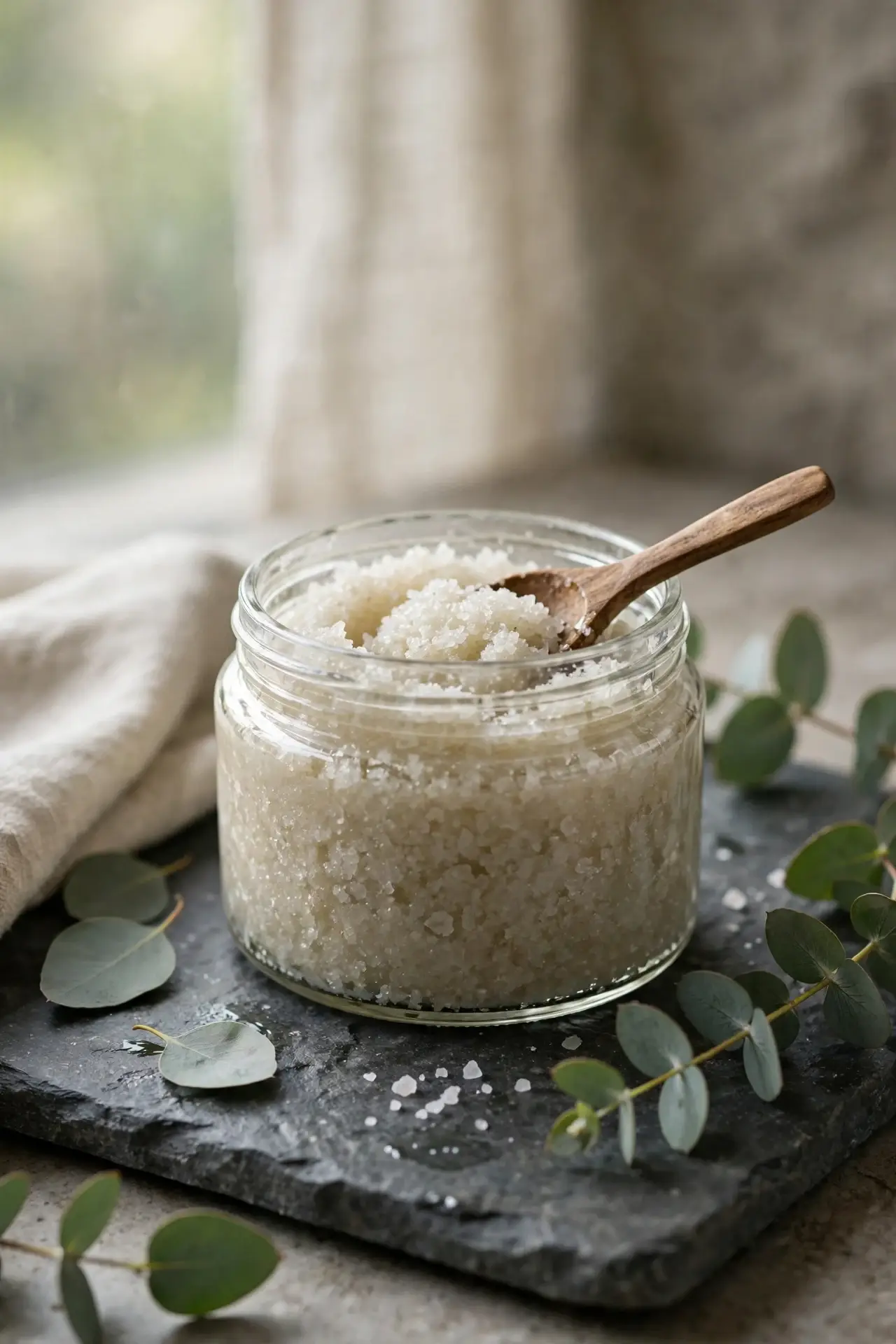
Physical scrubs do the work with fine grains, usually sea salt, sugar, or ground seeds in an oil or cream base. Your fingertips supply the pressure, and the grains polish the scalp the way a body scrub polishes elbows.
Chemical exfoliating scrubs skip the grit. They rely on scalp-safe acids, most often salicylic acid, to dissolve the bonds holding dead cells together so the layer lets go. You apply, wait a few minutes, and rinse.
Grit suits sturdy, oily scalps. The acid route is kinder to sensitive skin and to fine hair that tangles easily.
Signs Your Scalp Is Ready for One
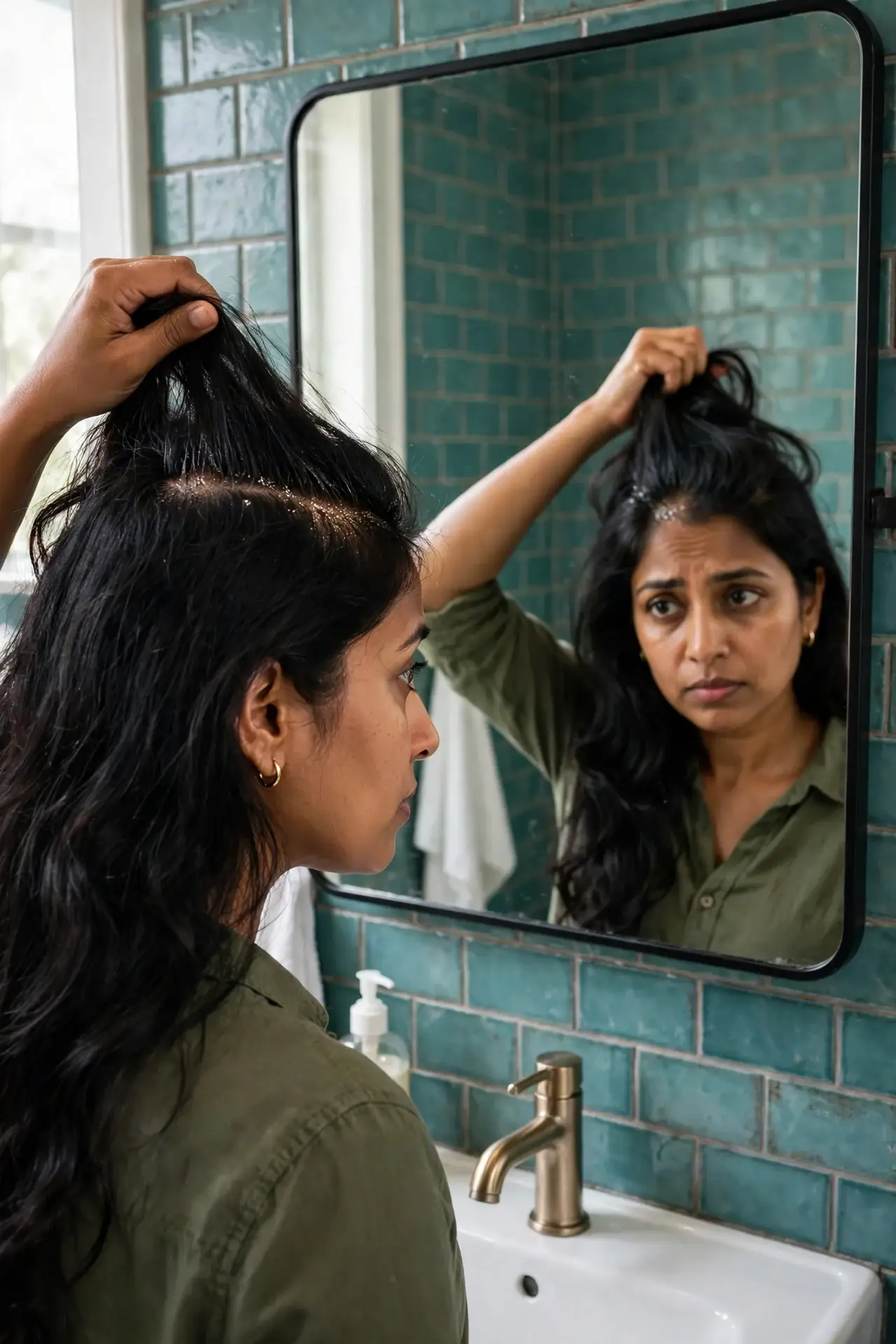
The classic sign is an itch that returns within a day of washing, the kind that has you scratching at your parting. Flakes that reappear just as fast point the same way.
Roots that go limp and oily hours after a wash are another clue. Run a fingernail lightly along your parting: a waxy, greyish film under it is exactly what a scalp scrub is built to remove.
How to Use a Scalp Scrub, Step by Step
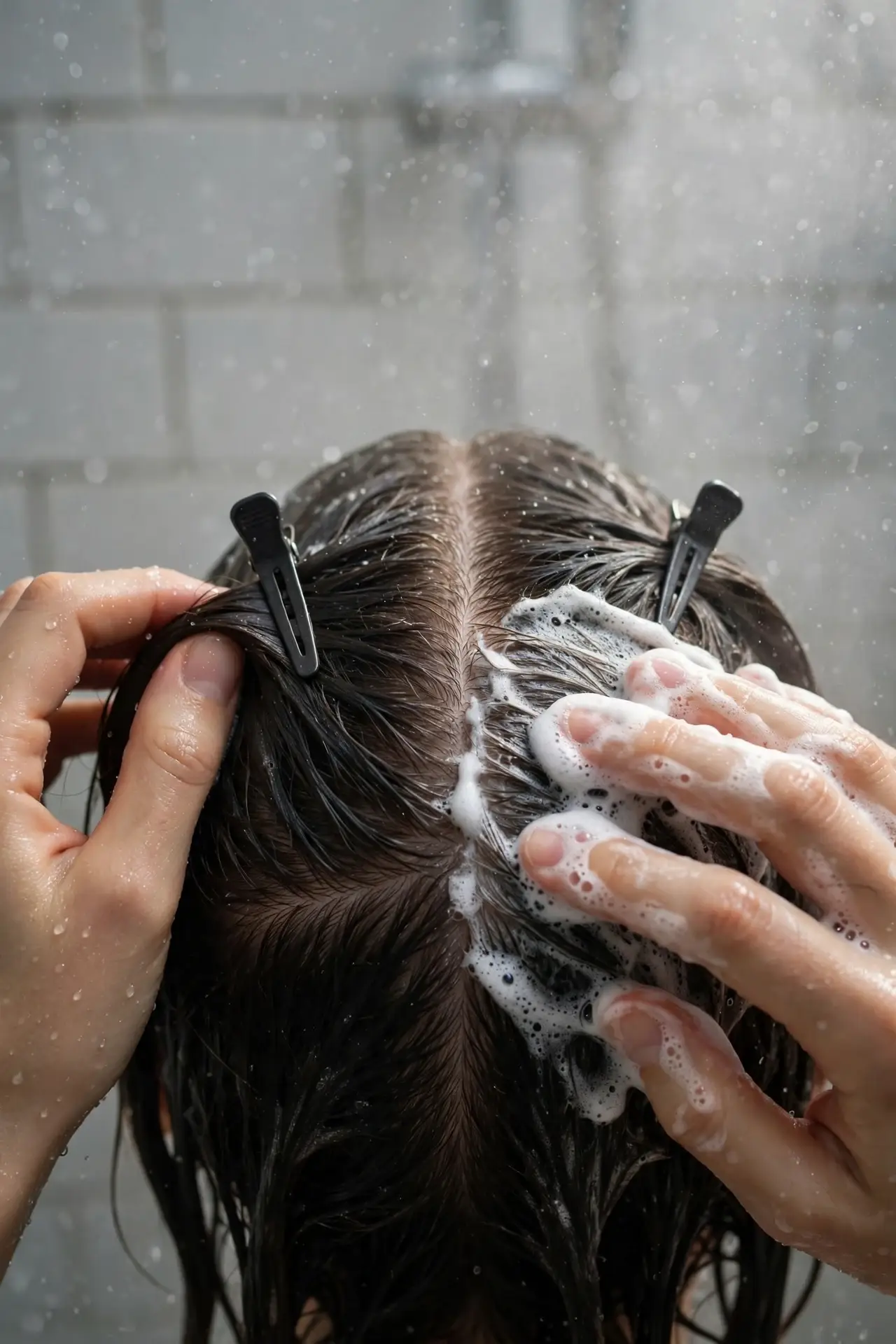
Step one: start with dry or barely damp hair. Most scrubs grip better before the shower floodgates open. Part your hair down the middle, then keep making new partings an inch apart, because scrub dumped on top of hair never reaches skin.
Step two: apply along each parting. Press a small amount of scalp scrub directly onto the skin along each line with your fingertips.
Step three: massage, do not scratch. Work in small circles with the pads of your fingers for two to three minutes, never with your nails. Nails tear the surface you are trying to calm.
Step four: add water and keep going. A splash of water turns most scrubs slippery and spreads them wider. The grains dissolve here, your cue that the grit has done its work.
Step five: rinse longer than feels necessary. Grit hides at the nape and behind the ears, and leftover grains itch worse than the buildup did. Rinse until the water runs clear and no sandy patches remain.
Step six: shampoo and condition as usual. Follow with your regular shampoo, which now reaches actual skin, and condition the lengths only.
How Often Should You Scrub?
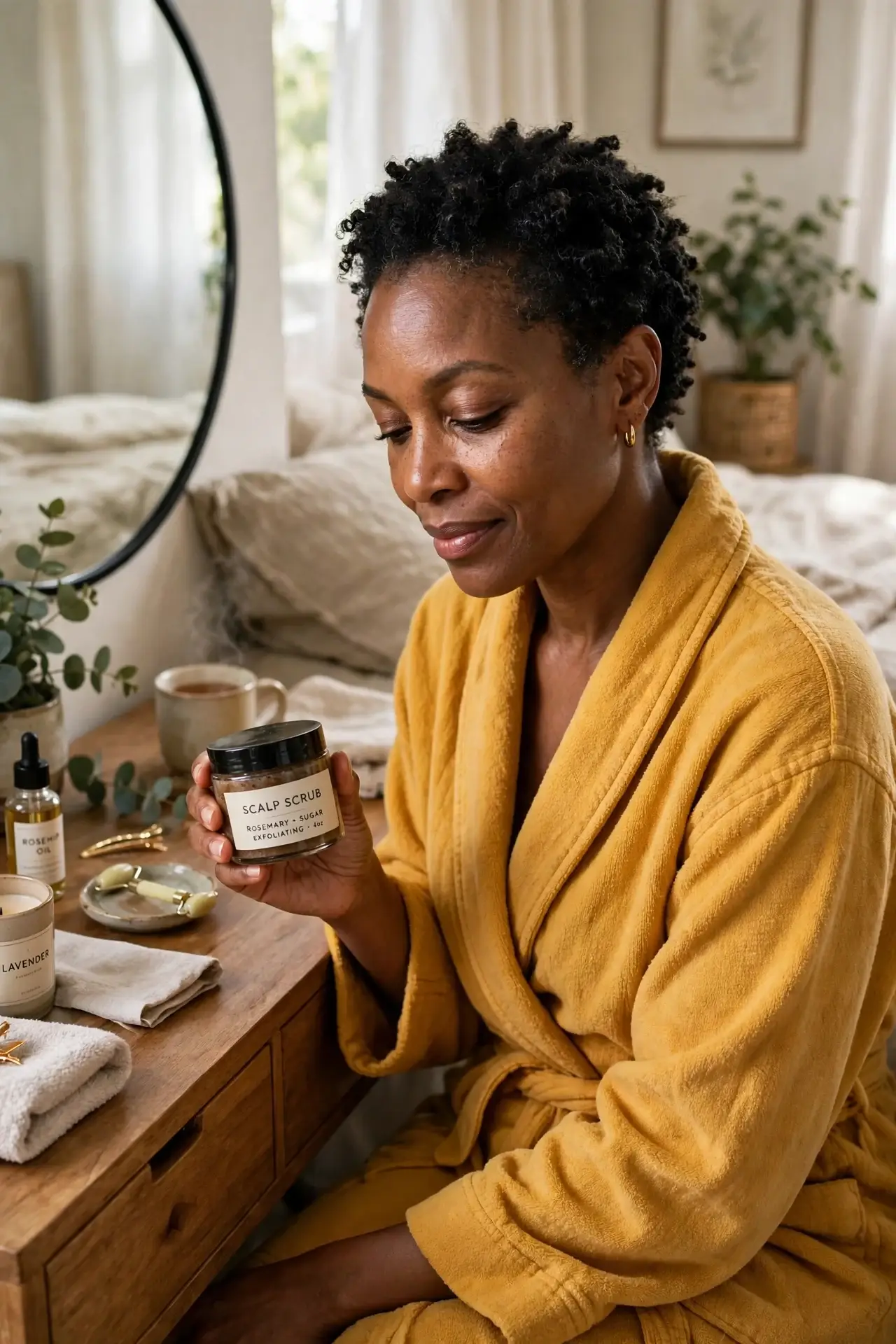
Once a week is the sweet spot for most scalps. Slot your scalp scrub into whichever wash day feels least rushed, and give buildup time to gather enough to be worth removing. Two or three times a week is too much: over-scrubbing strips the barrier that holds moisture in and triggers rebound oiliness.
Oily scalps and heavy product users can push to twice a week for a stretch, then drop back once things feel balanced. Dry, tight scalps usually do better every other week, and curly and coily hair often prefers that slower rhythm too. A steady hair care routine keeps the timing honest, and curly hair care goes deeper on wash spacing for textured hair.
DIY Scrubs: Sugar, Salt, and Oil
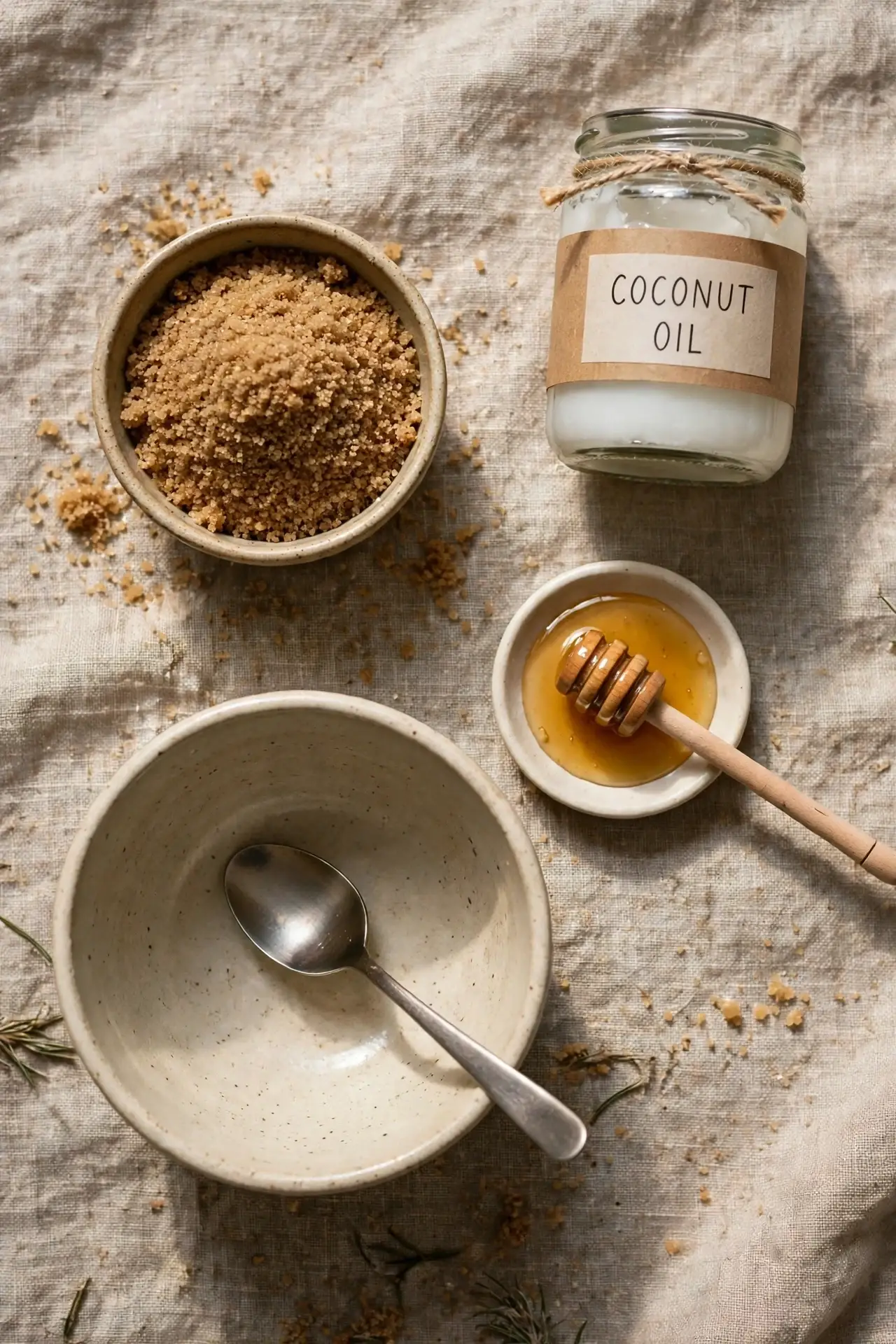
The kitchen version works because the formula barely matters. Brown sugar is the gentlest grain and dissolves fast, while fine sea salt cuts oil harder and stings broken skin.
Stir two tablespoons of brown sugar into a tablespoon of coconut or olive oil, and add a teaspoon of honey if your scalp runs dry. A drop of tea tree oil is a common addition for flaky scalps, though optional. DIY batches have no preservatives, so leftovers belong in the bin, not on the shower shelf.
Store-Bought Scrubs: What to Look For
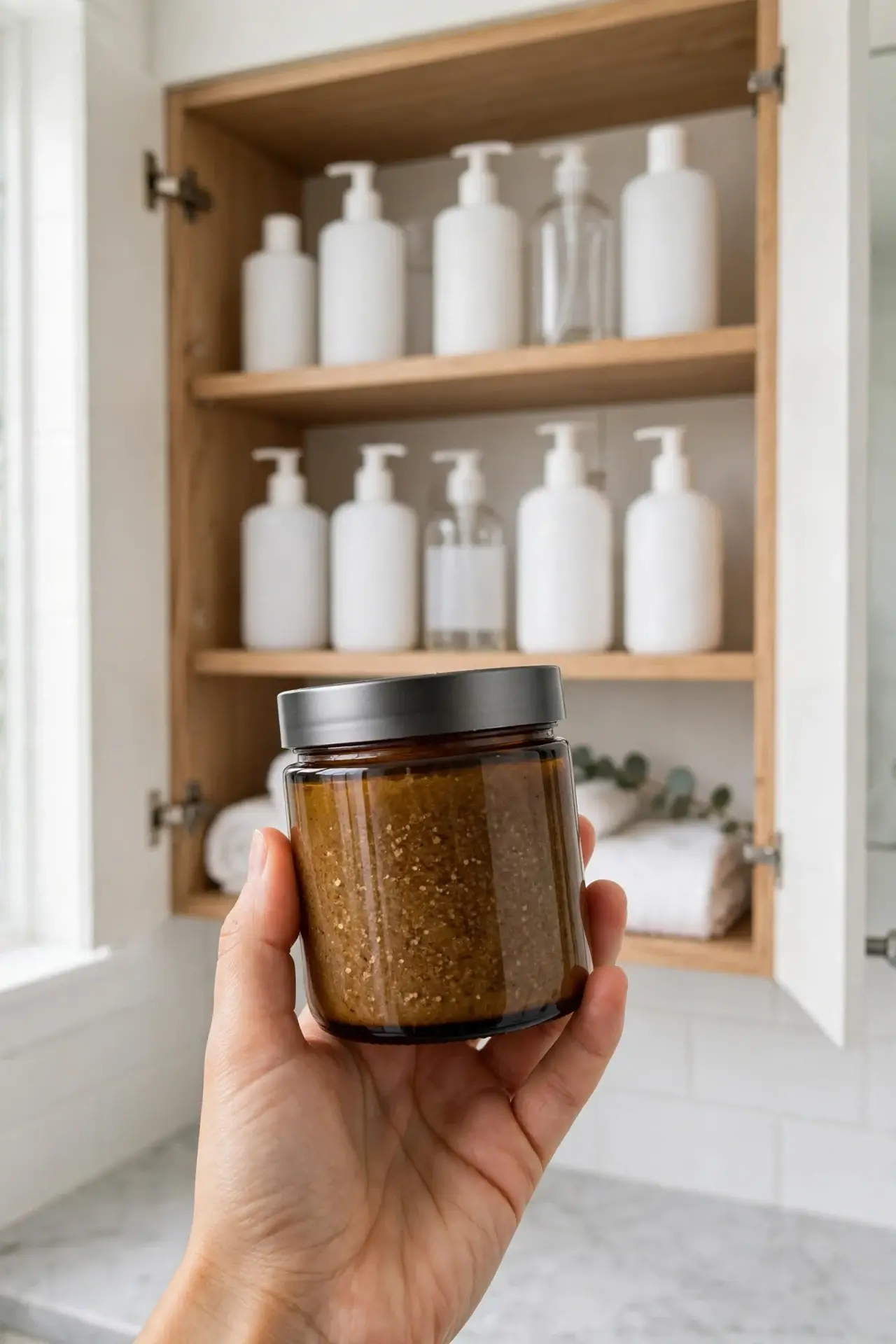
A store-bought scalp scrub earns its shelf space with consistency. The grains are milled evenly, and the formula rinses cleaner than kitchen oil does.
Read the ingredient list the way you would a face product. Salicylic acid high on the list means a chemical exfoliant; salt or sugar near the top means physical grit. Menthol and peppermint tingle convincingly, but the tingle is theatre, not cleaning power.
Thick, dense hair does better with a runny texture or a nozzle applicator. Fine hair wants the lightest rinse-out formula you can find, because residue weighs it down for days.
Scrub or Clarifying Shampoo?
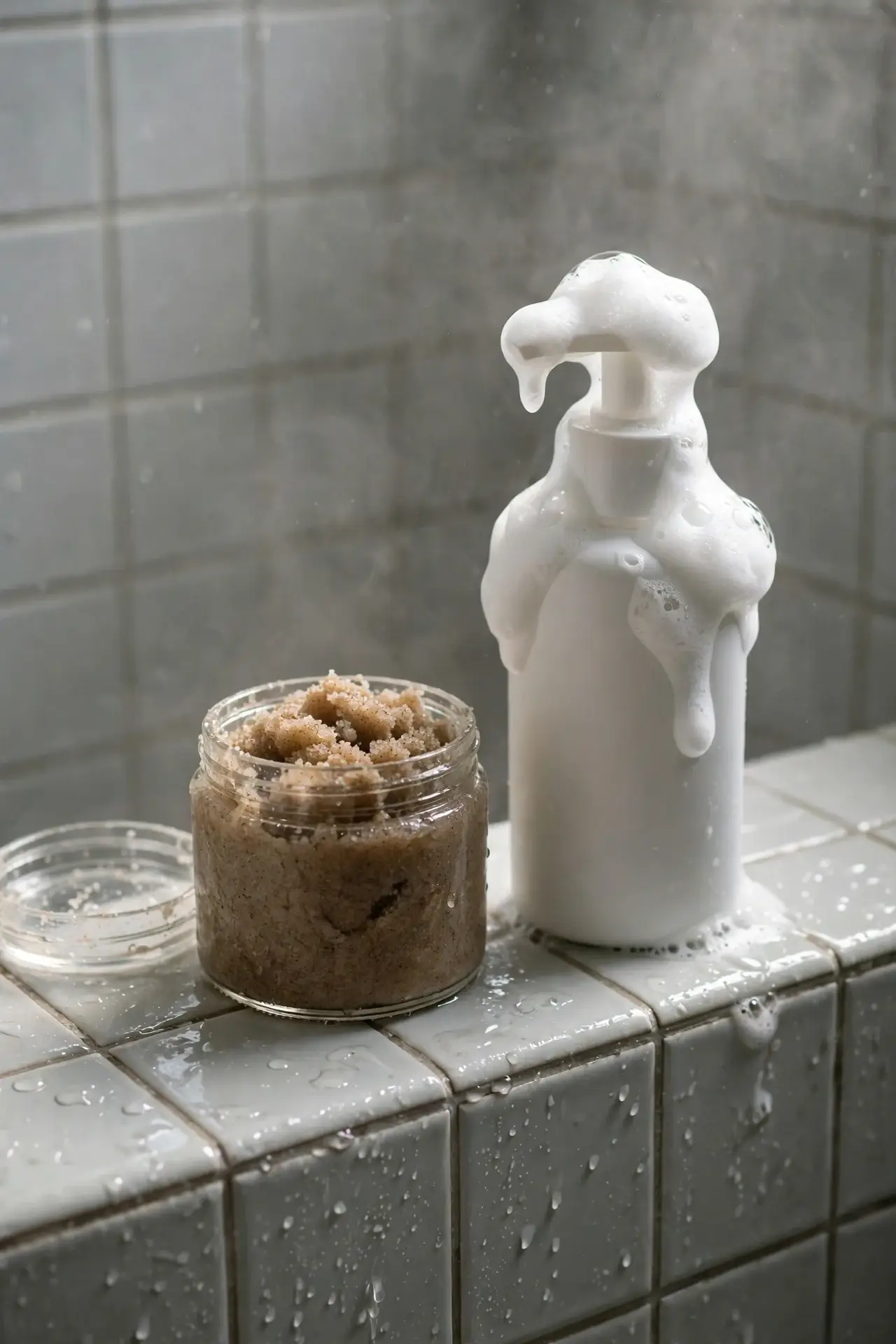
These two get confused constantly. A clarifying shampoo is still a shampoo: it washes harder than a daily formula and strips product film from the hair shaft itself.
A scalp scrub works one level down, on the skin, and treats the scalp as its whole job. Buildup on the hair responds to clarifying. Buildup on the skin, flakes, and that itchy film respond to exfoliation. You rarely need both on the same day, so pick one deep-clean step per wash.
Who Should Skip the Scrub
Some scalps need a dermatologist, not a grit. If your skin is broken, scratched raw, sunburned, or weeping anywhere, exfoliating it will hurt and heal nothing. The same goes for psoriasis and eczema flares, where scrubbing can crack a raised patch open and invite infection.
Very sensitive scalps should start with an acid-based product at the lowest strength, used once, then watched for a day before committing. Timing matters around salon work as well: skip scrubbing in the days around colour, bleach, perms, or relaxers.
The American Academy of Dermatology sets out sensible ground rules for keeping hair and scalp healthy, and its guide to treating dandruff is worth reading if flakes keep returning. Persistent flaking with redness, pain, or sores is a medical question, full stop.

Aftercare: What Your Scalp Needs Next
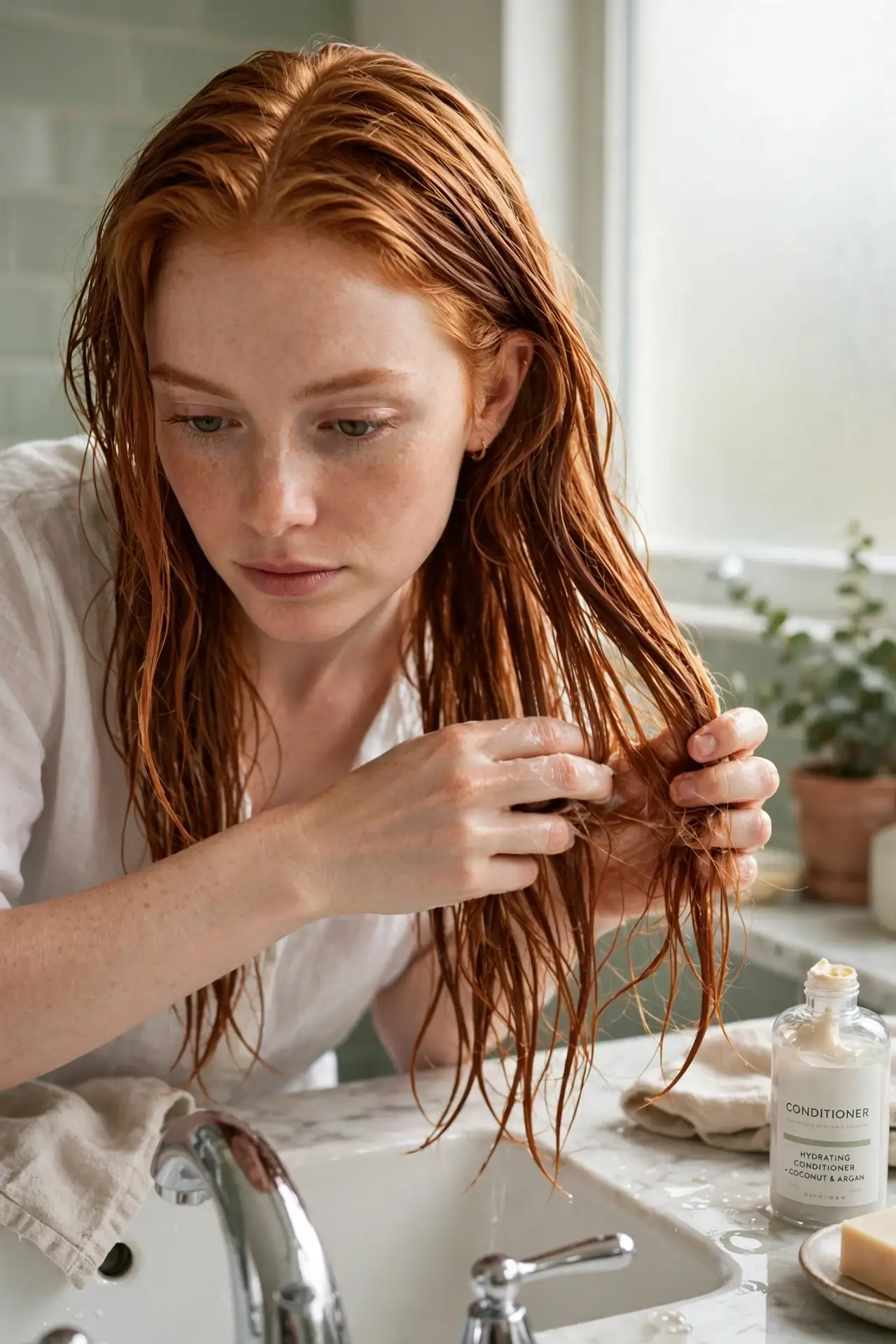
Freshly scrubbed skin drinks in whatever you put on it next. Keep the following day simple. A light scalp serum or a few drops of oil pressed along the partings is plenty.
Conditioner belongs on the lengths, not the skin you just cleared. If you oil your hair, the night before your next scrub is the smart time for it, since a pre-wash hair oiling session loosens buildup first. My full scalp care routine lays out how cleansing, treating, and conditioning fit together across a week.
Then leave it alone. The most common aftercare mistake is scrubbing again by Thursday because the first session felt so good.
Quick Answers

Can I use a scalp scrub on colour-treated hair?
Yes, with timing. Wait at least a week after colour before scrubbing, choose sugar over salt since it is gentler, and expect a little dye in the rinse water.
Does a scalp scrub help with dandruff?
It helps with the flake side of dandruff by lifting what has already shed, and salicylic acid versions soften scale so anti-dandruff shampoo can reach the skin underneath. The medicated shampoo still does the treating.
Can I scrub on dry hair instead of in the shower?
Most gritty scrubs go on dry or barely damp hair, before the water starts, because the grains grip and travel better. Acid-based gels vary, so the label wins.
How much scalp scrub should I use?
About a tablespoon, in small pinches along each parting rather than one handful at the crown. If you are still finding grit hours later, you used too much or rinsed too fast.
What can I use if I have no scrub at home?
Your fingertips and a patient double shampoo get you partway there. Neither lifts buildup like a true scalp scrub, but both beat scratching with your nails.
A scalp scrub is not glamorous, and your lengths will never know it happened. Your skin will, and it repays one unhurried session a week with the quietest compliment a scalp can give: nothing to scratch, nothing to flake, nothing to think about.