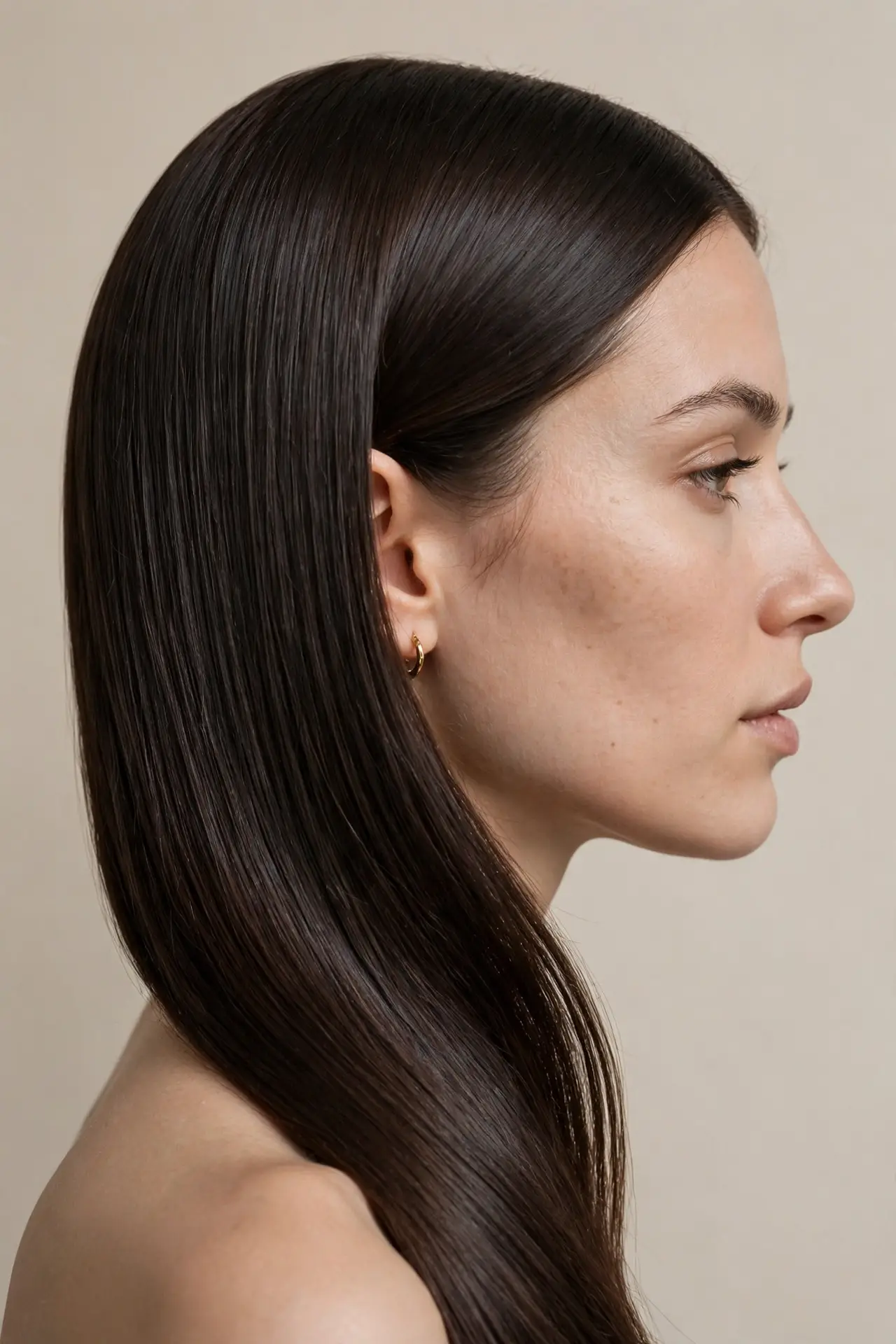
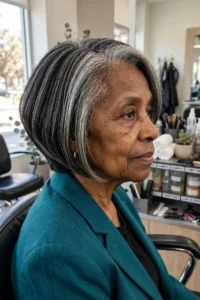
The ghost layers haircut is the haircut equivalent of a great secret. It gives you all the movement, lightness, and swing of layers with none of the visible choppiness. From the outside, your hair looks one length. Underneath, hidden layers do all the work.
It is the cut stylists recommend when clients say they want layers but are scared of them. No harsh lines, no thin ends, no dramatic shape change. Just hair that moves better.
Here is what the technique is, the three names your stylist might use, how it adapts to fine versus thick hair, and exactly what to say in the chair.
What Is the Ghost Layers Haircut?
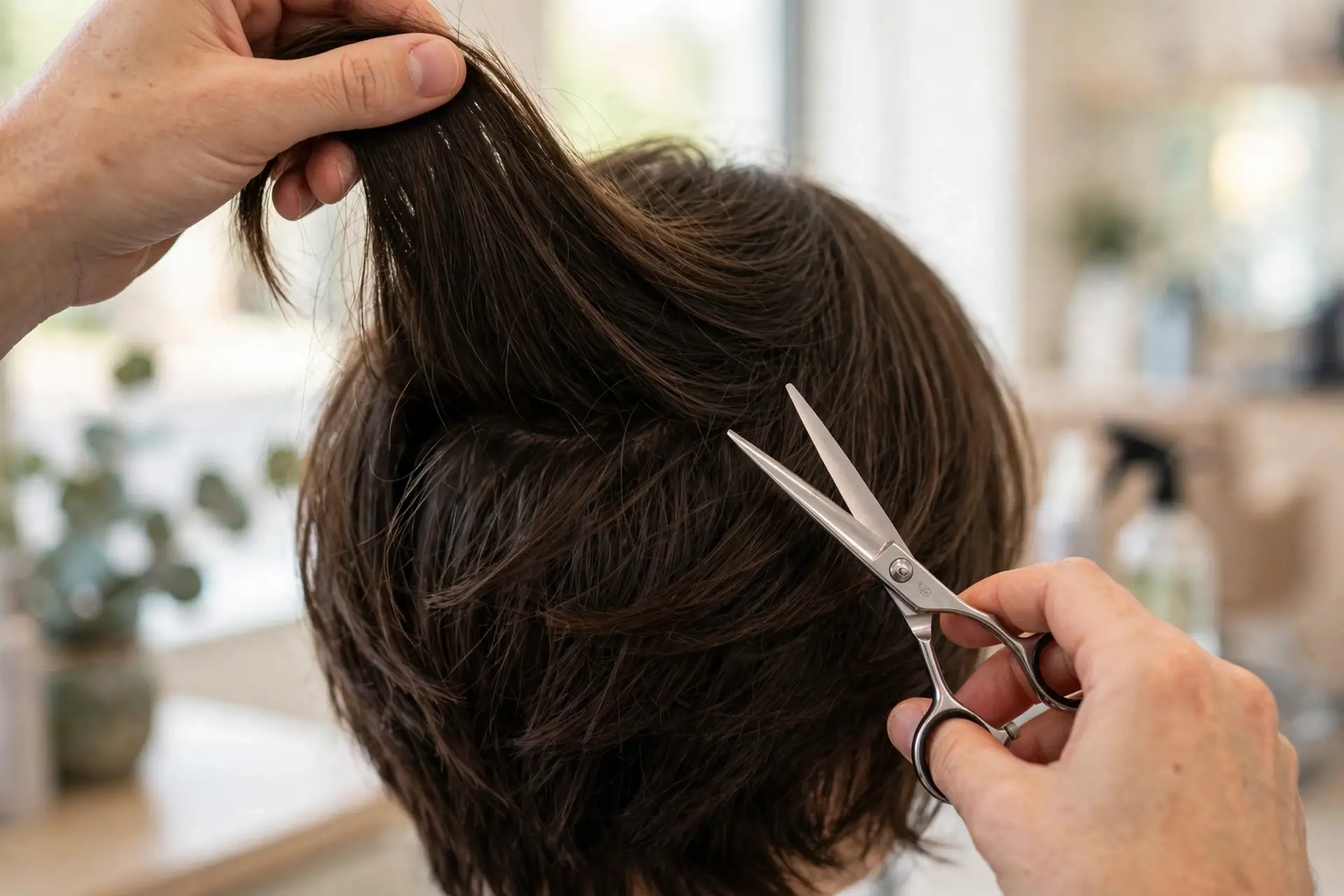
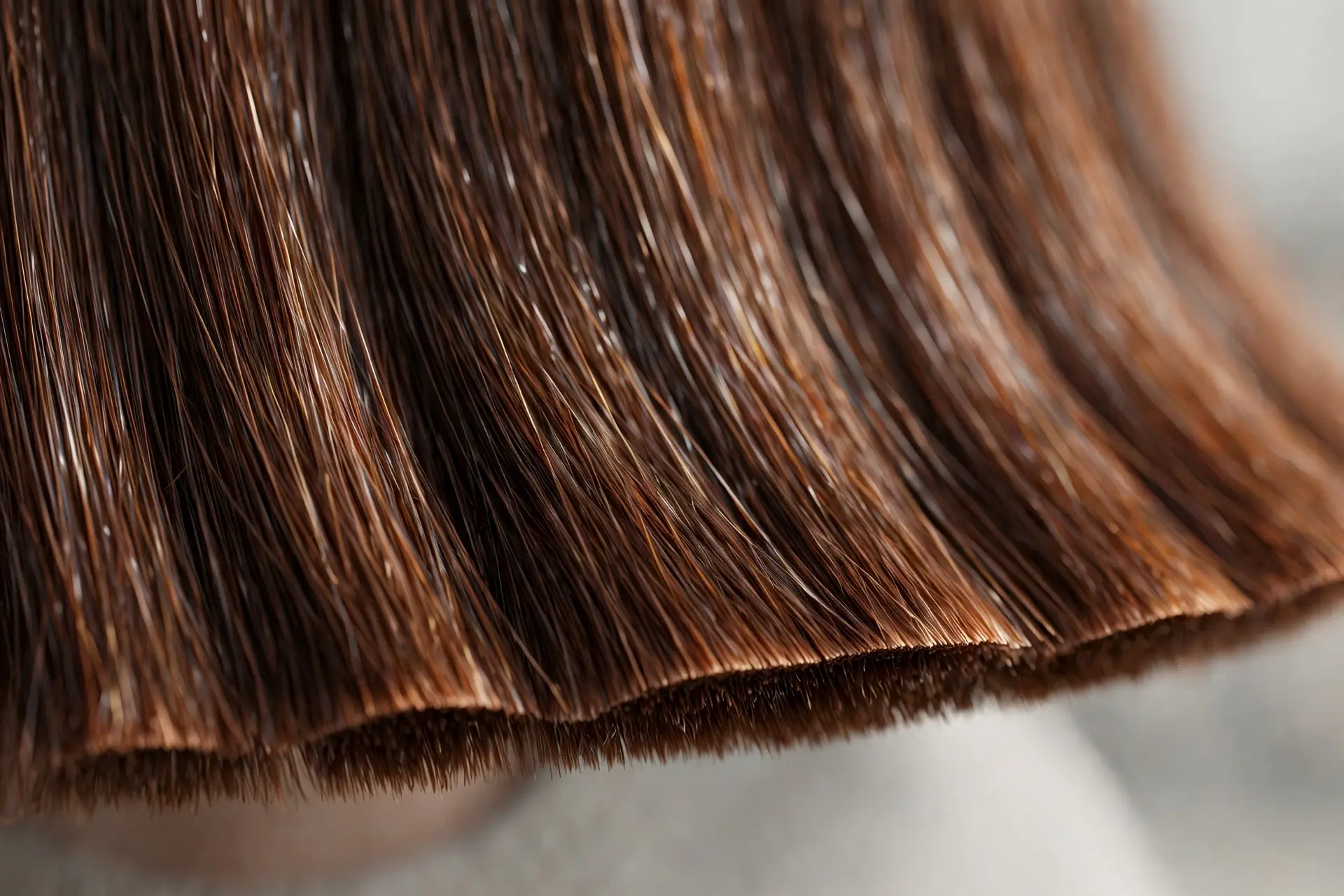
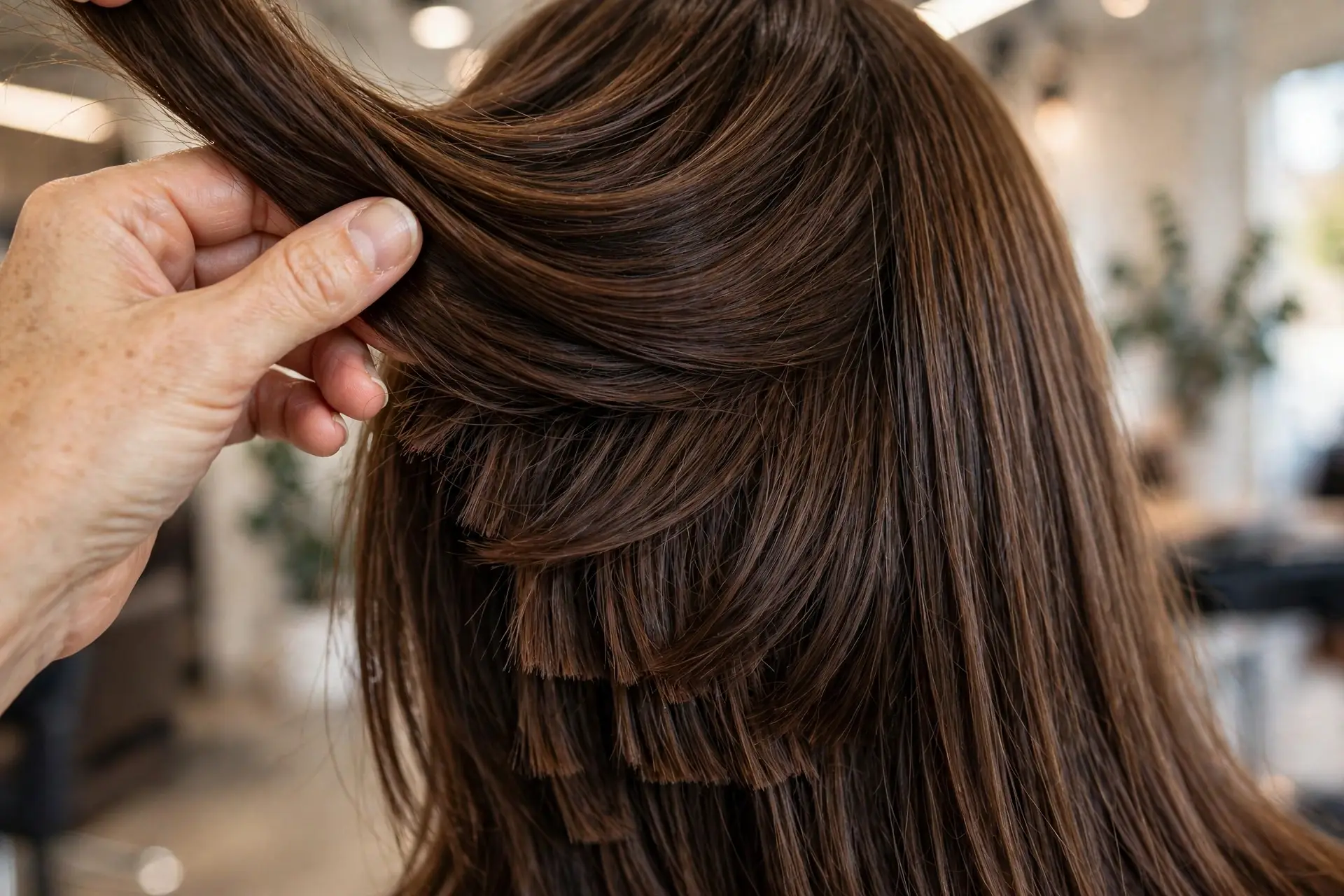
Ghost layers are short layers cut into the interior of your hair, hidden underneath a longer top layer. Your stylist lifts the top section out of the way and cuts the hair beneath it shorter, then lets the top fall back over everything.
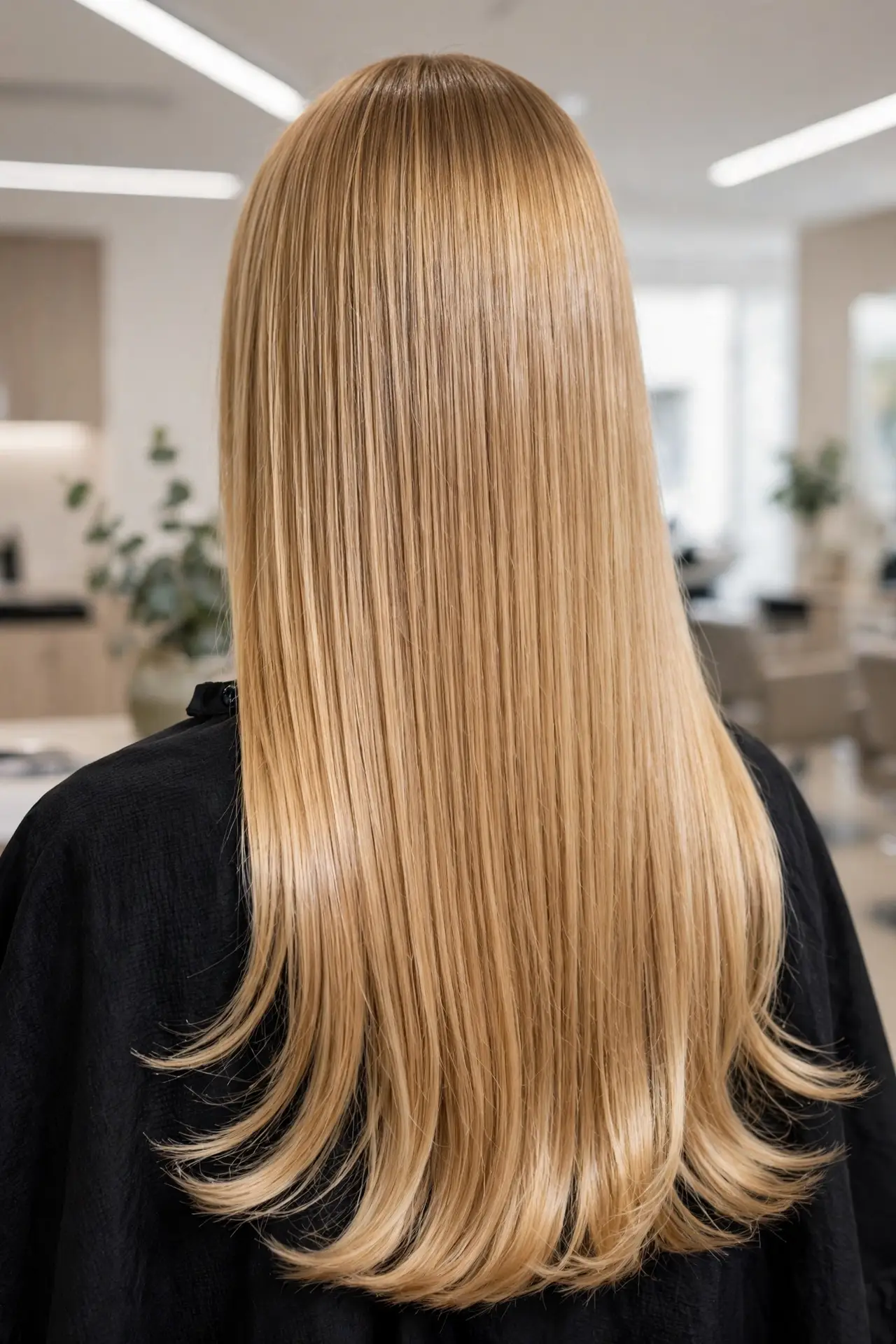
The result is invisible from the outside. The top layer keeps its full length and clean perimeter, while the shorter pieces underneath remove weight and create movement. When you walk or turn your head, the hair swings and separates in a way one-length hair never does.
Think of it as layering from the inside out. Traditional layers sit on the visible surface; ghost layers live underneath, so you feel their effect instead of seeing it.
The 3 Names Your Stylist Might Use
This technique goes by a few names, so it helps to know all of them before your appointment.
Ghost layers is the social media name: layers you cannot see. Show your stylist a video labeled ghost layers and they will know what you mean.
Invisible layers is the salon-friendly term many stylists prefer. Some use it exclusively and may not recognize the trendier name.
Internal layers is the oldest name, taught in cutting academies for years as a weight-removal method. A classically trained stylist probably learned this term.
All three mean the same thing: shorter interior pieces concealed under a longer top layer. Use whichever name your stylist responds to, backed by a clear description.

How Ghost Layers Differ From Regular Layers
Regular layers change your hair’s silhouette. You see where each layer starts, the ends turn piecey, and the shape becomes visibly textured. That is the point, and it looks great on the right person.
Ghost layers change how hair behaves, not how it looks. The perimeter stays blunt and full, with no visible steps or feathered surface ends. Anyone looking would call it one length.
The trade-off is drama. If you want a choppy, piecey look, ghost layers will disappoint: they are behind-the-scenes, not a visible style. What you get is hair that feels lighter, dries faster, and moves with a softness that reads as healthy.
They also grow out more gracefully than surface layers. But first, the two hair types that benefit most need different versions of the cut.

Ghost Layers for Fine Hair
Fine hair and layers have a complicated history: surface layers can make fine hair look thinner, since every visible layer removes density from the outline. Ghost layers solve this exact problem.
Because the layering happens underneath, the perimeter keeps every strand and your ends still look full and blunt. The interior layers just remove a little mid-length bulk so hair does not sit flat against your head.
The key for fine hair is restraint: keep interior layers long, removing only enough weight to create lift. Aggressive interior cutting backfires, since the top layer collapses with nothing supporting it.
Ask for soft, minimal interior layering and stress that full ends are the priority. The mid-length haircut for thin hair guide has more shapes that protect density while adding movement.

Ghost Layers for Thick Hair
Thick hair is where ghost layers truly shine. Density is the whole problem: heaviness, endless drying time, and a solid curtain with no shape.
Interior layers remove weight exactly where it causes trouble. Shorter pieces underneath take out bulk without touching the surface, so hair keeps its length but loses the heaviness. Drying time drops, and hair starts to move instead of hanging.
For very thick or coarse hair, stylists can cut the interior more generously. The dense top layer conceals plenty of interior work, and some stylists add subtle texturizing through the interior for extra lightness.
The result is hair that still reads as thick and healthy but behaves like it is half the weight. If your hair has ever felt like wearing a helmet, this is the fix.

What to Tell Your Stylist: The Exact Script
Walk in with clear language and you will walk out with the right cut:
Start with the concept: “I want interior layering, with shorter layers underneath and the top layer left long.” One sentence, and your stylist knows the technique regardless of what they call it.
Then state your priority. For fine hair: “Keep my ends looking full and blunt; I just want movement underneath.” For thick hair: “Remove as much interior weight as you can without changing my length.”
State what you do not want: no visible surface layers, no thinned perimeter, no textured ends. This prevents the most common miscommunication, which is walking out with regular layers.
Bring a reference photo or video that shows hair moving, not just sitting still. Ghost layers are about motion, so a clip of hair swinging tells your stylist more than a static photo ever could.
If you love visible layering too, our butterfly haircut guide covers the opposite approach: bold surface layers with maximum texture.
Styling Ghost Layers at Home
Ghost layers make styling easier, not harder. The cut does the work, so your routine stays simple.
Air drying improves immediately. With less interior weight, hair dries faster and falls with natural separation. Scrunch lightweight mousse into damp hair and let it do its thing.
For a blowout, focus on the roots. Lift at the crown with a round brush and let the interior layers create the movement; you do not need to curl every section the way a blunt cut demands.
Flat iron users should keep ends straight and clean. Piecey, bent ends fight the invisible-interior aesthetic, so go one pass, smooth and sleek, and let the hidden layers show in the swing.
Go easy on heavy products. Thick oils and butters weigh down exactly the interior lightness the cut created. A light leave-in and a flexible spray are plenty.

Grow-Out: What Happens Over Time
Grow-out is the ghost layers haircut’s secret superpower. Hidden layers grow out without any of the awkward stages surface layers go through.
For the first couple of months, nothing visibly changes. The interior pieces lengthen but the top layer still conceals them, so hair just keeps looking like healthy one-length hair.
Around month three or four, the movement softens as interior layers catch up in length. No mullet phase, no weird flipping, no shelf of layers poking out. It just slowly becomes regular long hair.
Most people refresh every three to four months to keep the effect. But if you decide to grow everything to one length, you can simply stop cutting the interior and let it all even out. It is the lowest-maintenance layered cut there is.
For more long-hair layering ideas, layered hairstyles for long hair covers visible layering options when you want a change.

Ghost Layers Haircut FAQs
Will ghost layers work on short hair?
They work best at shoulder length and below, where the top layer can conceal the interior cutting. On very short hair there is not enough coverage, so the layers stop being invisible.
Do ghost layers thin out your hair?
They remove interior weight, which is different from thinning the perimeter. Your ends keep their fullness. On fine hair, an experienced stylist keeps the interior work minimal so density is protected.
How often do I need a trim?
Every three to four months keeps the movement fresh. The perimeter can go longer between trims since it stays blunt, but the interior effect softens as the layers grow.
Ghost layers vs long layers: which should I choose?
Choose ghost layers for invisible movement with a clean, full perimeter. Choose long visible layers for texture and shape you can see. They solve different problems; some people eventually try both.