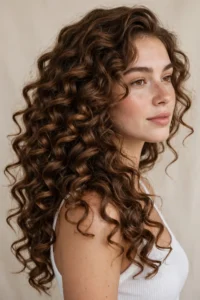
Fall changes the rules for curly hair. The humidity that kept curls plump all summer drains out of the air, scarves start rubbing at the nape, and the style that behaved in September can look tired by October. None of that means putting your curls away until spring.
It means styling them for the season you are actually in. The fall curly hairstyles below lean into cooler weather instead of fighting it: richer moisture under every style, shapes that survive a hat, and warm color that sits well against fall clothes.
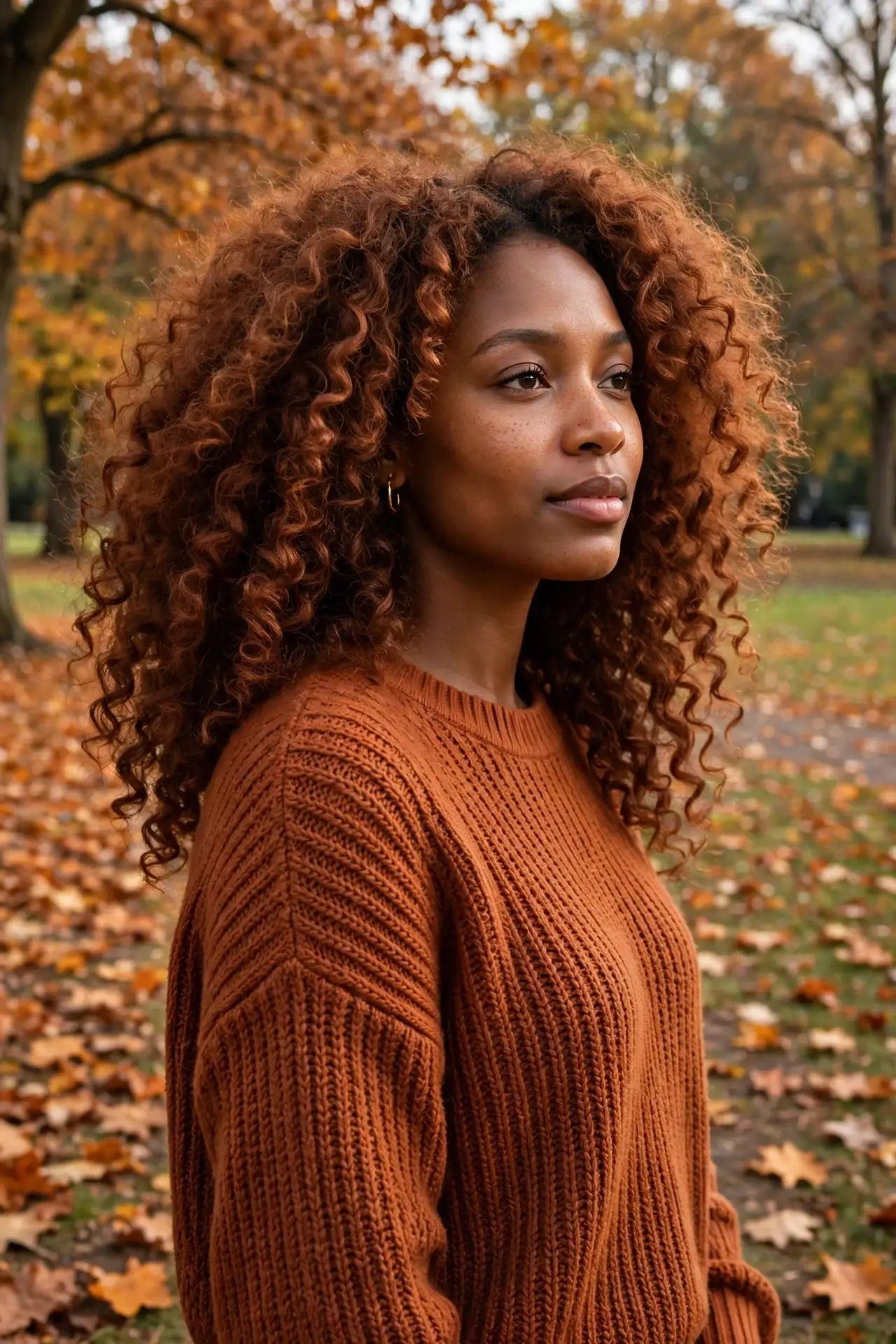
Table of Contents
The Seasonal Shift Your Curls Feel First
Summer curls live on airborne moisture. Fall air holds far less of it, so curls hand their water over to the room all day, and indoor heating takes whatever is left. The answer is not a brand new routine. It is a seasonal adjustment to the one you already have.
Swap the light summer leave-in for a richer cream, work a few drops of oil over the ends, and deep condition a little more often than you did in July. The year-round curly hair care routine covers the washing, styling and drying groundwork; everything here builds on that base with the fall layer added.
Defined Curls, Worn Loose and Rich
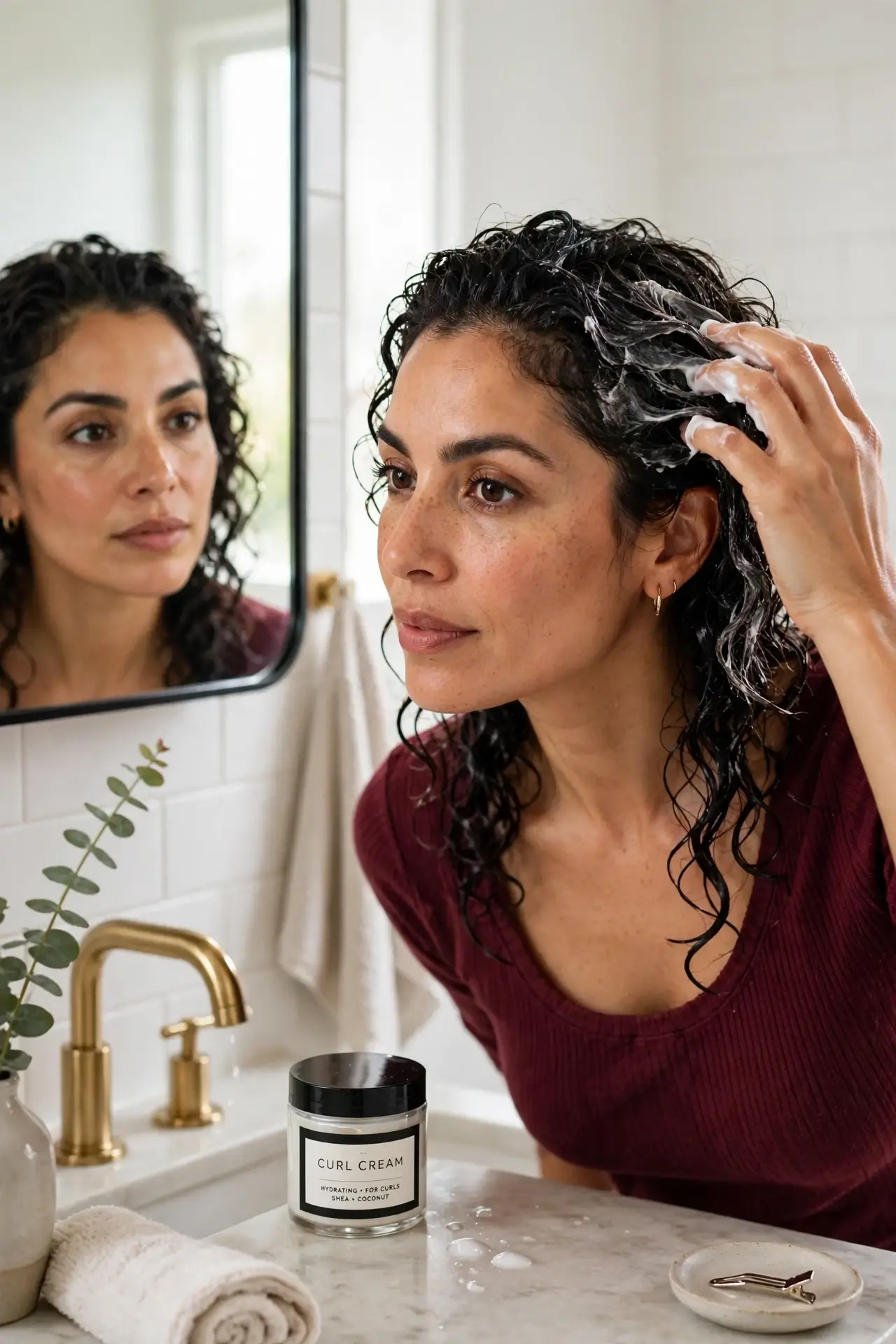
The wash-and-go does not retire in fall; it just gets dressed warmer. Of the fall curly hairstyles in this roundup, it is the everyday one: style on soaking wet hair with a cream under your gel instead of a leave-in alone, and let the cast set fully before you scrunch it out. That extra richness is what carries loose curls through a dry, heated office day.
Warm color does similar work on the visual side. Copper, chestnut and cinnamon tones woven through curls catch low autumn light beautifully and make the whole head look glossier, even on day three. If you color, ask for the brightness around the face and through the ends, where curls show movement.
Half-Up Curls With a Claw Clip
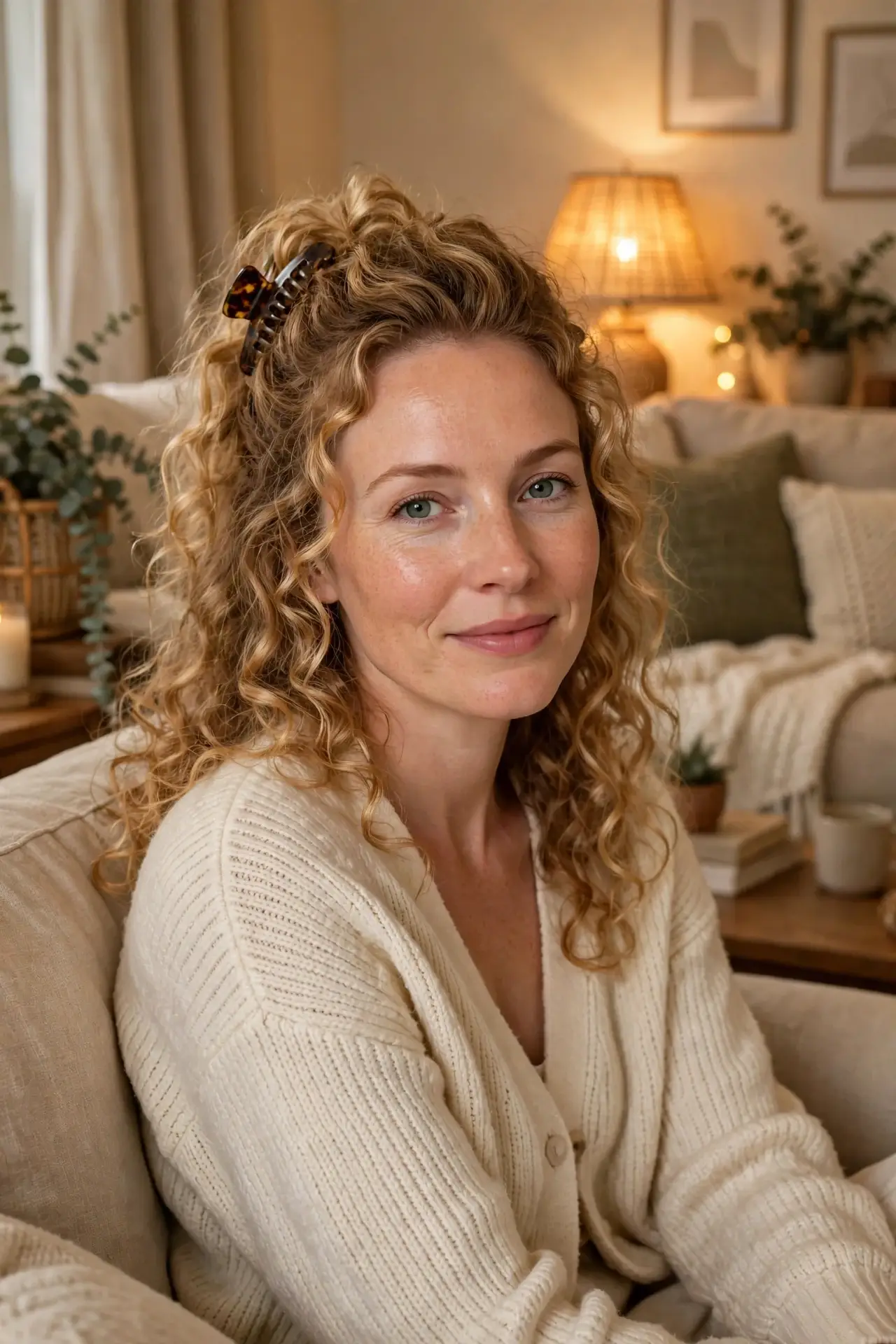
Half-up is the style that solves fall’s two annoyances at once: it lifts curls off coat collars and keeps the front neat when wind starts tossing the top layer around. Gather the crown section, twist it once, and clip it at the back of the head.
Leave the front pieces out and let them fall where they want to. A claw clip grips curls without the dent a tight elastic leaves, and it comes out at night without snagging. On shorter curls, clip one side back instead and call it the same idea with less hair to gather.
The Braided Crown on Curls
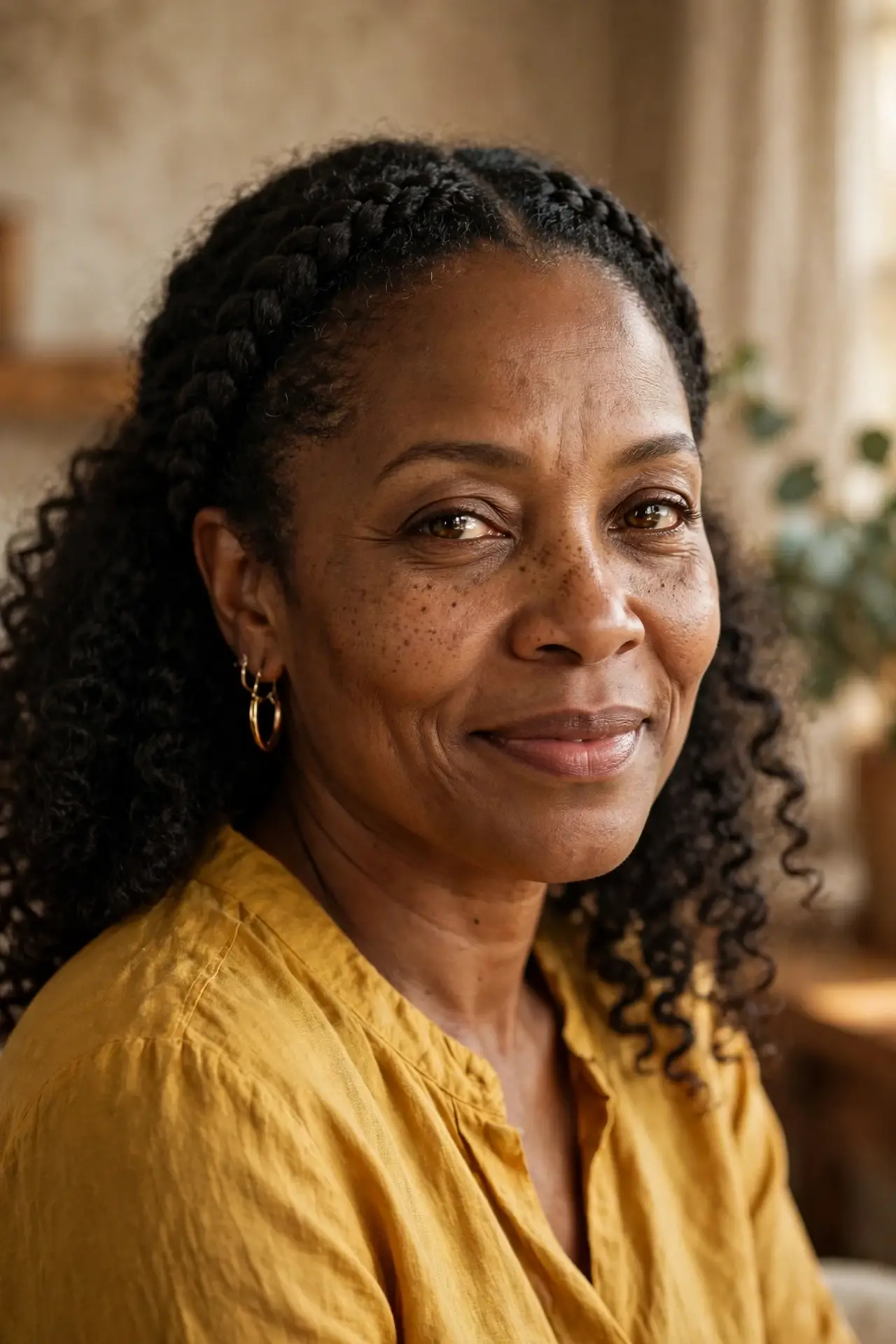
A braided crown turns fall’s frizz-prone front sections into the neatest part of the style. Braid along the hairline from one ear to the other, working with the curl rather than against it, and pin the tail down behind the opposite ear. The rest of the hair stays loose and full behind it.
Curly texture gives this braid its grip, so it holds without a shell of hairspray. It also keeps the edges protected on scarf days, when fabric would otherwise rough the hairline up by lunchtime. Slightly loose braiding looks better here than a tight plait; the softness is the charm.
The Soft Curly Updo
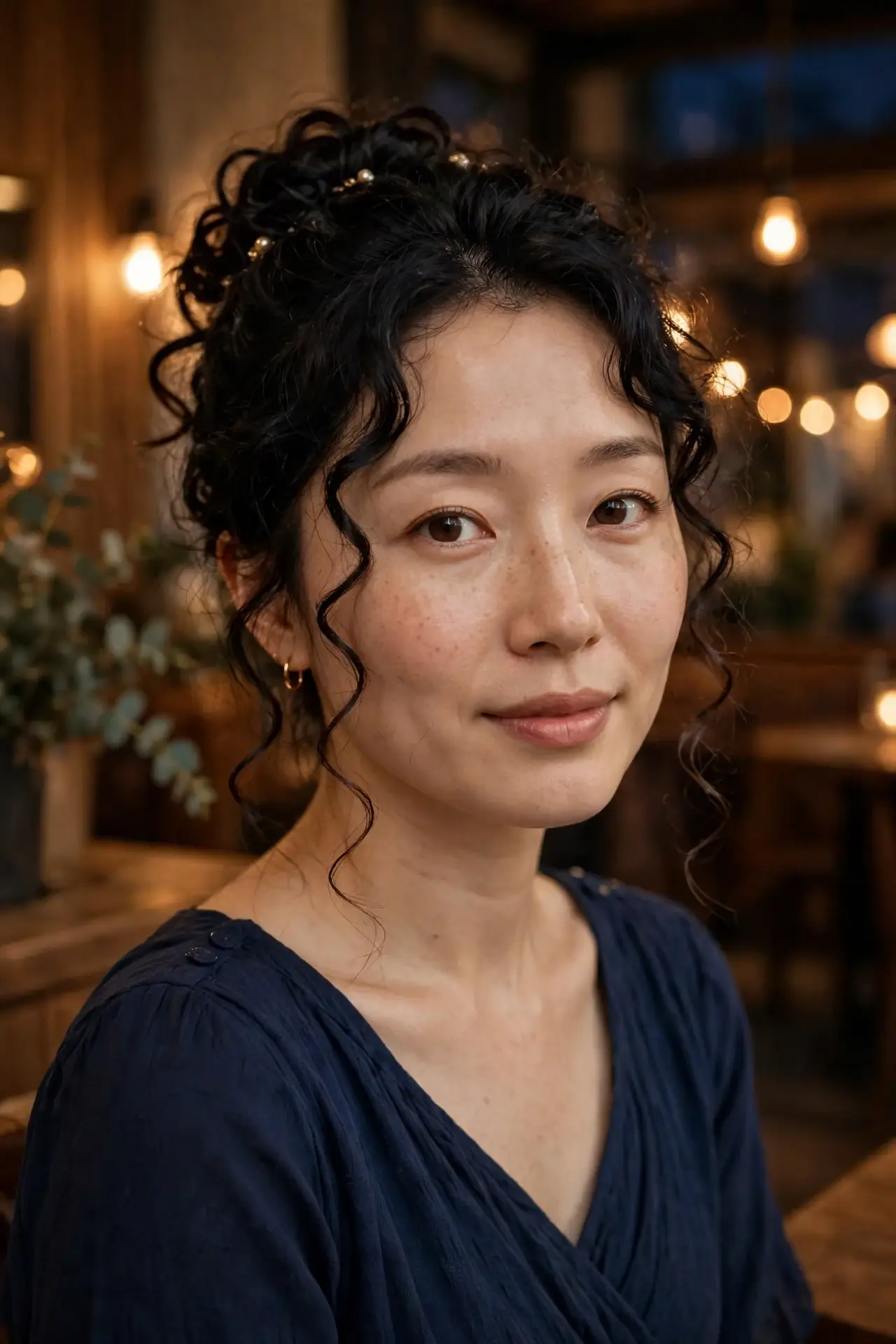
Fall calendars fill with dinners and parties, and curls do formal without a straightener in sight. Gather the hair loosely at the nape or the crown, twist it up, and pin it in sections rather than one tight knot. Pull a few pieces free around the face and let them be.
Pin each curl cluster where it already wants to sit, and the shape holds without pulling. A soft updo like this also forgives day-two hair, because a little lived-in texture reads as part of the style. Finish with a light mist of water on any piece that has gone fuzzy, and reshape it with your fingers.
Scarf-Wrapped Curls
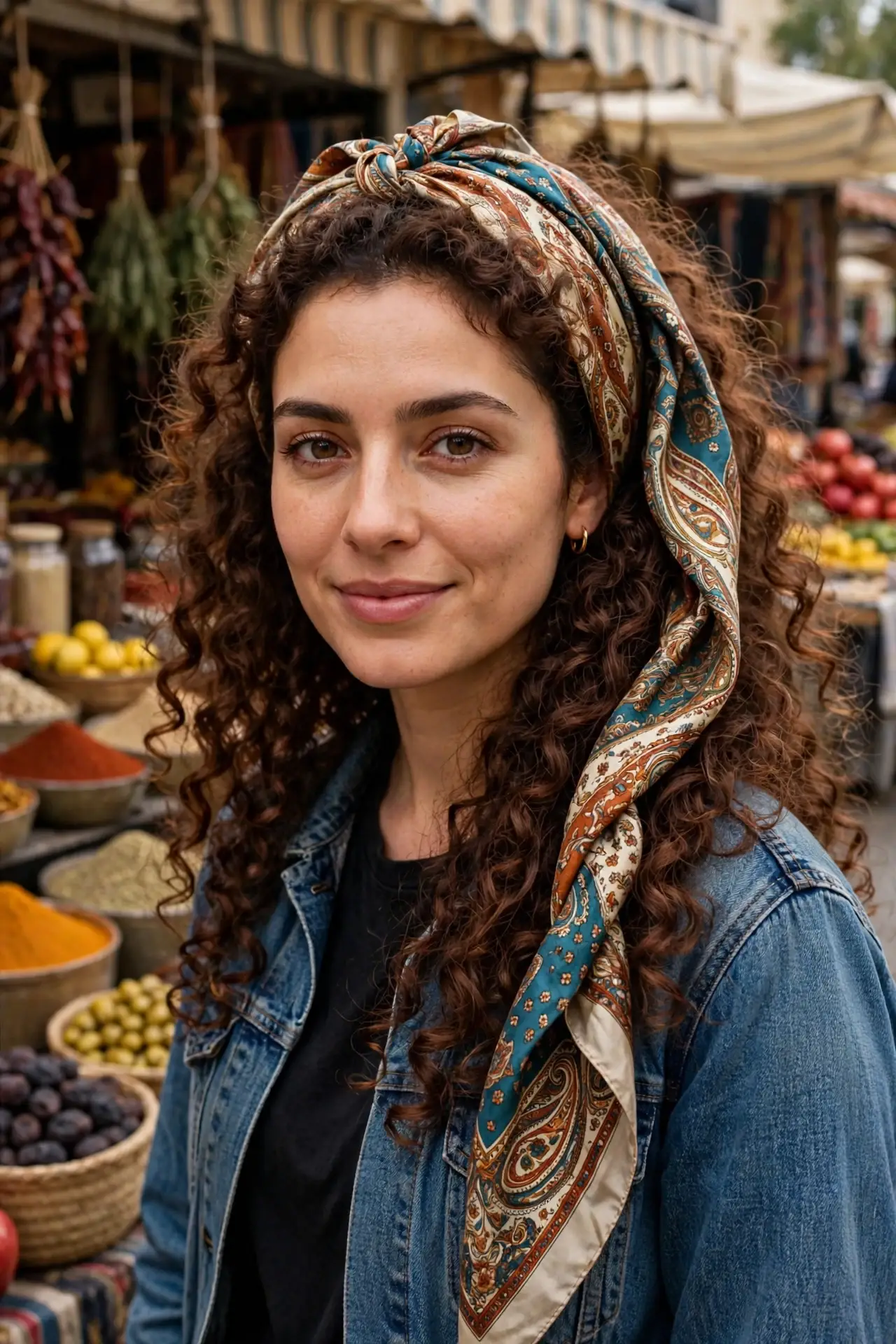
A silk or satin scarf is fall’s most useful hair accessory: part decoration, part wind shield. Fold it long, settle it over the top or tie it at the crown with the ends trailing into your curls, and loose hair behaves in weather that would usually wreck it.
Fabric choice matters more than the knot. Silk and satin slide over curls, while cotton and wool grip and frizz them, so save the knit scarves for your neck. Tying the scarf over a pineapple, with the curls piled high inside it, doubles as protection on a blustery walk home.
Hat-Friendly Curls That Bounce Back
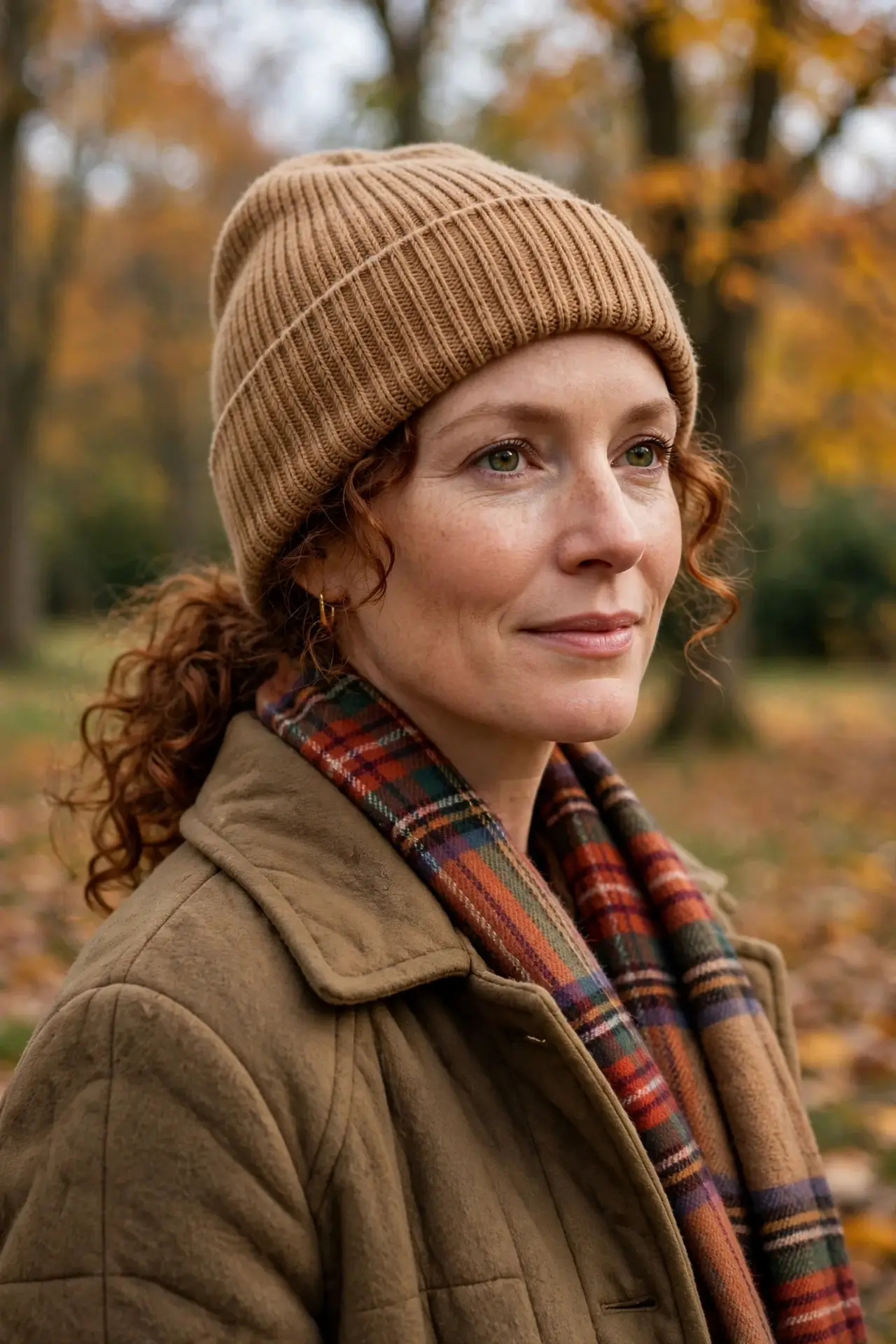
Hats and curls can share a season if the hair goes under the hat in the right shape. Styles worn low do best: a low ponytail, two loose braids, or a flat twist at the nape all slide under a beanie without crushing the crown. Save the big defined wash-and-go for hat-free days.
A satin-lined hat, or a thin silk scarf worn under a wool one, cuts the friction that flattens and frizzes the top layer. When the hat comes off, flip your head forward, shake the roots with your fingertips, and give flat spots a mist of water. Curls styled low spring back far faster than curls that were squashed at full volume.
The Curly Shag, Cut for Fall
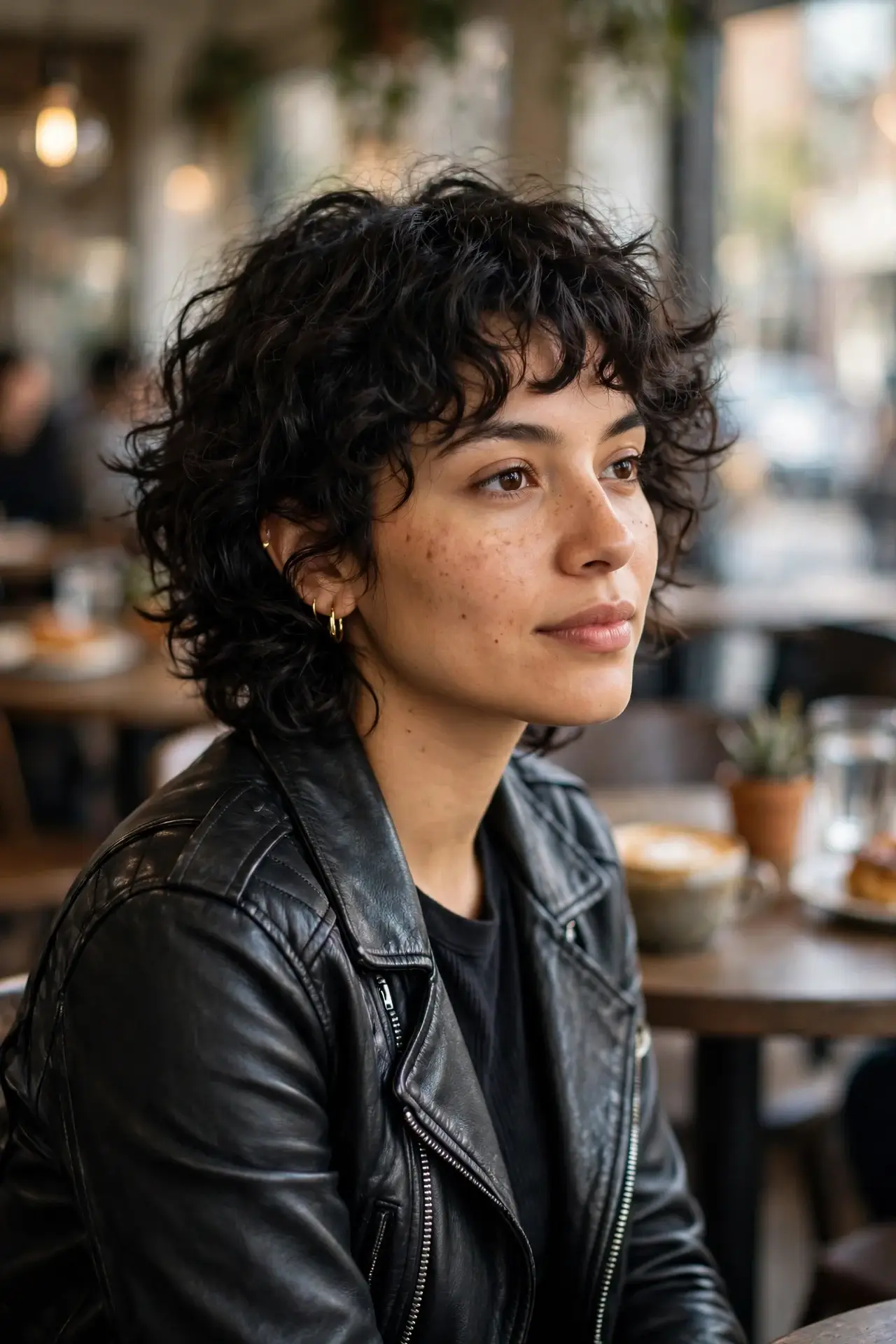
If you are booking one cut this season, the shag earns the chair time. Shorter layers around the crown lift curls that summer length dragged down, bangs or face framing pieces soften the front, and the whole shape air-dries into place.
Fall suits it because the shag looks best a little undone, and dry air adds the separation that reads as texture rather than mess. Our curly shag haircut guide covers the cut itself in detail. For fall styling, lean on a cream rather than a mousse, and let scarves and collars push the layers around; this is one style they improve.
Side-Swept Curls With a Deep Part
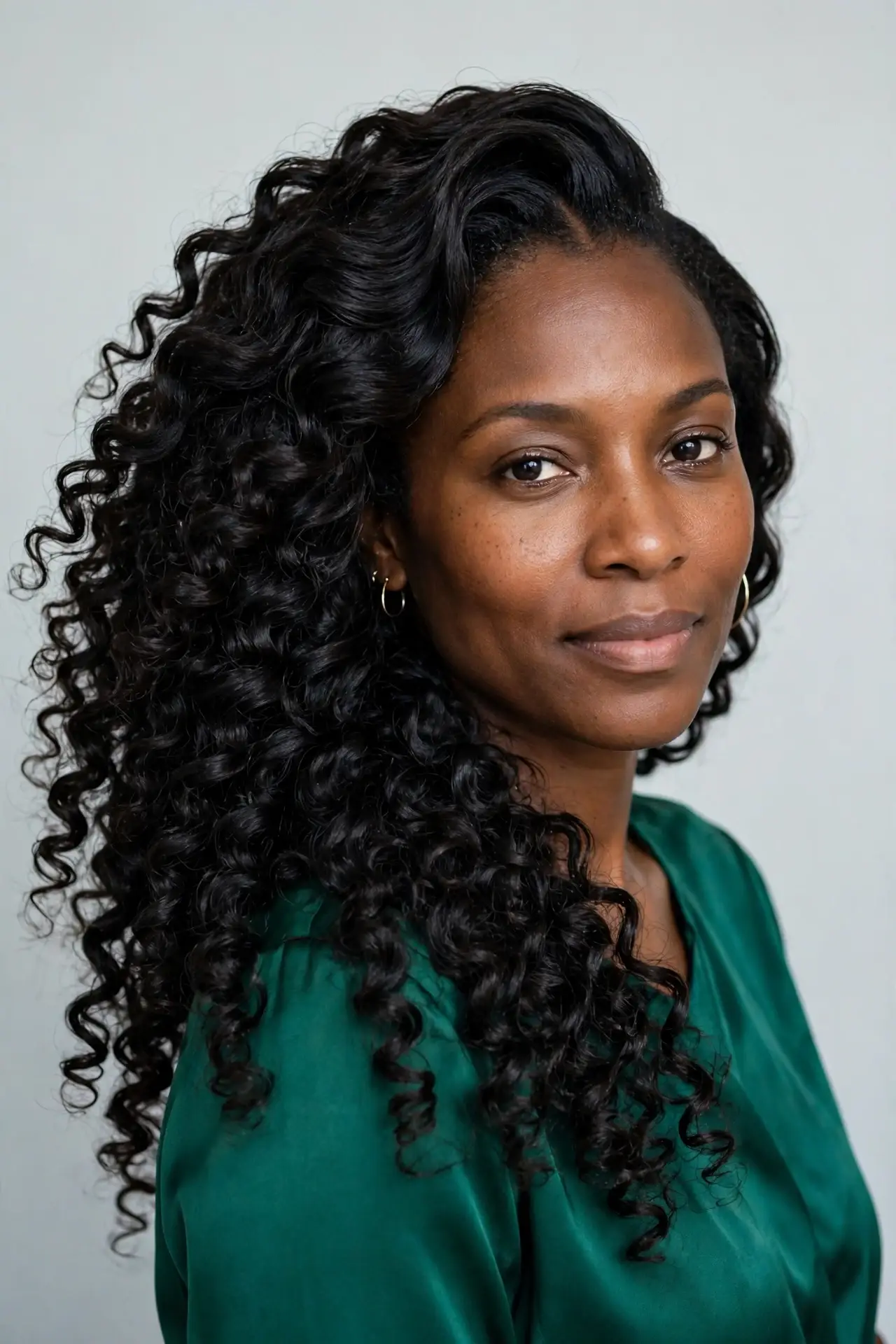
Moving your part is the fastest style change of the season, and it costs nothing. Push the part deeper than usual, sweep the bulk of your curls to one side, and the volume stacks up where it shows. Pin the flatter side behind your ear if it refuses to stay.
The sweep suits fall outfits, too: one bare shoulder balances a high neckline, and earrings get room to show. Because the hair is redirected rather than restyled, day-three curls handle it well, and a little water and gel along the new part line is all the prep it asks for.
Frizz Control When the Temperature Swings
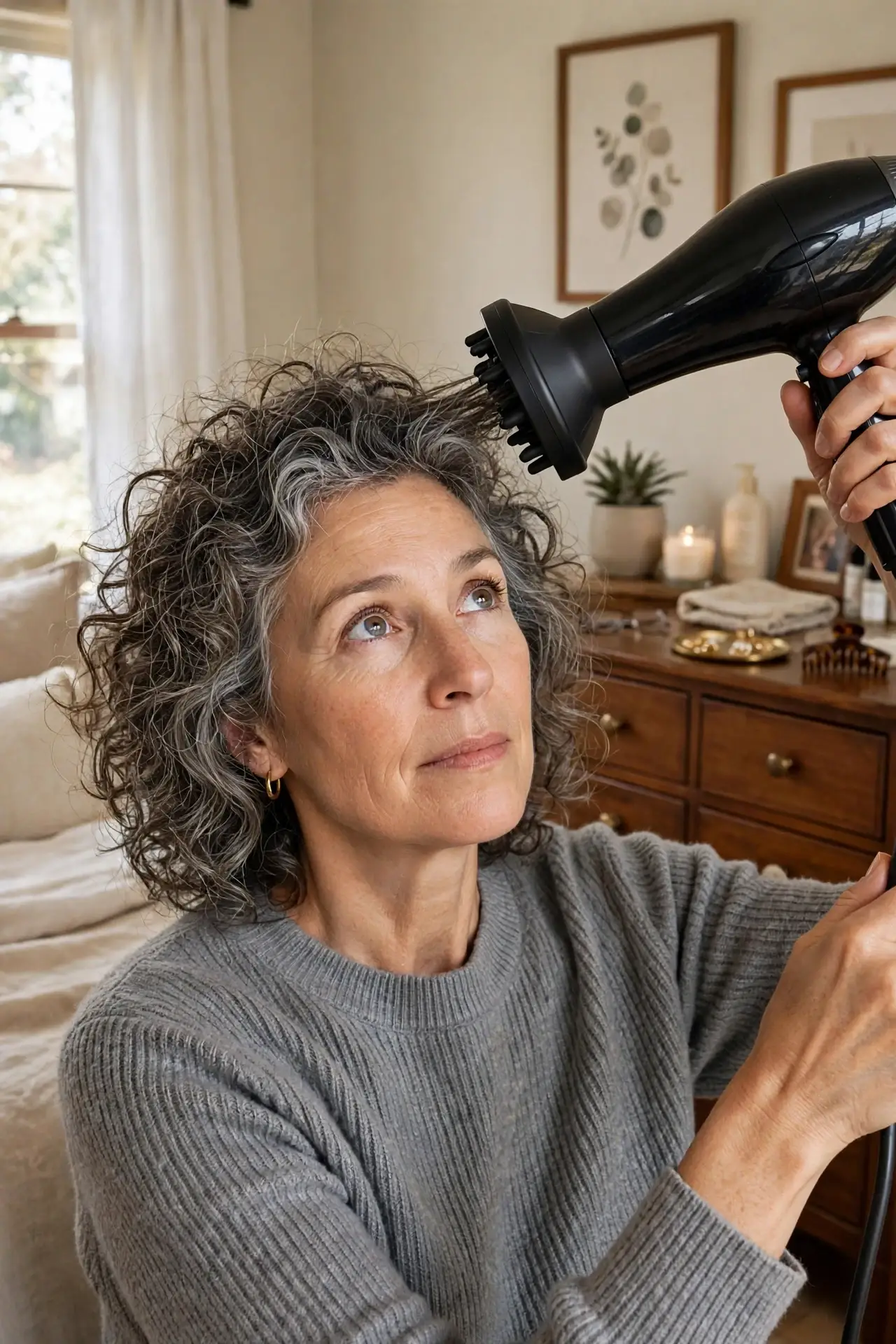
Fall days rarely pick one temperature. Cold mornings, warm afternoons and heated rooms pull moisture in and out of curls by the hour, and frizz is the receipt. Styles from this list help, because pinned, braided and wrapped hair has less loose surface to puff up.
Product order helps the rest of the time: moisture first, hold second, and hands off until the hair is fully dry. The American Academy of Dermatology’s healthy hair tips back the gentle-handling side of this, since rough treatment lifts the cuticle on any hair type. On the worst swing days, refresh only the frizzy sections with water and a pea of gel instead of restyling the whole head.
Quick Answers
How do I stop a hat from ruining my curls?
Wear the hair low and smooth under the hat, in a low ponytail, braids or a flat twist, and line the hat with satin or a silk scarf. When it comes off, shake the roots out and mist the flat spots.
Why do my curls get frizzier in fall?
The air turns dry while heating dries it further, so curls lose moisture all day. Richer creams, oil on the ends and more frequent deep conditioning close most of the gap.
Which colors suit curly hair in fall?
Warm tones flatter curls in low autumn light: copper, chestnut, cinnamon and warm chocolate. Placed around the face and through the ends, they make curls look glossier between washes.
How often should I deep condition in fall?
Once a week suits most curls once the heating comes on. Very dry or coarse curls may want a second shorter session; fine curls do better keeping it weekly so they are not weighed down.
Fall curly hairstyles work best when the season is treated as a styling partner rather than a problem. Keep the moisture richer, pick shapes that hats and scarves cannot wreck, and let warm color do the polishing. Your curls already have the volume everyone else is buying products to fake.