Pink looks easy in photos: pick a shade, paint it on, done. The photos skip everything around that moment: the lightening beforehand, the first careful wash, the slow fade, and the day you decide you are done.
Pink behaves differently from familiar colors. Brown and blonde dyes change the hair itself. Most pinks simply sit on top of it, and that single fact decides which shade you can have, how you get it, and how long it sticks around. Sort out the shade, the base, and the upkeep once, and pink hair stops being a gamble.
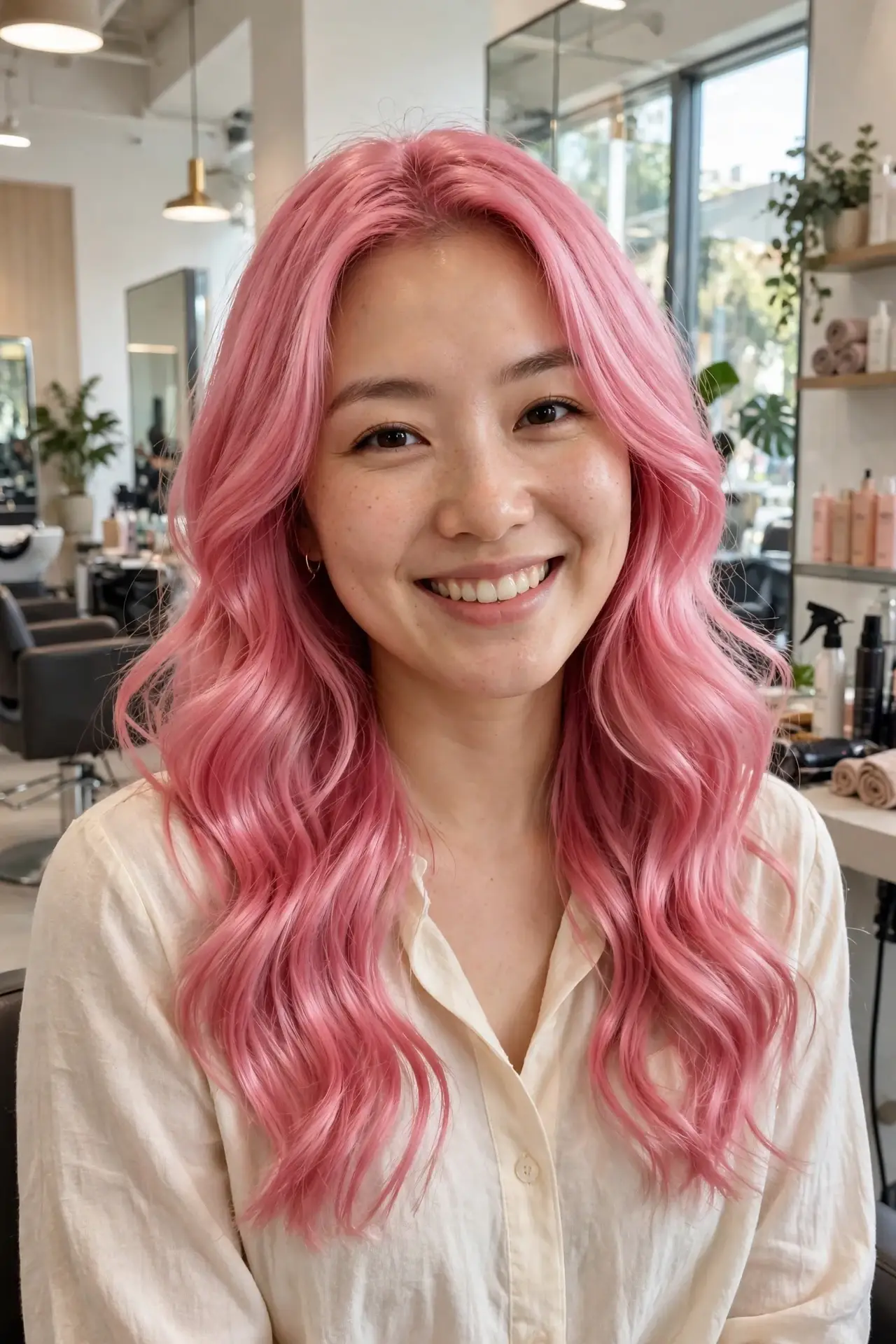
Table of Contents
The Shade Spectrum, From Whisper to Shout
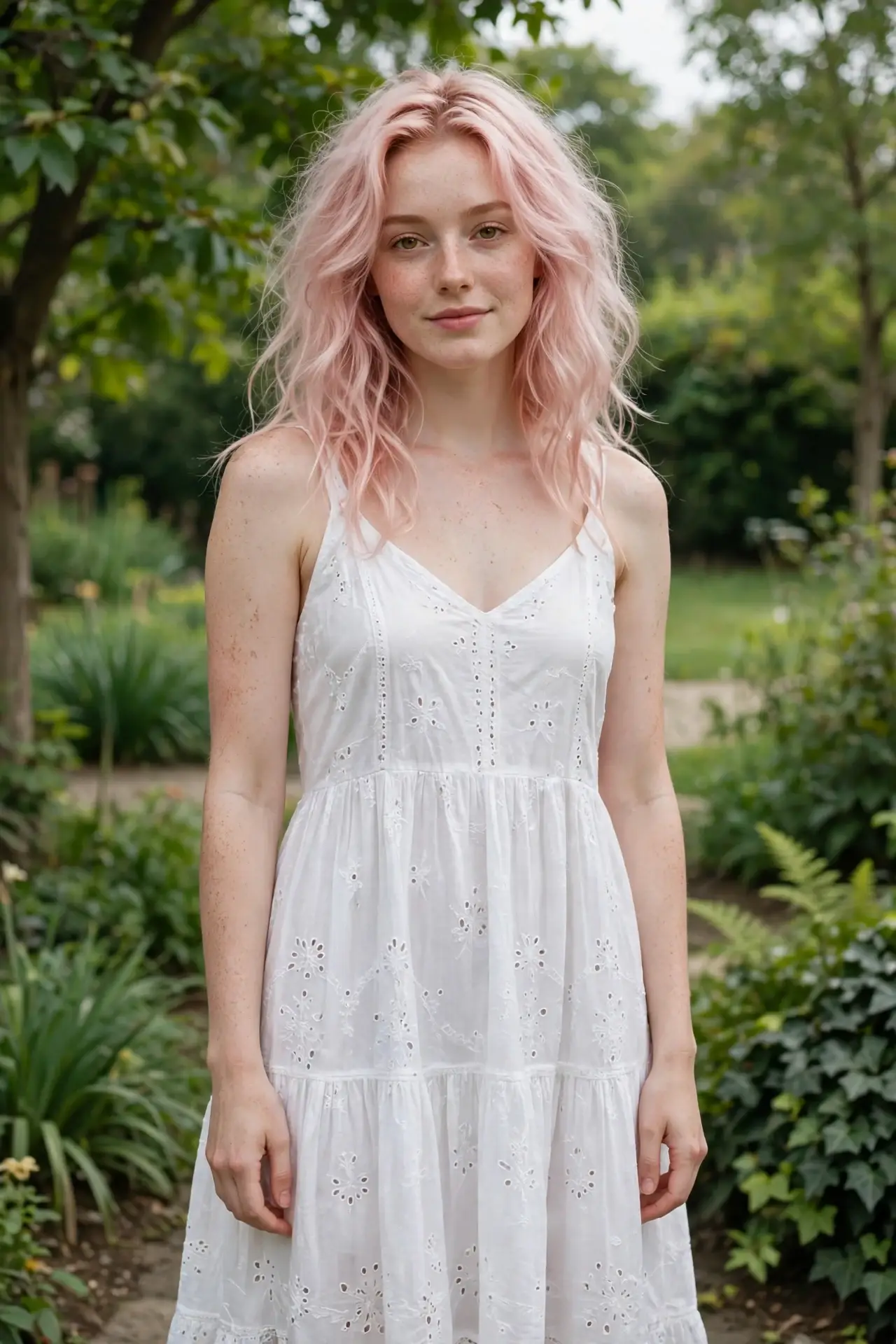
Pastel pink is the quiet end of the family: a wash of blush over almost white hair, soft enough for most offices. Bubblegum sits in the middle, clear and sweet, the shade most people picture when they picture pink hair. Rose gold warms the idea up with a metallic reflect.
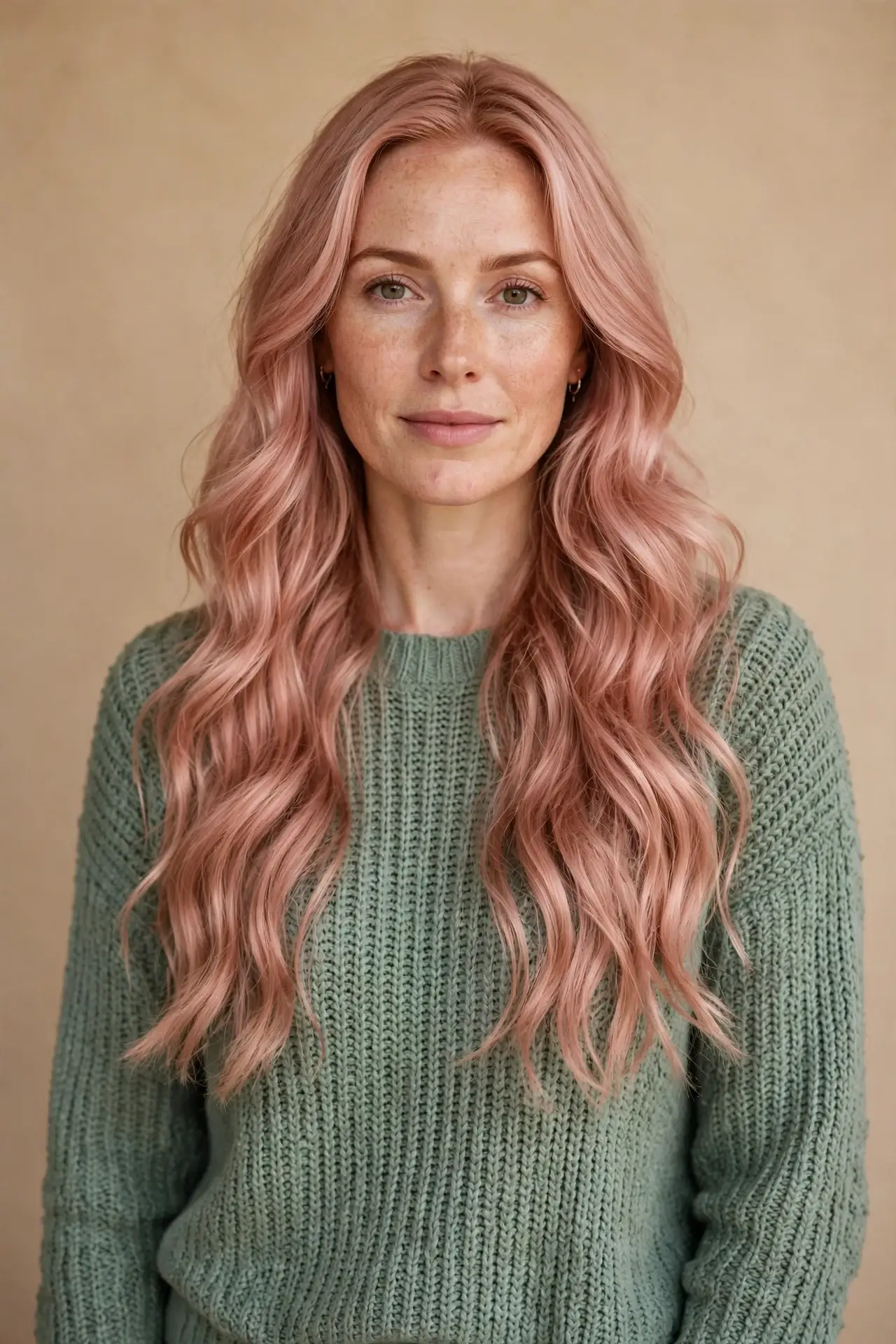
At the loud end, hot pink and magenta carry blue in their base and read cool, bright, and deliberate. Peachy pink runs warmer, coral leaning and gentle on golden skin. Then there is dusty rose pink hair, the smoky, muted cousin, which gets a full breakdown of its own. The bright doll pink behind barbie hair is bubblegum, worn glossier.
Matching a Pink to Your Skin Tone
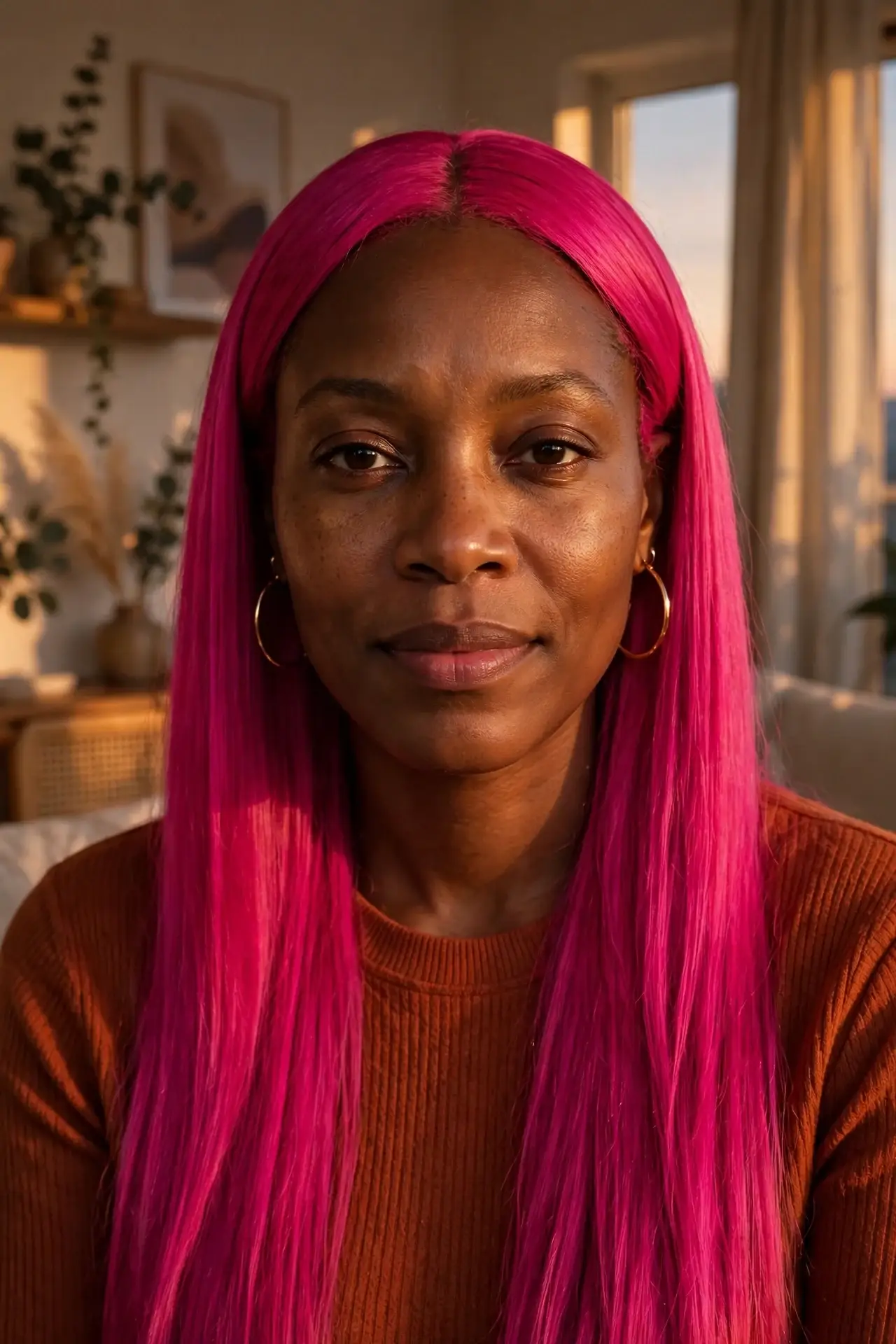
Undertone decides more than depth does here. Skin with cool undertones, the kind that burns before it tans and suits silver jewelry, carries blue based pinks beautifully: magenta, bubblegum, and icy pastel. Warm and golden skin glows next to coral, peachy pink, and rose gold, because those shades share its warmth.
Deep skin takes saturation well. A rich magenta or hot pink against dark skin looks striking rather than loud, while the palest pastel can read ashy against it. Fair skin suits pastel and dusty shades best. Before you commit, hold a shade swatch against your jaw in daylight. Your skin votes quickly.
The Base Rule Nobody Gets to Skip
Every pink you have ever admired started on light hair. Pink dye is translucent, closer to watercolor than paint. Lay it over a dark base and the base wins, showing through as mud or not at all. Pastel and bubblegum shades want hair lifted to a pale, creamy blonde first. Vivid magenta forgives more and can sit on a strong golden blonde, though orange underneath drags it toward salmon.
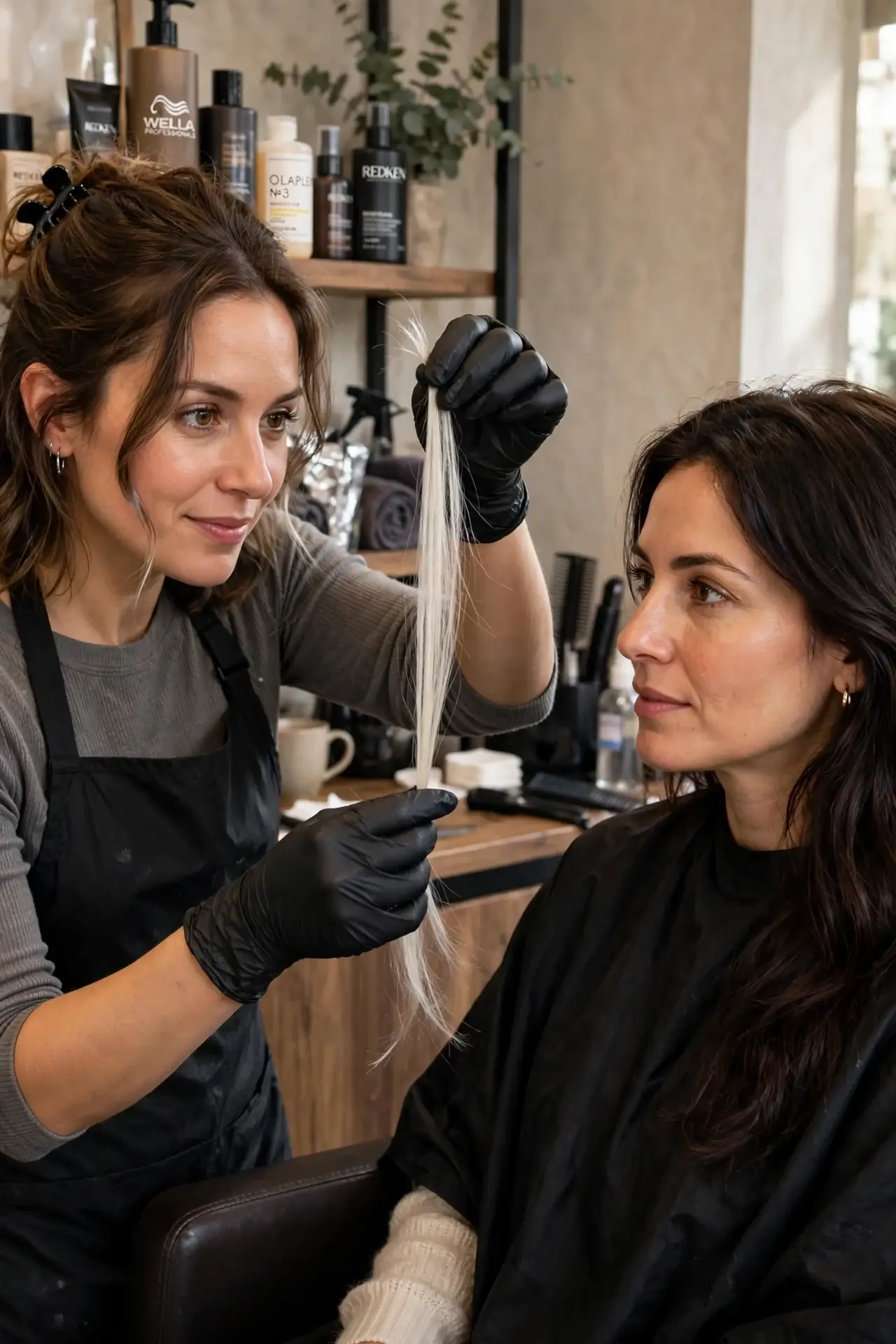
The honest question is never which pink. It is what your hair must do before the pink arrives. Natural blonde may need a gentle lift or none. Light brown usually takes one careful session. Dark brown and black hair should expect more than one round, with rest in between. Hair carrying old dye is the tricky case, because tint does not lift tint. The old color has to fade or come off first, and that part belongs with a professional.
Full Head, or Just a Piece of It
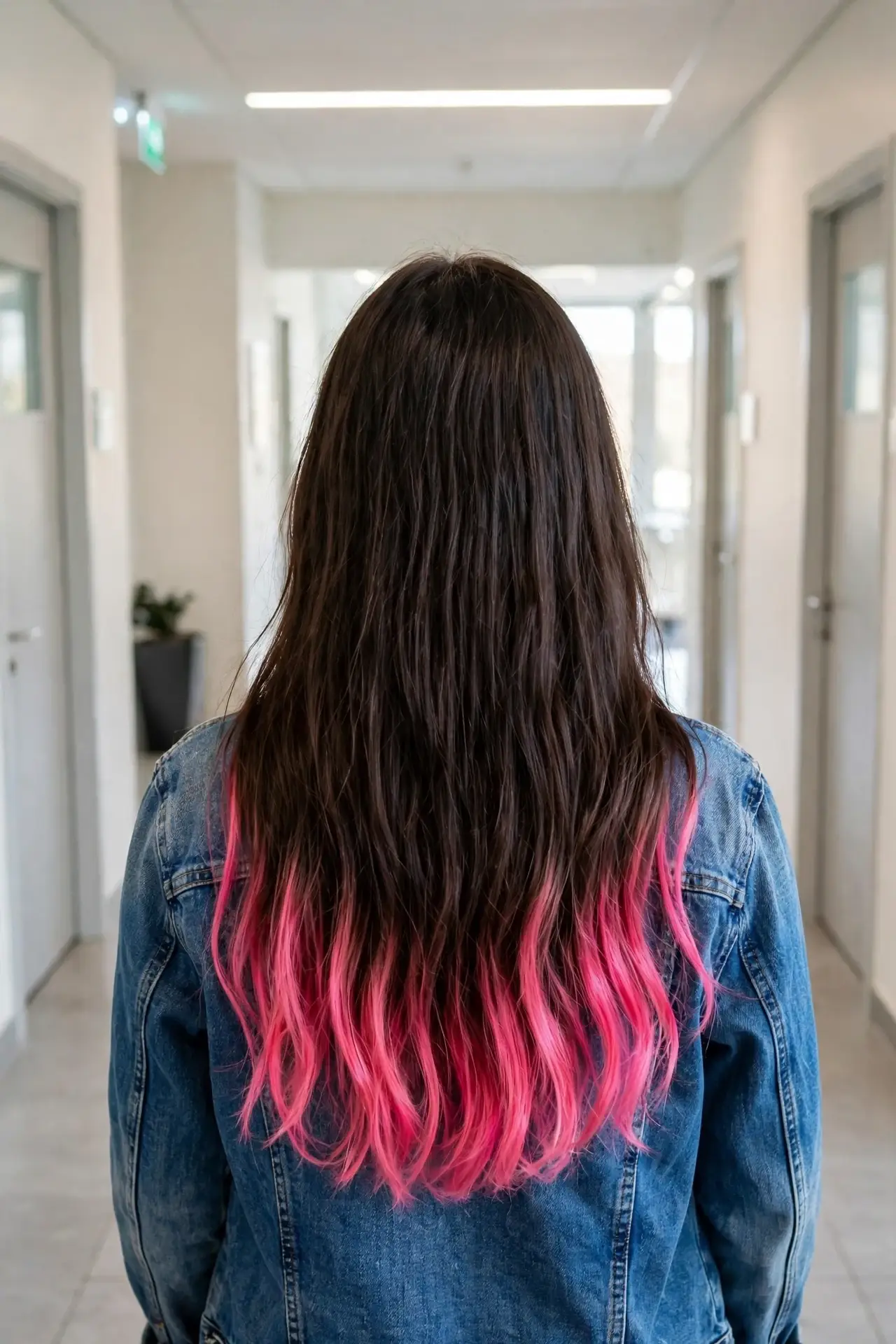
A full head of pink is the full experience and the full bill: all the lightening, all the upkeep, all the regrowth. Partial pink trades some drama for a kinder calendar. A pink money piece on brunette hair leaves your natural color everywhere else and puts the pink where faces get read. Pink dye streaks scatter ribbons of color through a base that stays entirely yours.
Dip dyed ends are the gentlest trial of all: only the tips get lightened, and one trim ends the experiment whenever you say so. If you have never worn a fashion color, start partial. You learn how pink behaves on your own hair before handing it your whole head.
Salon Chair or Your Own Sink
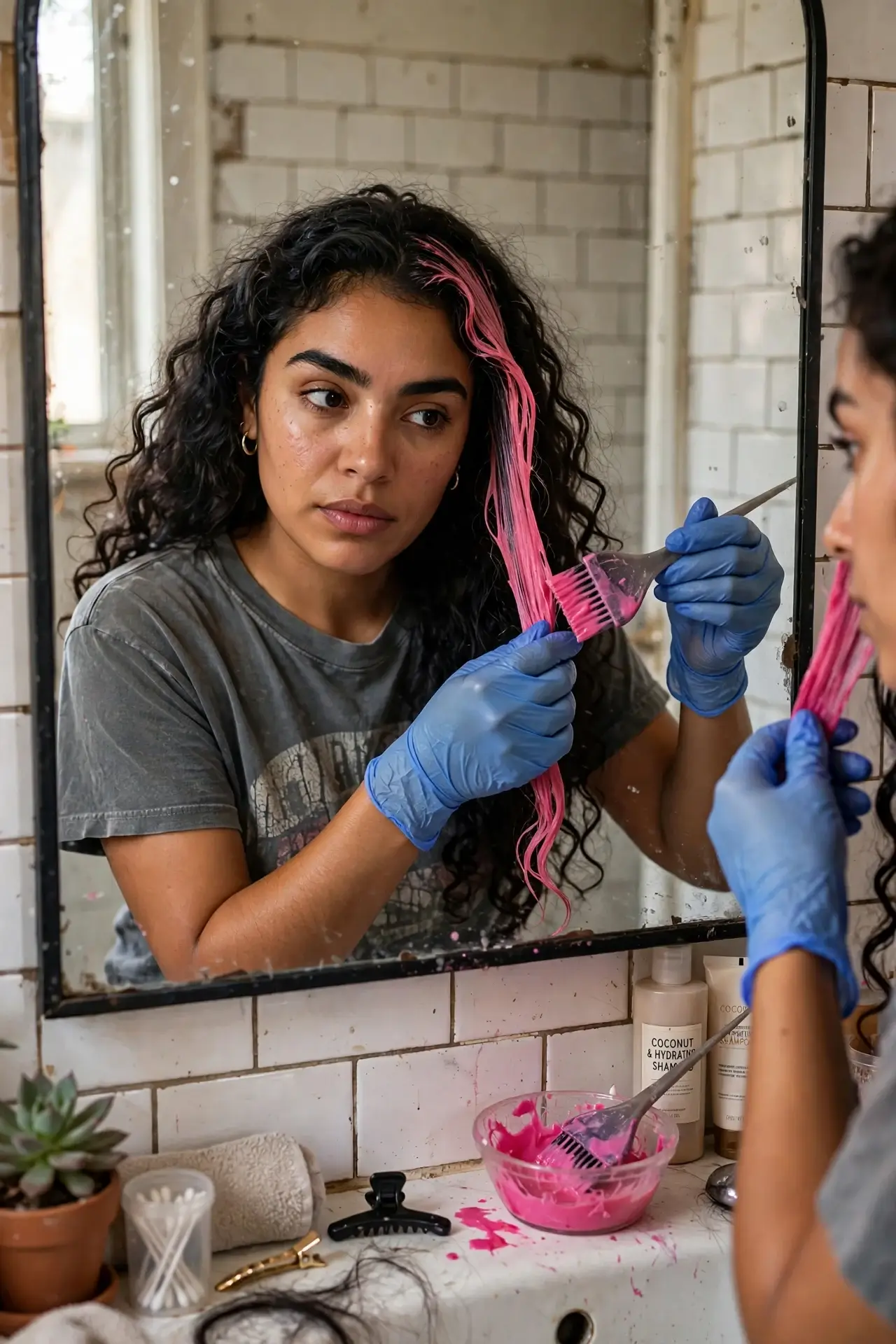
Split the job in two and the answer gets clearer. The pink itself is the friendly half. Semi permanent pinks are conditioning, carry no developer, and forgive slow, careful work at a mirror.
The lightening is the half that bites. Bleach over dark or previously dyed hair can band, break, or stall at orange, and fixing that costs more than the original appointment would have. A sensible split: pay a colorist for the lift and the first application, then handle refreshes yourself at the sink. If your hair is already light and healthy, the whole job can happen at home, strand test first.
How Pink Fades, Stage by Stage
Pink does not vanish. It walks down a staircase. Vivid magenta loosens into rose first, then into blush, and ends as a faint warm cast in the ends. On a pale base that whole trip can look deliberate at every stop.
Speed is the variable. Hot water, daily washing, and strong shampoo hurry the fade; cool rinses and fewer wash days slow it. Pastels run the staircase fastest and can be mostly memory within a couple of weeks. Deep magentas climb down slowly and may still be holding on, softly, a month or more later. Sunlight fades pink too, so bright days call for a hat.
Refreshing the Color Between Appointments
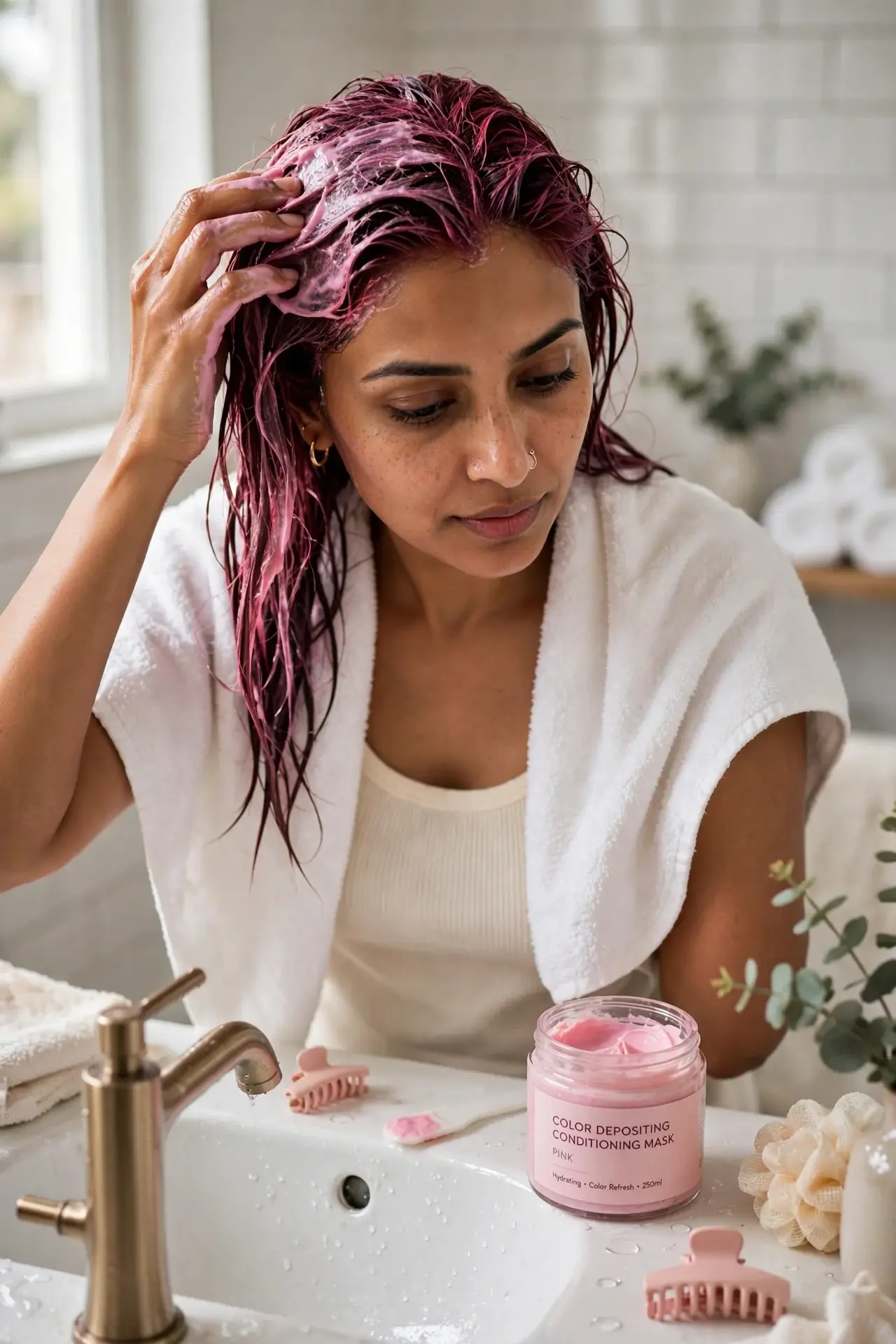
A pink depositing conditioner changes the math of this color. Used in the shower for five to ten minutes, it puts back roughly what the last few washes took out. No lightener, no salon invoice. Match the product to the shade your hair wears now, not the one it started with.
Timing follows saturation. Pastel wearers refresh weekly, or accept the fade as part of the look. Vivid wearers can stretch to every second or third week. Work the conditioner through the lengths and ends first, and wear gloves unless pink palms amuse you. A salon gloss does the same job with a shinier finish.
Getting Pink Out When You Are Done
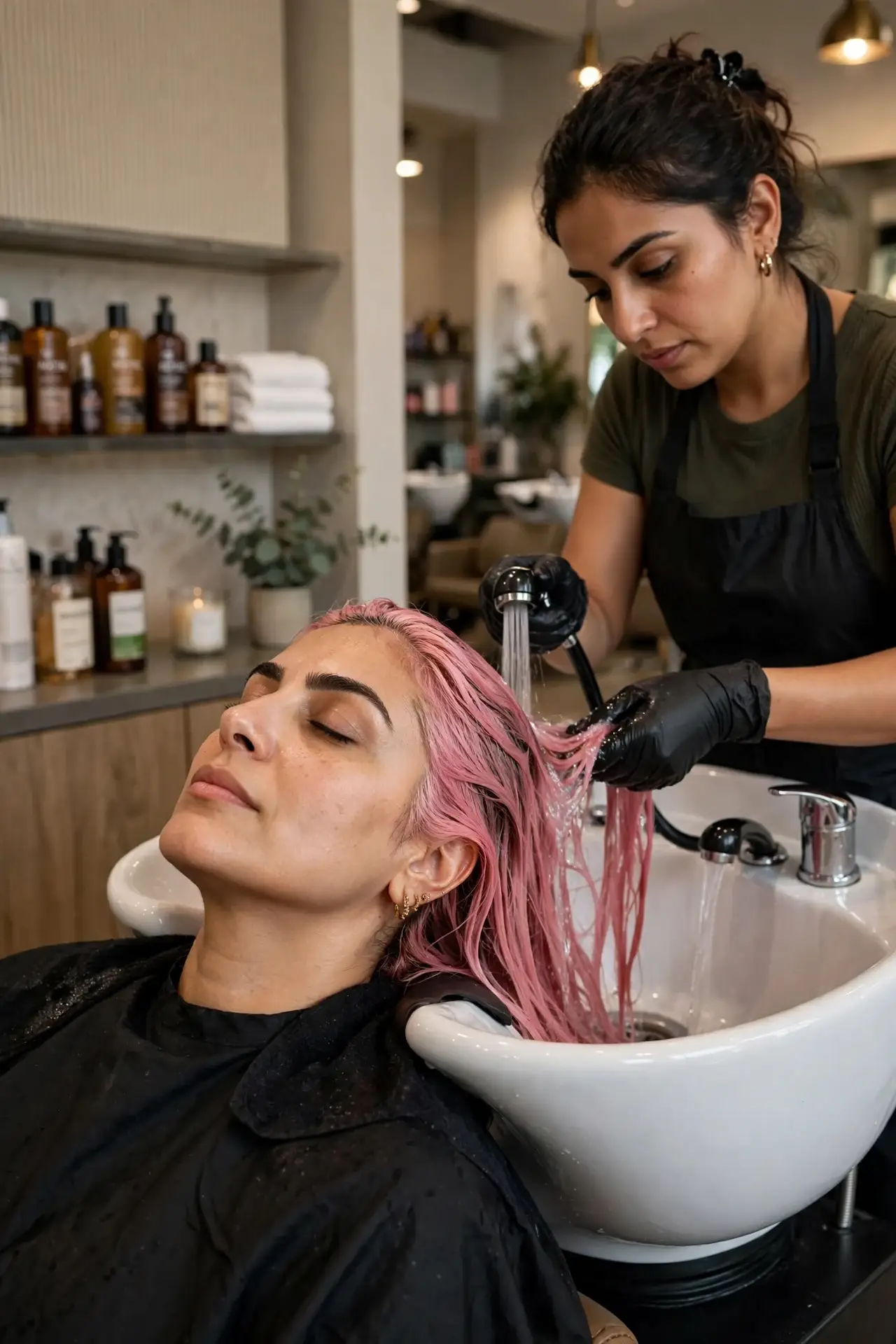
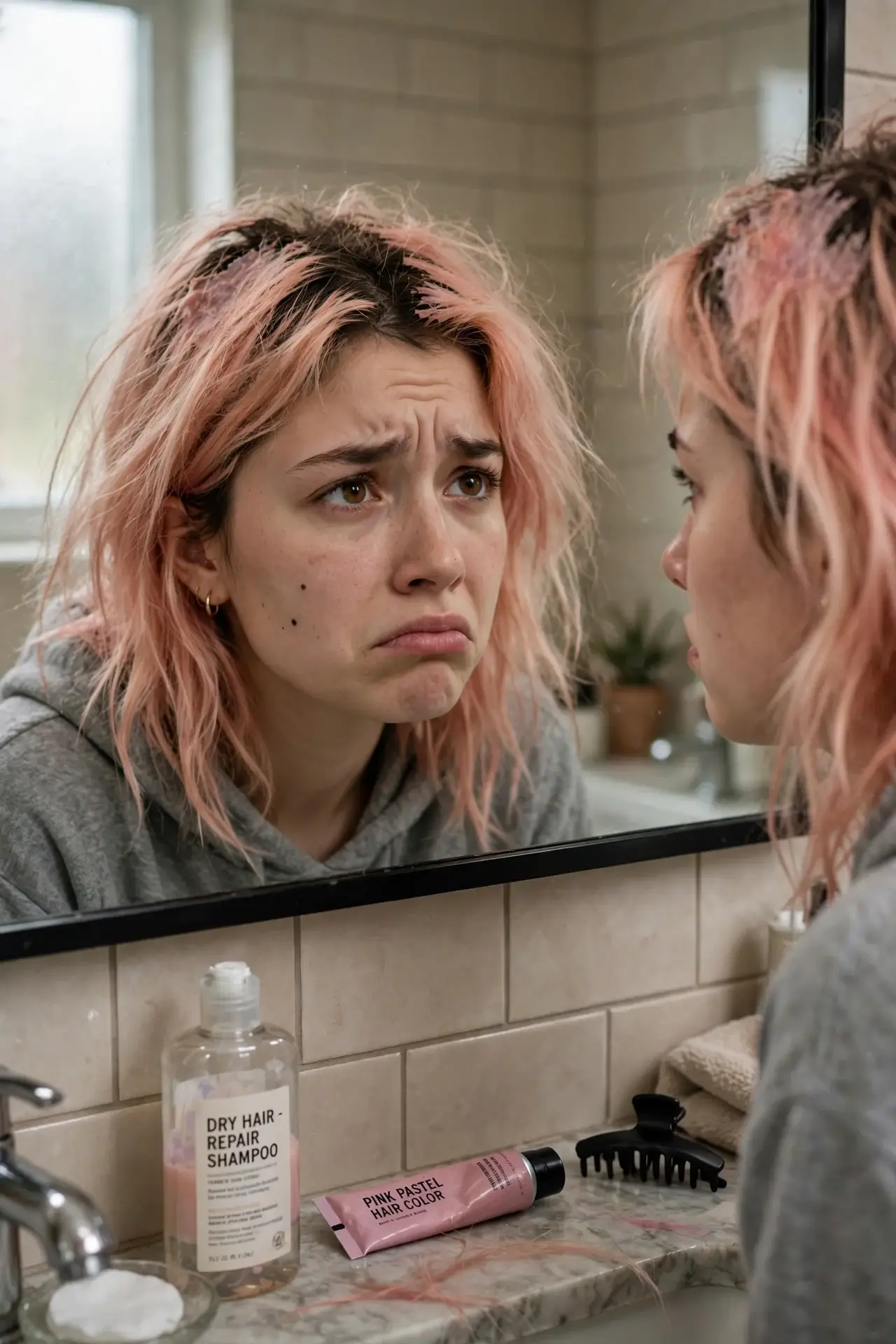
Start with patience if you have it. Pink on lightened hair keeps fading with ordinary washing, and a clarifying shampoo a few times a week speeds it along. Many heads reach a soft, wearable tint this way and simply live in it while it grows out.
When patience runs out, a color remover made for direct dyes can pull a good share of the pigment loose, though stubborn magenta corners may hold on. A bleach bath belongs in professional hands. Covering pink with a darker dye works too, with one warning: as the new color fades, the pink underneath can ghost back through, so pick the cover shade with your colorist, not off a shelf.
The Upkeep Rhythm, Week by Week
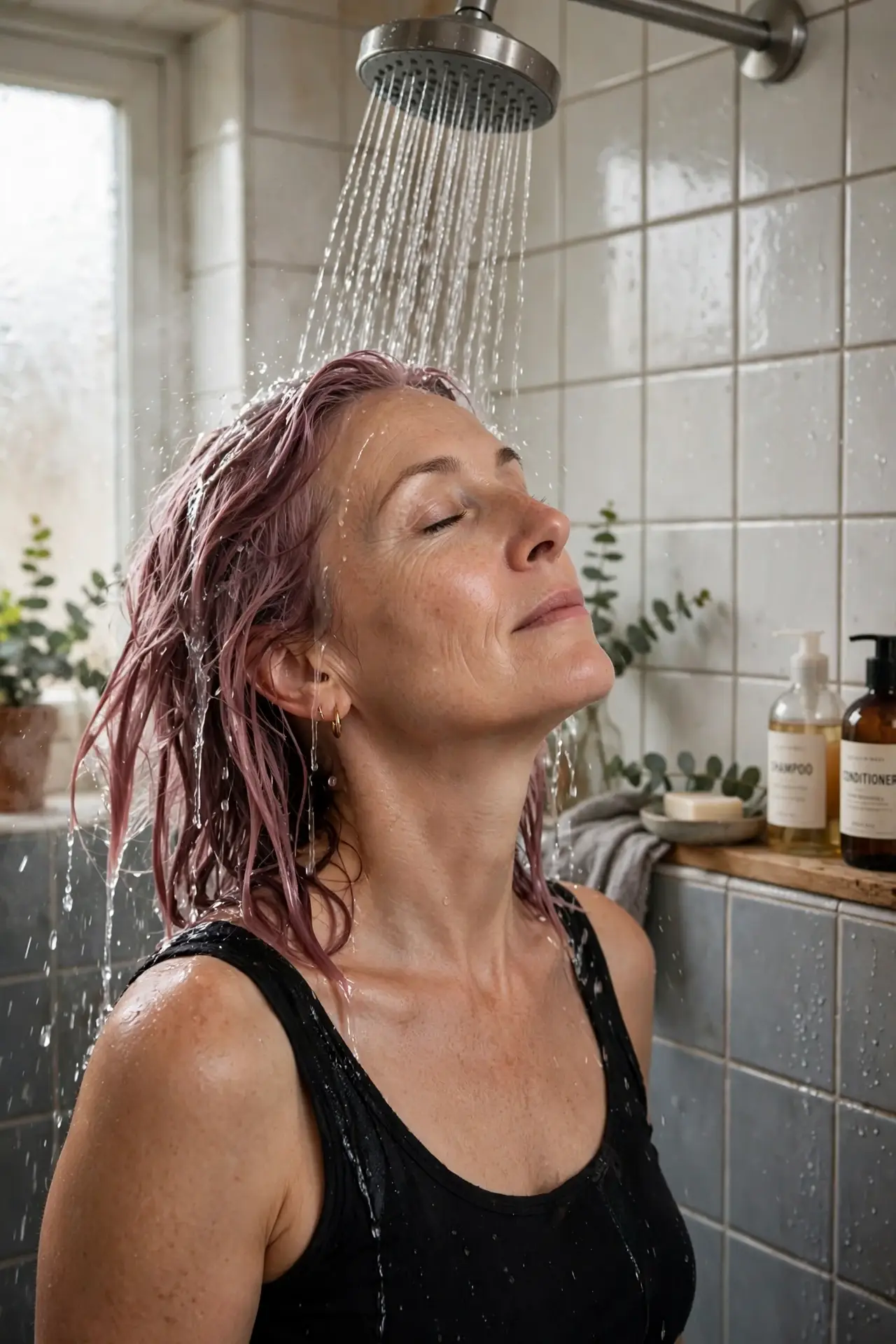
Wash two or three times a week at most, in cool water, with a gentle sulfate free shampoo, and run the depositing conditioner on one of those washes. Between wash days, dry shampoo keeps roots presentable so an extra rinse never gets tempting.
Heat styling asks for protectant every single time, since hot tools pull fashion color out faster than almost anything else in the bathroom. The American Academy of Dermatology gives the same counsel for colored hair: wash gently, keep heat down, handle wet hair with care. Book lightening touch ups by regrowth, not the calendar; most full head wearers land between six and ten weeks.
Mistakes That Make Pink Look Wrong
Skipping the strand test is the one colorists mention first. Hair carrying old dye or heat damage announces it on that single hidden section, and learning it there costs nothing. Learning it across your whole head costs a correction appointment.
Judging the result under a yellow bathroom bulb is the quieter mistake. Pink reads warmer indoors, so walk to a window before you panic or celebrate. And treat the first week gently: fresh pink rinsed hot and washed daily can lose in seven days what careful handling keeps for a month.
Quick Answers
Does pink hair work on dark hair without bleach?
Not in any shade you would recognize. On unlightened dark hair the pigment has nothing to show against, beyond a faint tint in direct sun. Partial routes lighten only the pieces that carry the color.
Which pink lasts the longest?
Magenta and hot pink, often staying true for weeks before softening into rose. Pastel pink is the shortest lived and can fade within a couple of weeks.
Can I put pink over my current box dye?
Only once the old color has faded heavily or been removed, and a strand test shows the base is light enough. Pink over mid brown box dye lands as a dull wine tone.
How often does a full head of pink need redoing?
A color refresh every two to four weeks at home, and a lightening appointment for regrowth every six to ten weeks.
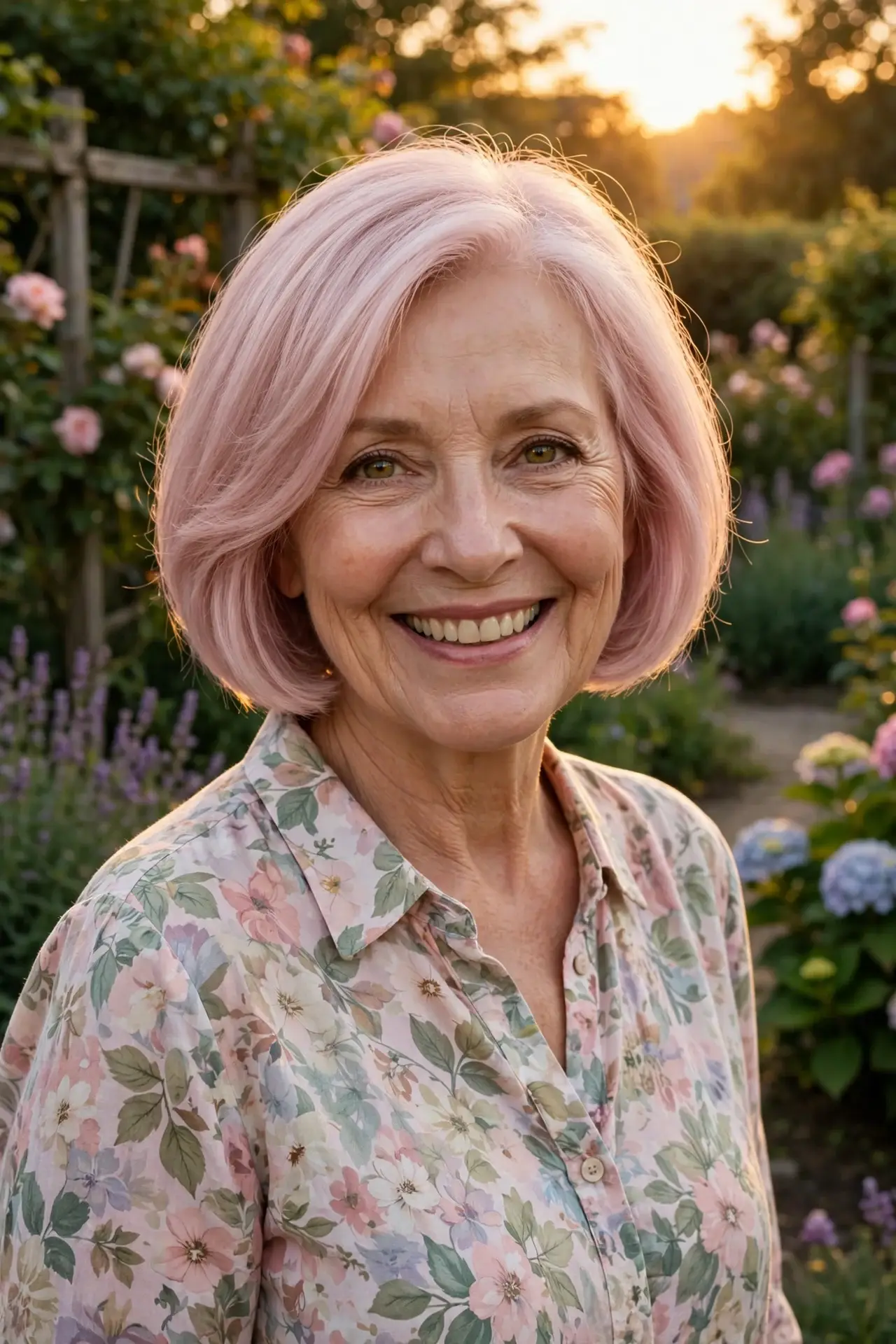
Pink asks three questions first: a shade that suits your skin, a base light enough to carry it, and a washing rhythm you can keep. Answer them honestly and pink hair is not a phase. It is a color you can wear for years, one refresh at a time.