
There is a specific moment in the chair when the smalls start to take shape. The parts are tiny and square, the rows sit close together, and what looked like a long appointment suddenly looks like the neatest protective style you have ever worn. Small knotless braids are the fine, dense end of the braid spectrum, and they reward the time they take.
If you love the knotless method but want your braids to look as close to your own hair growing from the scalp as possible, smalls are the answer. They move like hair, not like extensions. They lay flat at the roots. And because there are so many of them, every updo and half-up style looks fuller and more detailed.
Table of Contents
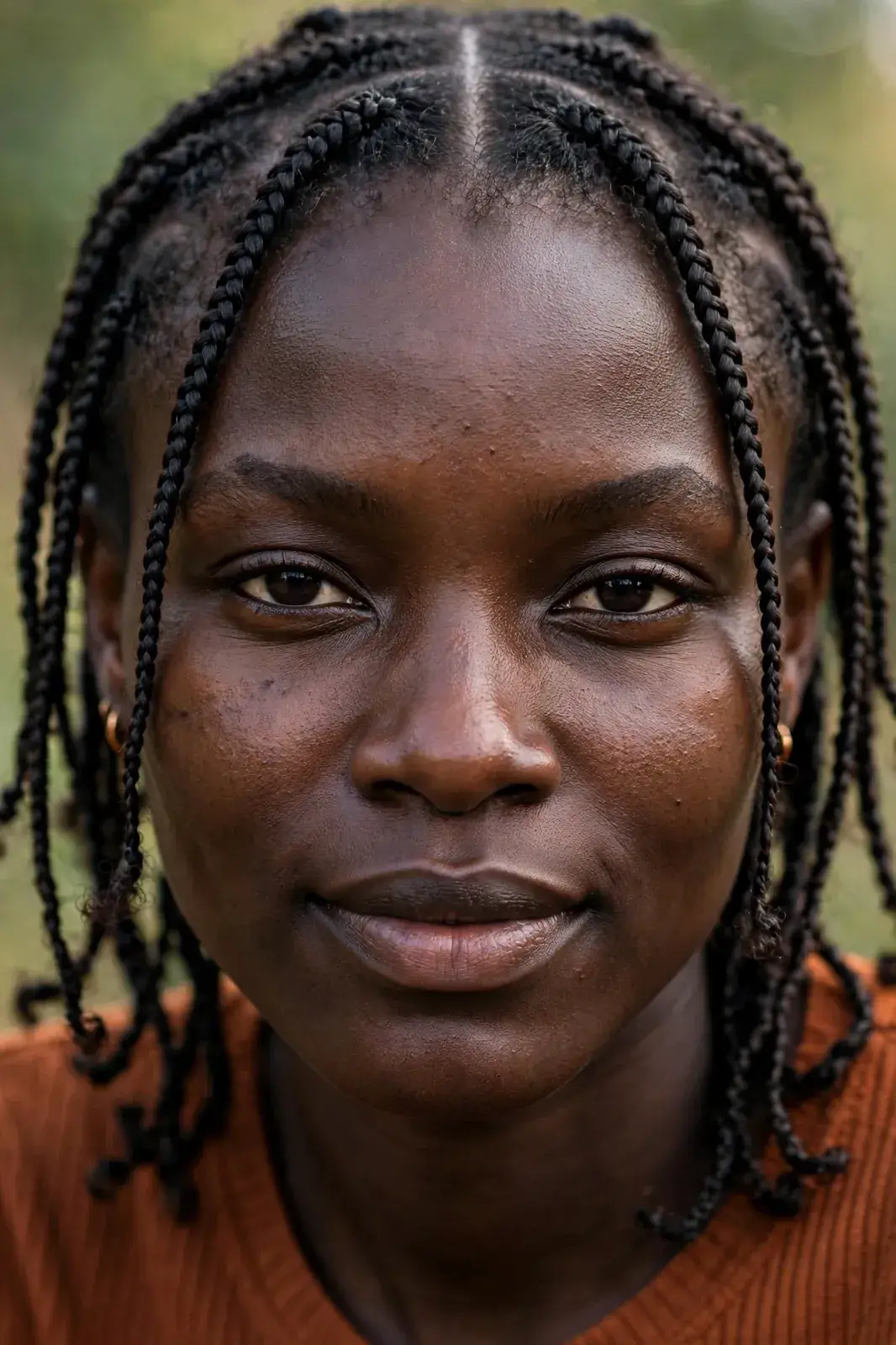
The Waist-Length Small Classic
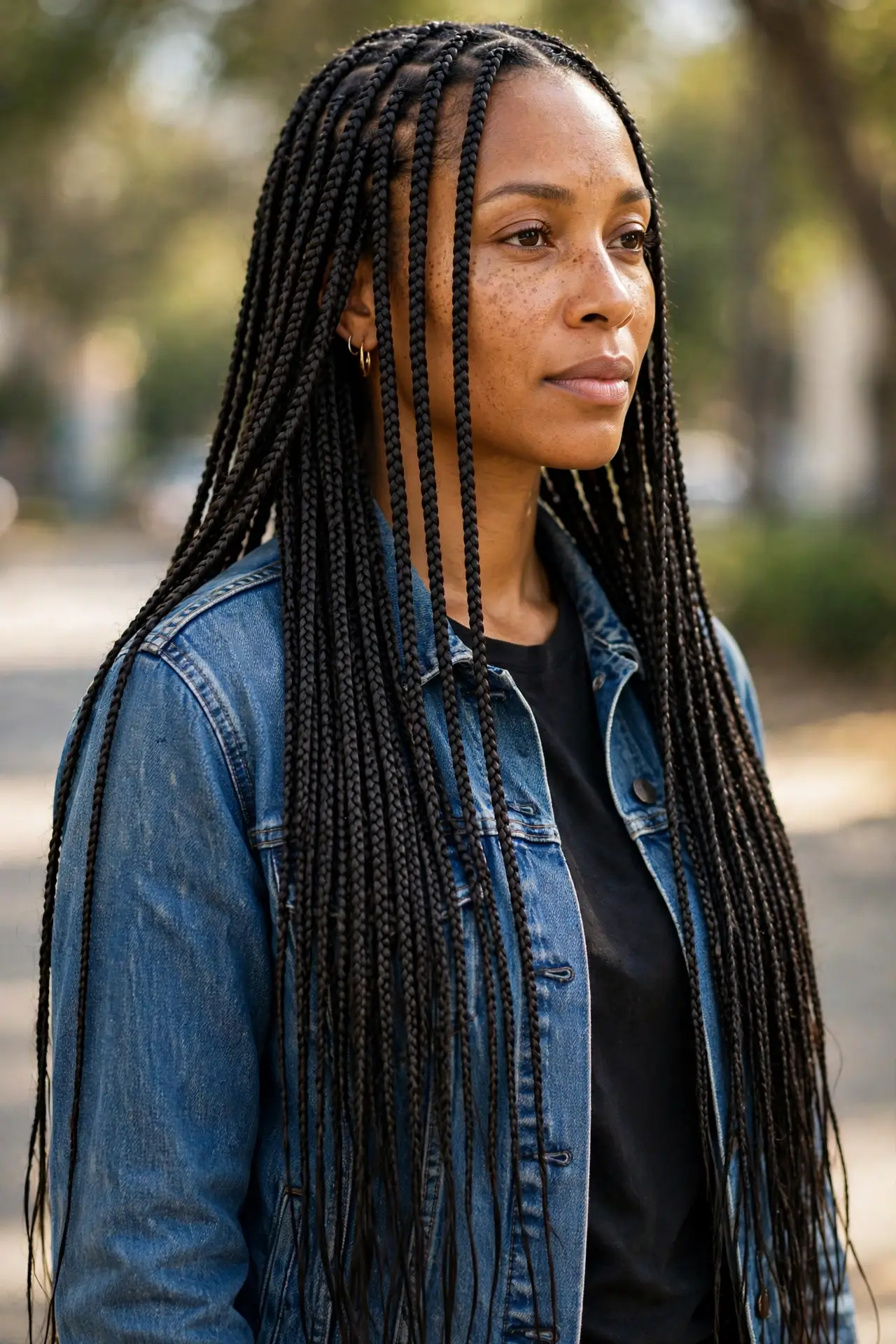
This is the look most people picture when they hear small knotless braids: dozens of fine braids falling past the waist, each one thin enough to disappear into the next. From a few feet away it reads as one river of hair, but up close you see the tiny knotless feed-in at every part.
The density is the whole point. Because the braids are small, you get more of them, and more of them means the style photographs with real depth. It also means the install is long, so book a full day and bring something to keep you company.
The Small Knotless Bob

Smalls at bob length are swingy in a way longer braids never quite manage. The ends bounce when you turn your head, and the short length keeps the whole style feeling light even though there are a hundred-plus braids in it.
A bob also takes hours off the install compared with waist length, which makes it the smartest entry point if you have never sat for smalls before. Ask for the ends to fall right at the jaw or an inch below for the most face-framing swing.
Small Knotless With Curly Ends
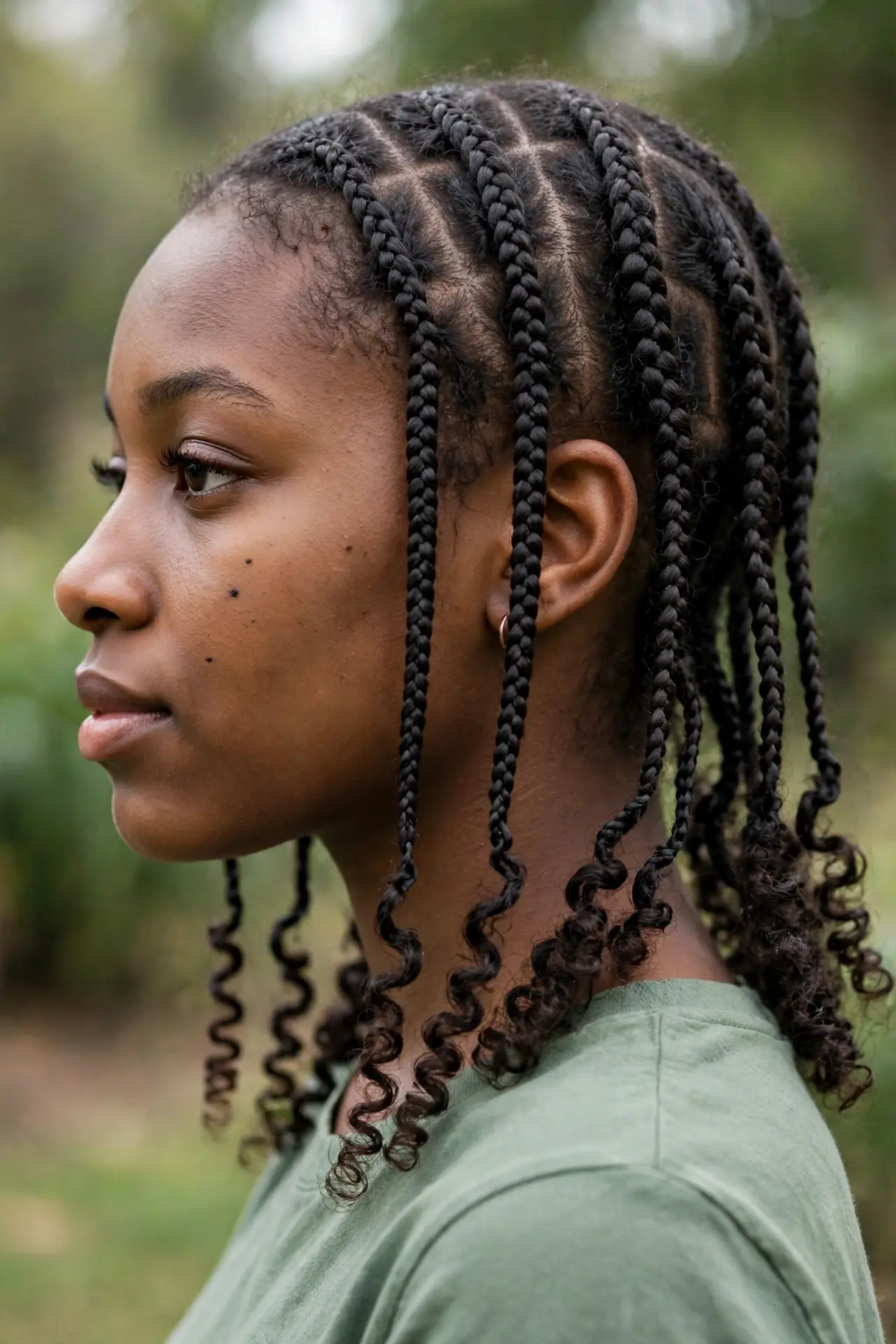
Leaving the ends curly gives small braids a soft, romantic finish that straight ends do not have. The curls break up the density and let each braid end in something light, which suits the style for weddings, vacations, and any day you want your hair to look done without trying too hard.
Keep the curls defined with a little mousse or a light curl cream, and refresh them with water in a spray bottle instead of re-curling. The braided part stays neat for weeks while the ends get to play.
The High Sleek Bun
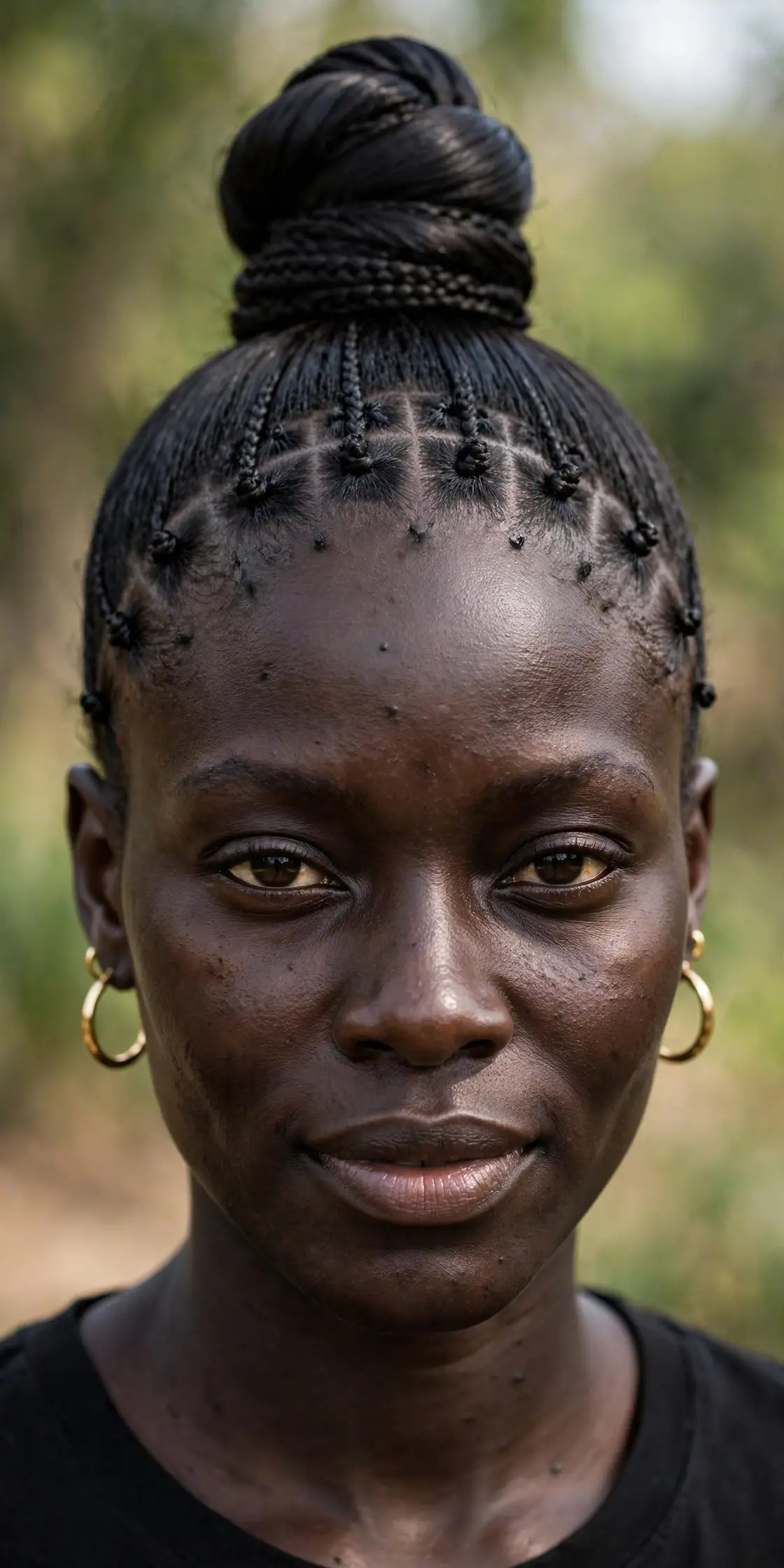
Nothing shows off small parts like a high bun. Pull every braid up and the scalp grid becomes the star: neat squares marching back from the hairline, each braid fine enough to wrap smoothly. It is the most polished way to wear smalls, and it keeps them off your neck on hot days.
Wrap the braids around themselves loosely rather than twisting tight, because smalls already put more strands under tension than bigger braids. A second scrunchie around the base keeps the bun from sliding without any pulling.
Half-Up With a Twist
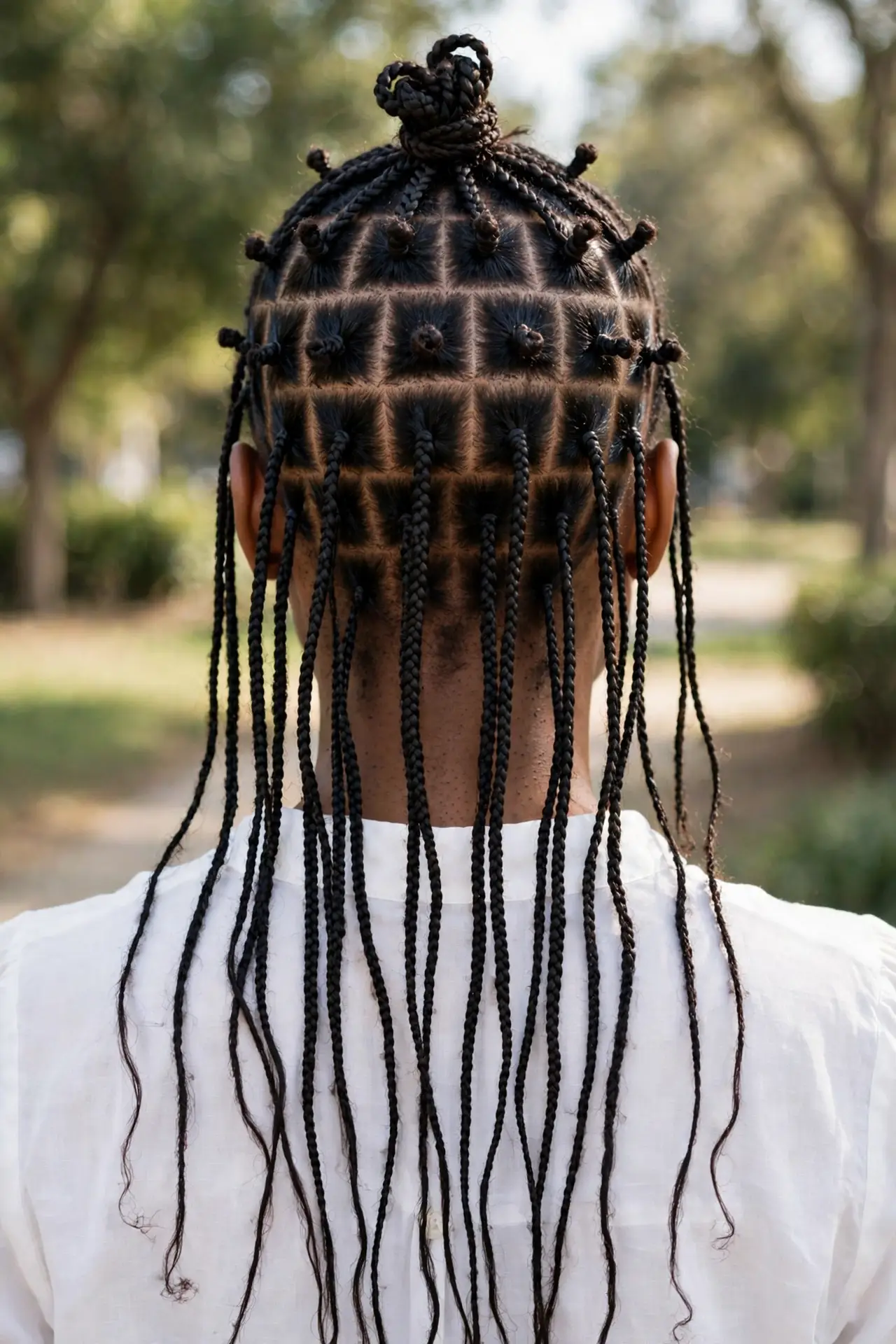
Half-up styles were made for small knotless braids. Gather the top section and the small braids twist into a rope or a small bun that looks intricate with almost no effort. The bottom half falls in a full curtain, which balances the height on top.
This is also the style that photographs best from the back, so save it for days when someone might actually take the picture. A little edge control along the hairline finishes the whole thing in under ten minutes.
The Layered Ponytail

A ponytail of small braids has a texture that big braids cannot fake. Each braid is thin, so the tail falls in layers instead of one heavy rope, and it swishes instead of swinging. Tie it high for drama or low at the nape for something you can wear to work.
Use one braid to cover the elastic instead. It is a small detail that makes the style look finished, and with smalls you always have a spare braid within reach.
Beads and Cuffs on Small Braids
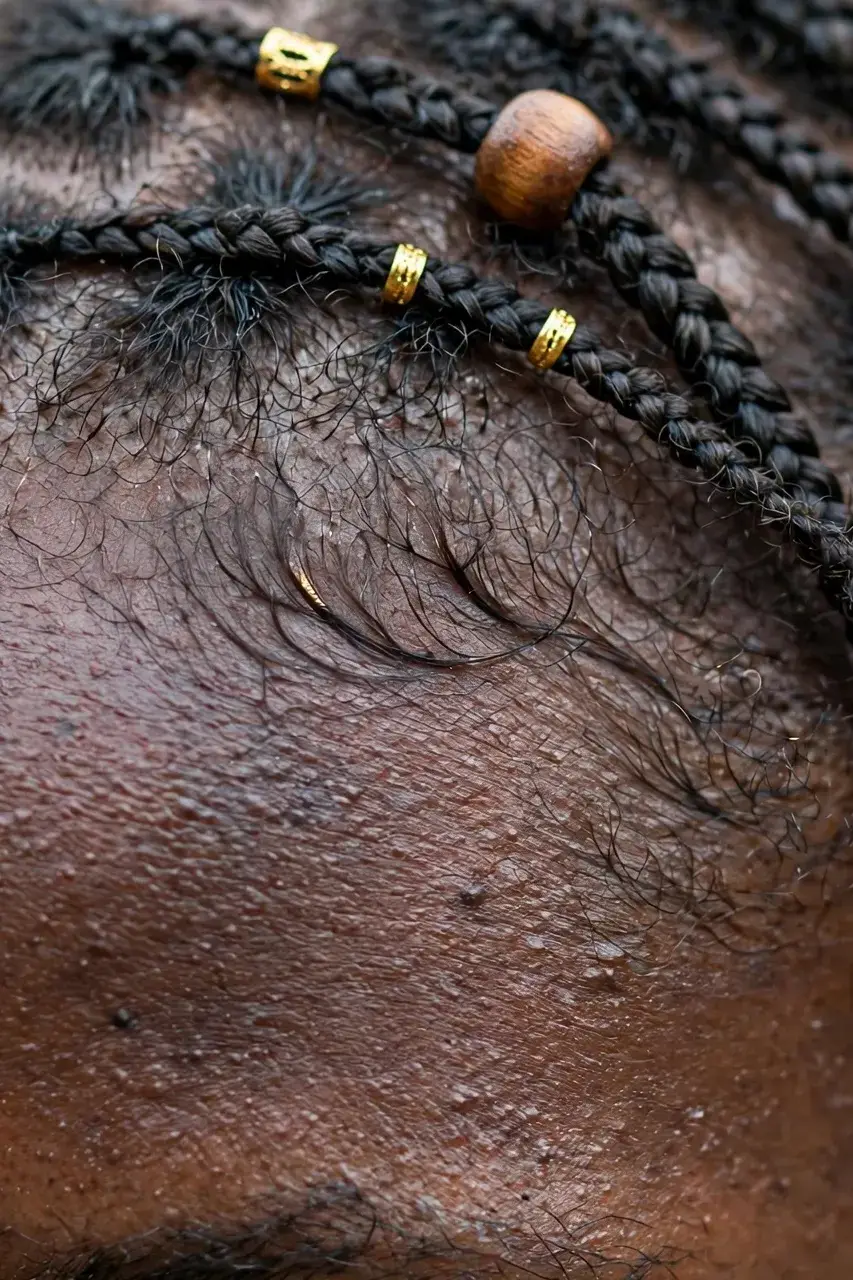
Small braids take accessories better than any other size because there is simply more braid to decorate. Gold cuffs scattered through the front frame the face, and wooden beads at the ends add movement and a little sound when you walk.
Keep the weight reasonable. A few cuffs and beads are decoration; a full head of heavy metal is a headache by day three. Spread them out so no single braid carries the load, and your neck will thank you at week six.
Edges Laid, Braids Back

Sometimes the best style is the simplest one: braids swept straight back with the edges laid smooth. Small braids disappear into this look completely, which is why it reads so clean. The tiny parts at the hairline look like your own scalp, and the laid edges blur the line even further.
Use a light hand with the gel. Edges that are shellacked down break faster, and smalls need those baby hairs healthy for the takedown. A soft brush and a silk scarf for ten minutes set the edges without any crunch.
The Install: What Smalls Demand in the Chair
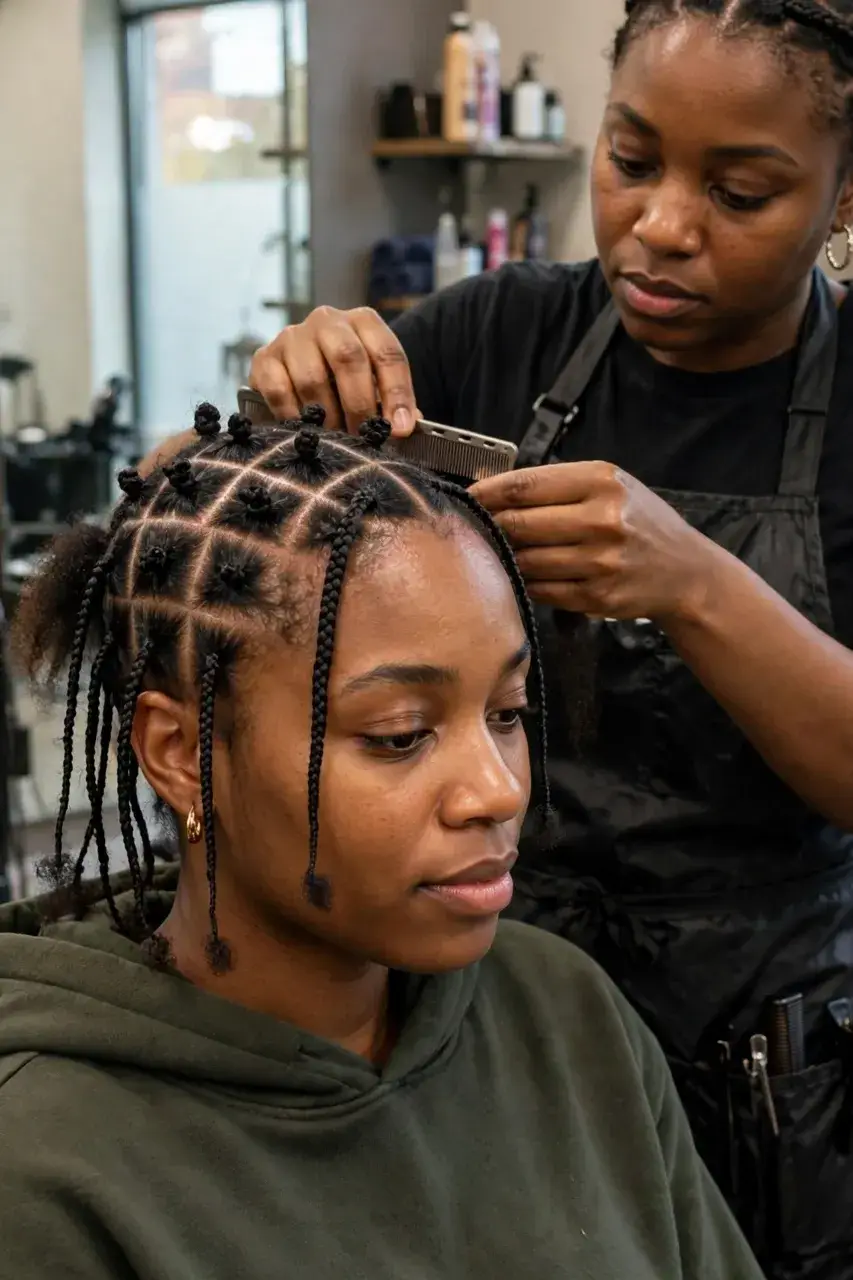
Small knotless braids are the longest install in the braid family, and it helps to walk in knowing that. A full head of waist-length smalls usually takes six to nine hours depending on your hair’s density and how small the parts go. Shorter lengths cut the time, but not as much as you would hope, because the parting is where the hours go.
The parting is also where the skill shows. Good smalls have clean, even parts with no tension bumps at the root, and the feed-in should look seamless from the first inch. Eat before you sit down, charge your phone, and speak up early if any braid feels tight. If you are still deciding between sizes, our smedium knotless braids guide breaks down exactly how small, smedium, and medium compare.
How Long Smalls Last and How to Care for Them
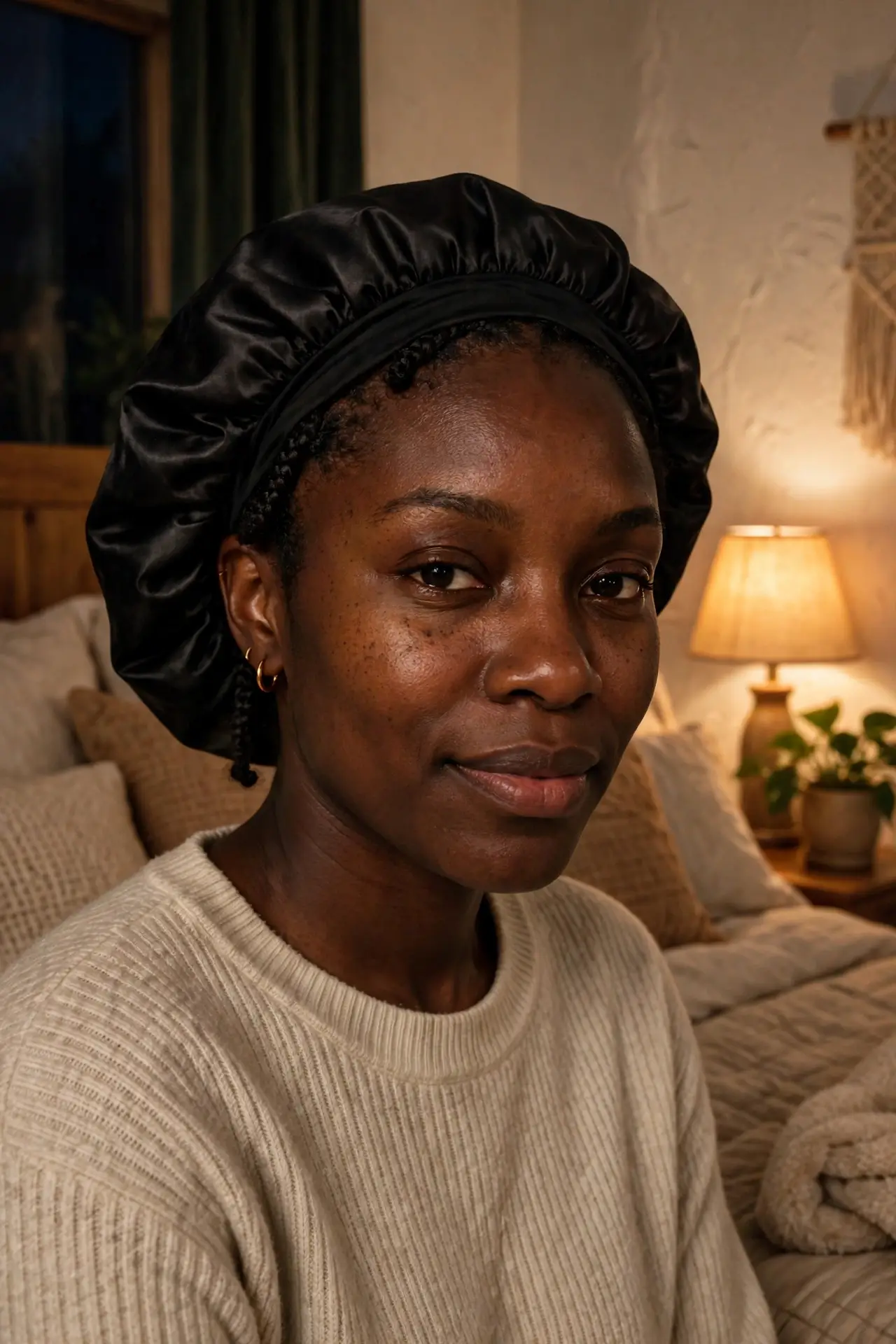
With steady care, small knotless braids hold for six to eight weeks. The roots will start to look fuzzy around week four, which is normal, and a little mousse smoothed over the parts buys you another week or two of neatness. Sleep in a satin bonnet every single night; cotton pillowcases are the fastest way to frizz small parts.
Wash them like you mean it. Diluted shampoo in an applicator bottle gets to the scalp between the tiny parts, and a light leave-in keeps the braids from drying out. Skip heavy oils at the root, since buildup shows faster on small parts than on big ones. For the feather-light version of this style, our boneless knotless braids guide is worth a read. For general scalp sense, the American Academy of Dermatology’s hair care guidance covers the basics well.
Takedown deserves its own afternoon. Small braids mean more braids to undo, so plan one to three hours, work with oiled fingers, and trim any fairy knots instead of pulling them through. Your hair will thank you with less breakage and a much easier wash day after.
Quick Answers
How long do small knotless braids take to install?
Most full heads take six to nine hours. Waist length and very dense hair sit at the longer end, while bobs and shoulder lengths are usually faster.
Do small knotless braids damage your edges?
They can if they are installed too tight or worn too long. Ask for gentle tension at the hairline, keep the style to eight weeks at most, and give your edges a rest between installs.
How long do small knotless braids last?
Six to eight weeks with regular care. Mousse on the parts and a satin bonnet at night are what stretch them from decent to great.
Are small knotless braids heavier than medium braids?
The style as a whole can feel heavier because there are simply more braids, but each individual braid is lighter. If weight is your main worry, the boneless method cuts it down further.
Can I wash small knotless braids?
Yes, and you should. Use diluted shampoo in an applicator bottle to reach the scalp, rinse thoroughly, and let them air dry fully so no dampness sits at the roots.
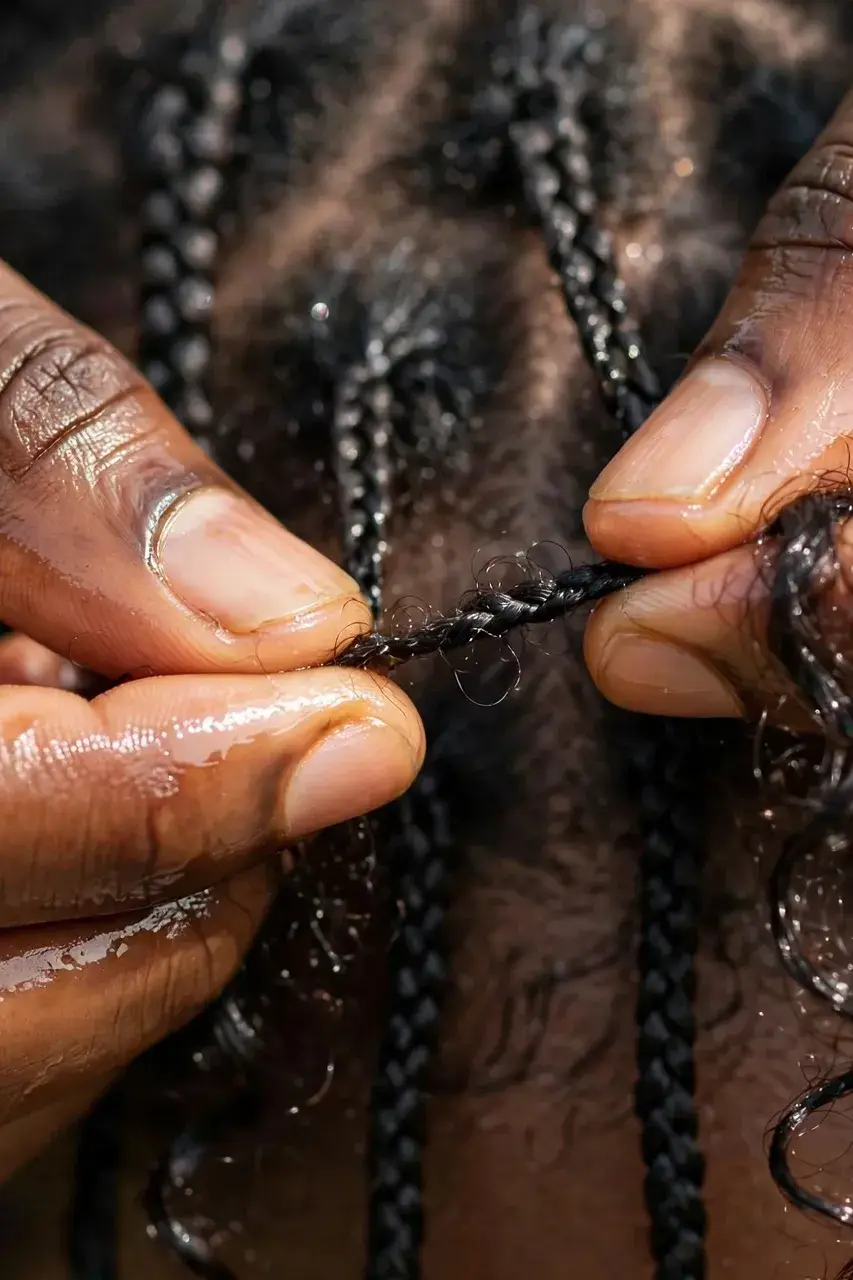
The neatest braids are the ones that disappear. Small knotless braids do that better than any other size, and once you have worn them, every other braid size starts to look a little bit chunky. Book the long appointment. Bring the snacks. It is worth it.




Pingback: Knotless Braids Styling Ideas: 9 Ways To Make One Install Look New