If your hair dries into loose S shapes instead of neat spirals, you have wavy hair, and it needs a routine built around it. This curly hair routine for wavy hair is designed from scratch for waves, not borrowed from a curly routine and watered down. Here is the curly hair routine for wavy hair: how to wash, style, and dry 2A to 2C waves so they clump, hold, and bounce.
Table of Contents

Why Wavy Hair Needs Its Own Routine
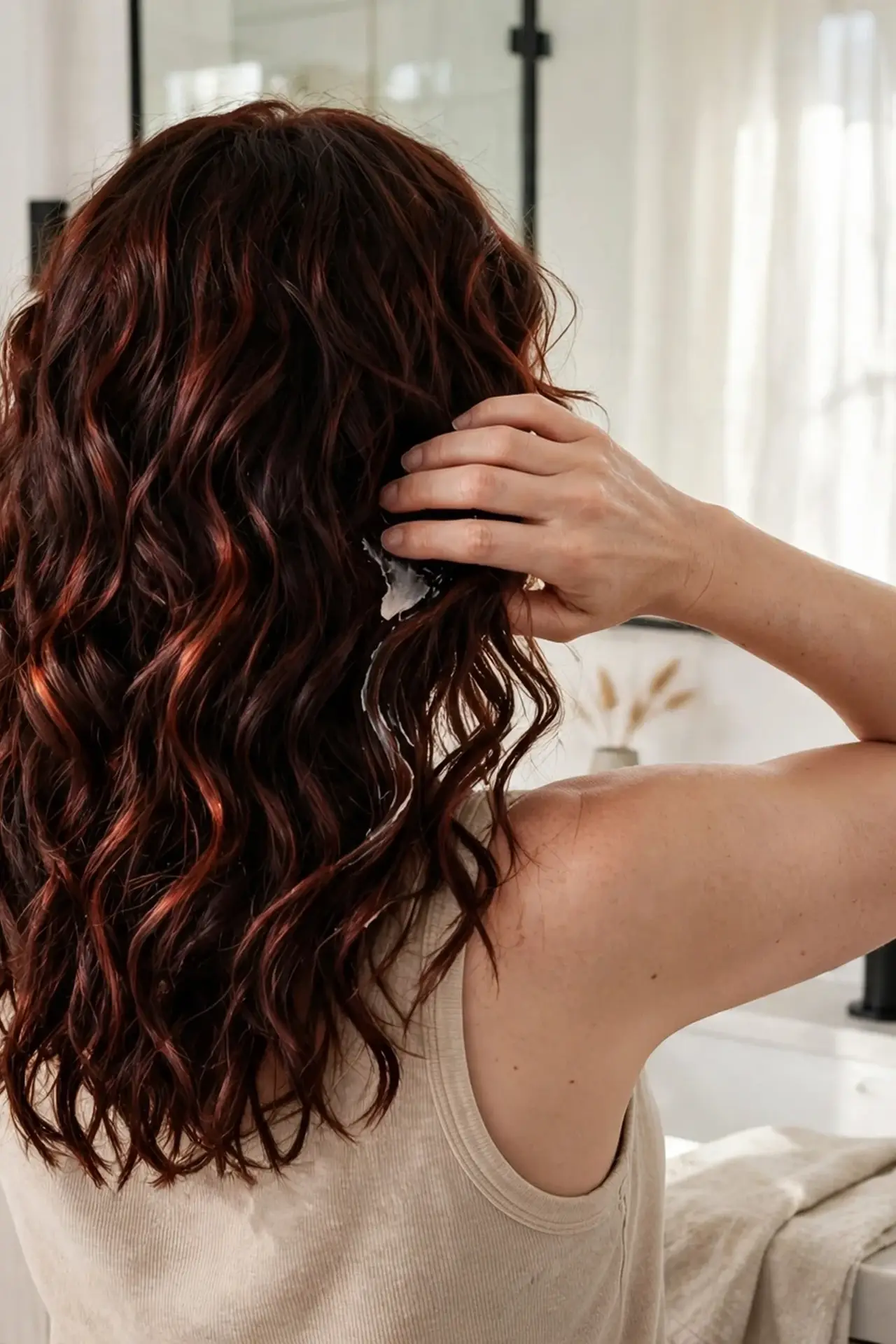
Curly hair and wavy hair look like cousins, but they behave very differently. Tight curls drink up heavy butters and thick creams. Waves usually choke on them.
Most wavy hair is finer than it looks and sits flatter at the roots. A product that defines a 3B curl can turn a 2B wave into a limp, stringy mess by lunchtime. Copying a curly girl routine rarely works for wavies.
A proper curly hair routine for wavy hair uses lighter formulas, less product, and techniques that build root volume. The goal is waves that move, not waves that feel coated.
Know Your Wave Type: 2A, 2B, or 2C
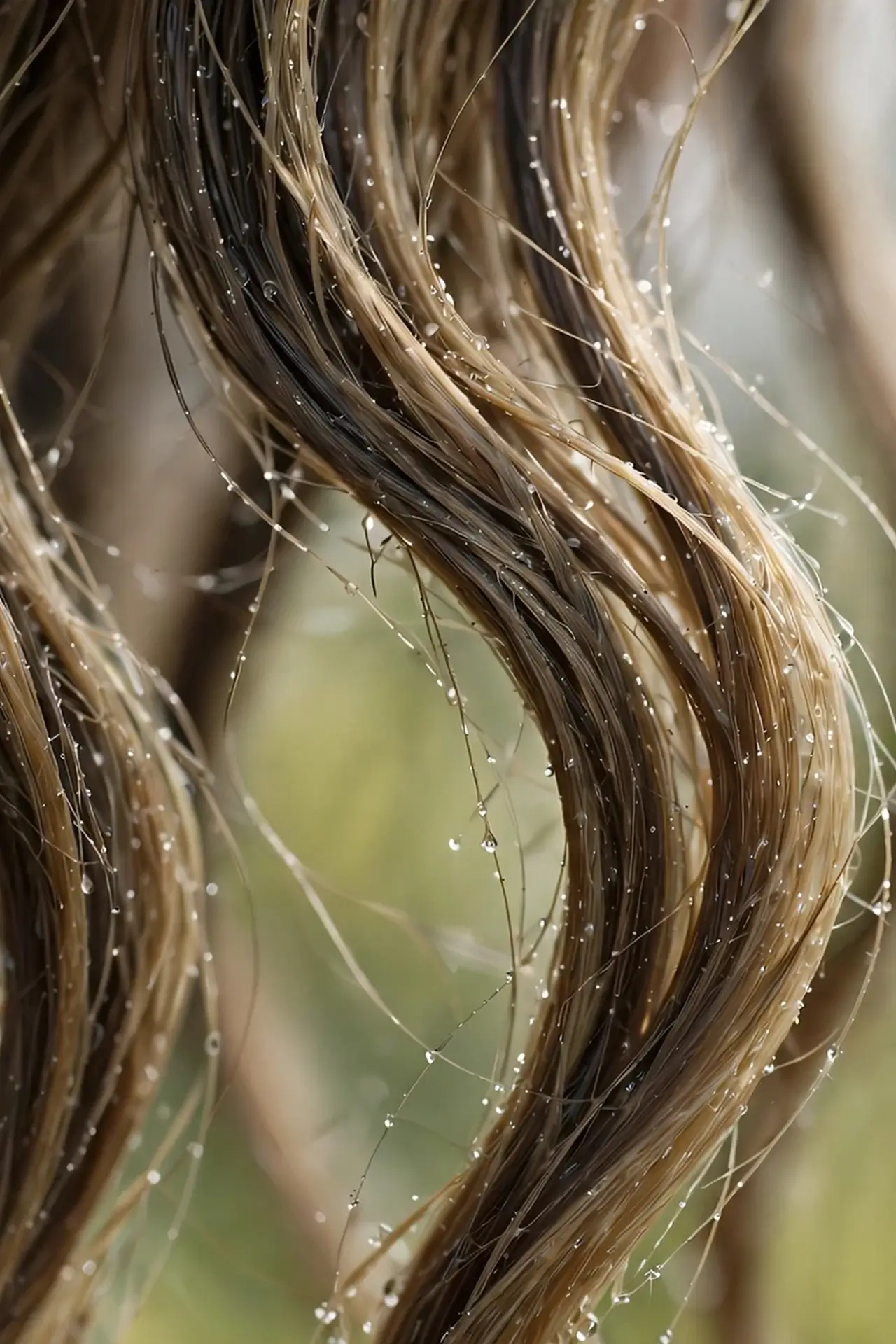
Before you pick products, pin down your pattern. The 2 family breaks into three types, and your type decides how much hold you need.
2A hair has a soft, tousled wave that starts near the ends. It can almost pass for straight and gets weighed down fast, so it needs the lightest products here.
2B hair forms clear S shaped waves from about mid length down. It frizzes more easily and holds a style longer, so it can handle a little more product.
2C hair has thick, defined waves that start at the roots and border on loose curls. It is the thirstiest of the three.
Most people are a mix, like 2B at the crown and 2C underneath. Build your curly hair routine for wavy hair around your most common pattern.
Step 1: Cleanse Without Stripping
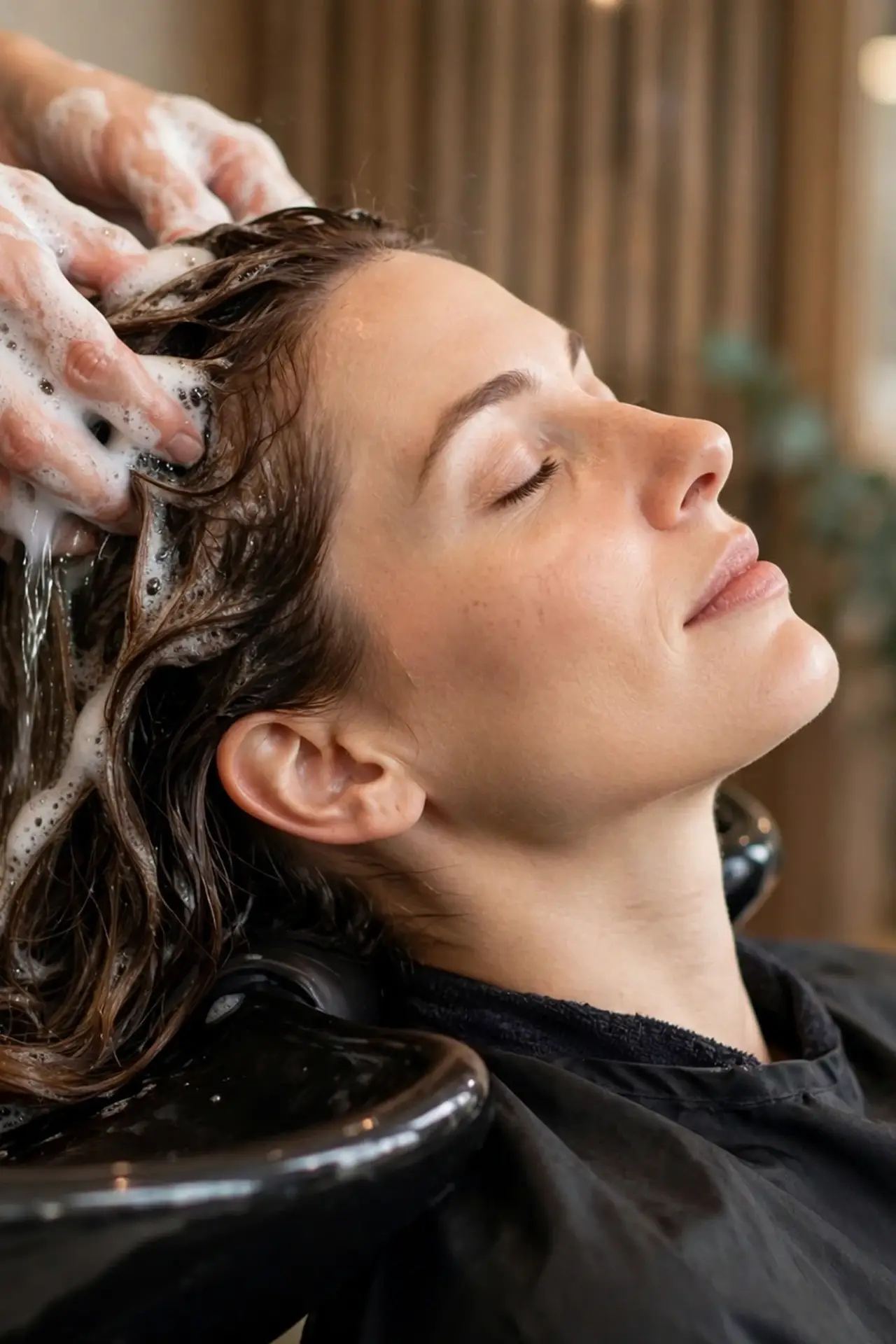
Wavy hair needs a clean scalp and hydrated lengths, and those two things fight each other if you use the wrong shampoo. A sulfate free shampoo cleans gently without puffing your waves into frizz.
Focus the shampoo on your scalp only. Massage with your fingertips for a good minute, then let the rinse run down the lengths. The runoff cleans the ends enough. Scrubbing the lengths directly roughs up the cuticle and kills wave formation.
Fine 2A hair often needs washing every other day. Thicker 2C hair can stretch to three or four days. Clarify once a month to remove buildup, because buildup is the top reason waves suddenly go flat.
Step 2: Condition Lightly
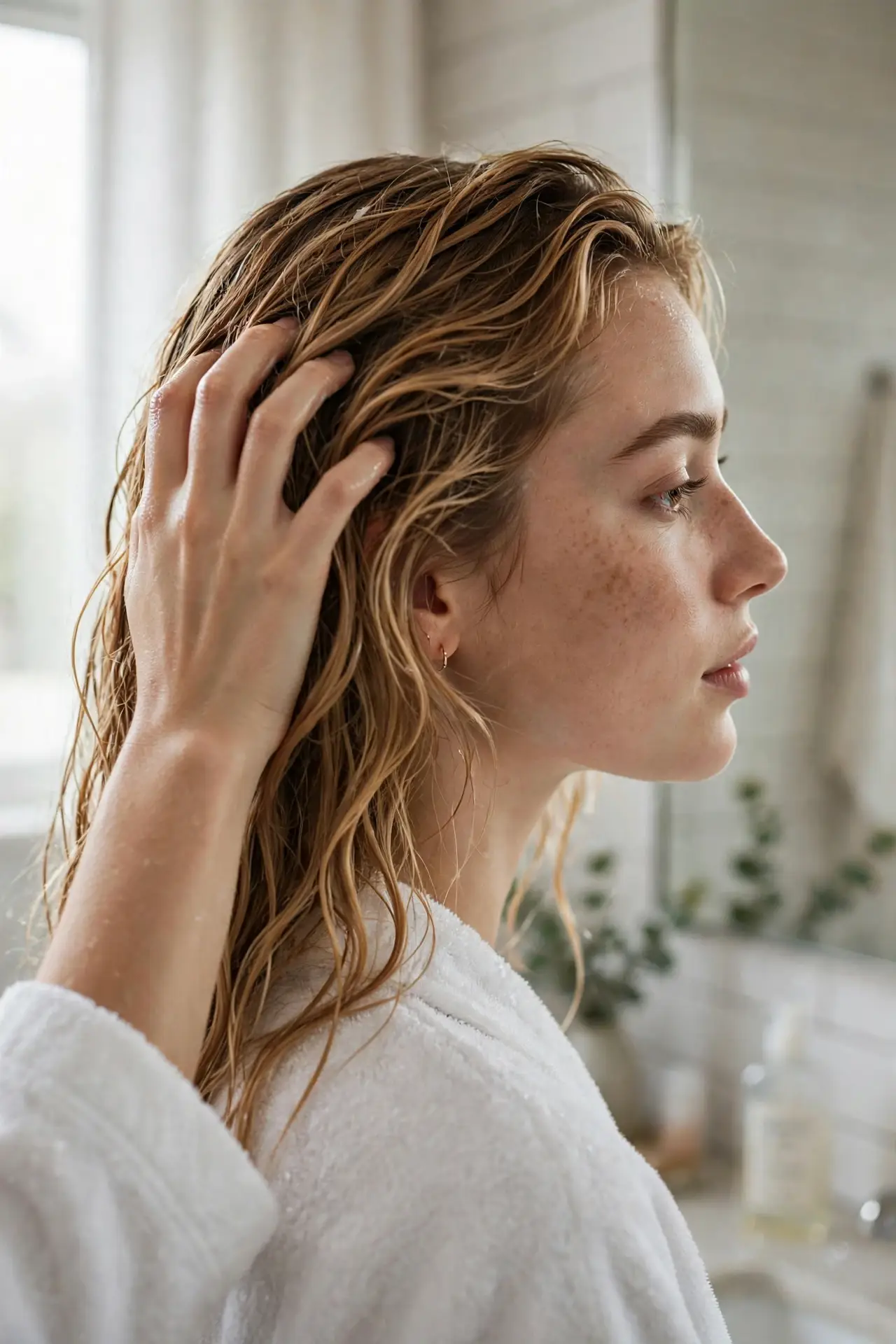
Conditioner matters as much as shampoo for waves, but the amount matters more. Too much conditioner is the fastest way to lose your wave pattern.
Use a lightweight, silicone free conditioner and keep it off your roots. Start at mid length and work down. Leave it on for two to three minutes so it can sink in.
Rinse with cool water but leave a little slip behind. If your hair squeaks, you rinsed too much, and your waves will frizz as they dry.
Deep condition weekly for 2C or color treated hair, biweekly for 2A and 2B. Heavy masks flatten fine waves, so pick one labeled for fine or wavy hair.
Step 3: Scrunch vs Rake (How You Apply Product Changes Everything)
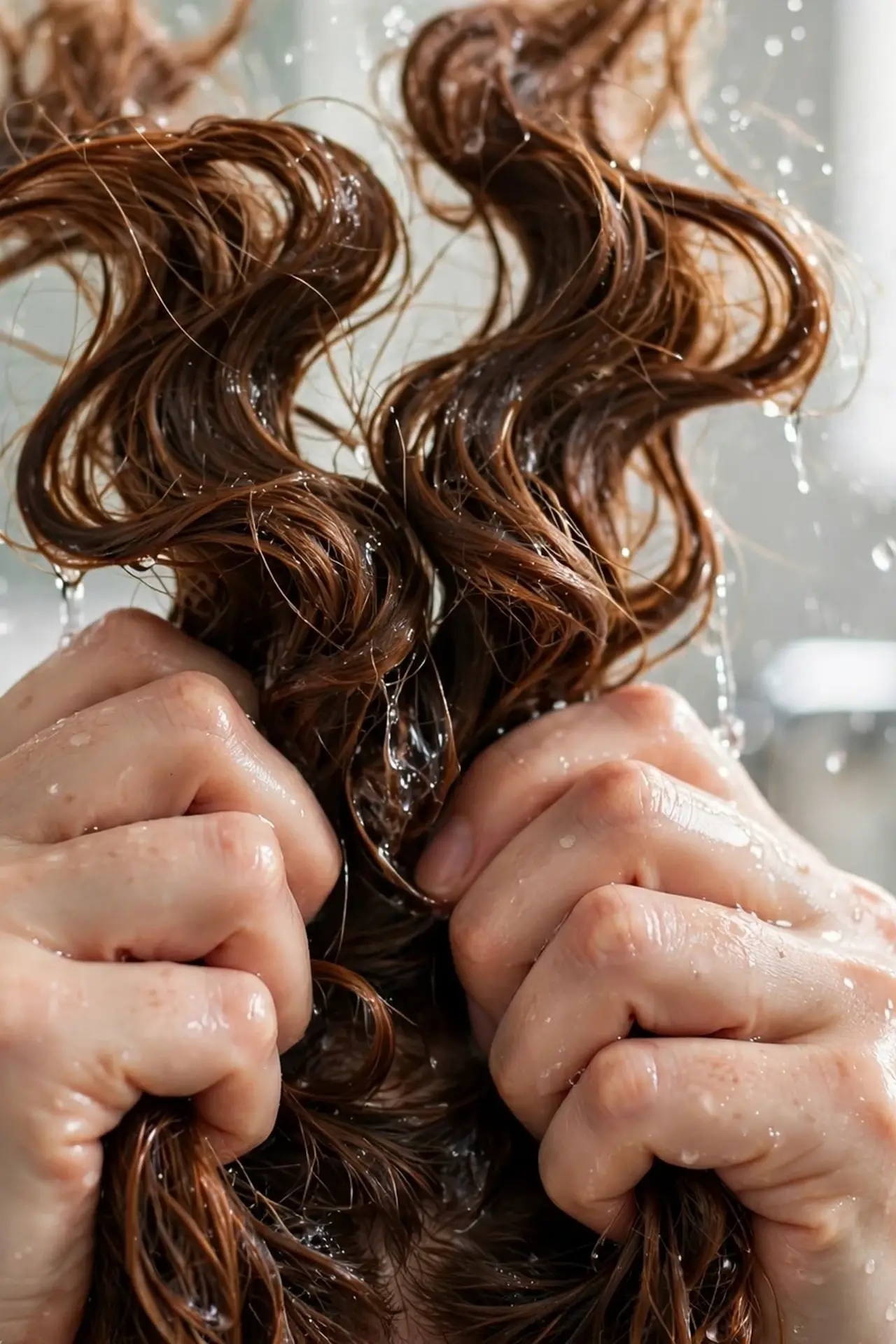
Here is where most wavy routines fall apart. The way you put product in matters as much as the product itself. The two main methods are scrunching and raking, and they give very different results.
Scrunching means cupping sections of wet hair and squeezing upward toward the scalp. This pushes hair into its natural wave shape and builds clumps. It works best for 2B and 2C hair.
Raking means smoothing product through with your fingers like a comb. This spreads product evenly and keeps waves looser and more separated. Raking suits 2A hair, which can look stringy if scrunched too hard.
Many wavies get the best result by combining them. Rake your leave in through for even coverage, then scrunch your gel or mousse in to set the wave. Your hair will tell you which it prefers.
Step 4: Plopping for Root Lift

Plopping sounds strange, but it is one of the best tricks for wavy hair. After styling, wrap your wet hair in a microfiber towel or cotton T shirt, accordion style, so it sits on top of your head.
Leave it for fifteen to twenty minutes. Plopping soaks up excess water without the friction of a regular towel, and it stops gravity from dragging your roots flat.
Do not plop overnight and do not use a rough terrycloth towel. A smooth cotton tee or microfiber turban does the job. Fine 2A hair sometimes skips plopping and goes straight to diffusing.
Step 5: Diffusing Waves for Definition
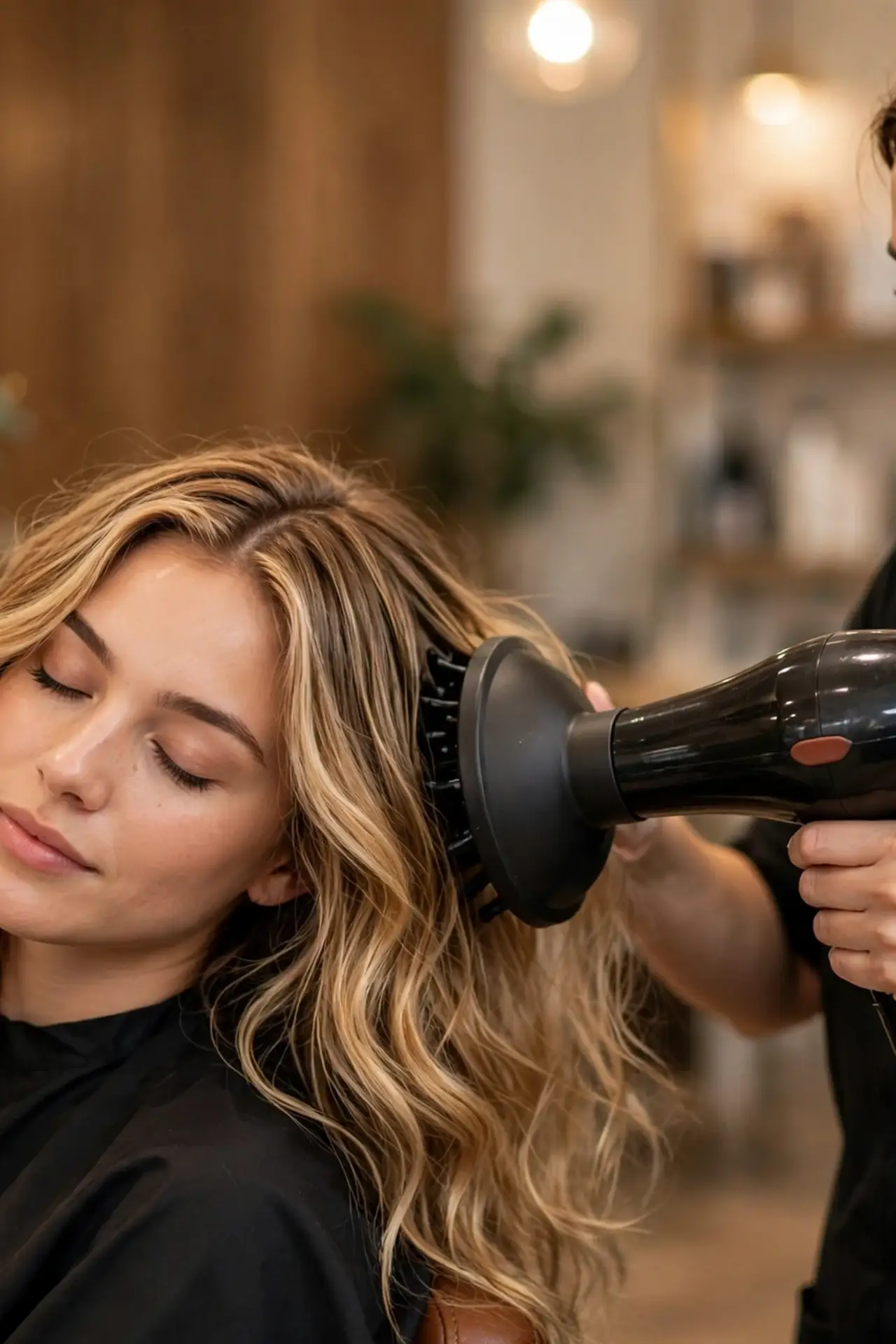
Air drying works for some wavies, but diffusing gives stronger, longer lasting waves for most people. The key is low heat and low airflow. High heat blasts waves apart before they can set.
Flip your head upside down or tilt it to the side, cup sections into the diffuser bowl, and press up toward your scalp. Hold each section for thirty to sixty seconds. Resist the urge to keep moving the dryer. Stillness sets the wave.
Dry until about ninety percent dry, then let the rest air dry. Your waves will look slightly crunchy from the gel cast at first. Once fully dry, scrunch out the crunch gently with dry hands or a drop of light oil on your palms. Hover diffusing damp roots adds volume that lasts all day.
The Refresh: Day Two and Day Three Waves
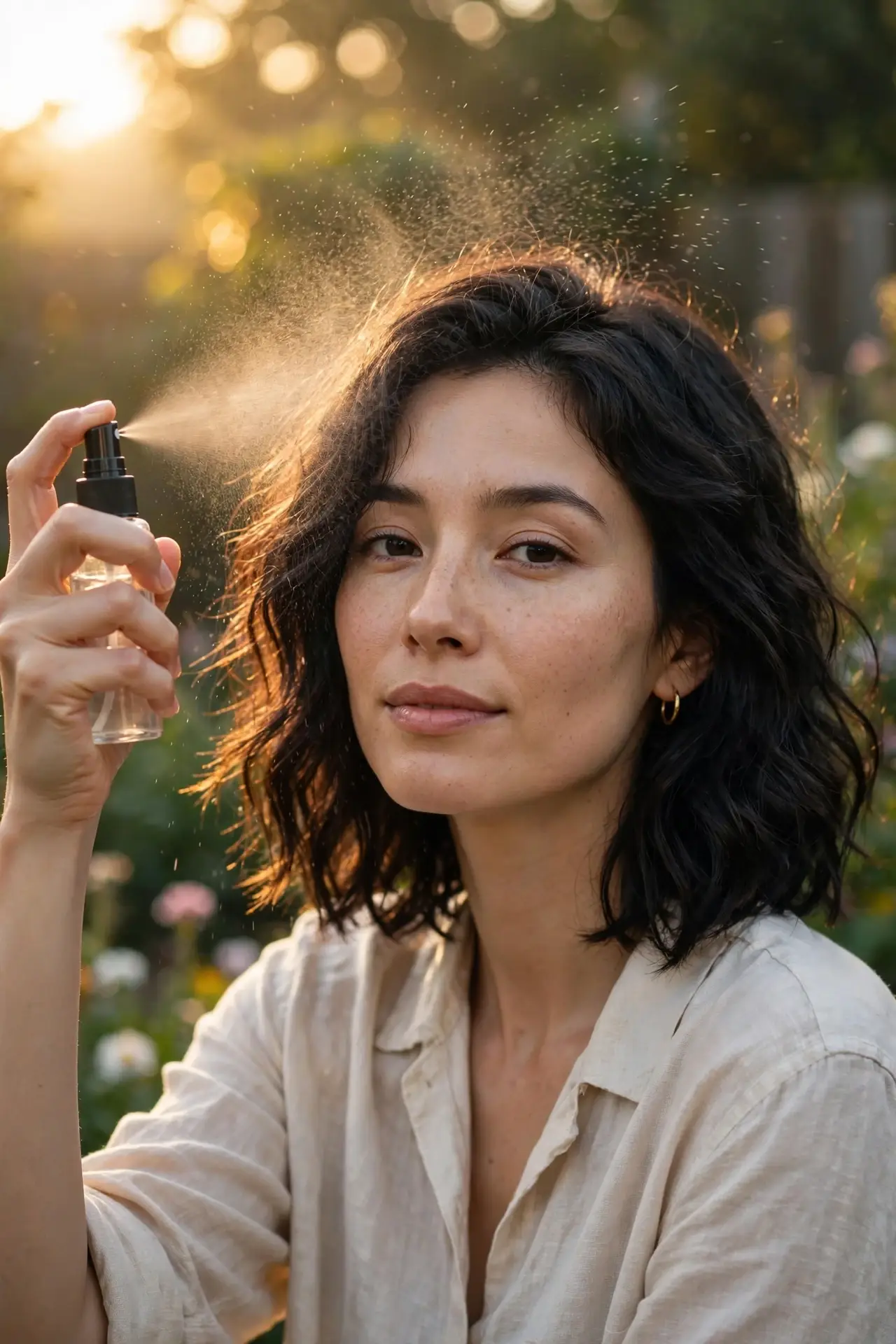
Wavy hair rarely needs a full wash every day. A good refresh brings second and third day waves back to life in about five minutes.
Mix water with a tiny bit of leave in conditioner in a spray bottle. Lightly mist the lengths, not the roots. Then scrunch upward the same way you did on wash day. The water reactivates the product already in your hair.
Sleeping with your hair in a loose pineapple on top of your head protects waves overnight. A satin pillowcase cuts down on friction and morning frizz. If a few pieces still look flat, a quick pass with a small curling wand blends everything together.
For extra hold between washes, a light mist of flexible hairspray on the canopy keeps the top layer smooth. Skip heavy oils on refresh days. They build up fast and drag waves down.
Products That Work for Waves (and What to Skip)
The best wavy hair products share one trait. They are lightweight. Mousse is the classic wavy styler because it gives hold without weight. A golf ball sized amount scrunched into soaking wet hair works for most 2B and 2C heads. Fine 2A hair should start with half that.
Light hold gels define waves without the helmet feel. Look for gels labeled flexible, soft hold, or weightless. Leave ins should be sprays or milky lotions, not thick creams.
What to skip? Heavy butters like shea in large amounts, thick curl creams, and oils near the roots. A drop of argan or jojoba oil on the very ends is fine. For a lightweight protein boost that waves love, see our rice water hair rinse guide.
Mistakes That Flatten Your Waves
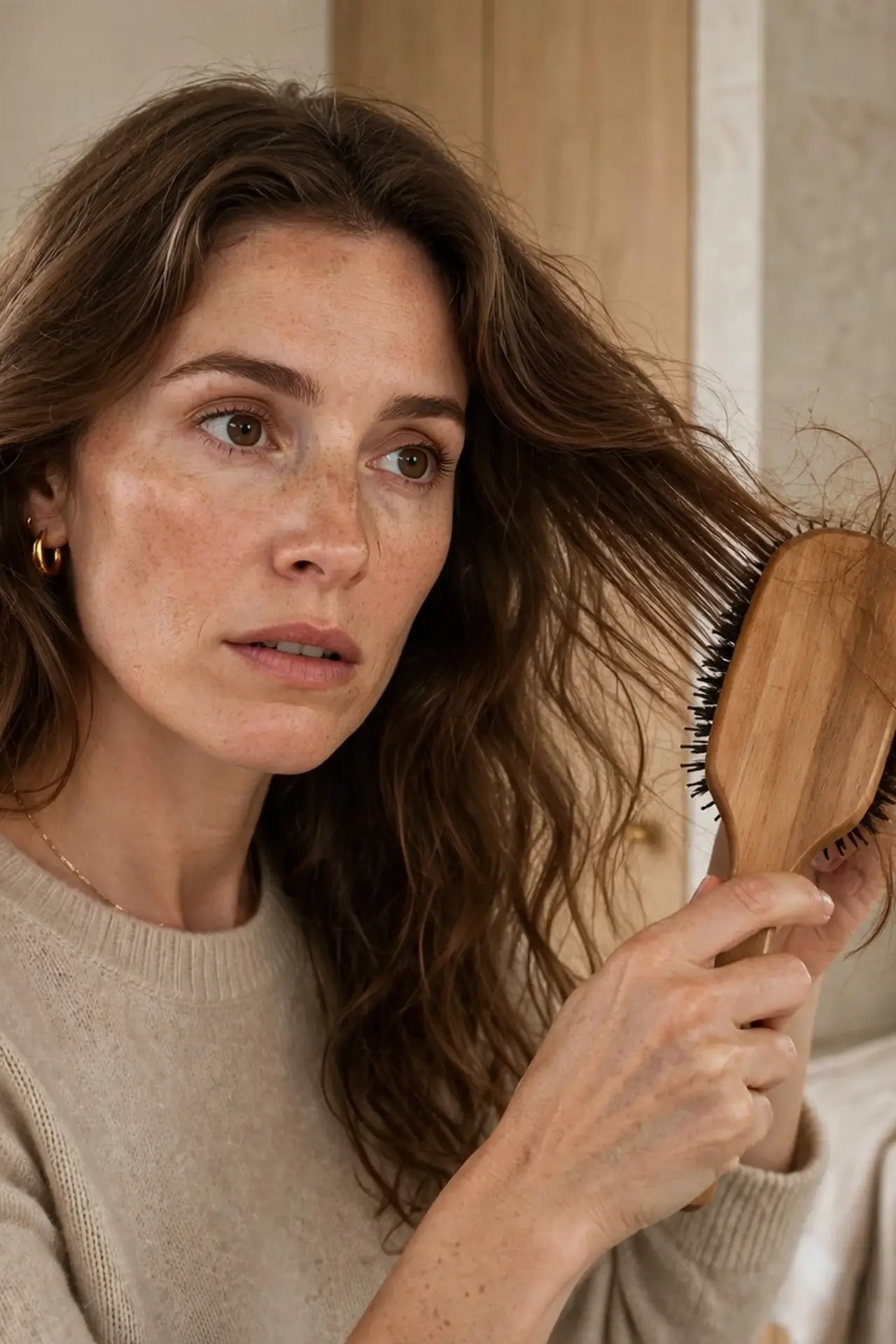
Brushing dry wavy hair is the biggest offender. A brush drags through the wave pattern and turns it into a frizzy triangle. Detangle only when your hair is wet and full of conditioner, using a wide tooth comb or your fingers.
Touching your hair while it dries is another wave killer. Every touch breaks up forming clumps and invites frizz. Style it, set it, and leave it alone until fully dry.
Using too much product ranks third. Waves need far less than you think. Start small and add more next wash day if your waves fall flat.
Finally, do not fear the gel cast. That crunchy feeling while your hair dries is normal. It means your waves are locked in. Scrunch it out once dry and the softness comes back with the definition intact. For styling ideas once your routine is dialed in, browse our curly hair hairstyles collection.
Your Weekly Wavy Hair Routine at a Glance

Put it all together and the week looks simple. Wash day one with your full curly hair routine for wavy hair: cleanse, condition, style on soaking wet hair, plop, and diffuse. Refresh on days two and three with a water mist and scrunch.
Clarify once a month. Deep condition weekly for 2C or biweekly for 2A and 2B. Trim every ten to twelve weeks, because split ends roughen the wave pattern.
Stick with this curly hair routine for wavy hair for at least three wash days before judging it. By week two, most people see stronger clumps, less frizz, and waves that survive the day.