There is a length that stylists keep coming back to, no matter what else is trending. Not short, not long. Right at the collarbone.
It has a few names. The clavi cut. The collarbone lob. The grown-out bob that finally behaves. Whatever you call it, this exact grazing point is having a moment, and the search numbers back it up.
Here is the full collarbone length haircut guide: what the length actually means, why it flatters almost everyone, the exact words to use at the salon, and how to live with it after.
What Collarbone Length Actually Means

Collarbone length means the ends of your hair sit right at the top of your collarbones, or skim just below them. On most women that lands somewhere between twelve and fourteen inches from the crown, though bodies differ.
The key detail is the grazing. A true collarbone cut touches the bone when your hair falls naturally.
This precision matters more than it sounds. The collarbone is a natural visual landmark, so hair that ends there looks intentional even on a no-effort day.
Why This Exact Length Flatters Almost Everyone
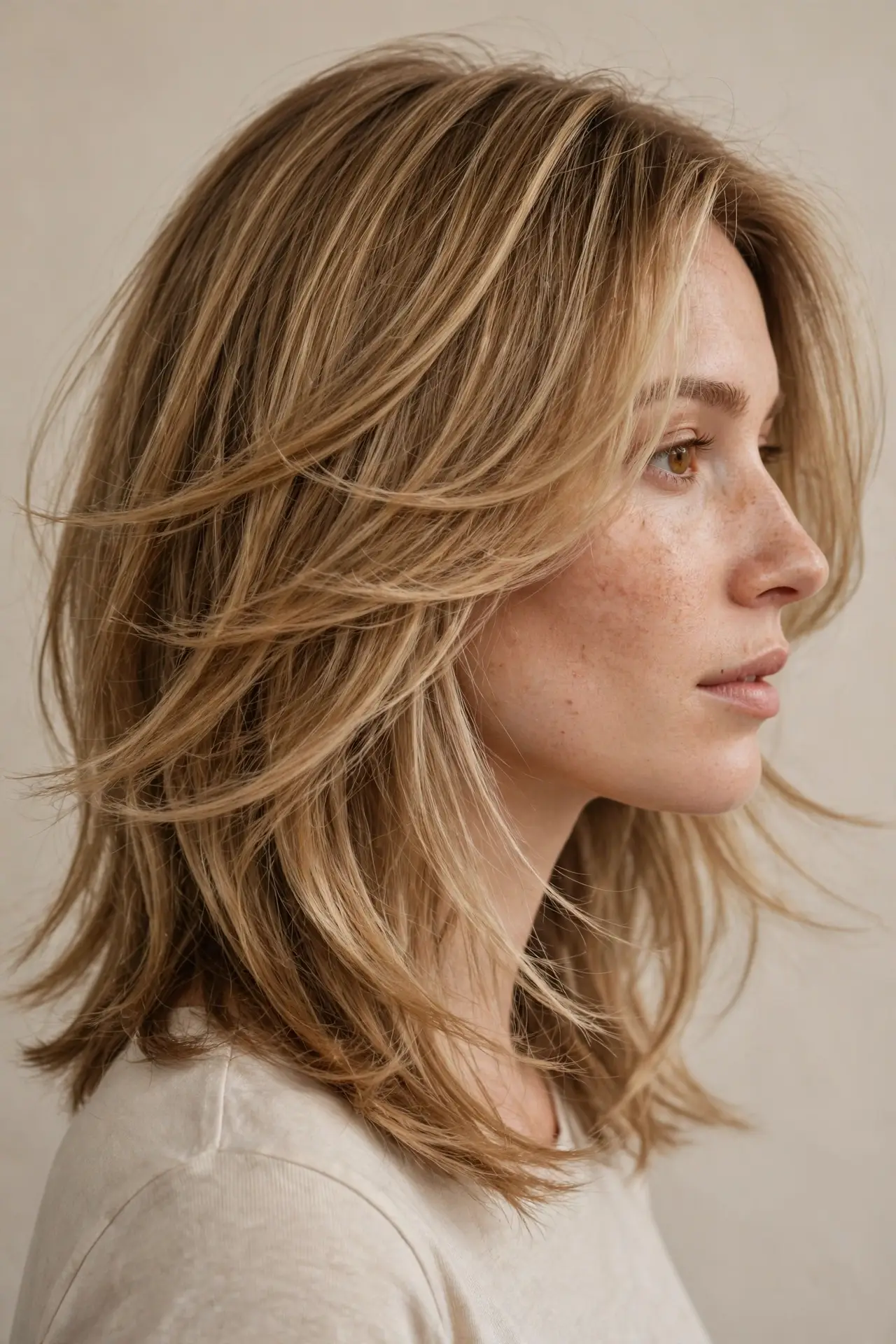
Here is the quiet magic of the collarbone. Hair that ends at this point draws the eye down past the jaw and chin, which elongates the neck and slims the lower face. It is optical illusion work, and it is free.
It also dodges the two classic problem zones. Shorter cuts can widen a round face. Longer hair can drag down fine features. Collarbone length sits between both, which is why stylists recommend it to clients who "cannot find a cut that works."
Face shape still matters for the details. Round faces do best with a center part and longer front pieces. Square jaws soften with face-framing layers.
The Salon Script: How to Ask for It
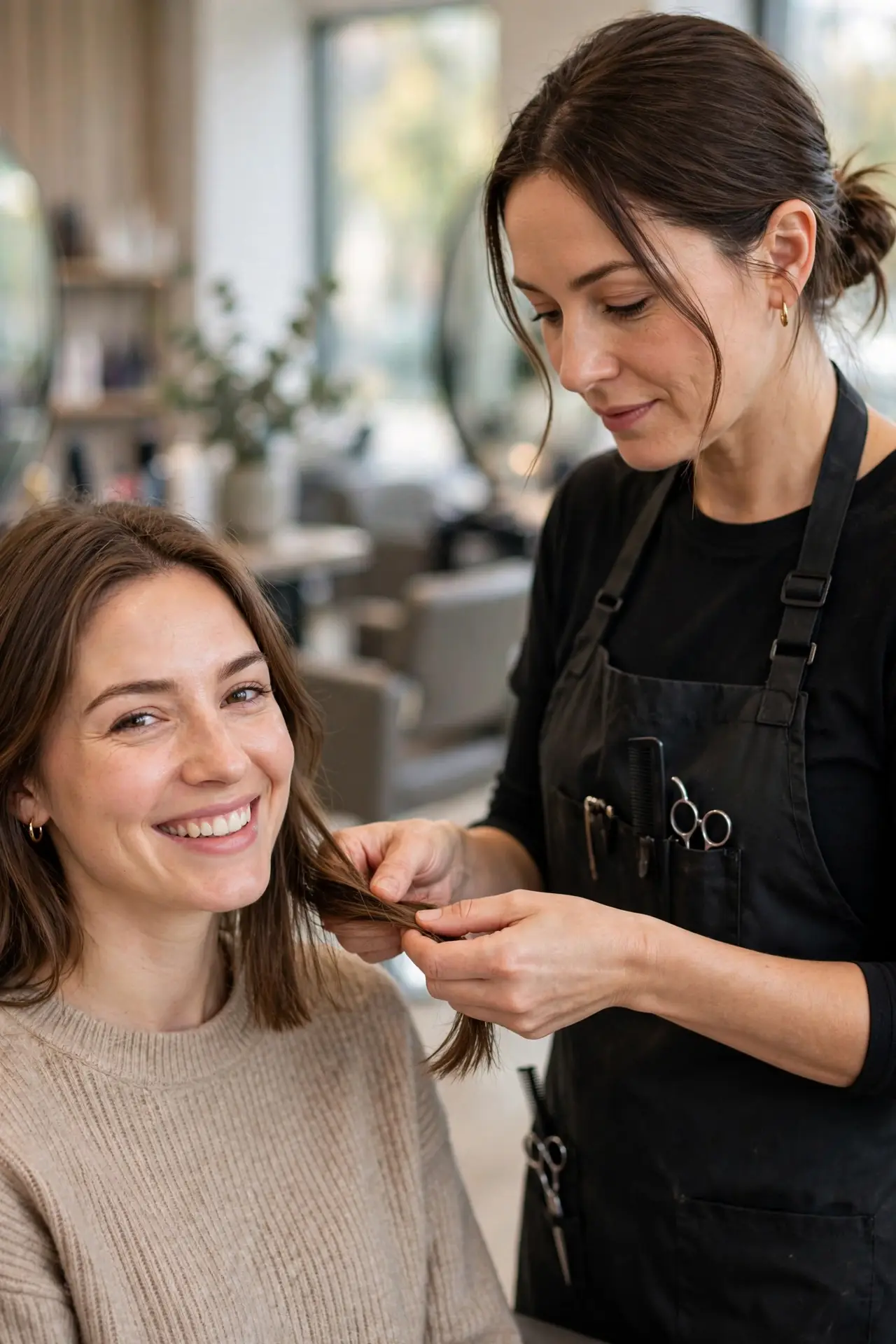
Walk in saying "collarbone length" and most stylists will know exactly where you mean. But a little specificity prevents the classic "it seemed longer in the chair" regret.
Try this: "I want the ends to graze my collarbones when dry, with the front pieces just barely longer than the back."
Bring photos of hair at this exact length, not just styles you like. Wet hair stretches, and collarbone wet can mean chin-length dry on curly hair.
The Blunt Collarbone Cut

The blunt version is the power move. One clean line, no layers, ends cut straight across at the collarbone. It reads sharp, modern, and deliberate.
This works best on straight to slightly wavy hair, where the clean edge stays visible. On very thick hair, ask for invisible internal layering so the bottom does not flip out like a bell.
The blunt collarbone cut is also the lowest-maintenance version. It grows out evenly and looks polished air-dried. If low effort is the goal, our low maintenance haircuts roundup has more in this spirit.
Collarbone Length with Face-Framing Layers

If blunt feels too severe, face-framing layers are the softening trick. Keep the back at collarbone length and let the pieces around your face start at the chin or cheekbone.
This is the version that photographs best, because the shorter front pieces create movement every time you turn your head.
Ask for the framing to start no higher than the chin unless you want a retro feel. And keep the layers long through the back.
The Soft-Bend Collarbone Lob

The soft-bend lob is collarbone length with a lived-in wave through the mid-lengths and ends. Think second-day hair, but on purpose and every day.
You get there with a large barrel iron or a flat iron bent at the ends. The trick is leaving the last inch straight so the wave looks effortless instead of pageant-ready.
This is the going-out version of the cut. If you love the flicked, bouncy take on this length, our flippy lob guide breaks down that specific finish step by step.
Styling It in Under Ten Minutes
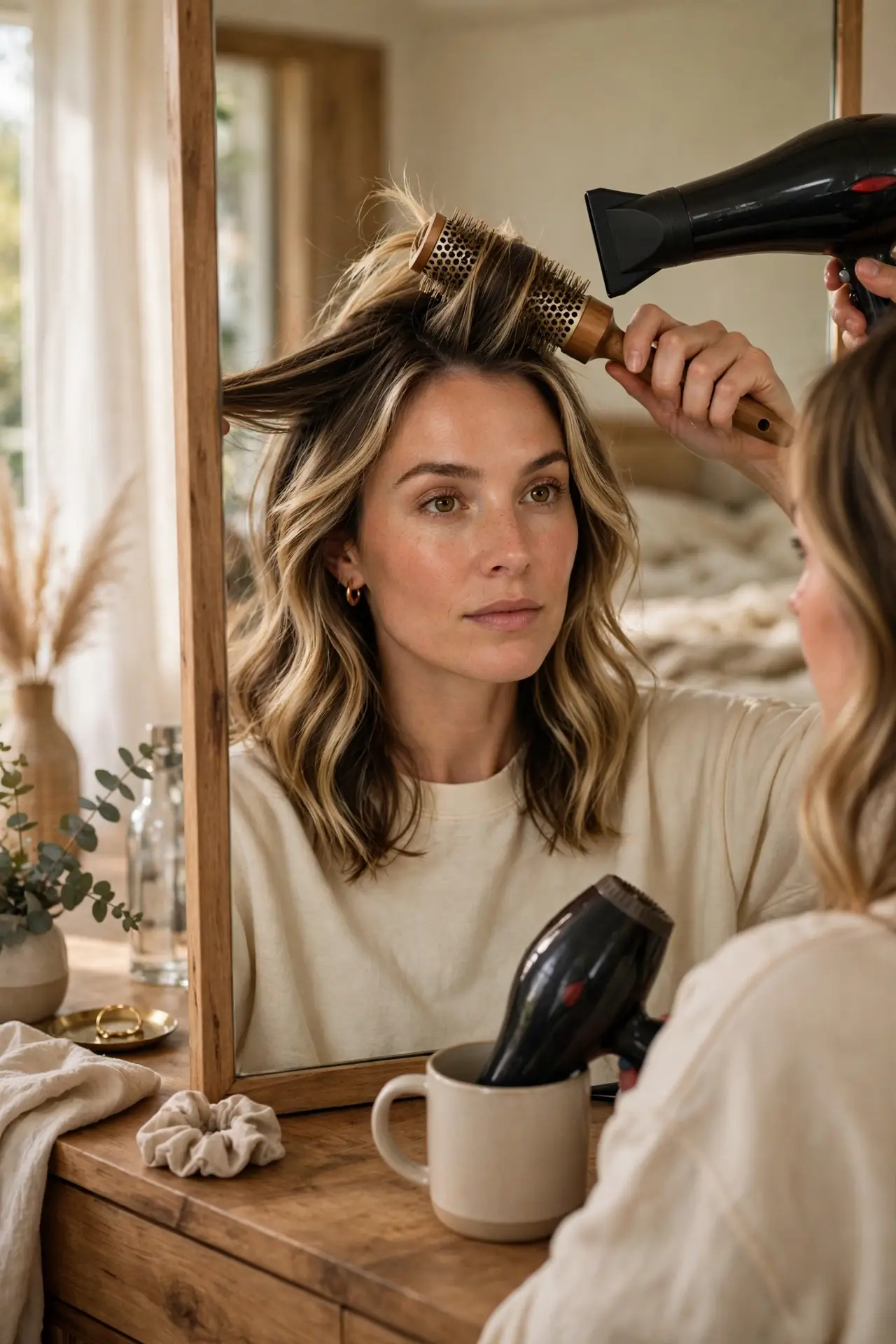
The best thing about this length is how little it asks of you. Wash, rough dry, and you already have a shape. Everything beyond that is optional.
For polish, a round brush and dryer on the front pieces takes five minutes and makes the whole head look done.
It also plays well with accessories. Claw clips actually hold at this length, and a low ponytail looks intentional instead of stubby. When you want the bigger picture on styling mid lengths, our medium length haircuts guide covers the full range of cuts at this zone.
Growing It Out Without the Awkward Phase
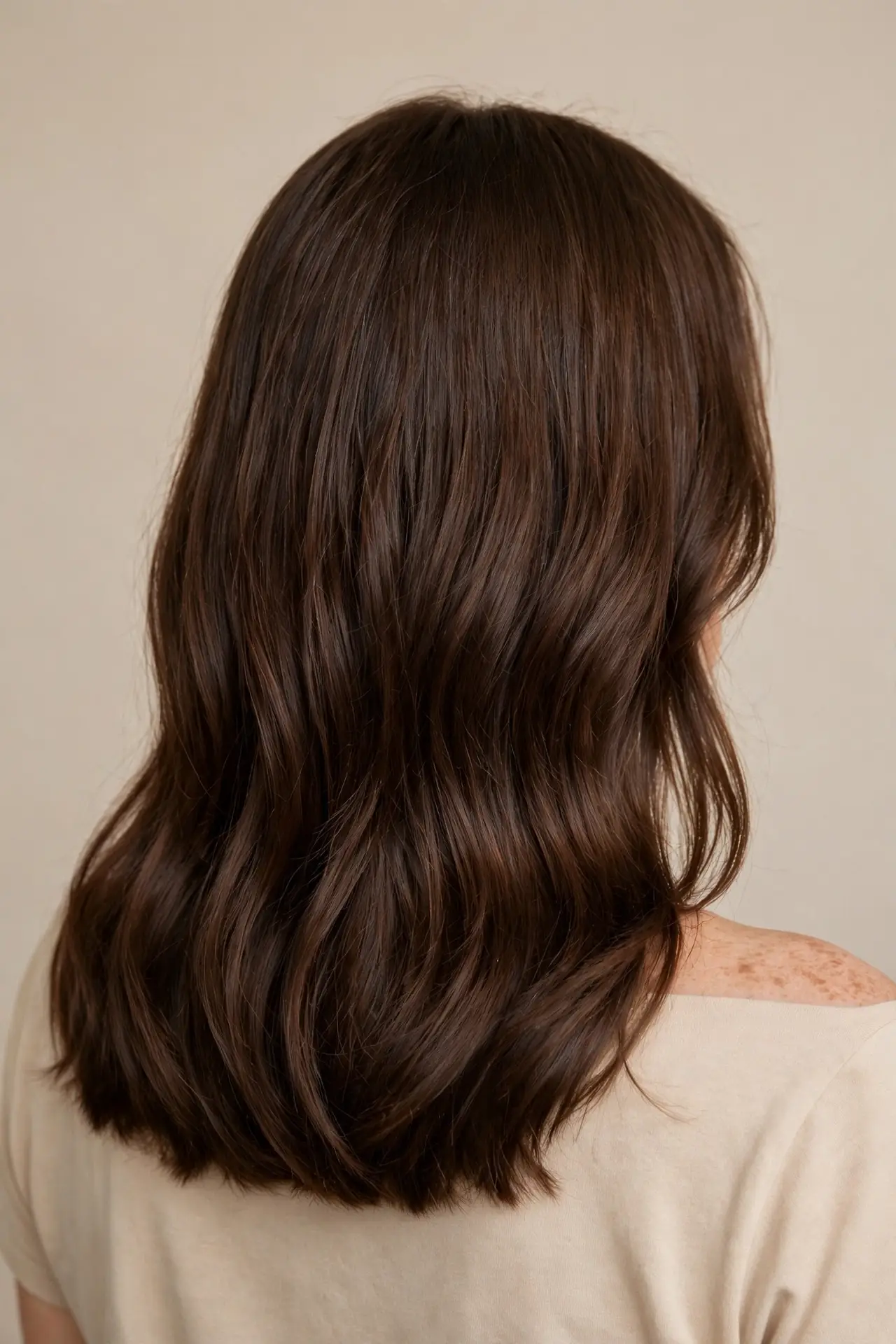
Collarbone length is the best launchpad for growing your hair out, because every stage still looks like a haircut. That is not true of growing out a pixie or a chin bob.
The strategy is simple: trim the ends every ten weeks to keep them thick while the length accumulates.
If you are growing toward long hair eventually, start adding long layers once you pass the shoulders. Our layered hairstyles for long hair picks up right where this cut leaves off.
The Honest Caveats: Who Should Think Twice

Almost everyone can wear this length, but a few hair types need a plan. Very curly hair shrinks, so cut it dry or ask for it left longer than the collarbone when wet. The spring factor is real.
Very fine, thin hair can look sparse at this length if the ends are wispy. The fix is a blunt perimeter with no thinning shears, which keeps the bottom edge looking full.
And if you are devoted to high ponytails and topknots, know that collarbone length gives you a short, perky pony. Cute, but not the long swishy kind. If that bothers you, a bob haircut commits fully to short, or keep growing toward long.
Point at your collarbone in the mirror and book the appointment for your collarbone length haircut. For pro stylist quotes on this exact length, this stylist-backed bob guide is worth a skim before you sit in the chair.