Quick weave hairstyles where wefts of hair are glued directly onto a wig cap or protective cap over your own,usually cornrowed flat or straightened hair, instead of being sewn onto braids. It typically takes 1,2 hours instead of 4,6, costs less, and works on almost any hair length or texture from a chin length bob to waist-length curls.
Below, you’ll find quick weave ideas by length and texture, the styling and maintenance realities nobody tells you upfront, and the mistakes that make a quick weave look well, quick
What a Quick Weave Actually Is
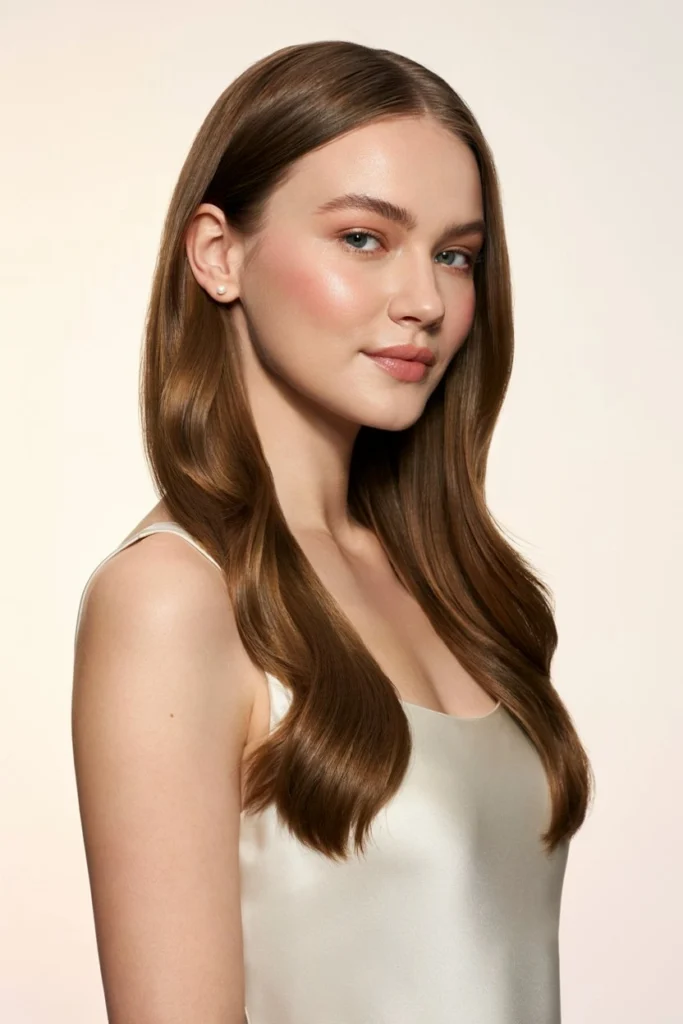
A quick weave isn’t braided in it’s glued. Your stylist ,or you, if you’re doing it at home,flattens your natural hair with cornrows or a silk press, stretches a wig cap over it, and then bonds the wefts to that cap with hair glue instead of thread and needle.
That single difference changes everything about the process. No hours of braiding. No tension on your edges from tight cornrows. And because the cap sits closer to the scalp than braided tracks do, quick weaves usually lie flatter, which is part of why they’ve become such a go to for special occasions and busy weeks alike.
How a Quick Weave Differs From a Sew In
A sew-in requires your natural hair to be braided into cornrows first, then wefts are sewn onto those braids with a needle and thread. It holds longer often 6 to 8 weeks but takes real time to install and remove.
A quick weave skips the needle entirely. Glue bonds the hair to the cap, which means installation is faster, but it also means the style has a shorter realistic lifespan, usually 2 to 4 weeks, before the bond starts lifting at the edges.
Who Quick Weave Hairstyles Work Best For
Quick weaves are popular with women who want a full, salon-fresh look without committing an entire day to getting it done. They’re also a solid option if you’re transitioning your natural hair, recovering from heat damage, or just want a break from daily styling.
They tend to work less well for anyone with a sensitive scalp, since the glue sits directly against skin at the hairline in some methods. If that’s you, ask about a stocking cap application instead of a direct scalp bond it adds a thin barrier layer that a lot of people find more comfortable.
Trending Quick Weave Styles Right Now
Short and Bob Quick Weaves
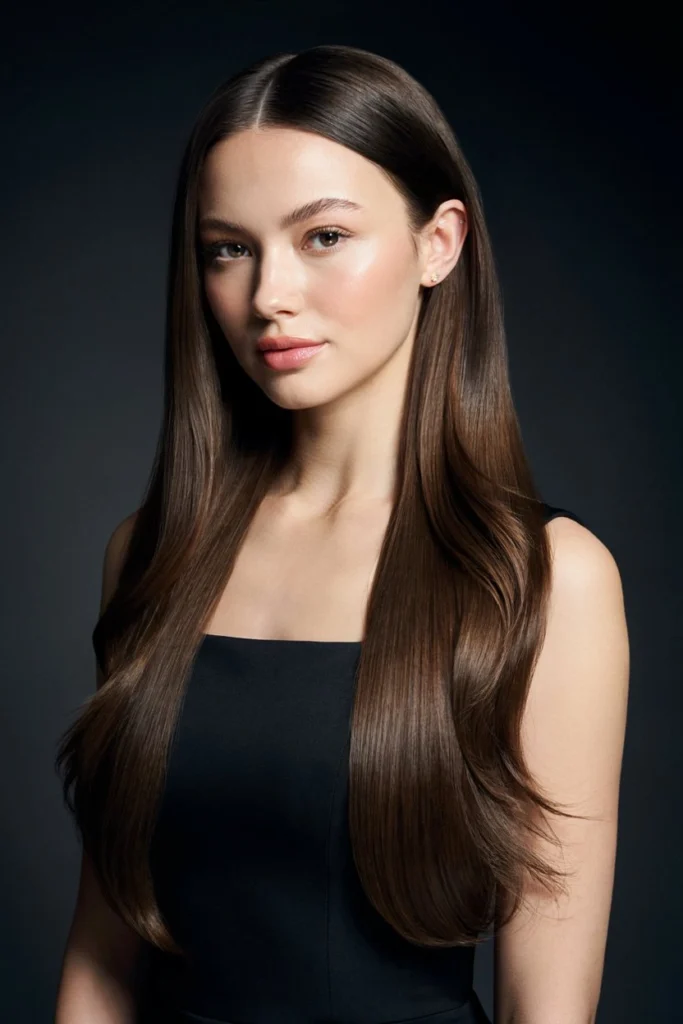
Bob length quick weaves are having a real moment, and it’s not hard to see why they’re lightweight, they photograph well, and they don’t require much daily upkeep. A blunt, chin length bob with a deep side part reads polished for work. A layered bob with soft curls at the ends feels more weekend casual.
Shorter styles also put less strain on the bond at your hairline, since there’s less weight pulling on it throughout the day.
Long and Voluminous Quick Weaves
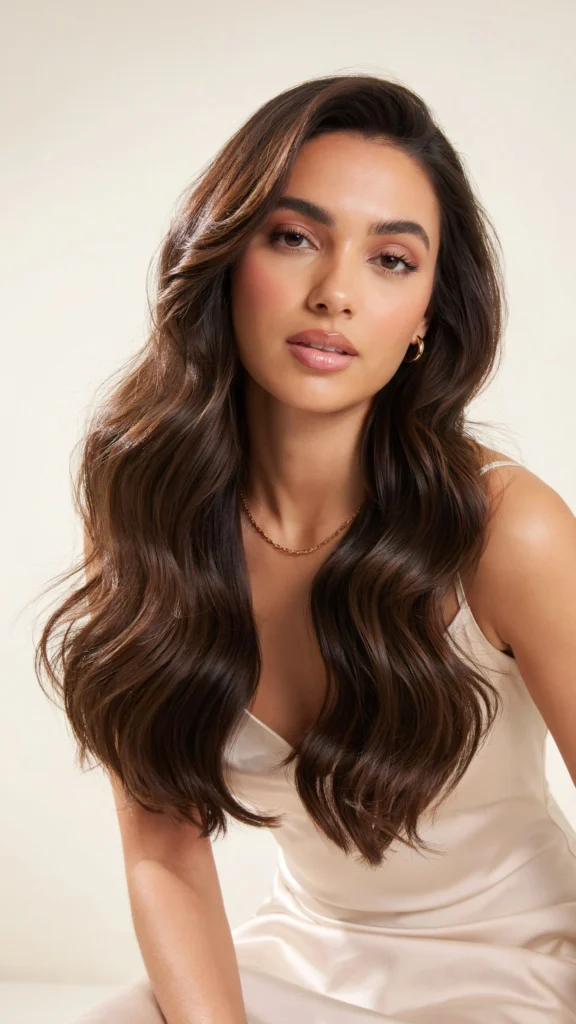
On the other end, long, body wave quick weaves continue to be one of the most requested looks for events, vacations, and photoshoots. Think mid-back length with loose, beachy waves, or a sleek, straight style with a middle part.
Longer, heavier hair does put more pull on the glue bond, so if you’re going long, ask your stylist about reinforcing the perimeter a thin strip of extra glue or a stronger hold adhesive right along the hairline so it holds up under the added weight.
Quick Weave Ideas by Hair Length
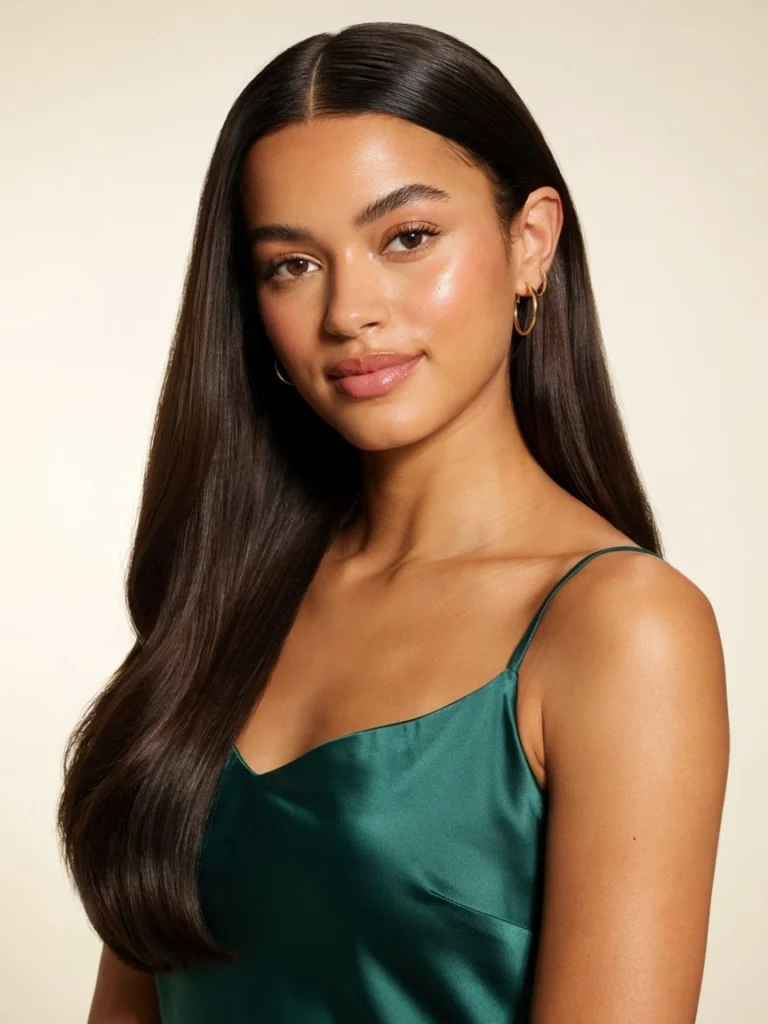
Short chin to shoulder: A textured pixie bob or a curly shoulder length bob works well here, especially with face framing layers. Short styles are also the most forgiving for first timers since there’s less hair to blend at the perimeter.
Medium shoulder to collarbone: This is where a lot of versatility lives think a wavy lob, a straight collarbone cut with curtain bangs, or soft finger waves for a retro inspired look.
Long past the shoulders: Body waves, deep curls, and sleek straight styles all read beautifully at this length. Just know that longer hair generally means a shorter wear-time before the edges need a touch-up, simply because there’s more weight working against the bond.
Best Textures and Colors for Quick Weaves
Quick weaves come in nearly every texture straight, body wave, deep wave, kinky curly and choosing one usually comes down to how closely you want it to match or contrast your natural texture at the hairline for a seamless blend.
Women with finer natural hair edges often lean toward a texture close to their own so the leave out blends without extra heat styling. If you plan to leave a small section of your natural hair out around the perimeter,a common technique for a more realistic hairline, matching texture matters more than matching color.
For color, warm honey blondes and soft balayage tones tend to photograph especially well in natural light, while jet black and deep brunette shades give the most seamless blend for those leaving out natural hair.
Styling Tips for a Natural Looking Quick Weave
The leave out is where a quick weave either looks completely natural or gives itself away. Blending that small section of your own hair with the wefts matching the curl pattern, the direction it falls, and the color is the single biggest factor in how convincing the finished style looks.
A few things that help:
- Flat iron or curl the leave out to match the weave’s texture before styling anything else.
- Use a lightweight edge control rather than a heavy gel, which can make the leave out look separate and shiny compared to the rest.
- Part placement should follow where your natural hair actually grows, not just wherever looks convenient an off pattern part is one of the fastest ways to spot a quick weave.
Humidity is worth planning around too. If you live somewhere muggy, a style with natural texture ,waves or curls, will hold up far better through the day than a bone straight install, which tends to frizz or “poof” at the roots faster in damp air.
Maintenance: Keeping a Quick Weave Looking Fresh
Quick weaves need gentler care than a lot of people expect, mostly because the priority is protecting the bond, not just the hair itself.
- Washing: Many stylists recommend a light co wash or scalp focused rinse rather than a full shampoo session, since heavy scrubbing near the hairline can loosen the glue prematurely.
- Sleeping: A satin or silk bonnet reduces friction at the perimeter, which is usually the first place a quick weave starts to lift.
- Realistic wear time: Most quick weaves look their best for 2 to 3 weeks. Past that point, new growth at the root and gradual loosening at the edges start to show, even with careful care.
- Removal: A dedicated glue remover or an oil based solvent, applied slowly, keeps natural hair from being ripped out along with the adhesive.
There’s a common belief that quick weaves are automatically “less damaging” than sew ins because there’s no braiding involved and it’s worth pushing back on that a little. The braiding tension in a sew in isn’t the only source of damage; the glue itself, especially with frequent reinstalls, can be just as hard on the hairline over time. The real deciding factor is how the style is installed and removed, not just which method you choose.
Common Quick Weave Mistakes to Avoid
- Skipping the protective cap prep. Going straight from wet or partially set cornrows to gluing wefts on top traps moisture and can lead to an itchy scalp or mildew smell within days.
- Using too much glue. More adhesive doesn’t mean a longer-lasting install it usually just means a harder, messier removal.
- Ignoring the leave out. A quick weave with an unblended leave out is the number one giveaway that it’s not natural hair.
- Wearing it too long. Pushing past the 3 week mark to “get your money’s worth” tends to backfire, both for how the style looks and for scalp health.
- Choosing the wrong texture for your climate. A sleek straight install in a humid climate is fighting an uphill battle from day one.
FAQs
How long does a quick weave last? Most quick weaves hold up well for 2 to 3 weeks. Some can stretch to 4 with careful maintenance, but the edges typically start lifting before then.
Does a quick weave damage your natural hair? It can, mainly at the hairline where glue is applied and removed repeatedly. Using proper removal products and giving your hair a break between installs helps minimize this.
Can I wash a quick weave? Yes, but gently. A light co wash focused on the scalp is generally safer than a full shampoo, which can loosen the bond faster.
Is a quick weave cheaper than a sew-in? Usually, yes both because the wefts needed are often fewer and because the shorter installation time typically means a lower service cost.
Can quick weaves work on natural hair that’s not relaxed? Yes. Cornrowing or flat twisting natural hair before applying the cap works well regardless of whether it’s relaxed, transitioning, or fully natural