You’ve got brown hair and a restless streak, but blonde feels like too big a leap, and keeping the exact same shade feels worse.
I hear that in the salon every week. Light brown hair is where most of those clients land, because it lifts the whole look while keeping the depth that makes brown so forgiving.
The eight shades below span every undertone and every comfort level, from a whisper of sand to a full sun-kissed melt. Screenshot the ones that pull you in, then read the matching notes, because the shade family matters more than the exact photo.
One of them is your next color.
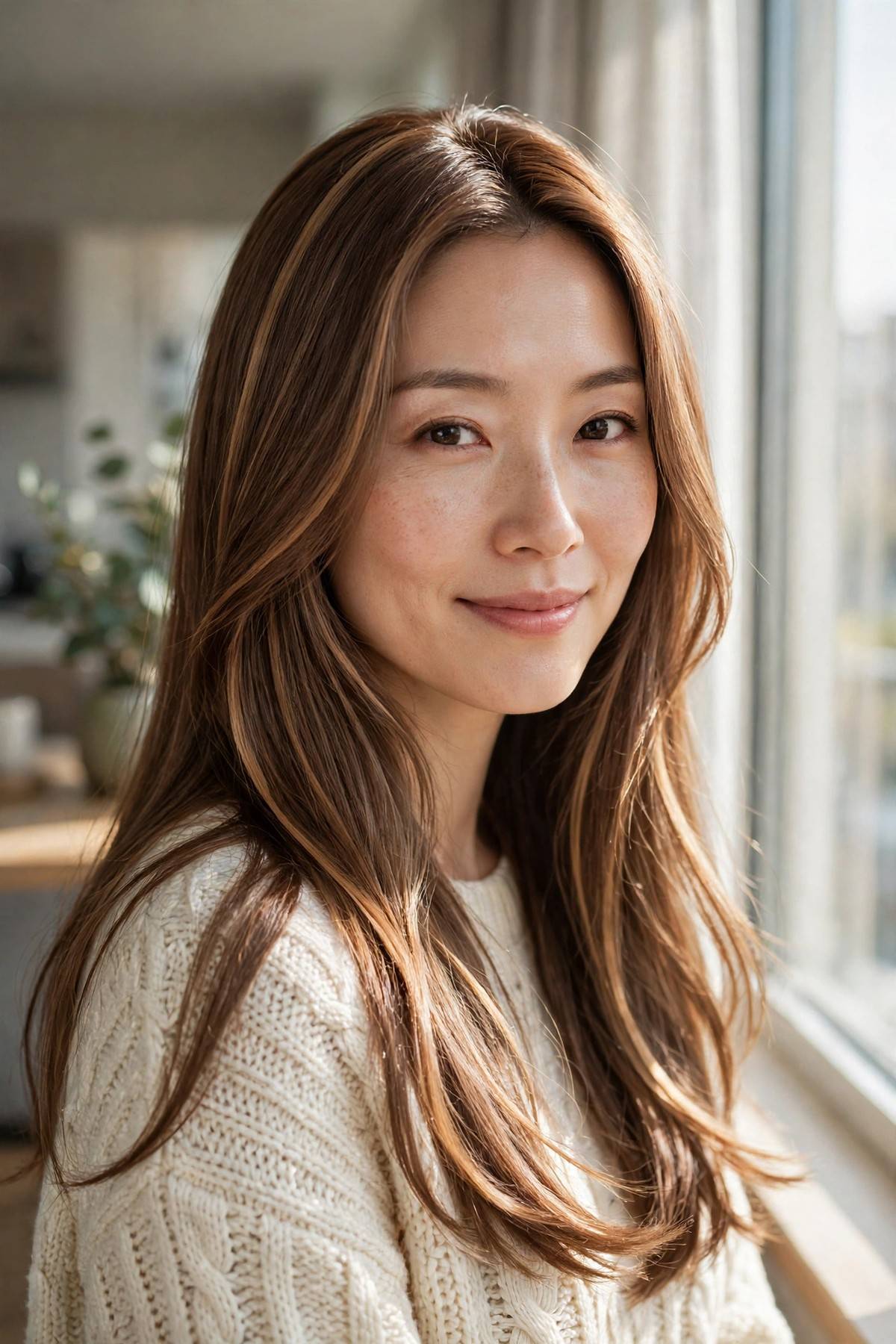
Table of Contents
Sandy Light Brown
Sandy is the quiet one of the family, a neutral beige-brown that sits right between warm and cool.
It suits fair to medium skin that flushes pink, because the beige cast calms redness instead of picking a fight with it. On a darker natural base it reads as a soft lift rather than a full color change.
Ask for a level seven sandy brown with a beige toner, and bring photos taken in daylight. Sandy shades can pull orange under warm salon bulbs, so a daylight reference keeps you and your colorist looking at the same color.
Light Ash Brown
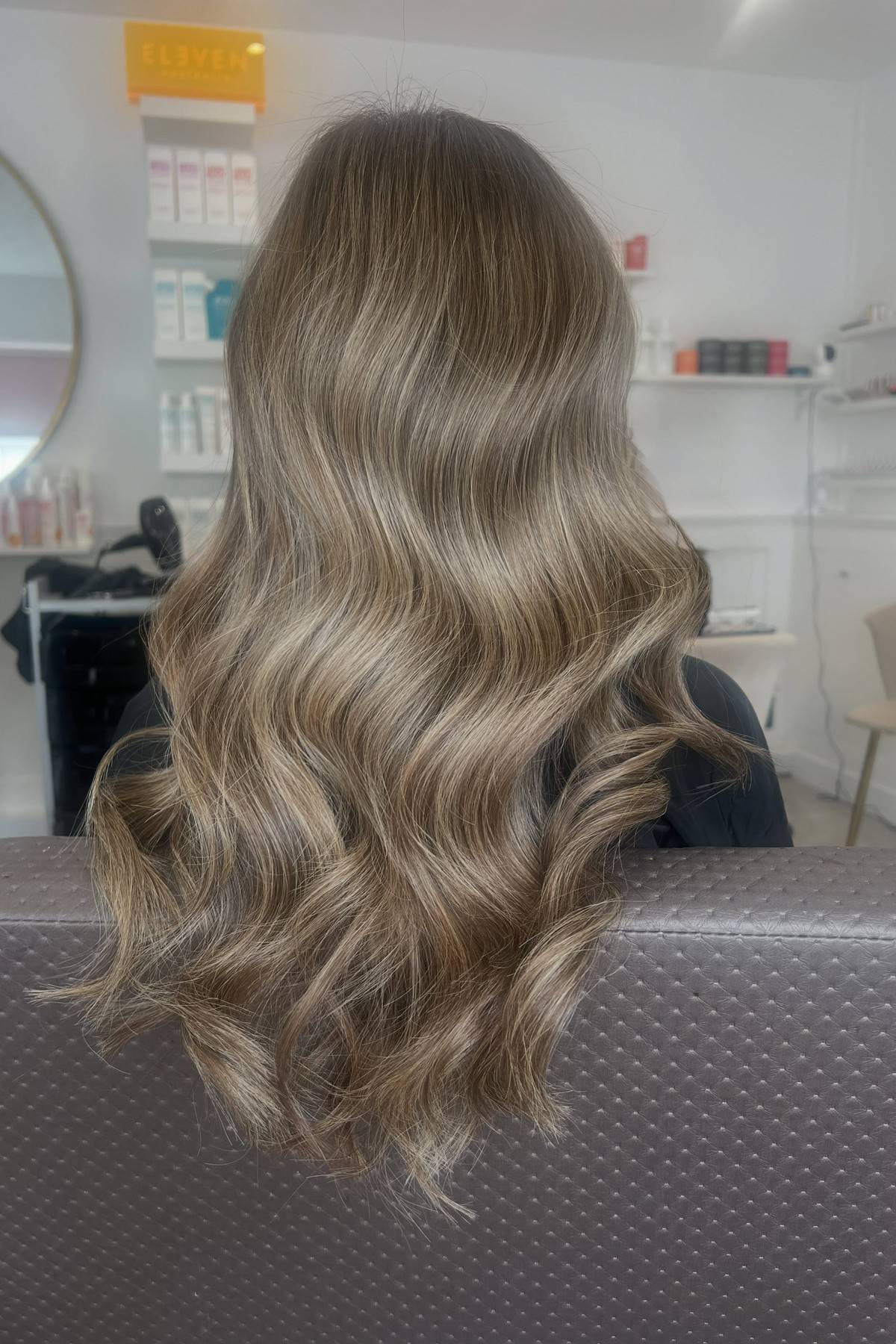
Ash is the shade clients request when warmth keeps sneaking back into their hair and they are tired of seeing orange in every photo.
The smoky, mushroom-leaning tone cancels red and brass, which is why it photographs so clean in natural light. If your skin leans cool or olive and gold jewelry washes you out, this family will feel like home.
One honest warning from my side of the chair: ash fades faster than the warm shades, and it can read flat on very golden skin. Our mushroom brown hair guide walks through the same cool family if you want to compare depths before you commit.
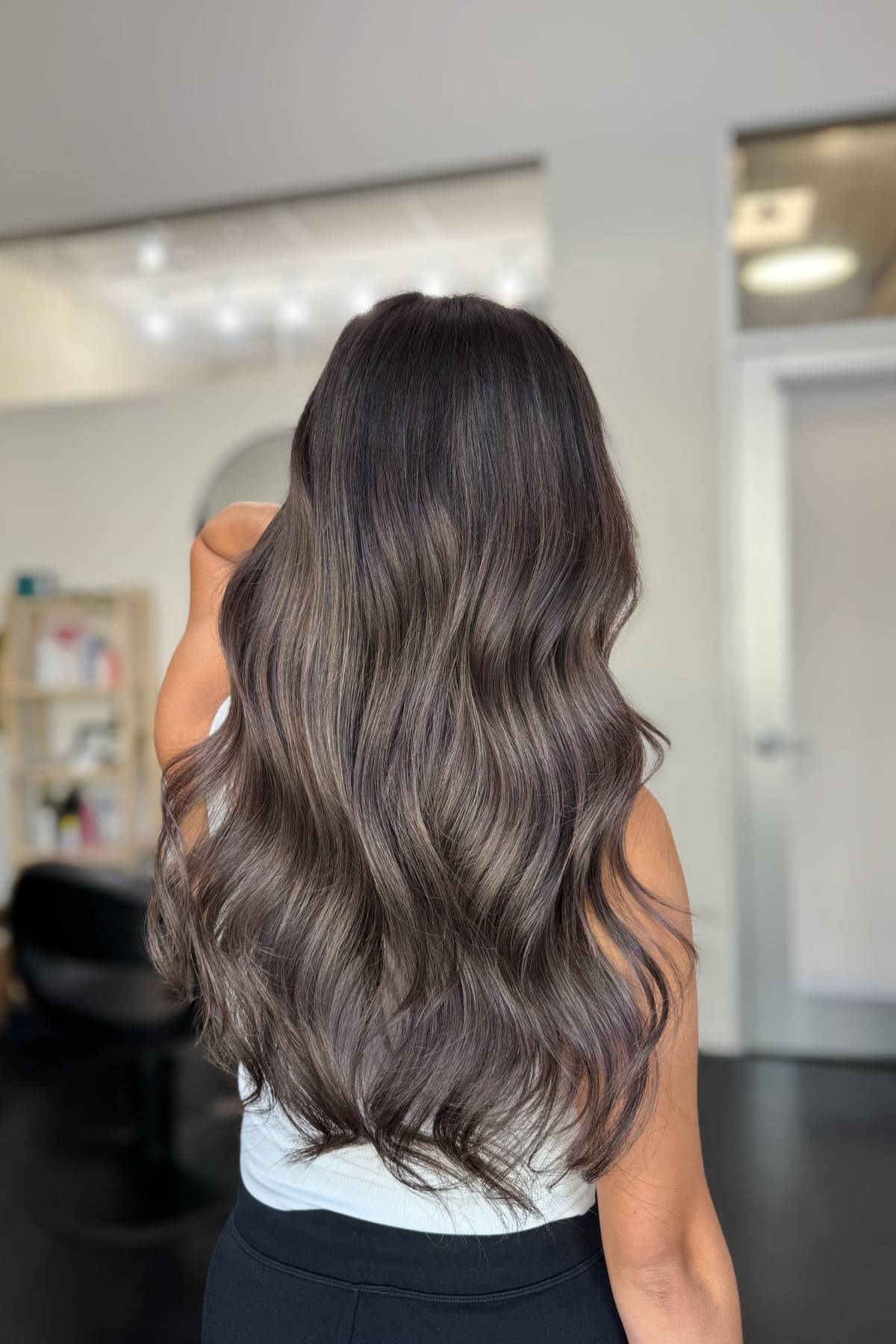
Honey-Kissed Light Brown
Honey-kissed is what I suggest when a client wants glow without giving up her brunette identity.
Fine golden ribbons melt through a light brown base, so the hair catches light the way it does after a week near the beach. Warm and neutral skin tones wear it best, and green or hazel eyes tend to look brighter against it.
Because the ribbons are painted on rather than foiled to the root, the grow-out stays soft for months. If honey tones are your weakness, our roundup of honey brown hair ideas shows the deeper end of the same family.
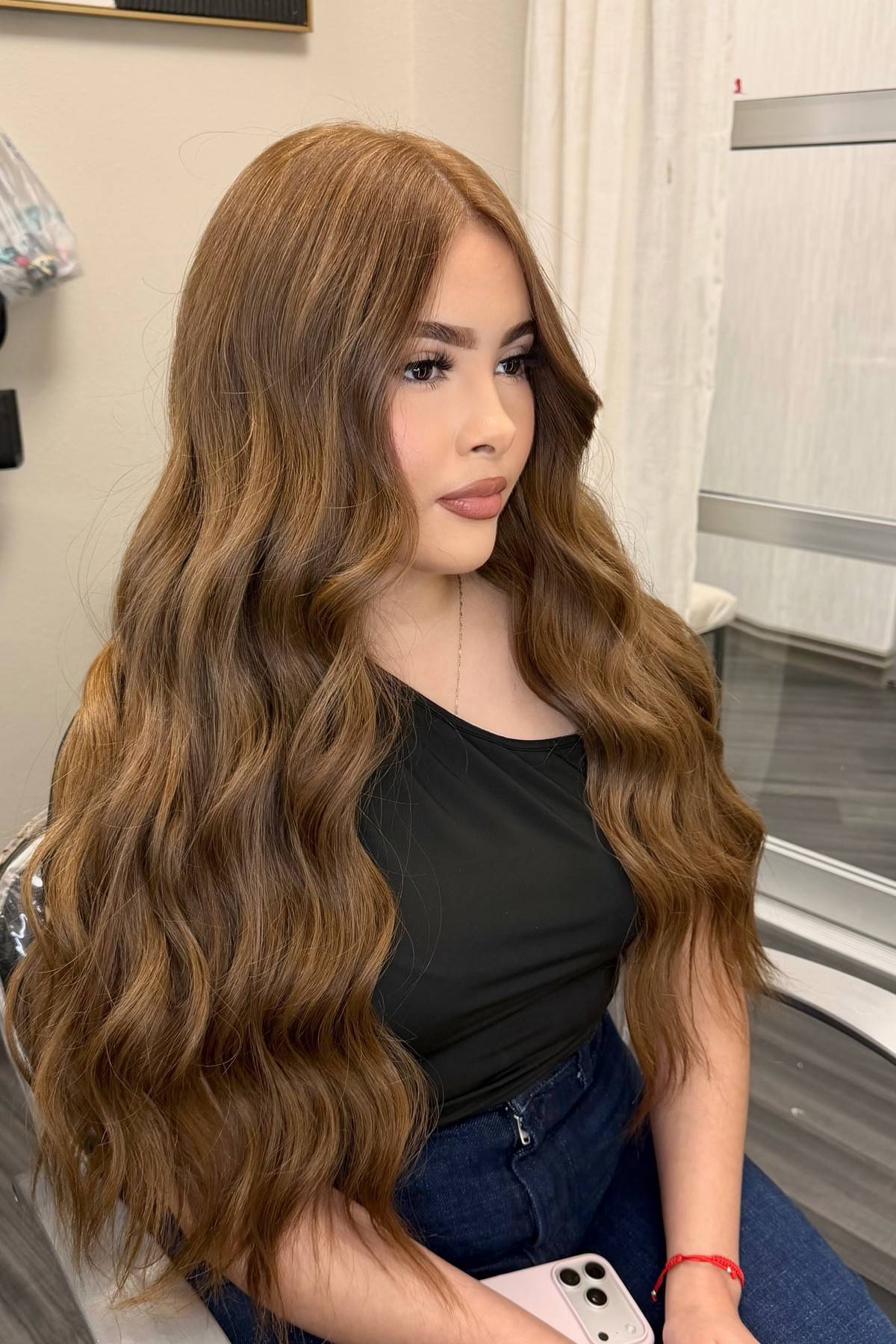
Light Chestnut Brown
Chestnut brings a red-gold warmth that makes light brown feel rich instead of washed out.
It is a kind choice for pale skin that needs color near the face, and the warmth makes fine hair look thicker than it really is. Clients with natural warmth in their base usually find chestnut fades the prettiest of all eight shades here.
Ask your colorist to keep the red subtle, more toasted than copper. Chestnut turns brassy faster than it fades, so a gloss every few weeks keeps the warmth tasting expensive instead of rusty.
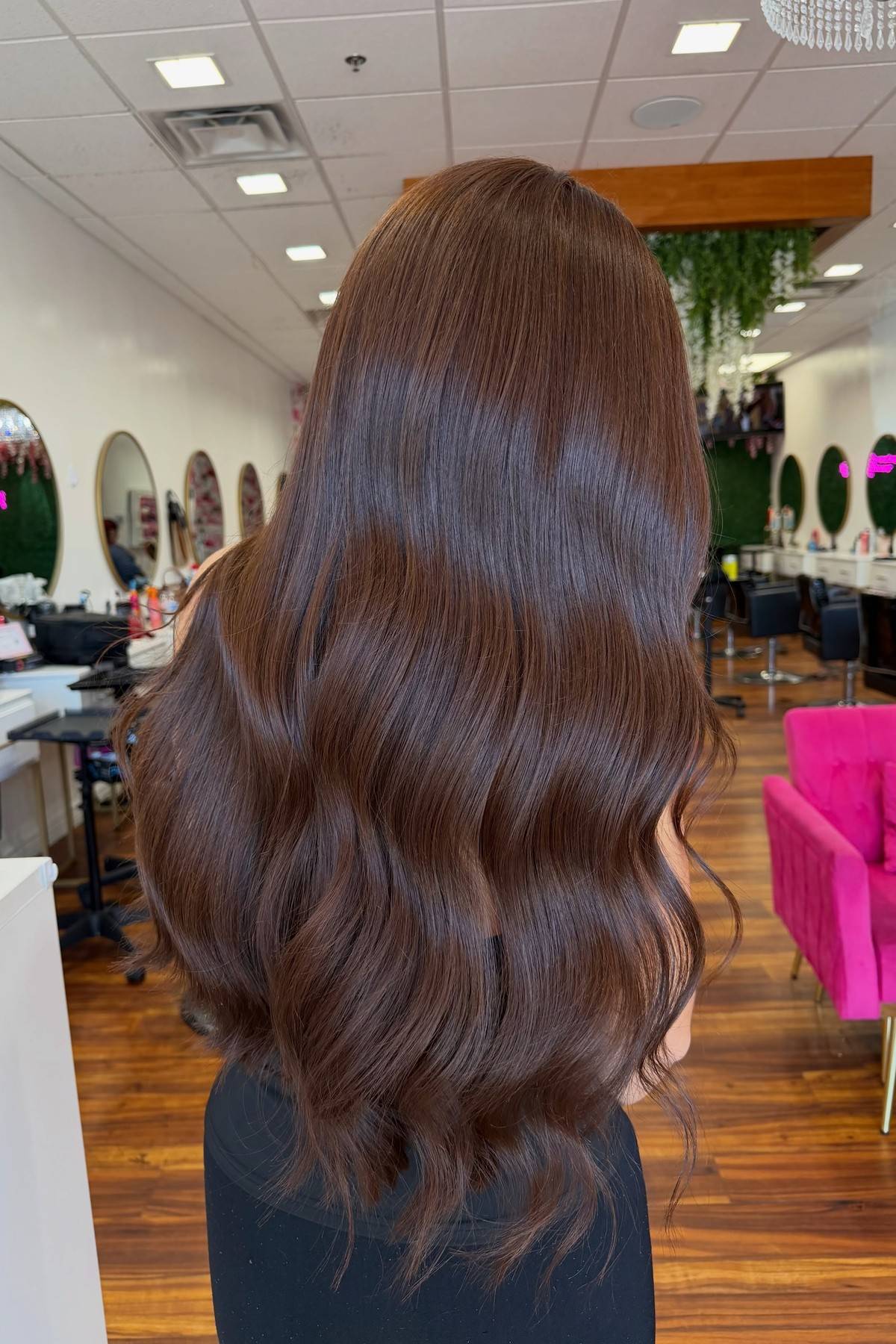
Cinnamon Light Brown
Cinnamon is chestnut’s spicier sister, a light brown with a visible copper glow that wakes up the whole face.
It flatters warm and olive skin, deepens brown eyes, and makes green eyes look almost unfairly bright. On camera it reads warm rather than red, which is why clients who need something different but office-safe keep choosing it.
The trade-off is upkeep. Red-family pigments leave the hair fastest, so plan on a gloss refresh every four to six weeks, wash cool, and wash less often than you want to.
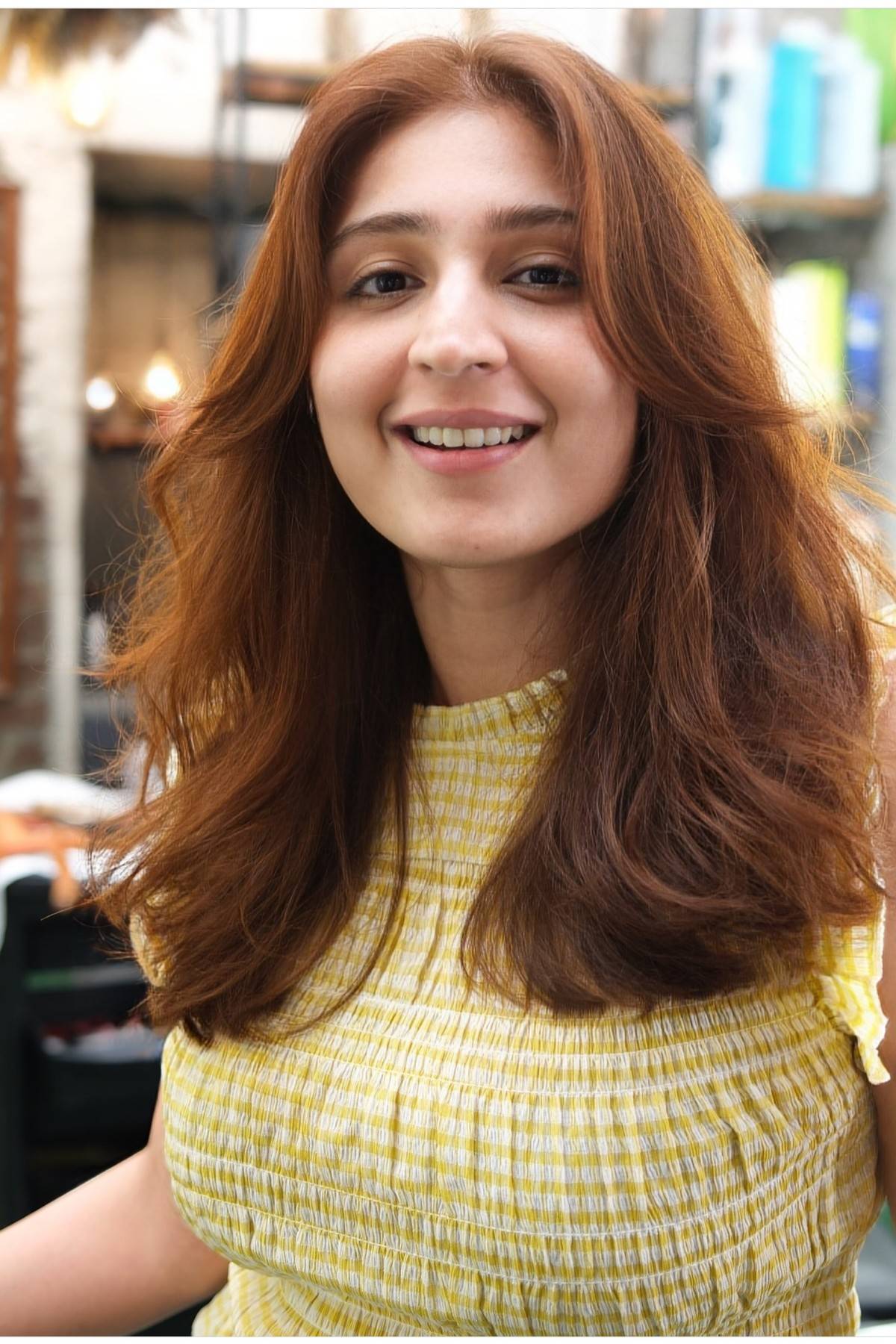
Beige Brown
Beige brown is the neutral middle child of the group: not gold, not ash, just a soft café au lait tone.
That neutrality is exactly why it suits so many people. If warm shades make you look sallow and ash shades make you look tired, beige usually lands in the flattering middle.
Ask for a neutral level seven with a beige glaze, and show your colorist photos of coffee with milk rather than sand or stone. The right photo prevents the only two arguments this shade ever causes, too warm or too grey.
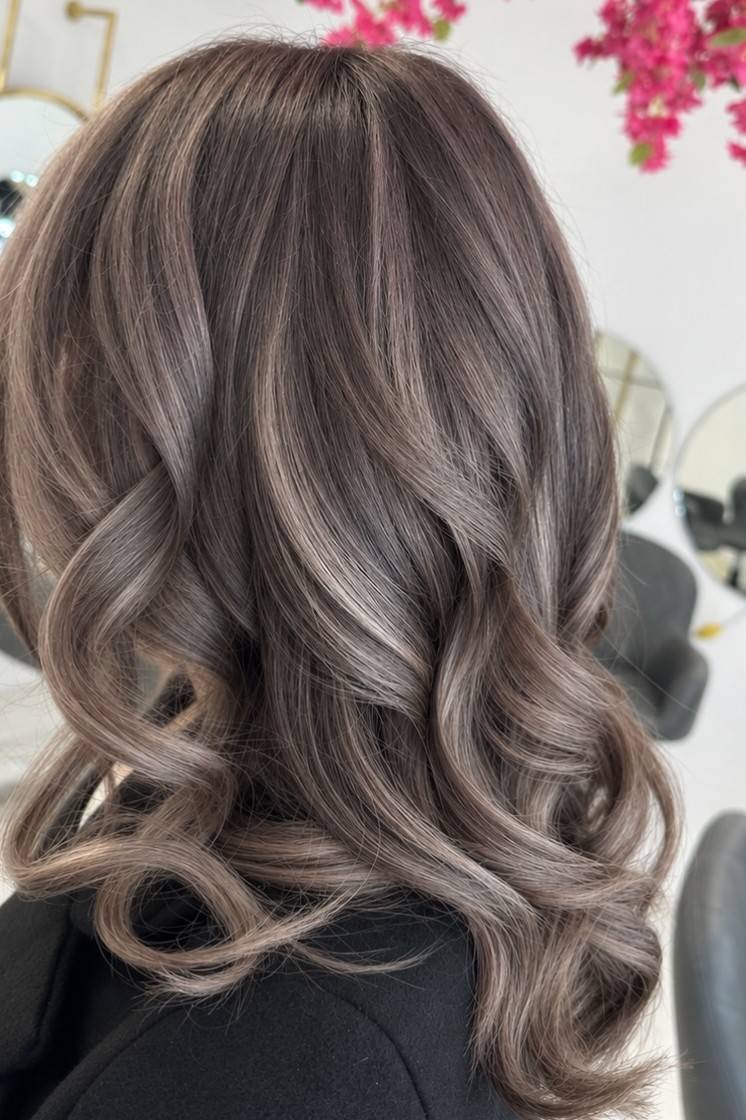
Sun-Kissed Light Brown Balayage
Balayage is a technique rather than a single shade, but the light brown version earns its own slot on this list.
Your colorist paints lighter pieces through the mid-lengths and ends while the root stays close to your natural depth. The effect mimics a summer spent outdoors, and it grows out without a harsh line at the top.
It is the lowest-maintenance route here, often stretching four months between appointments. Our caramel balayage hair guide shows how the same painting technique shifts warmer, if you want to compare tones before choosing.
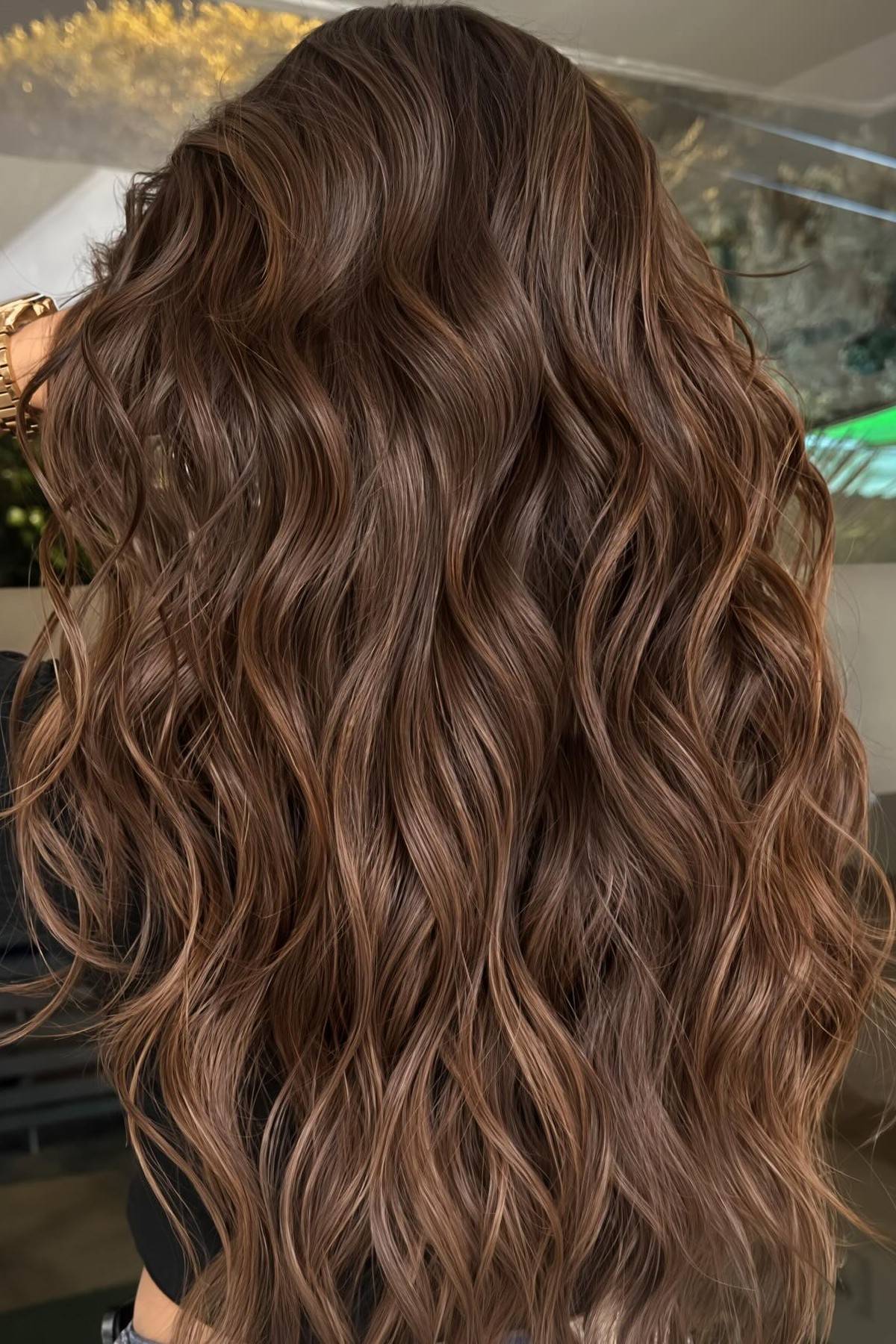
Light Brown with Face-Framing Highlights
Sometimes the smartest move is leaving most of your color alone and brightening only the pieces that frame your face.
Front pieces two or three shades lighter lift your features the way good lighting does, and the look flatters every skin tone because your natural depth stays in charge everywhere else. It is also the quickest, cheapest appointment on this list.
Ask for a blended money piece that melts into soft ribbons rather than two stark stripes. Your future self, deep into a painless grow-out, will be grateful you kept it soft.
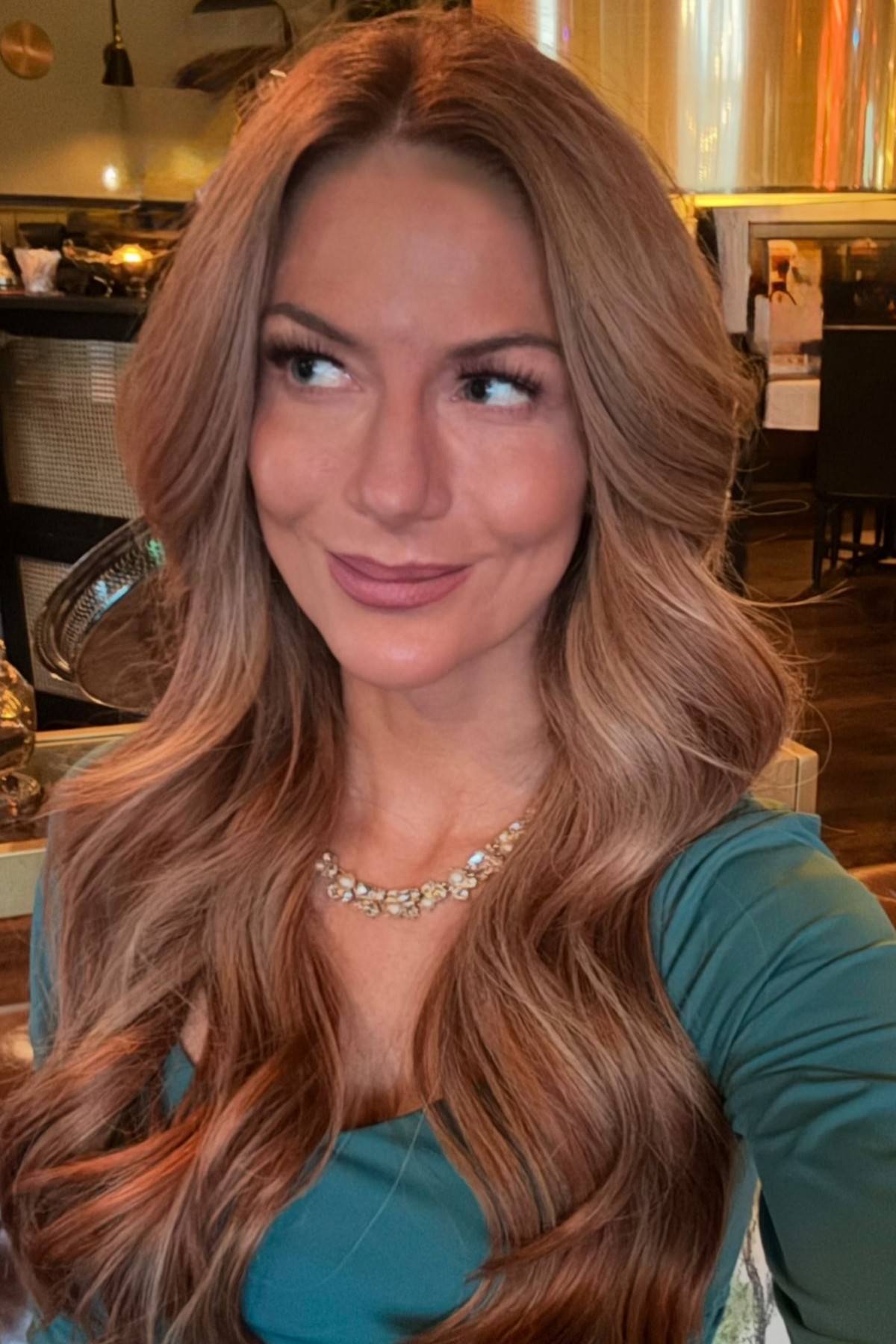
Match the Shade to Your Skin Tone First
Before you fall for a photo, find your undertone. Flip your wrist over in daylight: veins that read green usually mean warm skin, blue or purple veins point cool, and a mix of both means neutral.
Warm skin glows in honey, chestnut, and cinnamon. Cool skin comes alive in ash and sandy shades, and neutral skin can borrow from either side, though beige brown tends to be its safest everyday bet.
Still unsure? Hold gold jewelry against your jaw, then silver. The metal that makes your skin look clearer rather than greyer is the family your hair color should follow.
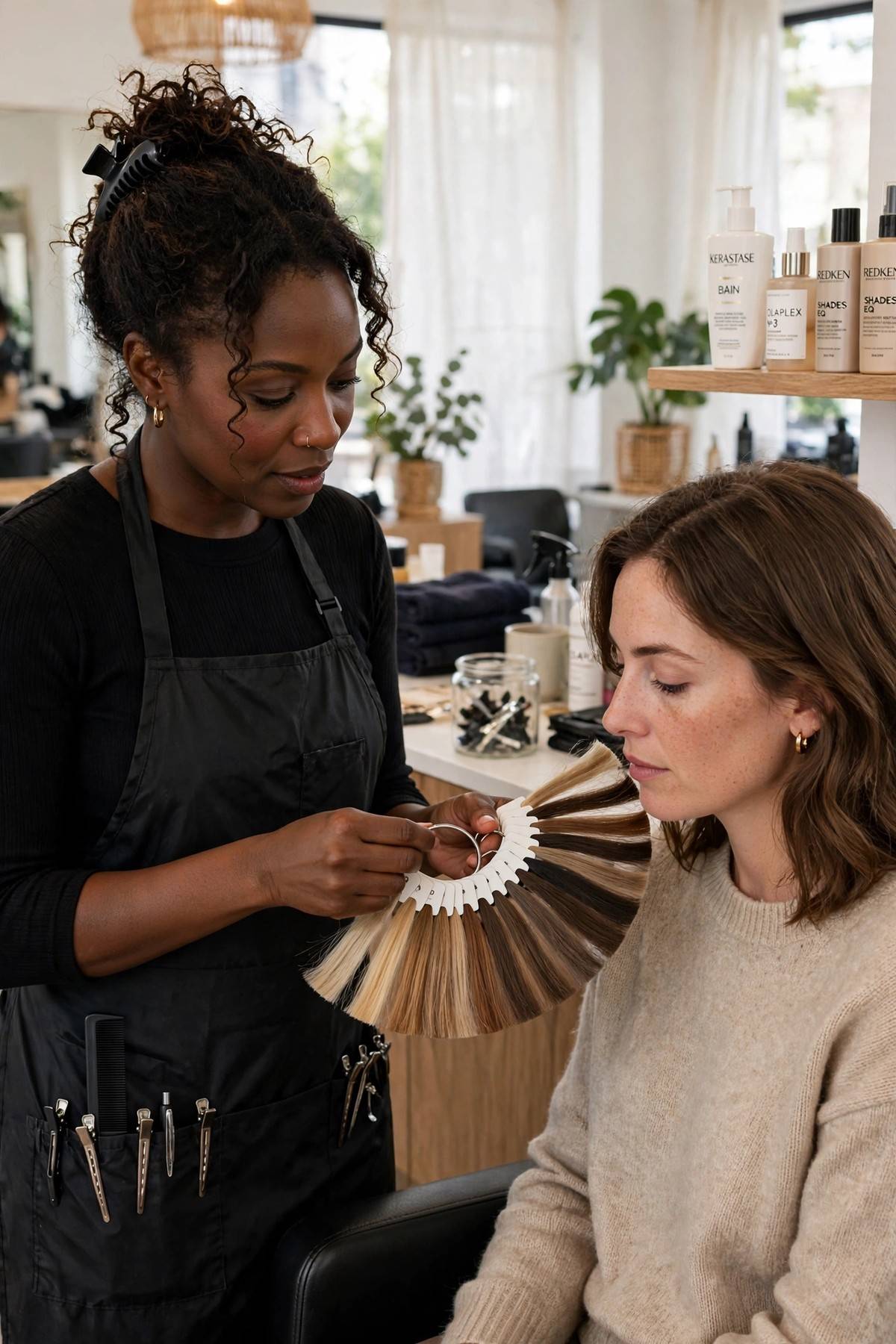
Keep Light Brown from Going Brassy
Lightened brown hair exposes the warm pigment hiding underneath, and that warmth creeps back as color fades. Sun, hot water, and hard water all speed the process along.
A toning shampoo once a week keeps ash and beige shades clean, while warm shades hold better with a color-depositing gloss. The American Academy of Dermatology’s healthy hair tips back up the basics here: wash gently, condition every time, and go easy on the heat.
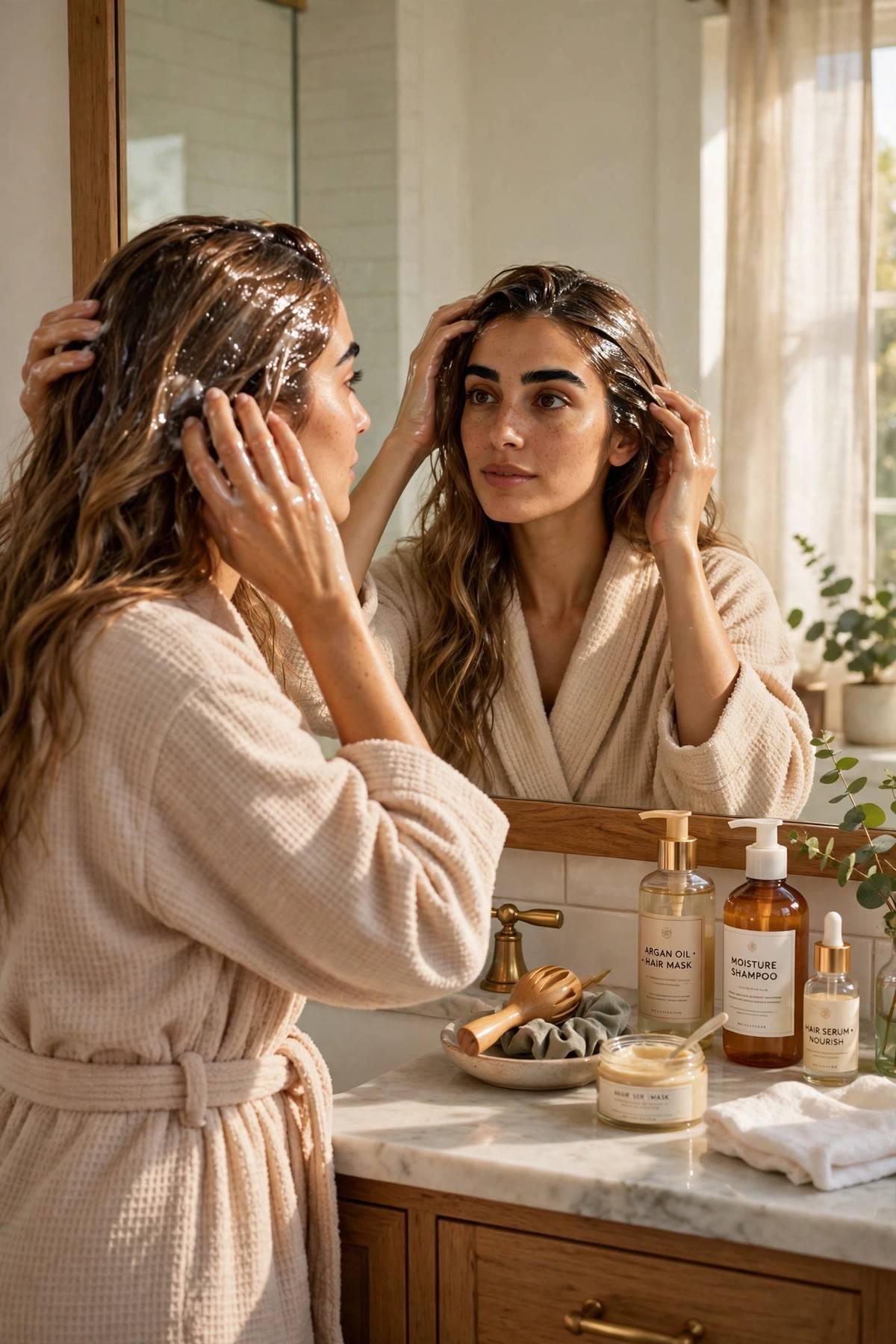
If your tap water is hard, a clarifying wash every few weeks strips the mineral film that makes light brown look dull. Follow it with a mask, because clarifying without conditioning leaves lightened hair thirsty.
Lower the hot tools where you can, rinse lukewarm, and use a UV spray on long outdoor days. Light brown rewards small habits far more than expensive rescue treatments.
Quick Answers
Does light brown hair need bleach?
That depends on your starting point. Hair that is already medium brown or lighter usually lifts with permanent color alone, while dark brown and black bases need lightener to reach a true light brown.
How often does light brown need refreshing?
Most clients refresh every six to ten weeks. Balayage and face-framing versions stretch longest because the grow-out is soft, while all-over ash and cinnamon ask for glosses more often.
Will light brown hair cover grey?
Yes, as long as the formula includes full-coverage permanent color at the root. Sheer glosses and balayage soften grey into a blend instead of hiding it, which some clients end up preferring.
What makeup pairs well with light brown hair?
Warm peachy blush and bronzer suit the warm shades, while cool pink blush flatters ash and beige tones. A brow one shade deeper than your hair keeps lighter brown from looking washed out.
Light brown is not a compromise between brunette and blonde. At its best it is the shade that makes people ask whether you have been on holiday, sleeping better, or both, and now you know exactly which version to ask for.