
A photo can show a pretty style, but it cannot tell you whether that style suits your child. Age, hair type, and the day ahead matter more than the picture, and once those three line up, choosing hairstyles for kids gets easier.
This page is the starting point for parents who want calm mornings. You will find a simple way to choose, a short routine, care habits that prevent tears, and three starter styles to practice.
Table of Contents
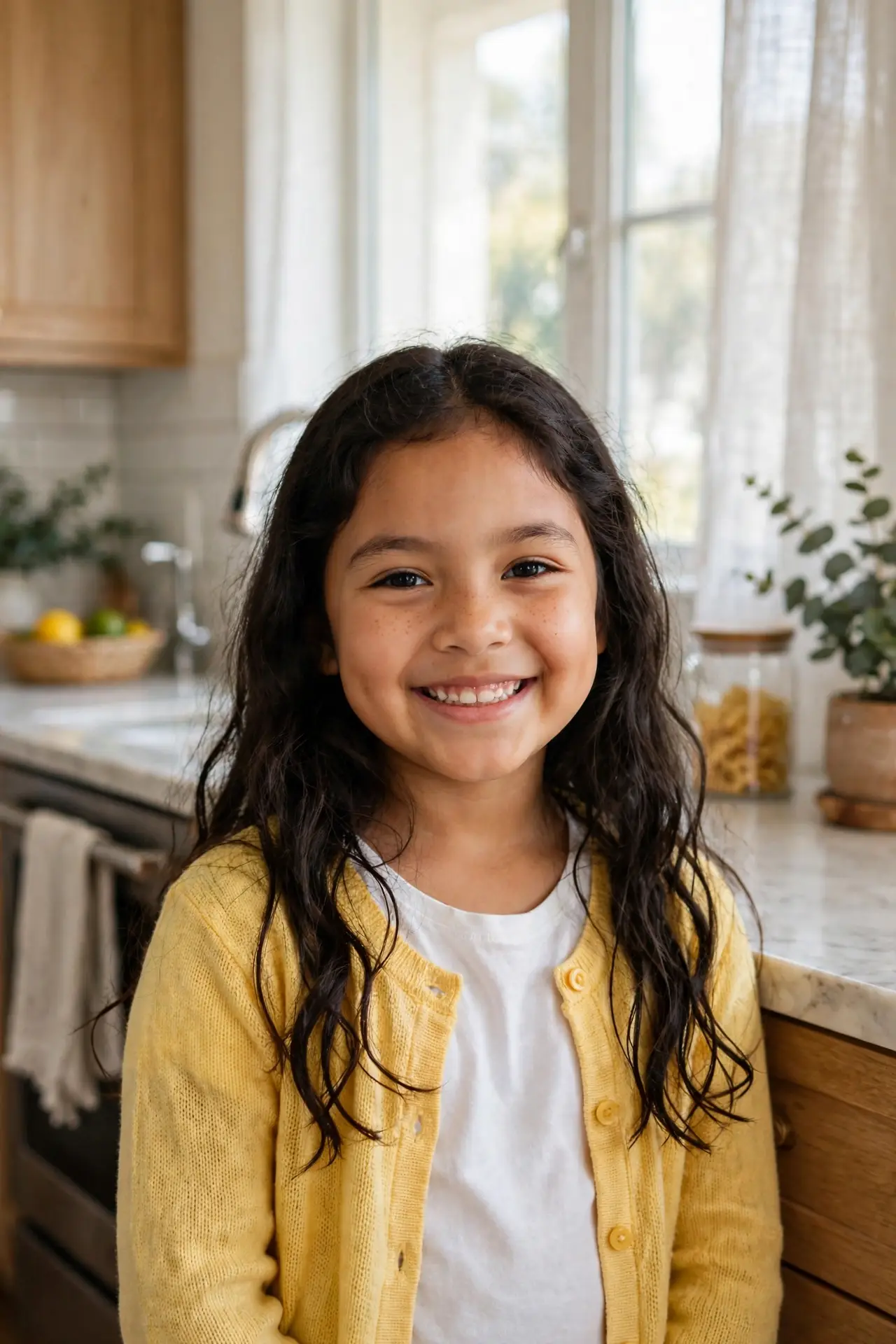
Start With Age, Not With a Photo
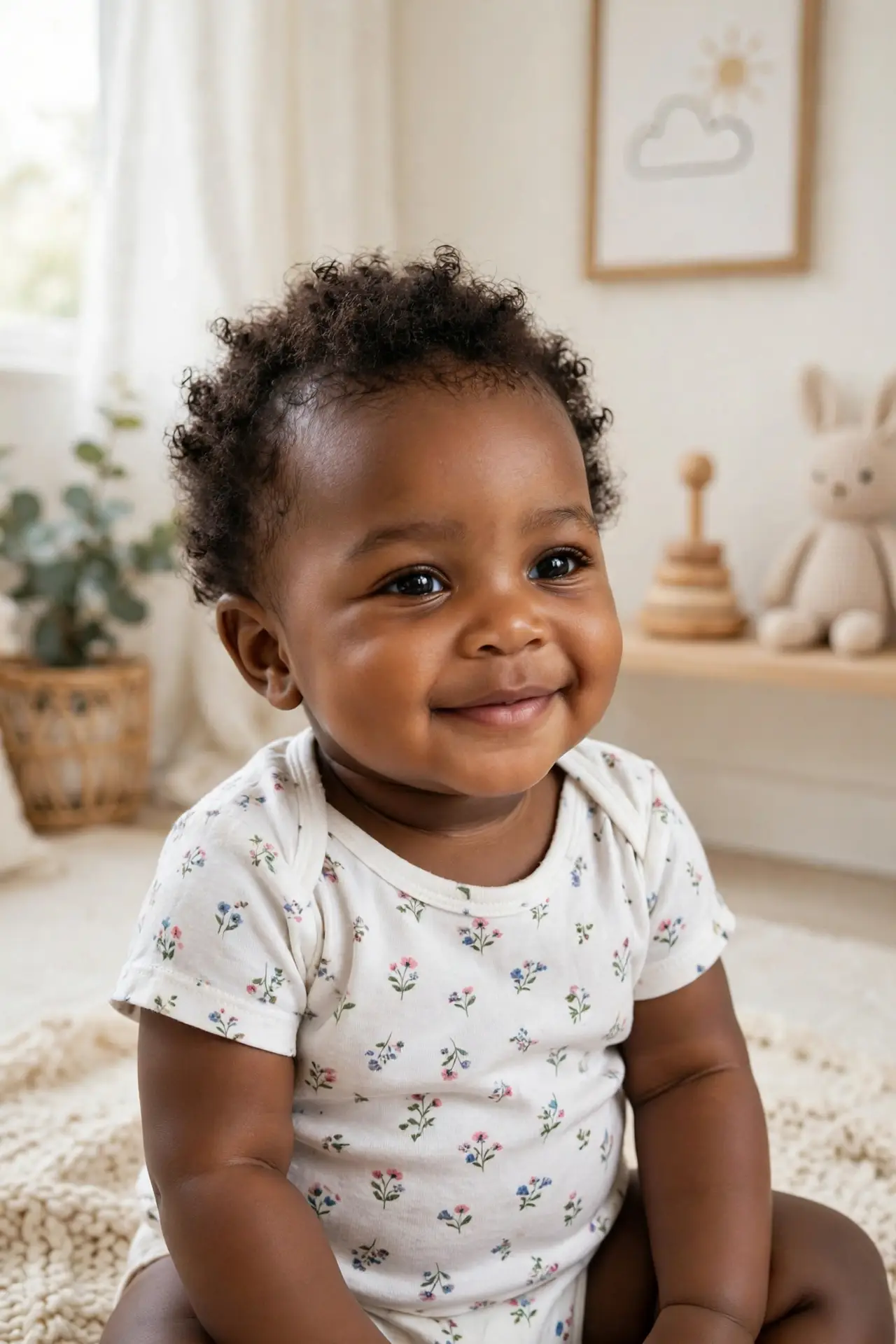
Babies need the lightest touch of all. A soft sweep, one flat clip, or a padded headband is plenty, and anything that pulls, pinches, or needs redoing every hour is too much.
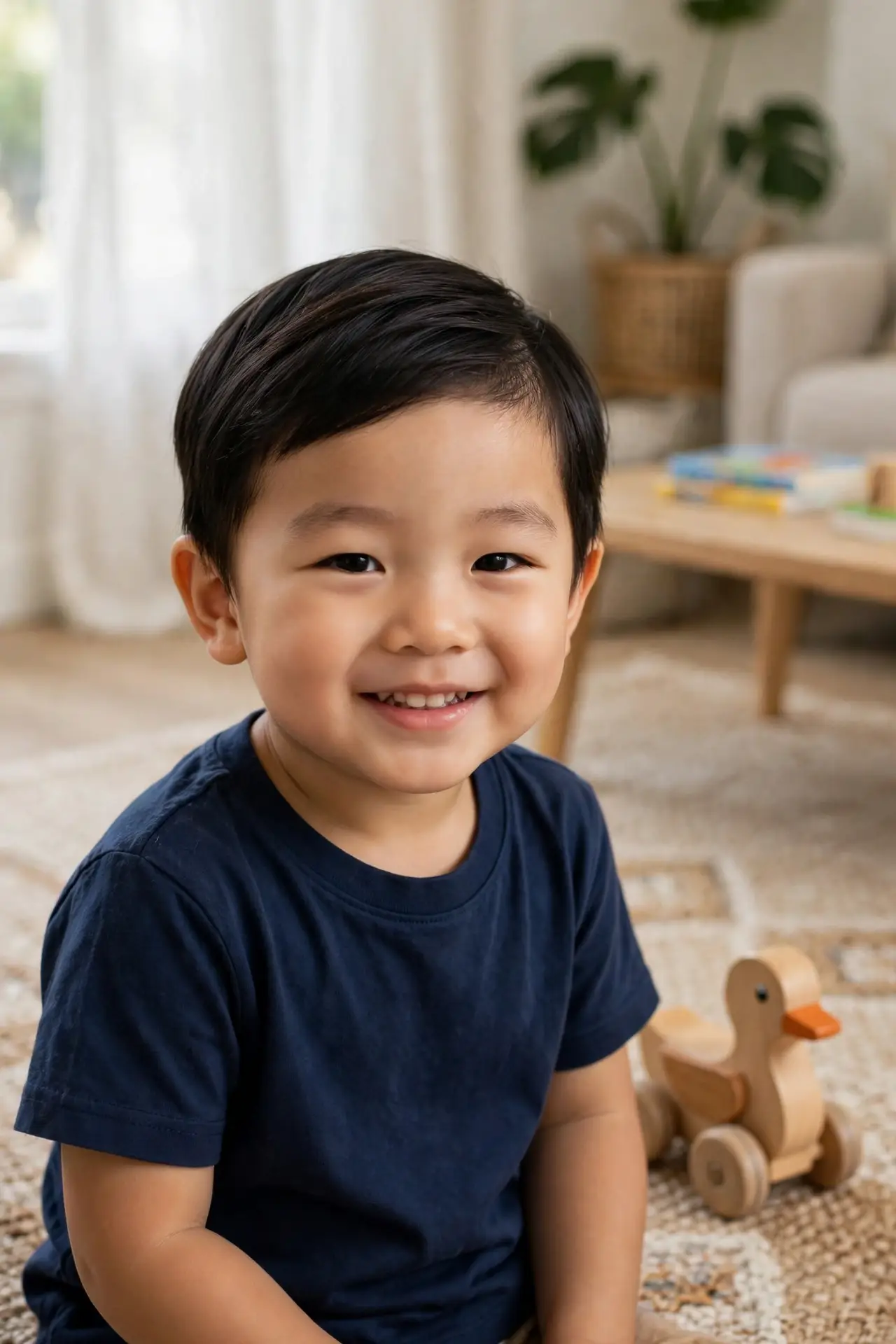
Toddlers need styles that survive naps, snacks, and playground time. Pick one quick style and stop while everyone is still happy.
School-age kids can sit longer and start learning simple styles. Teach a ponytail, a loose braid, and gentle brushing, since those skills carry into every later style.
When hair is still fine and sparse, hairstyles for kids should stay simple and loose, with soft bands and flat clips.
If you see flaky patches on a baby scalp, the cradle cap care notes explain gentle care.
For the youngest heads, our baby hairstyles collection keeps every hold soft and loose. For little girls who love a bow, the baby girl hairstyles collection covers bow headbands and tiny clips with the same gentle rules.
Match the Style to the Hair Type
Straight hair slips out of elastics and slides free by lunch. A scrunchie, a braid, or a tucked style holds it better, and a light mist of water helps the brush grip.
Wavy hair holds a shape well but frizzes when brushed dry. Style it damp, smooth the edges with your palms, and leave the waves to do most of the work.
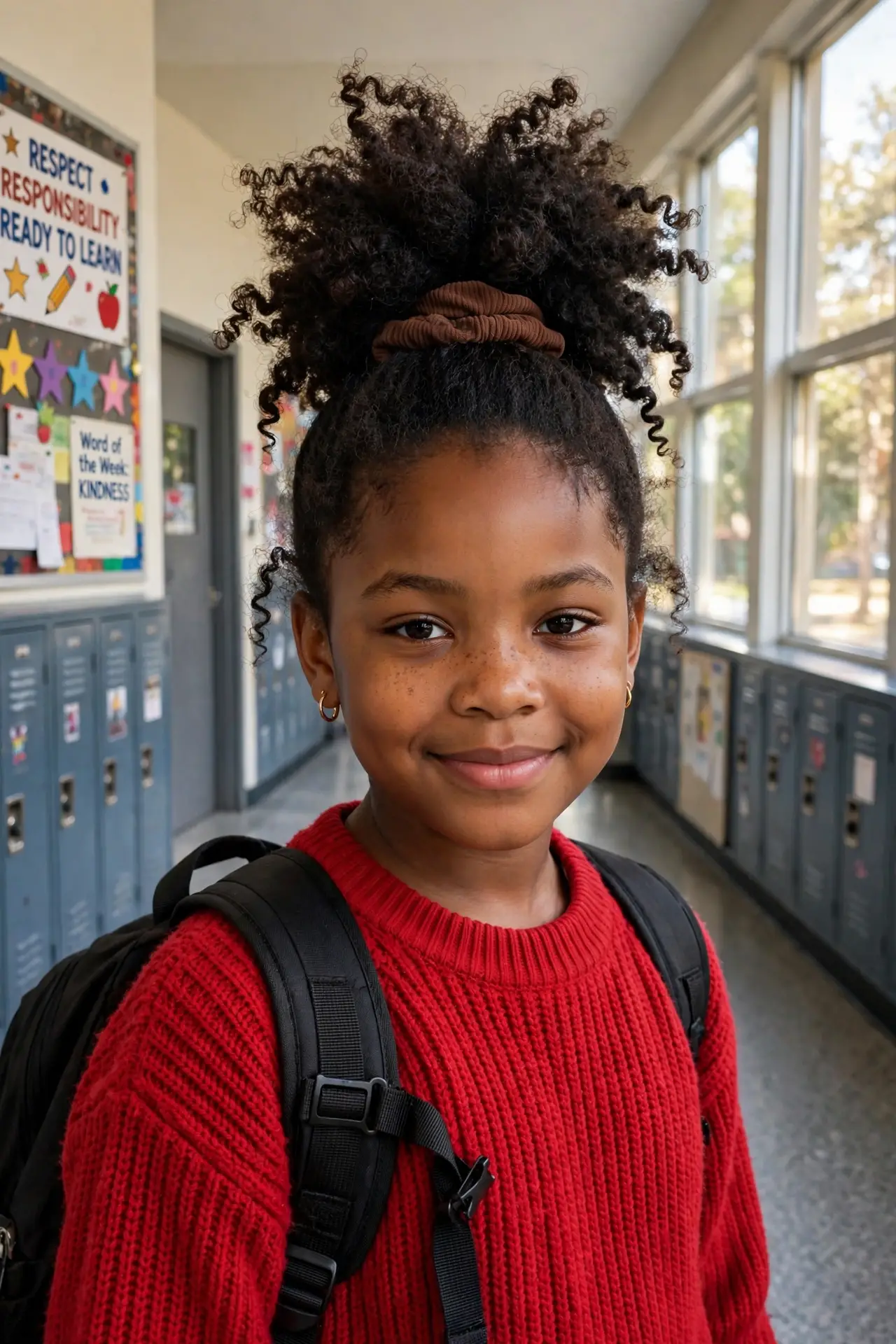
Curly hair should never be brushed dry. Spritz it with water, detangle with a wide-tooth comb from the ends upward, and gather it gently so the curl pattern stays round.
Coily hair needs moisture and a gentle hand. Work in small sections, keep the hold loose, and use a satin bonnet at night so the style lasts longer.
The rule holds across every texture: hairstyles for kids work best when the style follows the hair instead of fighting it.
Pick for the Day Ahead
A school day needs a sturdy style that lasts from breakfast to pickup. Braids, buns, and tucked styles hold up, while loose hair and high ponytails may need a quick re-tie at lunch.
Sports days need hair fully off the face and neck. A braid, a low bun, or a puff with a headband keeps hair out of the eyes through practice and games.
Picture day rewards styles that read clearly in a photo. A neat braid, a smooth ponytail, or a soft headband tuck photographs well.
Parties leave room for a little extra. A ribbon, beads, or a bow can dress up a simple style, and kids love choosing the accessory.
For a plain school morning, hairstyles for kids should take five minutes or less and survive recess without a touch-up.
Build a Five Minute Morning Routine
Lay out the tools the night before. A brush, a comb, a spray bottle, and two elastics in one pouch mean no hunting while the clock runs.
Start with a quick detangle. Mist the hair with water, work from the ends upward with a wide-tooth comb, and hold the section above each tangle so the pull never reaches the scalp.
Style in one pass and stop. A second redo costs the minutes you do not have.
Offer two choices, not an open question. A child who picks between a braid and a ponytail feels in charge, and the morning moves faster.
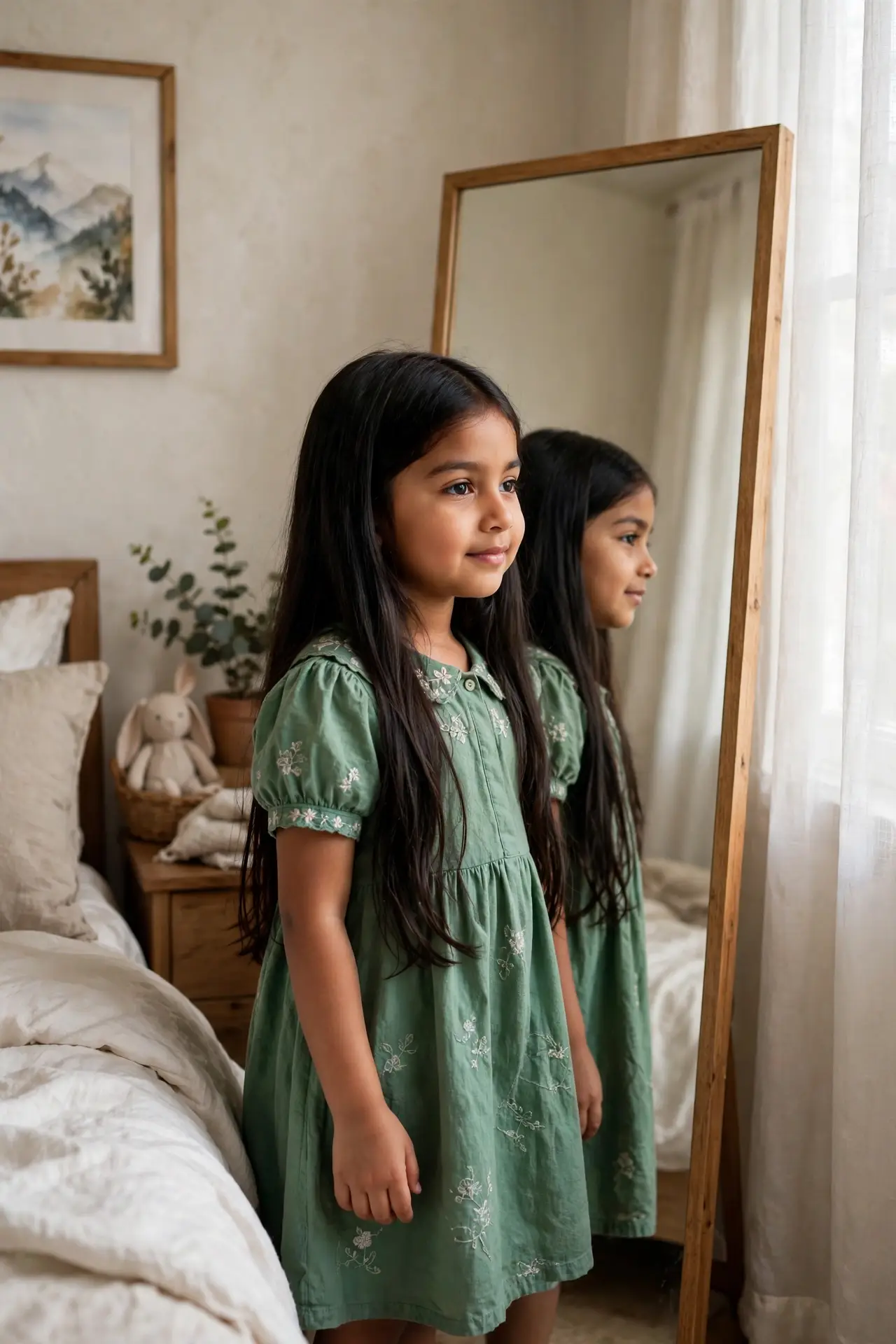
End with a mirror check and call it done.
Wash Days and Detangling Without Tears
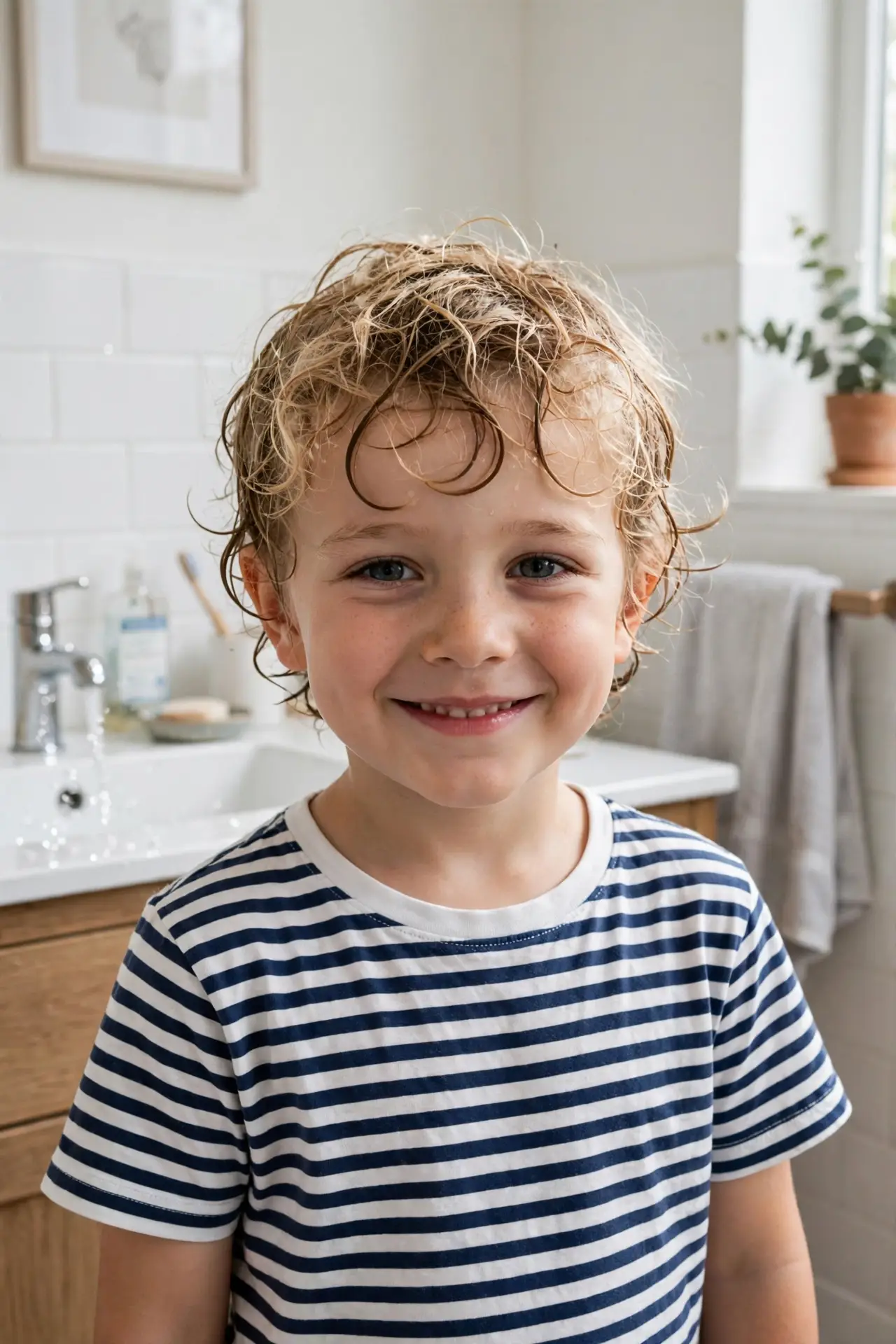
Most kids do fine with two or three washes a week. In between, a rinse with water and a light detangling spray is plenty, since daily washing strips natural oils and makes hair harder to style.
Detangle before you wash and before you style. Work gently on damp hair with a wide-tooth comb, since dry tangles pull harder.
Hold each section above the tangle while you comb below it. This one habit keeps the pulling off the scalp.
For general washing and care habits, the healthy hair tips are a useful reference.
How to Get Kids to Sit Still and Cooperate
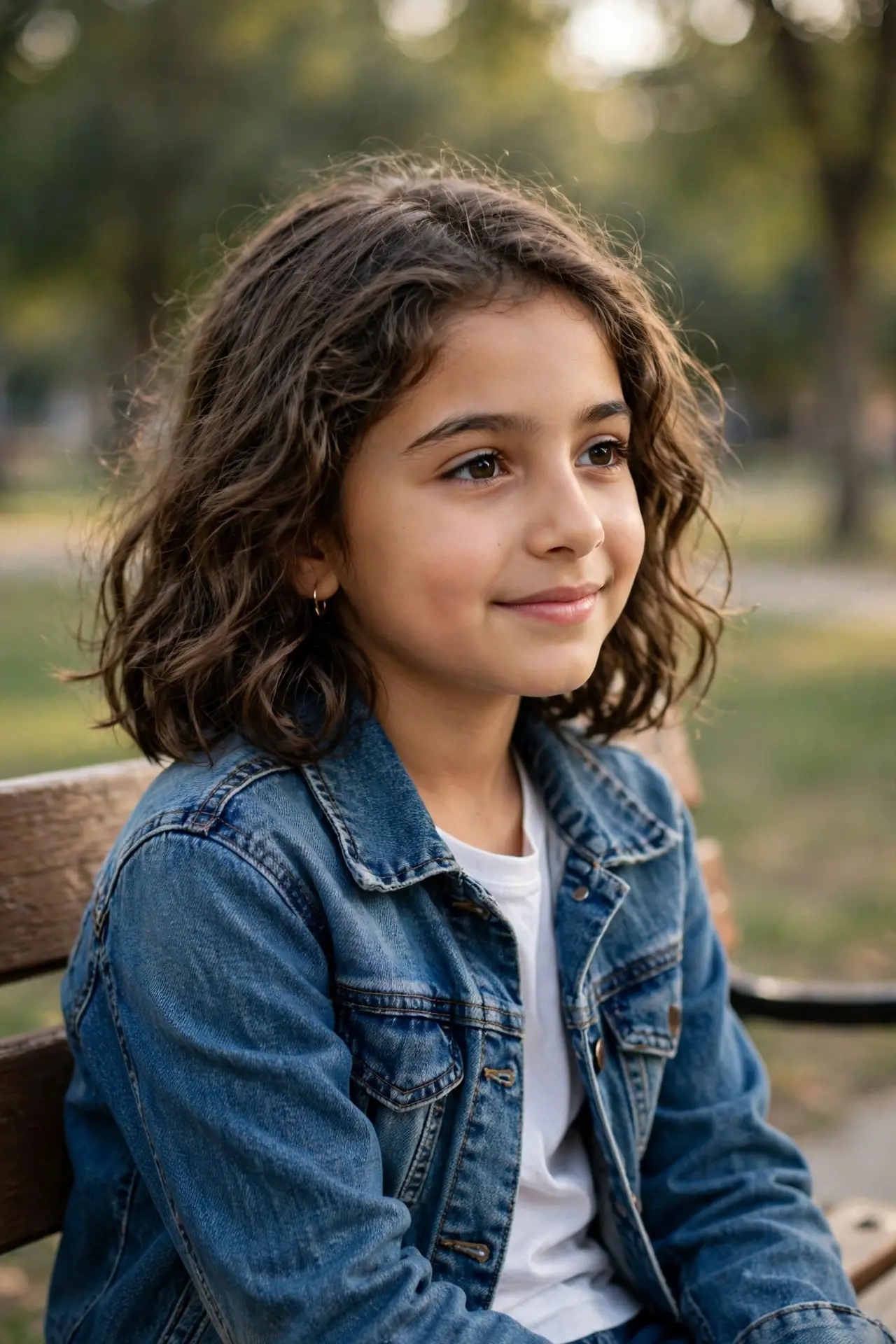
Keep the session short and tell your child how long it will take. A child who hears two minutes and gets two minutes trusts the next session more.
Let your child hold a mirror, a book, or a small toy. Busy hands sit stiller than empty ones.
Talk through what you are doing as you go. A running commentary keeps the session calm, and silence lets small worries grow.
Stop when your child has had enough. A loose style today beats a perfect style that teaches your child to dread tomorrow, and the best hairstyles for kids are the ones kids will sit still for.
1. Twisted Headband Tuck
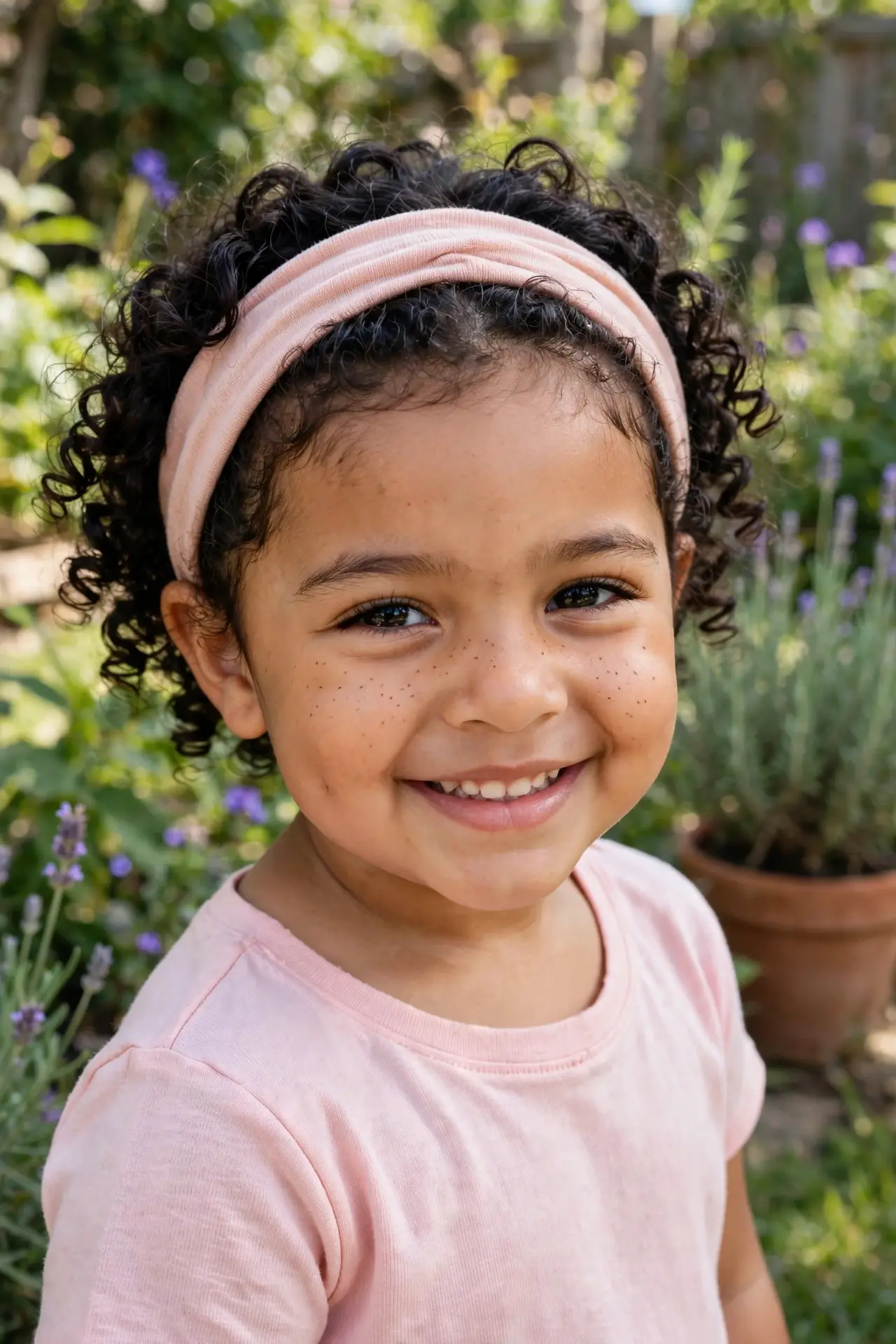
The twisted headband tuck needs no elastics and takes about two minutes. Slide a soft stretch headband over the hair, then tuck the ends up and into the band at the nape.
Work in small sections and tuck loosely. Tight tucks pull at the hairline, while loose tucks sit soft and stay comfortable all day.
This style suits wavy and straight hair best. For curls that spring free, mist the ends with water before tucking.
2. Knotted Pigtails
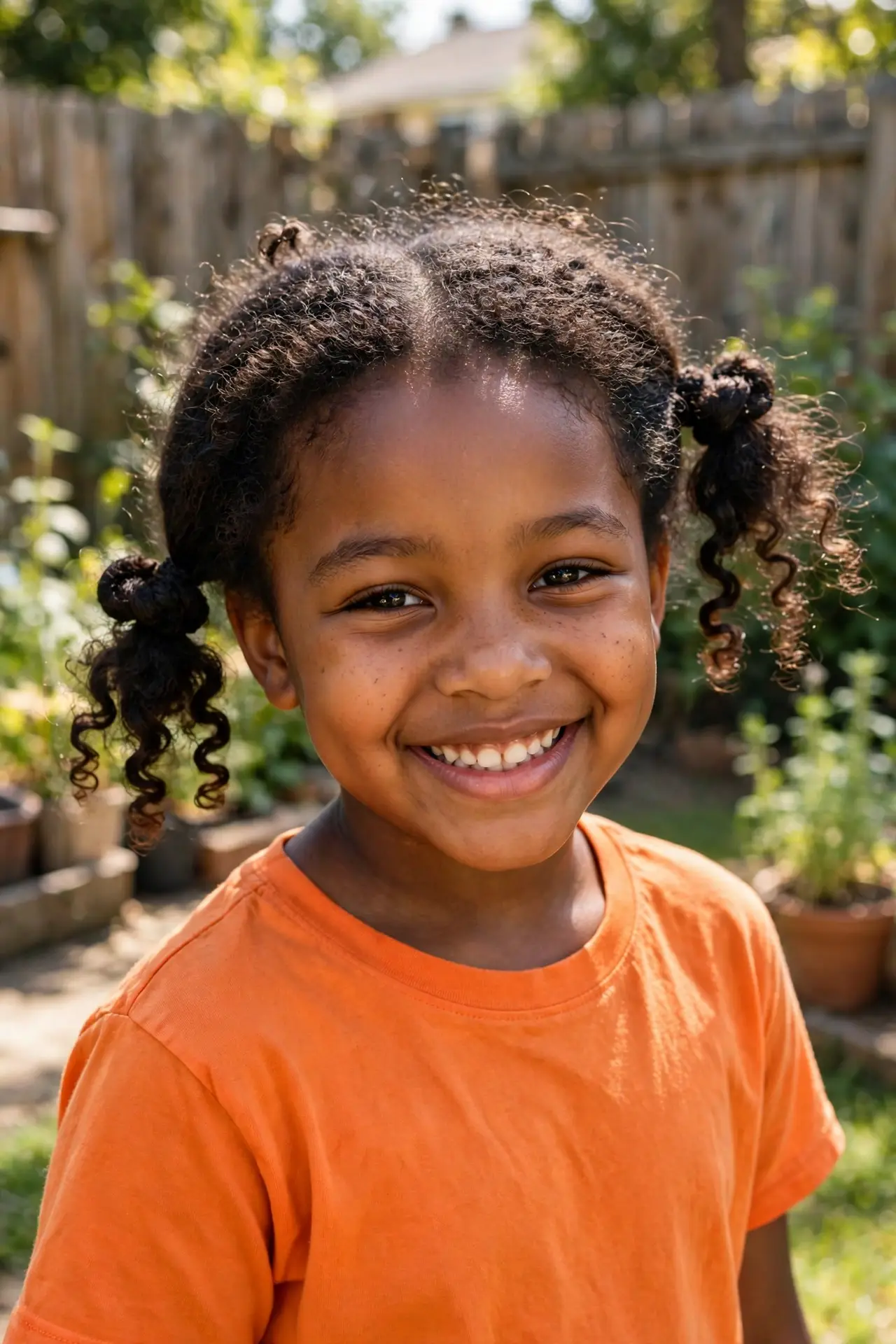
Knotted pigtails use the hair itself instead of elastics. Part the hair down the middle, split one side into two sections, and tie them in a loose overhand knot.
Tuck the ends through a second time if the knot feels loose. The knot should sit soft against the head, never tight enough to pull.
Repeat on the other side and leave the tails loose. It takes about four minutes, and it suits kids who lose elastics by lunch.
3. Wrapped Low Ponytail
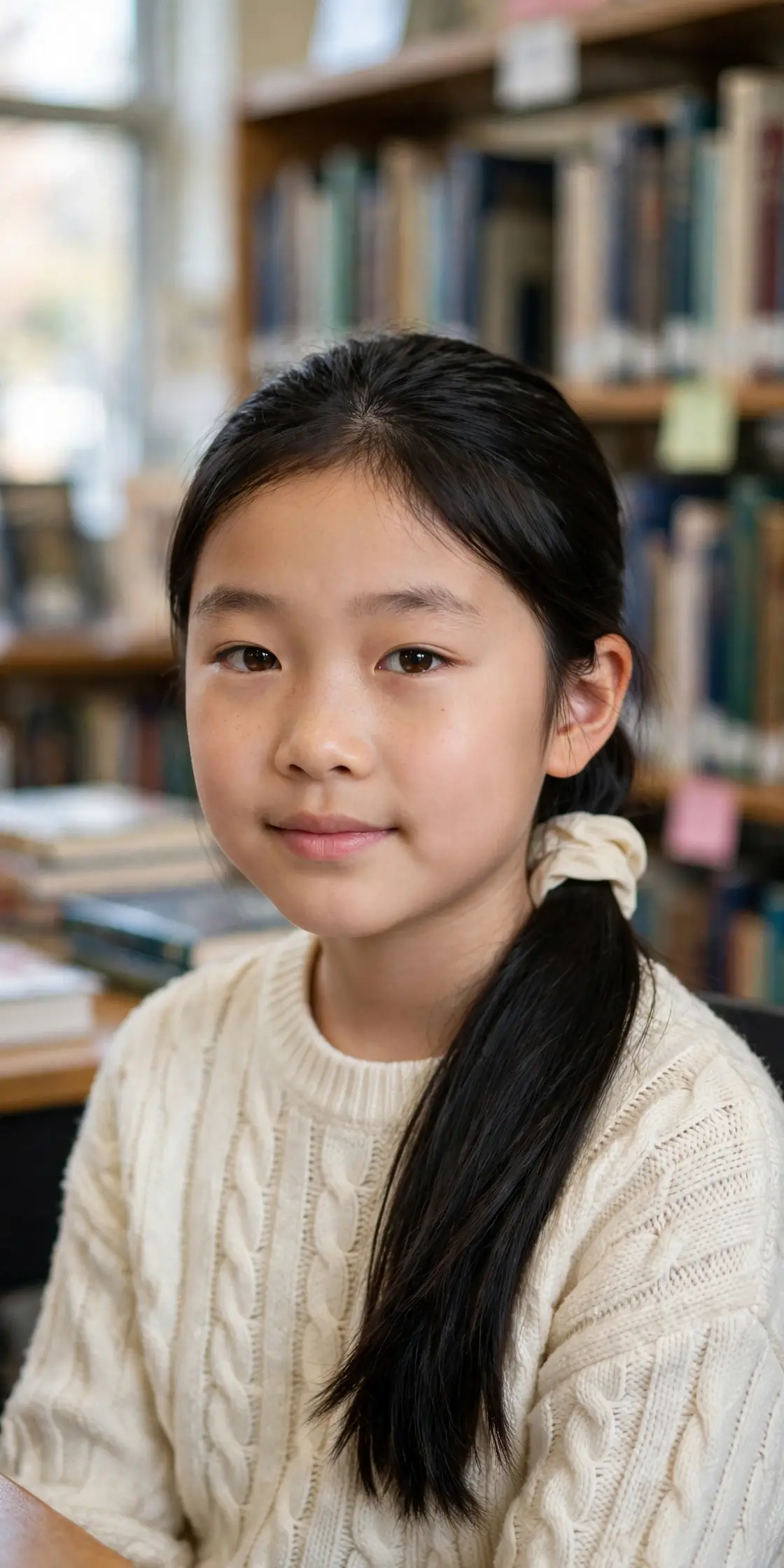
The wrapped low ponytail hides the elastic and looks neat in seconds. Gather the hair at the nape and tie it with one soft elastic.
Take a thin strand from under the ponytail and wrap it around the elastic. Tuck the end under the wrap and pin it once from below.
Keep the wrap loose and the ponytail low. A low ponytail pulls less than a high one.
What to Keep in the Hair Kit
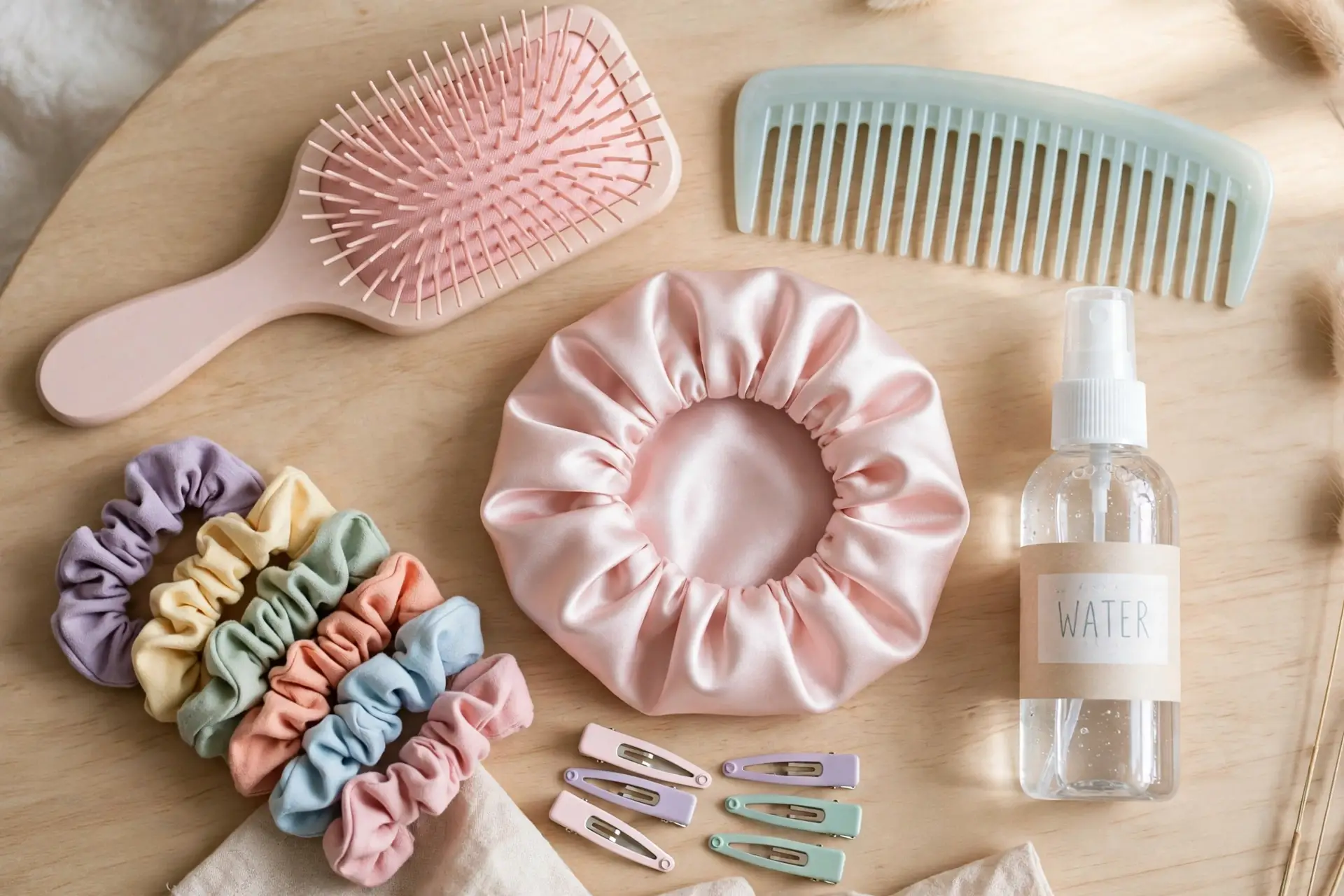
One pouch holds everything these styles need. A soft paddle brush, a wide-tooth comb, a spray bottle of water, soft elastics, small flat clips, a stretch headband, and a satin bonnet cover most days.
Skip adult sprays, strong gels, and heated tools. Plain water, a gentle touch, and the right comb do the real work.
Check the kit once a week. Toss stretched elastics and bent clips, since worn tools snag hair.
A small kit also teaches kids to care for their own hair. When hairstyles for kids use the same few tools every day, children learn the routine fast.
Where to Go Next
Once you know the age, the hair type, and the day ahead, picking a finished look gets easy. The collections on this site hold the style lists.
For everyday school mornings, see our kids hairstyles collection of ten easy styles. For softer looks with ribbons and bows, the cute styles for kids collection holds ten sweet looks.
For braids, the kids braided hairstyles guide teaches nine braids step by step. For rows that last for days, the kids cornrow hairstyles guide covers eight gentle styles.
Pick one collection, try one style on a slow weekend, and keep the rest for later. Good mornings start with one calm practice run, not a full new routine.
Quick Answers
Which hairstyles for kids last through a school day?
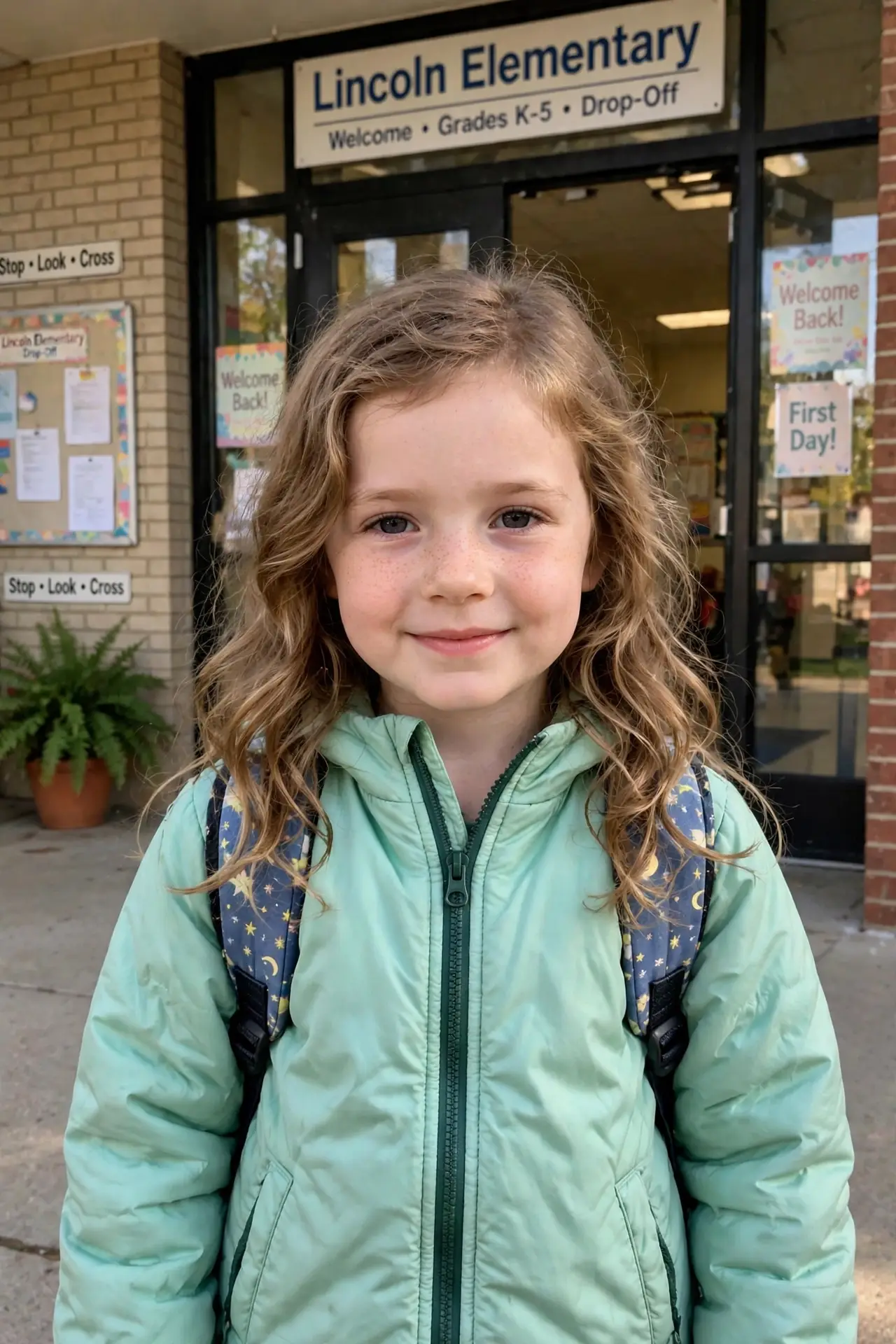
Braids, buns, and tucked styles win. A braid, a low bun, or a headband tuck will look nearly the same at pickup as at breakfast, while ponytails may need one quick re-tie at lunch.
How do I stop morning tangles?
Braid the hair loosely before bed, or use a satin pillowcase. Both cut down on overnight knots, which means less detangling in the morning.
What if my child hates having hair done?
Keep it short and let them choose. A two minute ponytail with a scrunchie they picked beats a ten minute braid they fought.
How often should kids hair be washed?
Most kids do fine with two or three washes a week. In between, a rinse with water and a light detangling spray is plenty.
Morning hair does not need to be perfect. It needs to be comfortable, quick, and sturdy enough to last until the school bell.




Pingback: Easy Hairstyles For Kids: 5 School-Day Plans That Make Mornings Calm