Rosemary water for hair is one of those rare DIY treatments that is genuinely easy, cheap, and pleasant to use. It is simply rosemary steeped in water, applied to your scalp and hair as a rinse or a daily spray. No expensive serums, no complicated routines.
People reach for it for two main reasons: supporting healthy hair growth and adding shine. It has a long history in herbal hair care, and modern fans love that it feels like a refreshing scalp tonic rather than a heavy treatment.
This guide gives you the full picture: the simple recipe, how rosemary water compares to rosemary oil, exactly how to use it, how often, and the honest truth about who should skip it.

What Is Rosemary Water for Hair?
Rosemary water is an herbal infusion made by steeping rosemary leaves in hot water, then cooling and straining it. You get a fragrant, amber-tinted water carrying rosemary’s aromatic compounds.
On hair it works as a lightweight scalp treatment. Pour it over your scalp as a final rinse after washing, or mist it onto roots between washes. It absorbs quickly, leaves no residue, and smells like a proper herb garden.
It is not a conditioner and will not replace deep treatments. Think of it as a scalp refresher you add to your routine, not a replacement for it.

Rosemary Water vs Rosemary Oil: Which One?
Rosemary oil and rosemary water come from the same plant but behave very differently on your head.
Rosemary essential oil is concentrated and must always be diluted in a carrier oil first. Used correctly, it is the stronger targeted scalp treatment. But it is oily, needs washing out, and can irritate sensitive scalps if overdone.
Rosemary water is far gentler and easier to live with. Mist it daily without buildup worries: it does not grease hair and there is nothing to wash out. The trade-off is potency, since the infusion is milder than concentrated oil.
Choose water for a daily, low-effort habit you will actually keep. Choose diluted oil for a weekly intensive treatment if you do not mind the extra wash step. Many people use both: oil pre-wash, water as a daily refresher.

How to Make Rosemary Water at Home
You need fresh or dried rosemary, water, a pot, and a strainer. That is the whole ingredient list.
Bring two cups of water to a gentle boil. Add a generous handful of fresh rosemary sprigs or two tablespoons of dried, then take the pot off the heat. Cover and steep at least 30 minutes; an hour gives a stronger infusion.
Strain out all leaves through a fine strainer or cheesecloth. Leftover bits will clog your spray bottle, so strain carefully, then cool the liquid completely to room temperature.
Pour into a clean spray bottle for daily use, or keep in a jar for rinse use. The whole process takes under ten minutes of actual effort.
For a stronger batch, simmer the rosemary gently for 15 minutes instead of just steeping. Simmering extracts more; steeping keeps the scent fresher.

How to Use It: Rinse vs Spray
There are two main ways to apply rosemary water, and they suit different routines.
As a rinse, use it after shampooing and conditioning. Pour the cooled infusion slowly over your scalp, massaging with your fingertips. Do not rinse afterward; just squeeze out excess water and style as usual. It gives the whole scalp an even coating on wash days.
As a spray, mist it onto scalp and roots on non-wash days. Part hair in sections, spray each parting, then massage for a minute or two. It keeps the habit going between washes and feels incredibly refreshing.
The scalp massage matters as much as the rosemary. Massaging boosts circulation, which is half the point of the ritual. Spend at least a minute working it in with fingertips, not nails.
If you love DIY rinses in general, our rice water hair rinse guide covers another classic kitchen treatment with its own method.


How Often Should You Use Rosemary Water?
For the spray method, daily use is fine. Rosemary water is light enough to avoid buildup or weighed-down hair, which makes it an easy habit. Morning or evening both work; pick the time you will remember.
For the rinse method, use it on every wash day. If you wash two or three times weekly, that is your rhythm; no separate rinse needed on non-wash days if you are already spraying.
Consistency beats intensity. Using rosemary water for hair regularly over weeks matters far more than an occasional drenching. Hair grows slowly, so give any routine at least two to three months before judging it.
If your scalp ever feels dry or tight, scale back to every other day. Even gentle herbal treatments can be drying if your scalp is sensitive, and listening to your skin is always smarter than following a schedule rigidly.
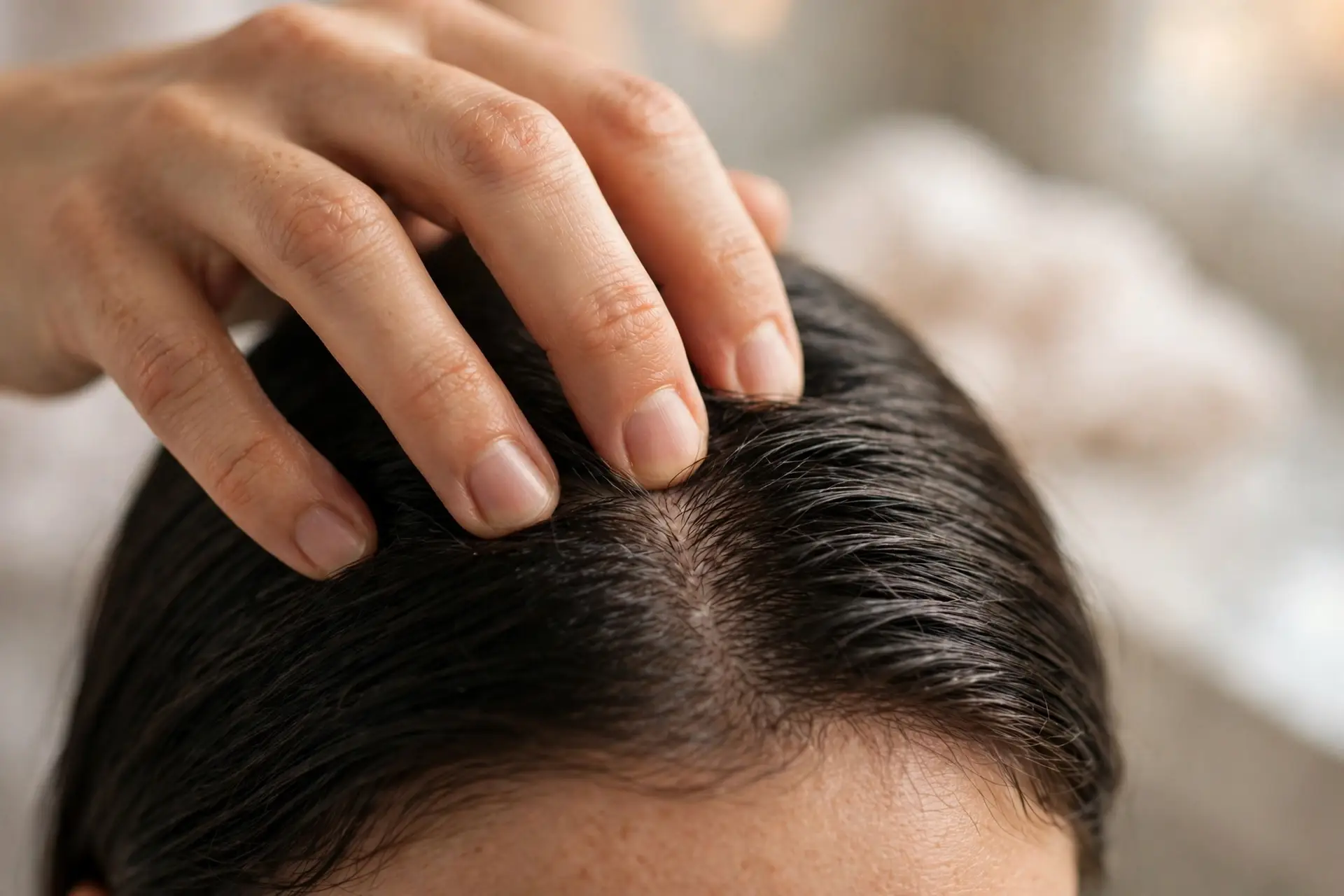
What It Can and Cannot Do: Honest Expectations
Let us be honest about what rosemary water can realistically do, because the internet oversells it.
What it can do: refresh the scalp, add shine, make hair smell wonderful, and support a healthy scalp environment. A healthy scalp grows healthy hair, so anything keeping it clean and stimulated is genuinely useful.
Some small studies on rosemary oil (not the water) show promising results for hair density. The water infusion is milder, so expect milder effects: a supportive habit, not a medical treatment.
What it cannot do: regrow hair lost to genetics, fix hormonal shedding, or replace proven treatments for hair loss. If you are dealing with significant thinning, see a dermatologist rather than relying on an herbal rinse. Rosemary water is a lovely addition to a healthy routine, not a cure.
Pair it with a solid foundation: our scalp care routine covers the cleansing and exfoliation habits that matter most.

Who Should Skip Rosemary Water
Most people can use rosemary water without any issues, but a few groups should be cautious or skip it.
If you are pregnant or breastfeeding, check with your doctor first. Culinary rosemary is fine, but concentrated herbal preparations deserve a professional opinion.
With a very sensitive or reactive scalp, patch test first. Dab a little behind your ear and wait a day. Redness or itching means your scalp does not want it.
Very dry or eczema-prone scalps should go easy. Herbal infusions can be mildly astringent: refreshing on oily scalps, potentially drying on dry ones. Start with once a week and watch how your scalp responds.
Anyone with a known allergy to rosemary or related herbs (like mint, sage, or lavender) should skip it entirely. Allergic reactions on the scalp are miserable and not worth the risk.

Storage and Shelf Life
Fresh rosemary water is perishable. Because it has no preservatives, treat it like fresh food.
In the fridge, a batch keeps one to two weeks in a clean, sealed bottle or jar. If it smells sour or looks cloudy, throw it out; a fresh batch takes ten minutes.
Do not keep it at room temperature more than a day or two. Warm, wet, herbal liquid is exactly what microbes love.
Make small batches you will actually finish. Two cups of water makes enough for about a week of daily spraying, which lines up perfectly with the fridge life. Fresh beats preserved every time with DIY treatments.

Rosemary Water for Hair FAQs
Can I leave rosemary water in my hair?
Yes, that is the point. It is designed as a leave-in rinse or spray. Do not rinse it out after applying; just style your hair as usual once the excess moisture is squeezed or towel-dried away.
Fresh or dried rosemary: which is better?
Both work. Fresh gives a brighter scent and slightly stronger infusion; dried is more convenient year-round. Use a generous handful of fresh sprigs or two tablespoons of dried per two cups of water.
Will it darken my hair?
It can very slightly deepen dark hair over time with consistent use, which most brunettes consider a bonus. On blonde hair the effect is negligible, but strand-check first if you are very light and cautious.
Can I add other ingredients?
Keep it simple. Some people add a few drops of peppermint oil for extra tingle or a splash of apple cider vinegar for shine. If you add essential oils, shake well before each use and keep the amount tiny.
Does it help with dandruff?
It can help mildly, since rosemary has traditionally been used for scalp clarity and the massage boosts circulation. But persistent dandruff usually needs a proper anti-dandruff shampoo. Think of rosemary water as a supporting player, not the main treatment. Our hair growth routine puts scalp health in a fuller context.