
There is a reason mocha balayage hair keeps showing up in your saved folder. It is the coffee-toned sweet spot between flat brown and brassy blonde, the kind of color that looks expensive without trying.
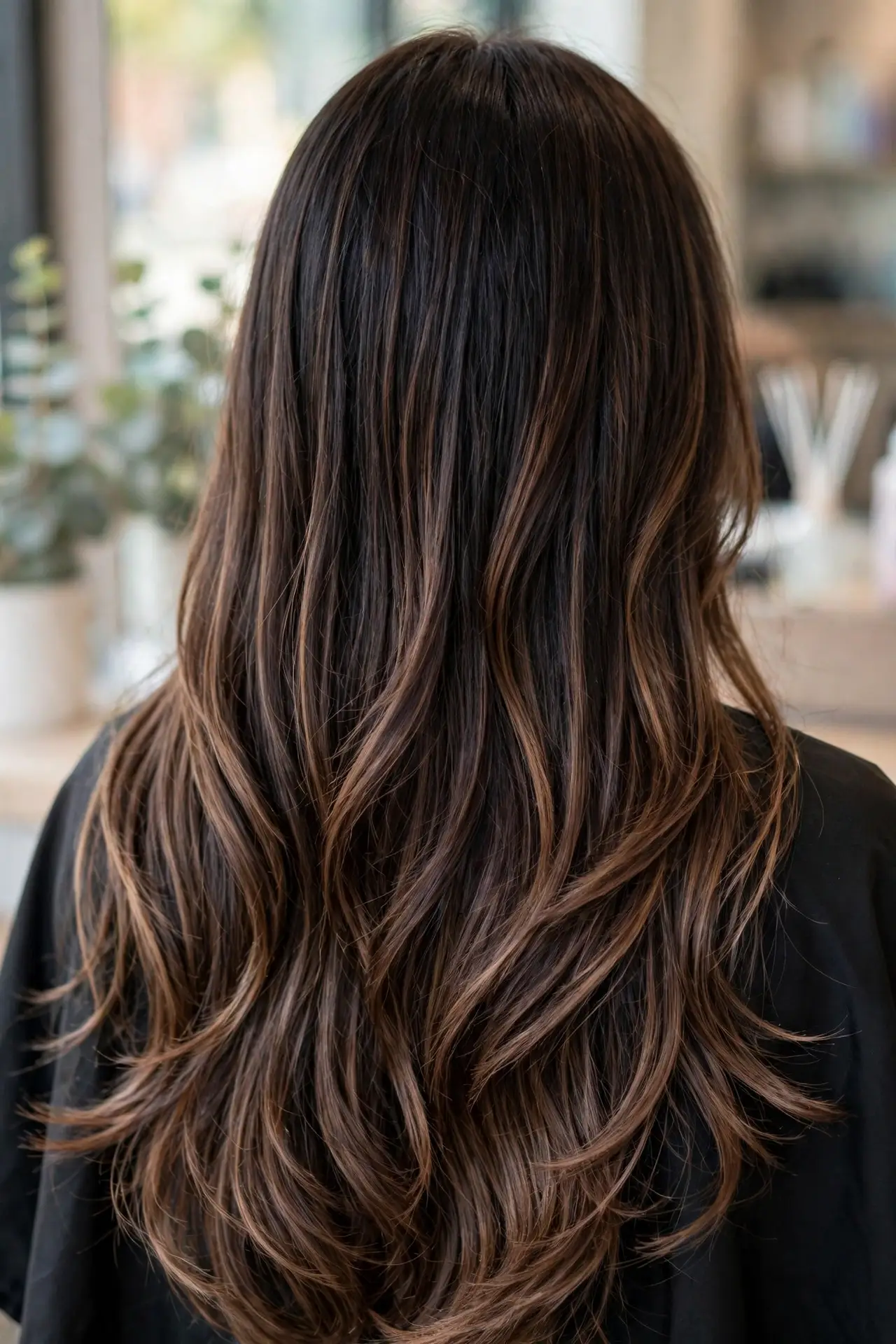
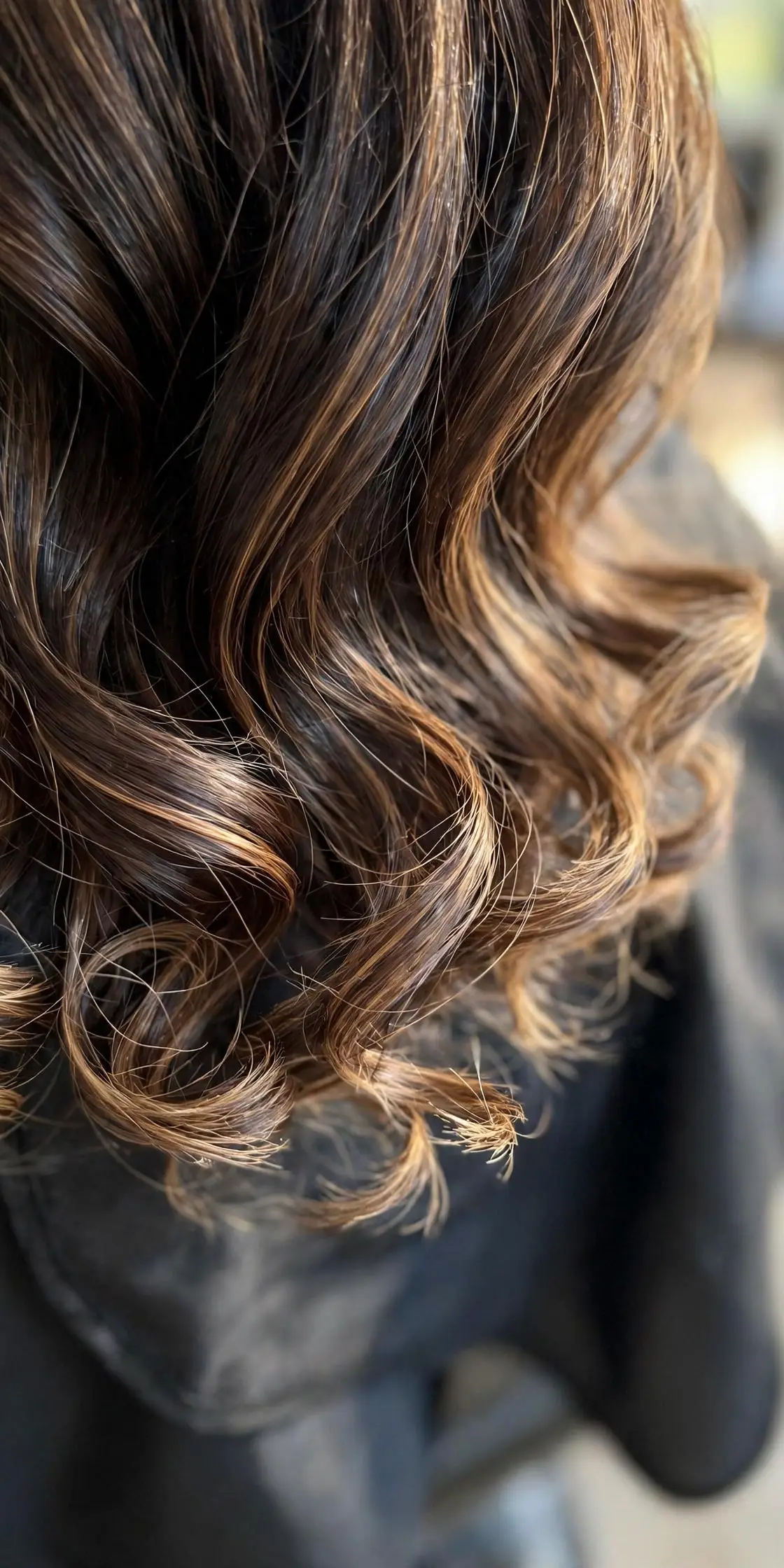
Picture soft ribbons of mocha and chocolate painted through your lengths, melting into a natural brunette base. No harsh lines, no obvious regrowth, just dimension that moves every time you turn your head. This mocha balayage hair guide covers the shade chart, who it flatters, the exact words for the salon chair, and how it grows out.
What Is Mocha Balayage Hair, Really?
Balayage is the technique, mocha is the flavor. Your colorist hand-paints the color onto your hair freehand instead of wrapping it in foils.
That freehand approach is the whole magic. The color starts a few inches from your roots and sweeps through the mid-lengths and ends, so grow-out looks intentional instead of neglected.
Mocha itself is a neutral to slightly cool brown with real coffee richness. Think of a good cafe mocha: deep brown with a creamy center, never orange, never flat black.
Light vs Deep Mocha Balayage Hair: The Shade Chart
Not all mochas match, and this is where people get confused in the chair. Here is how the two main versions break down.
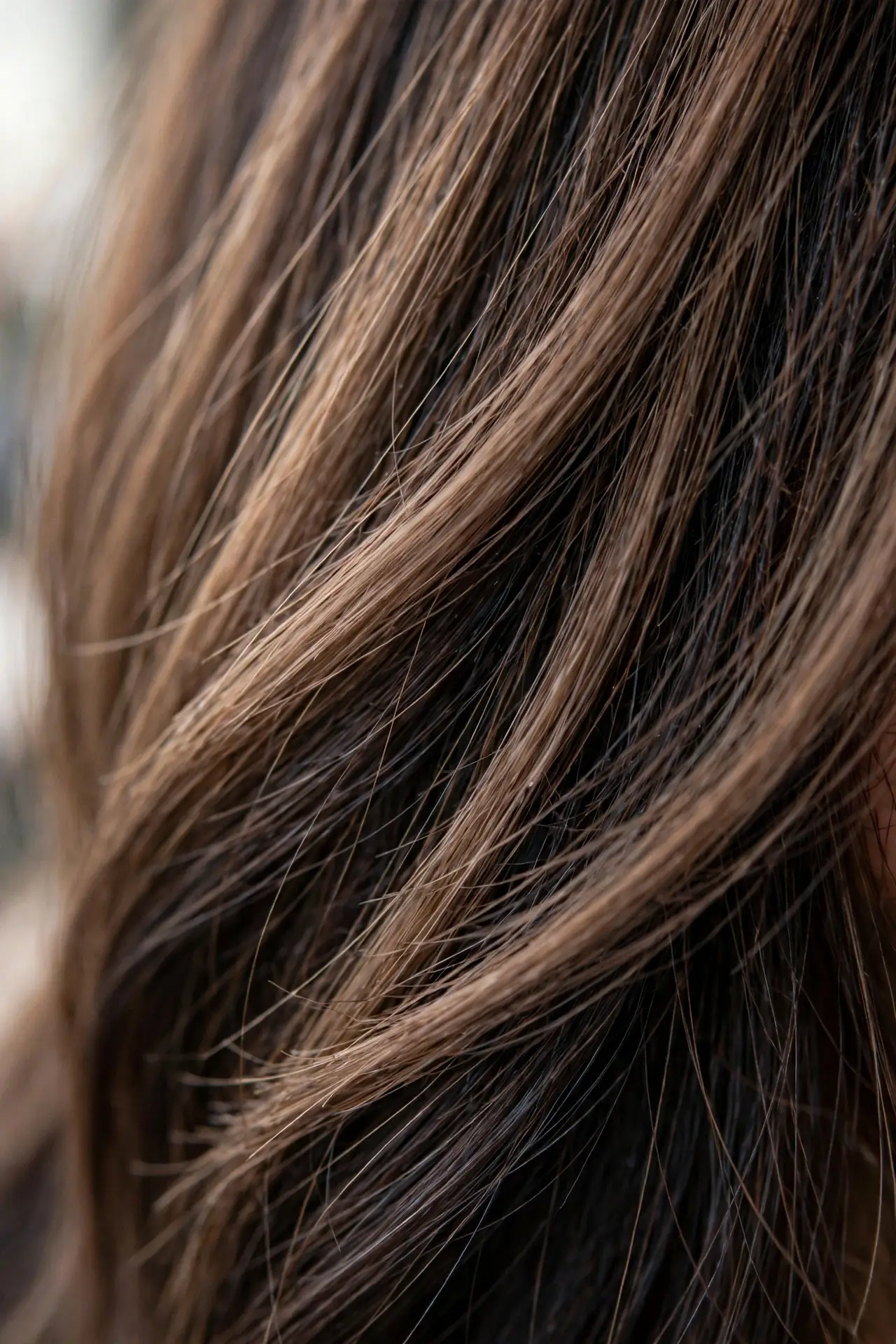
Light mocha lives around a level 7 to 8. It reads as a creamy, latte-toned brown with visible brightness through the ends.
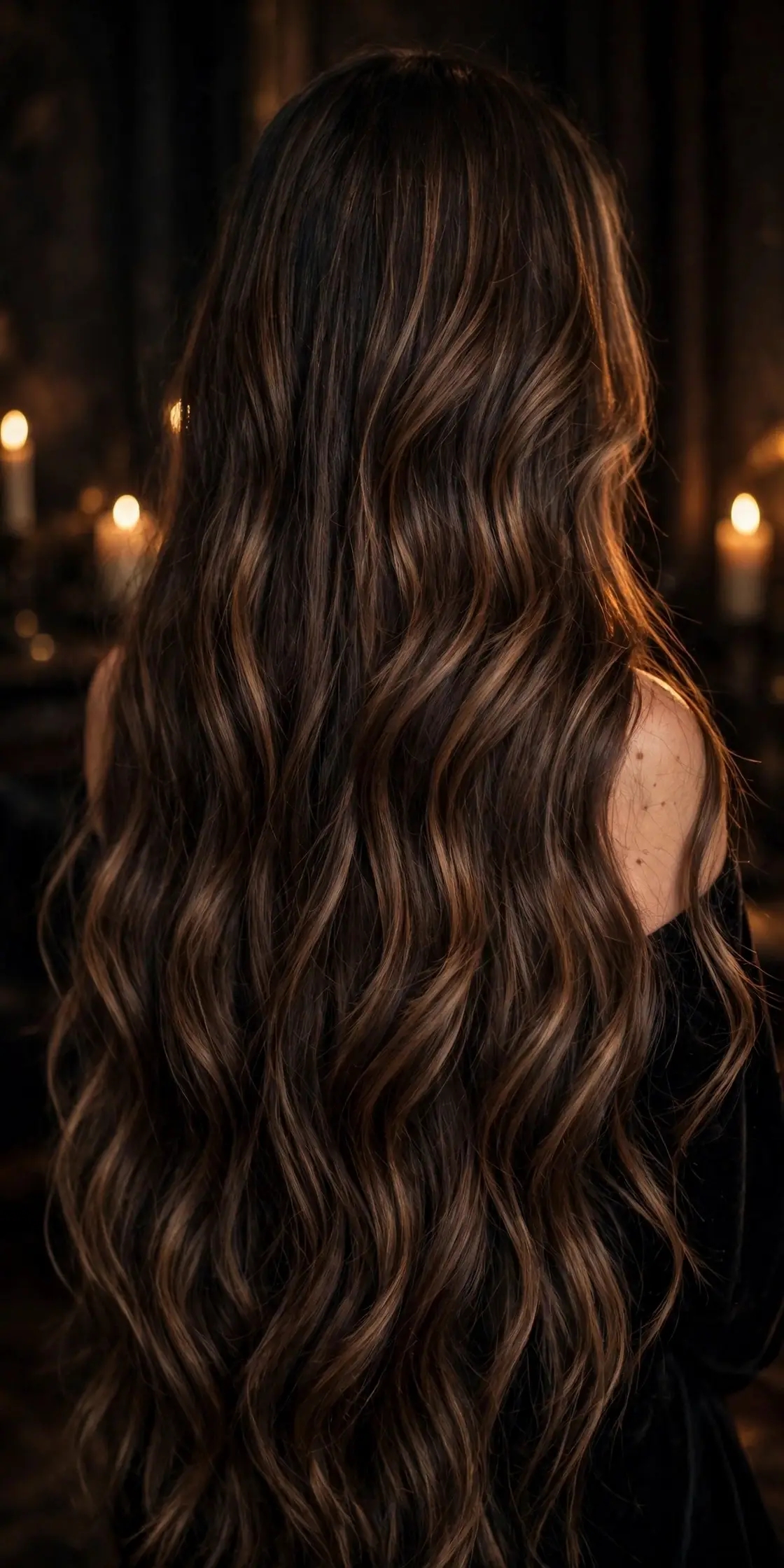
Deep mocha sits around a level 5 to 6. It is richer and moodier, closer to an espresso with milk poured in. The dimension is subtler, more like shadows and candlelight than obvious highlights, and it is stunning on very dark natural hair.
Then there is the undertone question, which matters more than people think. Neutral-cool mocha stays modern and resists brassiness, while warmer mocha reads cozier and more golden. Decide before your appointment and bring several reference photos so your stylist can nail it on the first try.
Who Mocha Balayage Hair Suits Best
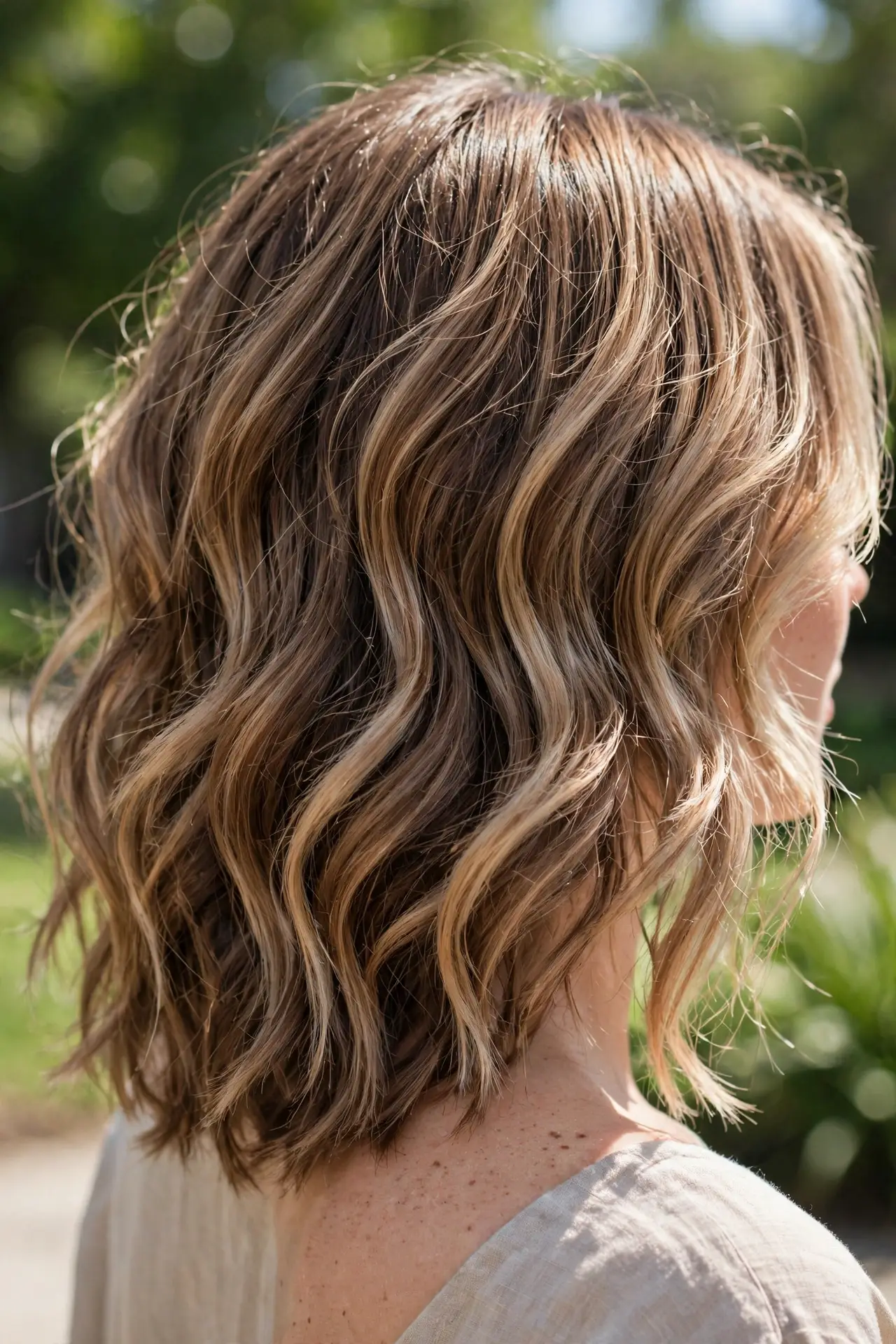
Honest answer: almost everyone, because the formula can be tuned. But certain combinations make it sing.
Warm or olive skin pairs beautifully with the warmer side of mocha. The golden coffee tones echo your complexion and make skin look lit from within.
Cool or fair skin loves the neutral-cool version. It keeps the color crisp instead of pulling yellow or orange against your skin.
Deep skin tones look incredible with deep mocha ribbons. The richness of the shade mirrors the richness of the complexion, and the result is pure glow.
Eye color helps too. Brown and hazel eyes pick up the coffee tones, green eyes pop against the warm-cool contrast, and blue eyes get a gorgeous frame from the darker depth around the face.
The one combo to handle with care is very pale skin with very dark, cool mocha. Ask for a few lighter face-framing pieces so the contrast does not wash you out.
For more brunette inspiration in this family, browse our brown hair color ideas and chocolate brown hair color guides before your appointment.

What to Tell Your Stylist (The Exact Script)
The right words change everything. Colorists think in levels and undertones, so speak their language and you will land closer to your photo on the first try.
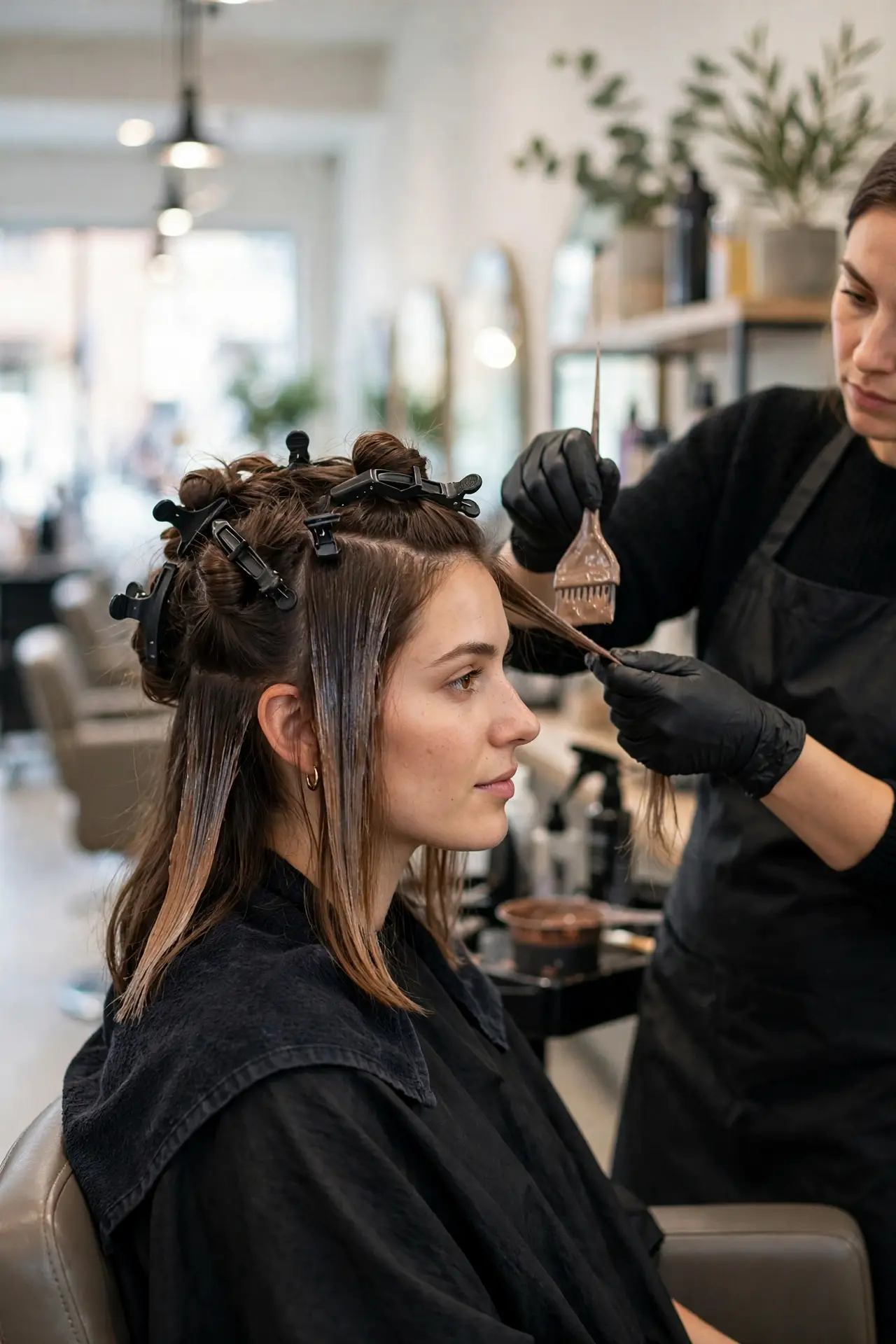
Start with your base: “I want to keep my natural base and add hand-painted mocha ribbons through the mid-lengths and ends.” That signals balayage, not foils and not all-over color.
Then name your shade: “I am thinking a level 5 to 7 neutral-cool base with mocha ribbons, more creamy than brassy.” Move the numbers up for light mocha or down for deep mocha.
Mention placement too: “Soft face-framing pieces, with the brightness sitting mostly through the ends.” For subtle, say “barely-there dimension.” For visible, say “I want to see the ribbons.”
Bring reference photos, plus one photo of what you do NOT want. That single “no” photo saves your colorist from guessing about your dealbreakers. Finally, ask about the toner and the bond builder: a mocha gloss on the lightened pieces locks in the coffee tone, and confirming bond protection keeps hair healthy through the lift.
Mocha on Dark vs Light Starting Bases
Your starting point decides how much lifting your hair needs, which sets the timing, cost, and hair health picture.
Starting dark (levels 2 to 4): The most common path, and a beautiful one. Your colorist lifts selected pieces to a level 6 or 7, then glazes them with mocha toner. Your dark base does half the work, so you get instant dimension with less damage and a friendlier grow-out.
Starting medium brown (levels 5 to 6): You are already halfway there. Often the base needs only a gentle lift or a mocha gloss to enrich what you have. This is the lowest-commitment version of the look.
Starting light or previously highlighted (levels 7 and up): Going darker is easier than going lighter, but it needs filling. Your colorist adds warmth back in first, then layers the mocha on top. Skipping the fill is how people end up with muddy, greenish ends.
One thing worth saying out loud: virgin hair lifts more predictably than previously colored hair. If you have box dye in your history, tell your colorist. It is not a dealbreaker, but it changes the plan. See how a similar technique plays out on deeper bases in our brunette balayage guide.

Your Mocha Balayage Hair Grow-Out Timeline and Maintenance Schedule
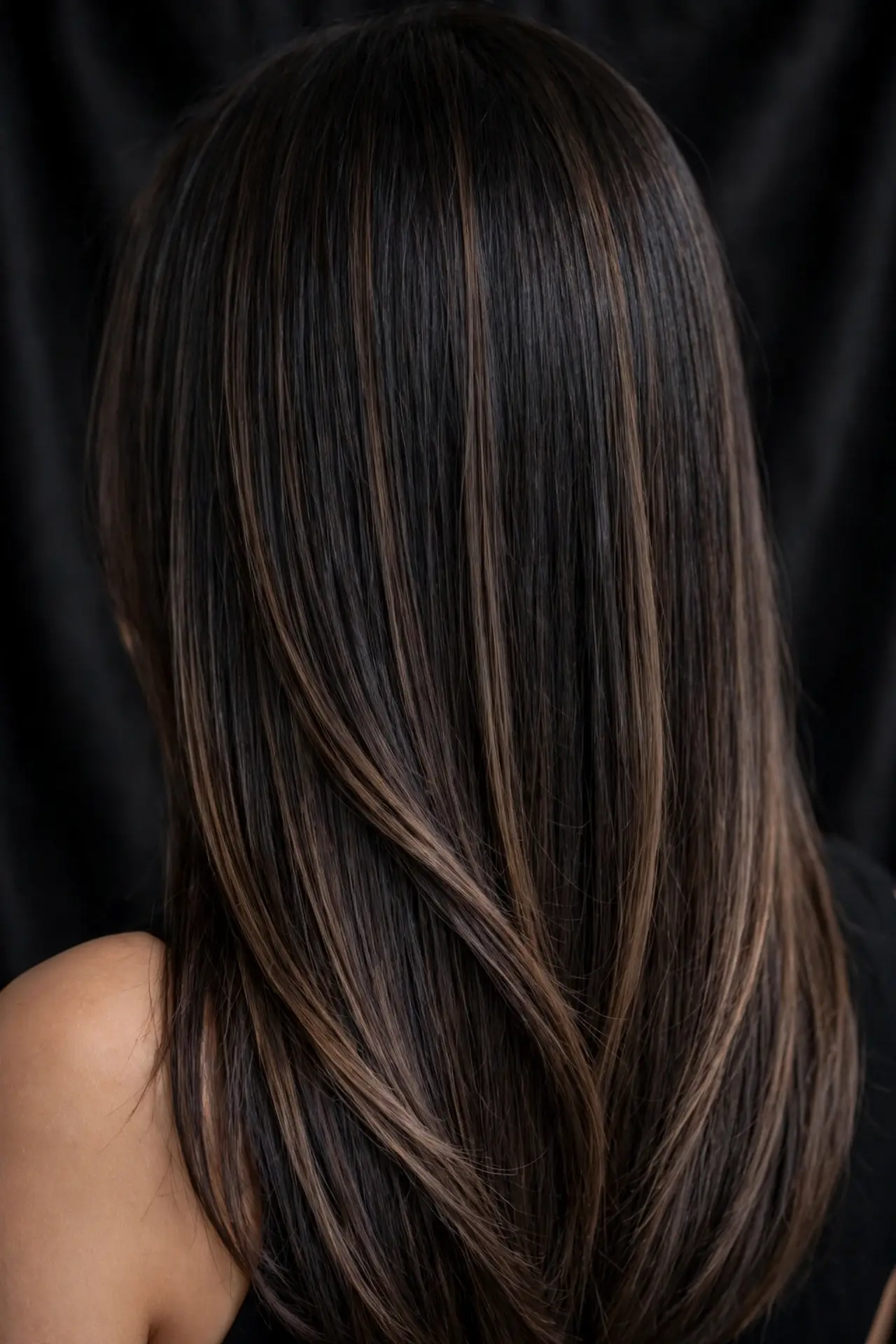
Because the color starts away from the scalp, there is no harsh regrowth line in month three. Here is a realistic rhythm for healthy, medium-density hair.
Weeks 1 to 4: The honeymoon phase. Rich color, unreal shine. Wash with sulfate-free shampoo and lukewarm water to protect it.
Weeks 6 to 8: Time for a toner or gloss refresh. This quick appointment, often under an hour, rebalances the tone and brings back the shine. Think tune-up, not redo.
Weeks 10 to 12: A root melt or soft blend if natural regrowth is showing more than you like. It blurs the line between roots and balayage so you can stretch further.
Months 4 to 6: A partial balayage repaint to bring brightness back up through the lengths. Because you maintained the canvas, this needs less lightener than the first session.
Month 12: A full refresh only if you want to reset the whole pattern.
The golden rule: toner every 6 to 8 weeks, a blend every 10 to 12, and a repaint every 4 to 6 months. Stick to that rhythm and your mocha balayage hair looks intentional at every stage.
How to Style Mocha Balayage Hair So the Dimension Shows
The same mocha balayage hair can look flat or incredible depending on how you style it, and colorists wish more people knew this.
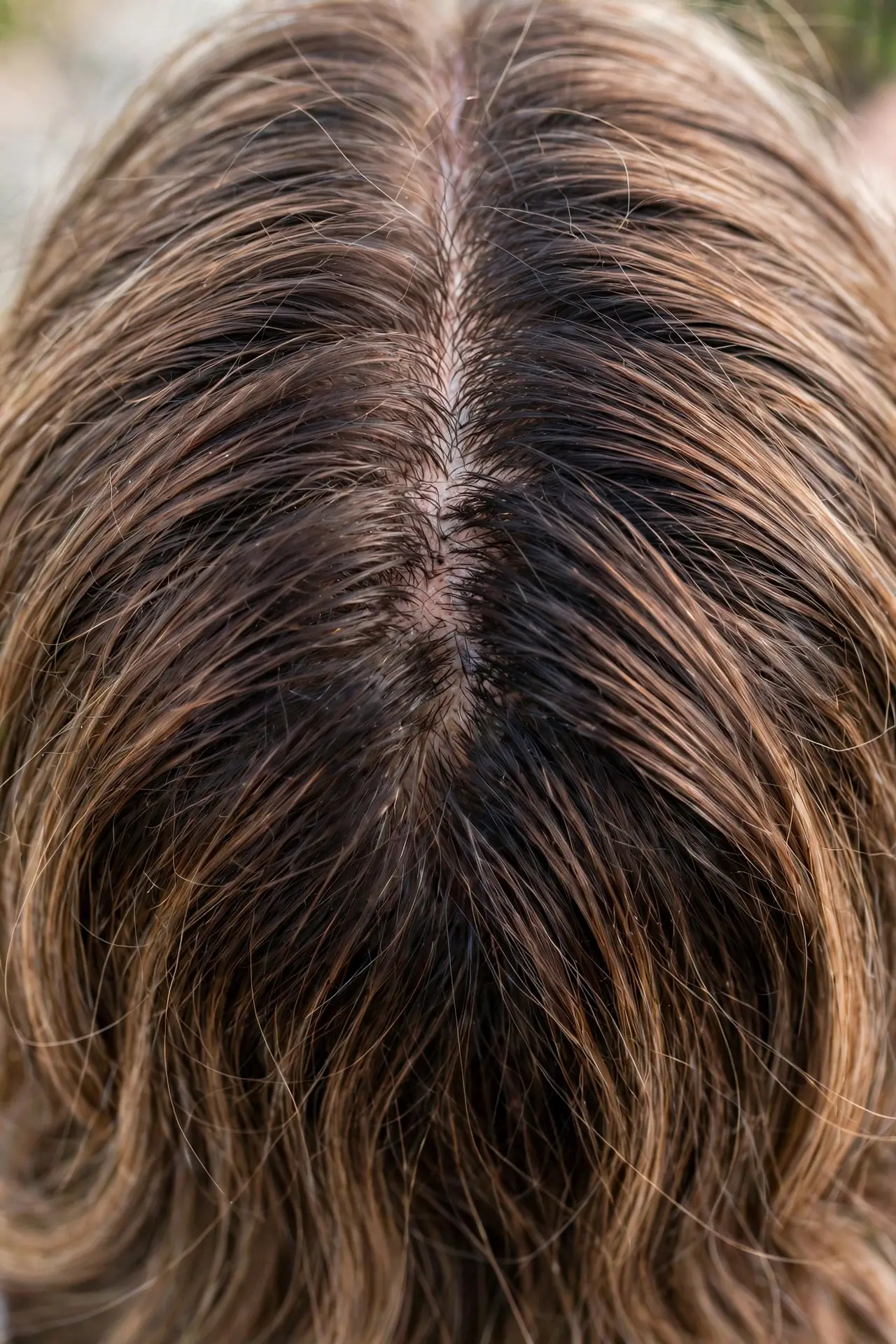
Loose waves are the number one way to show off mocha dimension. Curls bend the light, and every bend reveals a different ribbon. A large-barrel iron or heatless overnight waves both do the job.
A sleek blowout works too, just differently. It reads as smooth, expensive ribbons of shine. If your hair is naturally straight, lean into glossy blowouts instead of fighting your texture.
Braids and twists are dimension amplifiers. A loose side braid or twisted half-up style stacks light and dark pieces against each other so the pattern pops. Skip super tight curls all in one direction, or air-drying with zero product, since both hide the variation instead of showing it.
Finish every style with a shine serum or lightweight oil on the ends. Mocha tones come alive with shine, and the contrast between ribbons reads twice as strong on glossy hair.
At-Home Mocha Balayage Hair Gloss and Toner Upkeep
Salon visits keep the structure, but your home routine decides how long the color stays true between them.
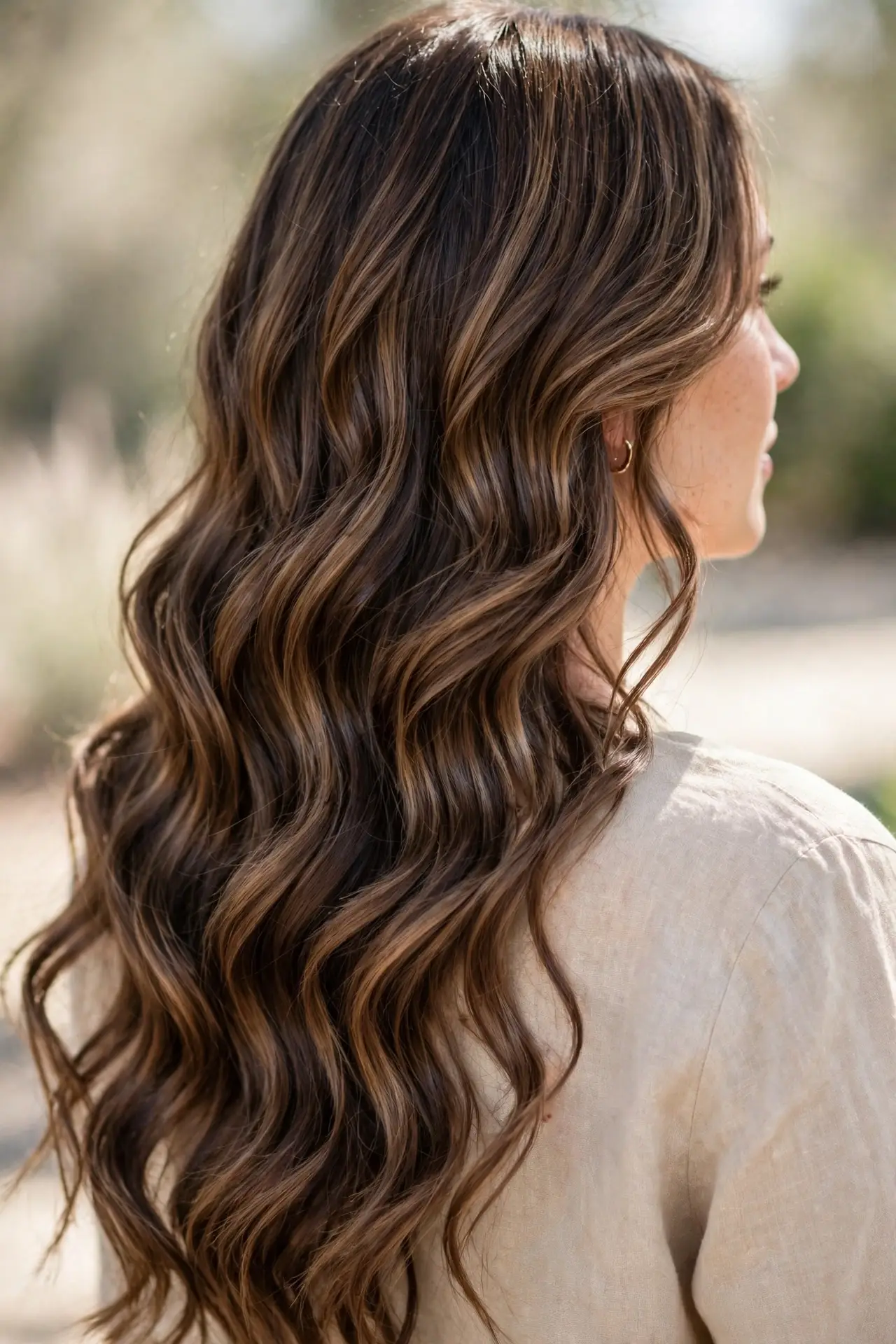
A clear or mocha-tinted gloss every 3 to 4 weeks is the single best at-home move. Glosses coat the hair, add shine, and refresh tone with no real commitment, washing out gradually so there is never a harsh line.
For brunettes fighting orange warmth, a blue shampoo once a week keeps brass in check. Blue neutralizes orange the way purple neutralizes yellow, so reach for the right bottle.
Pigmented masks in chocolate or mocha tones work well too. Use one every week or two, leave it on for 5 to 10 minutes, and it deposits a sheer wash of coffee tone. Do not overdo it, since pigment can build up on porous ends and go dull.
Wash less often when you can. Two to three shampoos a week preserves toner far longer than daily washing, and dry shampoo at the roots keeps things fresh on off days. Keep water lukewarm and finish with a cool rinse, since hot water opens the cuticle and lets color slip out faster.
Pair these habits with the salon rhythm above and your mocha will still look freshly done months after your appointment. For a cooler take on the same family, our mushroom brown hair guide shows the ashier side of brunette.





Pingback: Chocolate Mocha Balayage: 10 Pro Tips For Rich Dimension
Pingback: Lived In Brunette Hair: Root Melt, Gloss & Grow-Out Guide